How Microchipping Transforms Outcomes for Lost Shelter Pets
17 min read Discover how microchipping greatly increases the chances of lost shelter pets being reunited with their owners and reduces adoption return rates. (0 Reviews)
How Microchipping Transforms Outcomes for Lost Shelter Pets
Every year, millions of pets enter animal shelters. For pet owners, nothing mirrors heartbreak like a missing furry family member. For shelters, the challenge of reuniting pets with their families can feel monumental. However, a tiny technology—no bigger than a grain of rice—is quietly revolutionizing lost pet outcomes everywhere. Microchipping stands as one of the most reliable bridges between distressed pets and joyful reunions.
Why Pets Go Missing: The Scale of the Problem
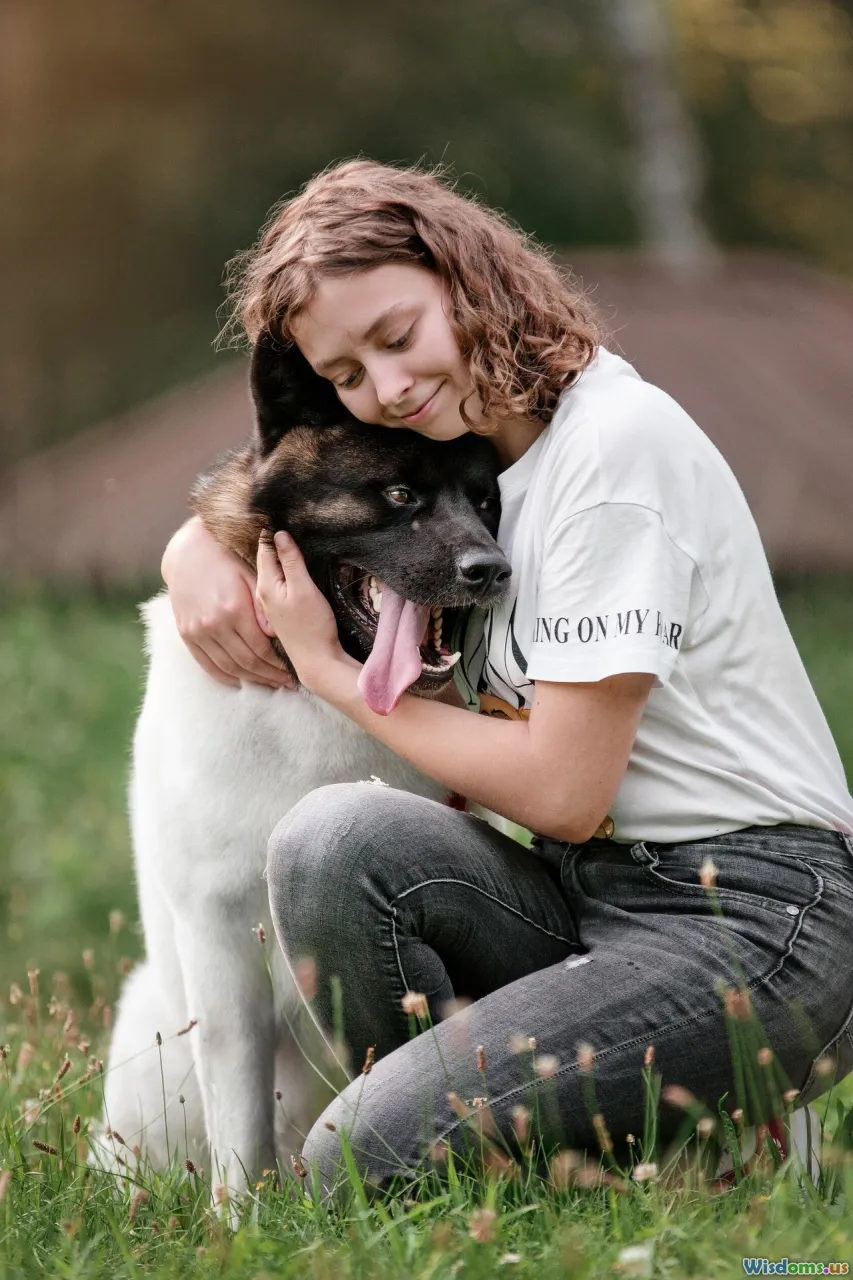
Statistics tell a sobering story: According to the American Humane Association, approximately 10 million pets are lost in the U.S. each year. Of those, a significant number enter the shelter system. In busy urban areas, pets may bolt during fireworks or storms. Rural pets may wander far from home in search of excitement or due to an open gate. Despite the heart-wrenching flyers and desperate social media posts, the reality is that only about 22% of lost dogs and less than 2% of lost cats make it back to their owners from shelters without proper identification.
Uncollared pets face particular difficulty. Tags and collars can be lost, fade, or become unreadable. The outcome is often negative: thousands of unclaimed animals are rehomed or euthanized every year. This context sets the stage for the microchip's game-changing potential.
Microchipping: What Is It and How Does It Work?
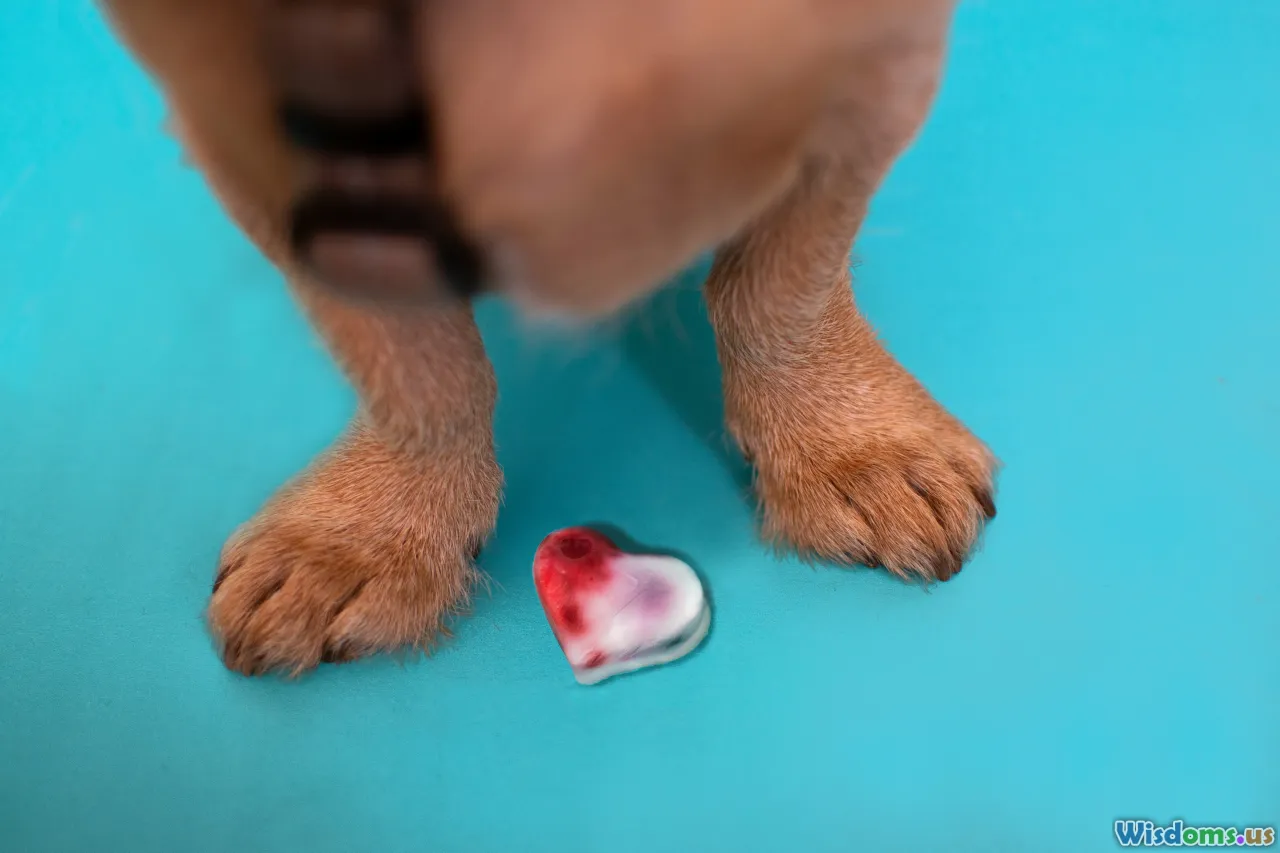
A microchip is a tiny, inert device—usually about 12mm long—inserted just beneath a pet’s skin, typically between the shoulder blades. The chip uses RFID (radio frequency identification) technology and does not have a battery. Instead, when a shelter worker or veterinarian passes a scanner over the area, the microchip transmits a unique identification number.
This number connects to an owner’s contact information stored in a secure database. Importantly, microchipping is quick (often under a minute), causes minimal discomfort—comparable to a vaccination—and has no moving parts to wear out.
Key points about microchips:
- Invisible ID: Can’t fall off or tarnish.
- Lifelong: No battery or replacement needed.
- Universal: Most shelters and clinics have scanners that read the major brands’ chips.
Example in action: Scruffy, a terrier mix, went missing for eight months before being found over 200 miles away. A routine shelter intake scan revealed the microchip, and Scruffy was soon reunited with a tearful owner who’d never given up hope.
The Data: How Microchipping Boosts Return-to-Owner Rates

Research consistently shows that microchipping dramatically increases the odds of a pet returning home. A landmark study published in the Journal of the American Veterinary Medical Association (JAVMA) surveyed over 7,700 stray animals at shelters. Results found:
- Dogs with microchips were returned to owners over 52% of the time, versus only 22% for unchipped dogs.
- Cats with microchips had a return rate of 38%, compared to under 2% for cats without chips.
From high-volume shelters in Los Angeles to rural agencies in the Midwest, consistent trends appear: the likelihood of RTO (return to owner) climbs sharply with chipped pets.
Case evidence: The Ottawa Humane Society reported that after increasing their emphasis on microchipping, legitimate pet returns doubled over the previous five years.
Comparing Microchipping and Traditional ID Methods
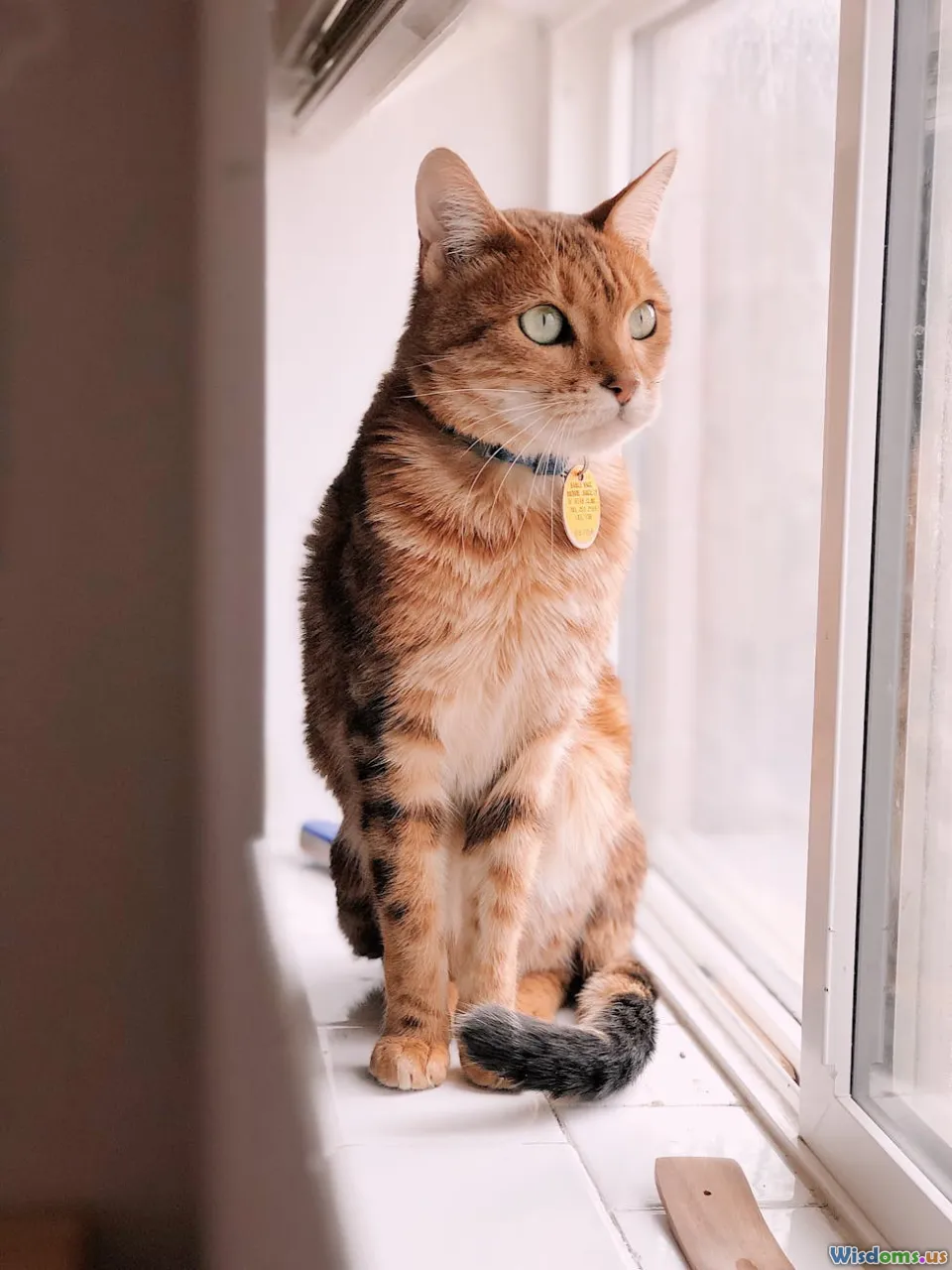
Visual ID tags (collars with names and numbers) absolutely help—a finder can call an owner directly. But there are notable vulnerabilities:
- Loss Risks: Collars break or slip off. Highly active or resourceful animals, especially outdoor cats, naturally lose collars.
- Manual Updates: Changed phone number? Old address? Updating a physical tag requires a trip and purchase.
- Tampering: Some unscrupulous individuals remove collars deliberately.
Microchips offer silent security. However, they rely on owners keeping the contact info up to date in the database.
Best practice strategy: Use both—a visible collar ID for immediate contact, and a microchip for secure, lifelong backup.
"Microchips and visible IDs together provide a safety net. The more ways a shelter can reach you, the better the odds you'll see your pet again." — Dr. Evelyn Sawyer, Colorado Humane Society
The Shelter Perspective: Streamlining the Lost Pet Process
For animal shelters, high pet volumes and data overload make it challenging to track, house, and identify each animal. Microchipping significantly eases this logistical puzzle.
How shelters benefit:
- Efficiency: Scanning takes seconds, often uncovering owner information instantly.
- Less Stress: Quicker RTO means animals spend less time in stressful, unfamiliar environments.
- Space and Resources: Every animal returned quickly makes way for others in need, improving shelter capacity and resource allocation.
Shelters like Battersea Dogs & Cats Home in London have innovated microchip intake protocols. Upon arrival, all animals are scanned regardless of visible ID. Cross-checking microchip data has led to nearly 30% faster returns compared to visual ID checks alone.
Reducing Losses: Microchipping as a Safety Net at Every Life Stage

Pet guardians sometimes ask, "Is microchipping needed for indoor-only pets, seniors, or at adoption?"
Lifecycle advice:
- Young Animals: Puppies and kittens may dash out a door or slip a leash in moments of fear surprises. Early microchipping establishes a safety net from day one.
- Adopted Pets: At adoption, most reputable shelters now ensure the animal is chipped or offer to do so for a nominal cost.
- Older Pets: Seniors, even those sight- or hearing-impaired, can become disoriented and lost. Microchips provide peace of mind that visual tags alone cannot.
Tip: Request microchipping at your first post-adoption vet visit if your new companion is not already chipped.
Responsible Pet Ownership: Registering and Updating Microchips

A microchip is only as good as its registration information. Many heartfelt reunions stall or fail because the chip’s data hasn't been updated since puppyhood (or at adoption).
How to ensure your chip works for you:
- After Implantation: Register the chip immediately with your phone, address, and alternate contacts.
- When You Move or Update Numbers: Log in to your microchip provider's database and update details as soon as you have new information.
- If Adopting: Confirm with the shelter or rescue that you are registered as the current owner.
- Annual Vet Check: Ask your vet to scan your pet and confirm the chip’s number and registry details. This check finds both technical and paperwork gaps.
- Multiple Pets: Maintain a spreadsheet or set reminders to update chips if you move households or switch phone lines.
Case insight: The ASPCA reports that nearly 40% of microchipped pets are delayed in reunification due to outdated owner info on file. Registration is not a one-time job!
Innovations in Microchipping: What’s on the Horizon?
While today’s microchips excel at simple identification, emerging innovations hint at smarter—and safer—futures for our animals.
- Universal Scanner Compatibility: Manufacturers and shelter organizations continue to drive for cross-compatible scanners that quickly read all chip brands, avoiding mismatched technology gaps.
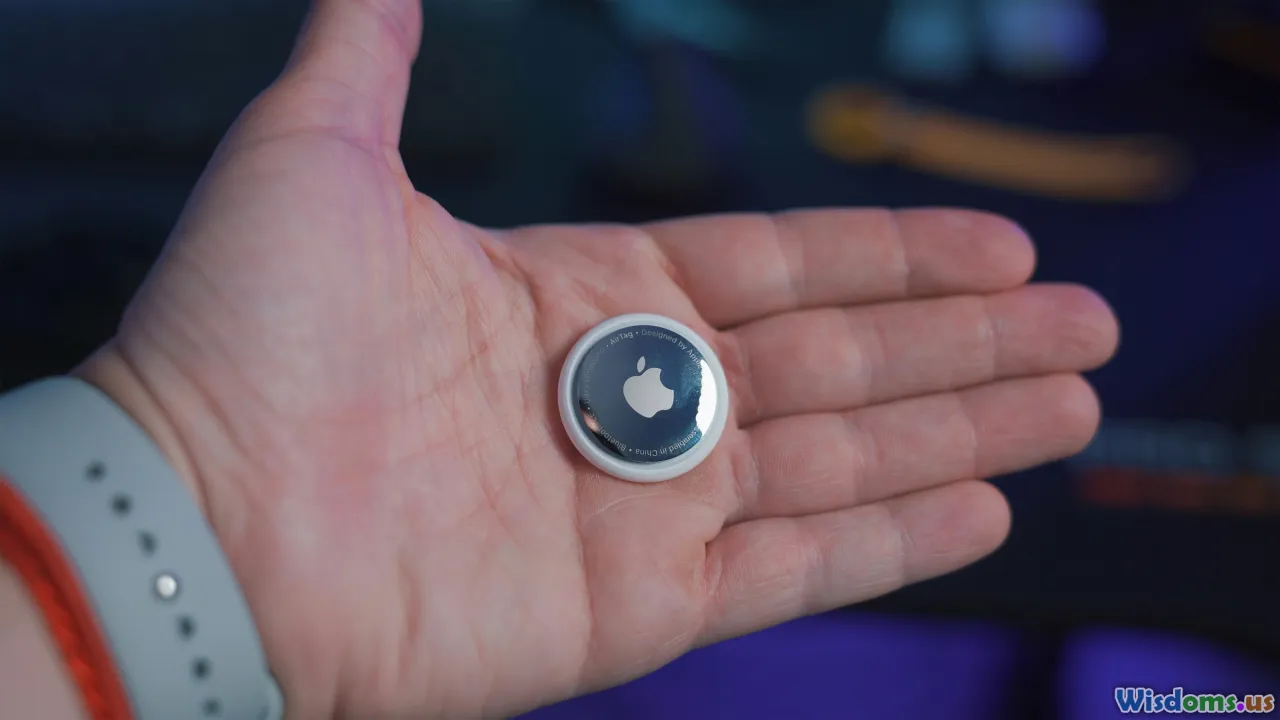
- Smarter Devices: While chips remain passive, new collar add-ons use GPS or smartphone connections to display pet's microchip data or alert owners in real-time if scanners detect their pet.
- Microchip Integration with Apps: Pet tech apps are emerging, linking chip numbers to digital health records, reminders, and even municipal licensing—all attachable to one click on a scanned chip.
Beyond the obvious, advances aim to reduce manual errors, further shrink reunion times, and make microchips part of broader smart-home ecosystems for animal safety.
Public Campaigns and Legislation: Expanding Microchipping’s Reach

Legislators and charities recognize microchipping’s potential to cut down on stray and euthanasia statistics. Countries such as the UK, Ireland, and Australia require dogs (and, in some cases, cats) to be microchipped by law. Following this, UK shelters have seen lost dog returns climb dramatically, with a 20% drop in dogs staying longer than a week.
In the United States, advocacy organizations—like the American Veterinary Medical Association and local humane societies—champion low-cost chipping drives for low-income pet owners. Municipal shelters often partner with animal control agencies for microchipping events coinciding with pet adoption seasons, building local momentum around ID best practices.
Example: Dallas Animal Services ran a free microchip week in 2023 and saw a 40% jump in returned pets during the following three months.
Debunking Common Myths About Microchipping

Despite overwhelming success, myths persist. Addressing these is crucial to improving adoption and compliance:
Myth: Microchips are GPS trackers and show real-time pet location.
Fact: Current chips only provide a unique code readable by a scanner. They have no battery or tracking capability.
Myth: Microchipping insertion hurts or is dangerous.
Fact: The procedure is minimally invasive, much like a vaccination. Complications are exceedingly rare.
Myth: All vets and shelters are using the same chips and databases.
Fact: While scanner compatibility is much improved, always ensure your chip can be read by universal scanners, particularly if traveling or moving.
Tips for Pet Owners: Maximizing Reunification Odds
Every pet parent can take a few extra steps to make sure microchip protection works:
- Double Up on ID: Maintain a visible collar and tag, and microchip every pet in your home.
- Immediate Registration: Always register the microchip right after it’s implanted—waiting risks wasted time or lost paperwork.
- Keep Info Current: Move, change phone numbers, update and confirm every time.
- Annual Vet Scanning: Ask your vet to scan the chip to ensure it’s readable and matches your contact information.
- Educate Family and Friends: Remind pet-sitters, relatives, or anyone who may be a backup contact.
- Know Your Registry Information: Store your pet's microchip ID and registry password in a secure but accessible place.
Real-Life Reunions that Showcase Microchipping’s Power

Stories of hopeful owners and miraculous joyful returns abound:
- Milo, a tabby cat in San Francisco, disappeared during a house move. Using the microchip, a shelter traced his family—now two postcodes away—after a six-month separation.
- Sasha, a poodle in Michigan, was recovered from a neighboring county thanks to a microchip scan at a routine vaccination event; animal control began registering chips on the spot to increase community engagement.
These aren’t rare stories. A majority of shelters keep records of successful reunions traced solely to microchipped ID, many featuring pets returned after years—even across state lines.
A single microchip, registered and kept up to date, can mean the difference between permanent loss and an emotional, tail-wagging reunion. With every animal chipped, shelters see better outcomes, communities become safer, and families are strengthened by the peace of mind technology quietly delivers. As the world’s pet population grows and people move more often, microchipping is not just a recommendation—it's a new standard in responsible, compassionate pet care.
Rate the Post
User Reviews








Popular Posts