Trend natural shampoos for sensitive skin pets
30 min read Explore 2026 trends in natural pet shampoos for sensitive skin, ingredients to seek and avoid, vet-backed tips, and eco-conscious picks for dogs and cats with itchy, reactive coats. (0 Reviews)
If your dog starts scratching the moment a bath is over—or your cat develops flaky patches after grooming—you’re not alone. Sensitive skin is one of the most common reasons pet parents rethink their shampoo. Over the last few years, “natural” pet shampoos have become the go-to solution. But what does natural actually mean for a pet’s skin barrier, and how can you pick a bottle that’s soothing rather than just trendy marketing? This guide breaks down the science, the label claims, and the practical steps to bring comfort back to bath time.
Why sensitive pet skin reacts differently than ours
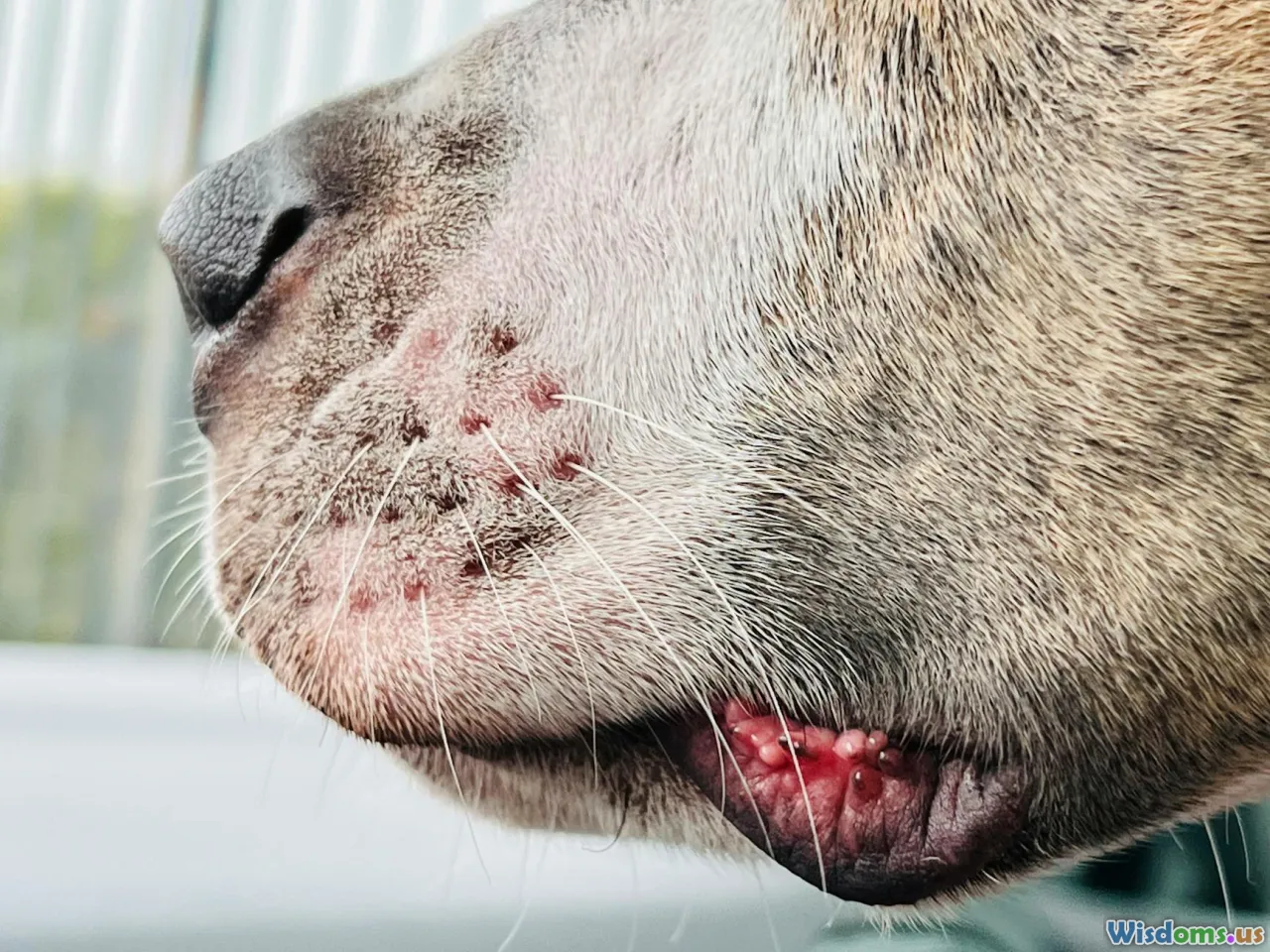
Human rules don’t directly translate to pets. For example, the outer skin layer (stratum corneum) on dogs is only about 3–5 cell layers thick, compared with roughly 10–15 in humans. That thinner barrier means a harsh wash can strip protective lipids faster, leaving skin vulnerable to dryness and irritation. pH matters, too: while human skin sits around pH 5–5.5, canine skin is typically more neutral—often in the 6.5–7.5 range. Cats are similar to dogs in having a thinner barrier and a more neutral skin pH than humans.
What this means for shampoo selection:
- Harsh surfactants that feel fine on your hands may be too aggressive for pets.
- High-alkaline “natural soap” (like traditional castile) can disrupt a dog’s or cat’s skin pH, causing tightness, flaking, or itch.
- Fragrances—synthetic or essential oil—can be a problem on already inflamed skin, especially for cats, who are uniquely sensitive to many aroma compounds.
Sensitive skin in pets can be driven by multiple triggers: seasonal allergies, food sensitivities, environmental irritants, parasites, or secondary yeast and bacterial imbalances. Studies estimate that canine atopic dermatitis affects a noticeable minority of dogs, and mild-to-moderate itch is a frequent complaint in general practice. Shampoo can’t cure underlying allergies, but it can help reduce symptom flares by supporting the skin barrier and avoiding known irritants.
What “natural” really means on a shampoo label
“Natural” has no universal, legally enforced definition in pet grooming. Many brands use the word to signal plant-derived ingredients, essential oils instead of synthetic fragrances, or a lack of certain additives. That ambiguity invites greenwashing. To separate substance from marketing, look for:
- Transparent INCI names: The International Nomenclature of Cosmetic Ingredients (INCI) lists exact chemical names (e.g., Coco-Glucoside, Colloidal Oatmeal). Vague terms like “natural surfactant blend” without specifics are a red flag.
- Credible certifications: While most standards focus on human cosmetics, some are applied to pet products. Examples include USDA Organic (for agricultural content), COSMOS/Ecocert (natural/organic cosmetics standards), and third-party cruelty-free seals like Leaping Bunny. These don’t guarantee suitability for sensitive pet skin, but they help verify sourcing and manufacturing claims.
- Natural origin index: Some brands disclose percentages like “96% naturally derived.” This typically counts ingredients from plant or mineral feedstocks, even if they’re processed (e.g., glucoside surfactants). Higher isn’t always better—efficacy and safety still matter—but transparency is valuable.
- Specific promises: “Sulfate-free,” “fragrance-free,” and “soap-free” are clearer and more relevant to sensitive skin than “all-natural.”
In short, “natural” is a starting point, not proof of gentleness. Focus on ingredients and formulation details that minimize irritation.
Ingredient analysis: soothing heroes and what to avoid
Great natural-leaning shampoos for sensitive skin share two traits: mild cleansing and barrier support. Here’s what to look for—and what to skip.
Soothing, skin-friendly actives:
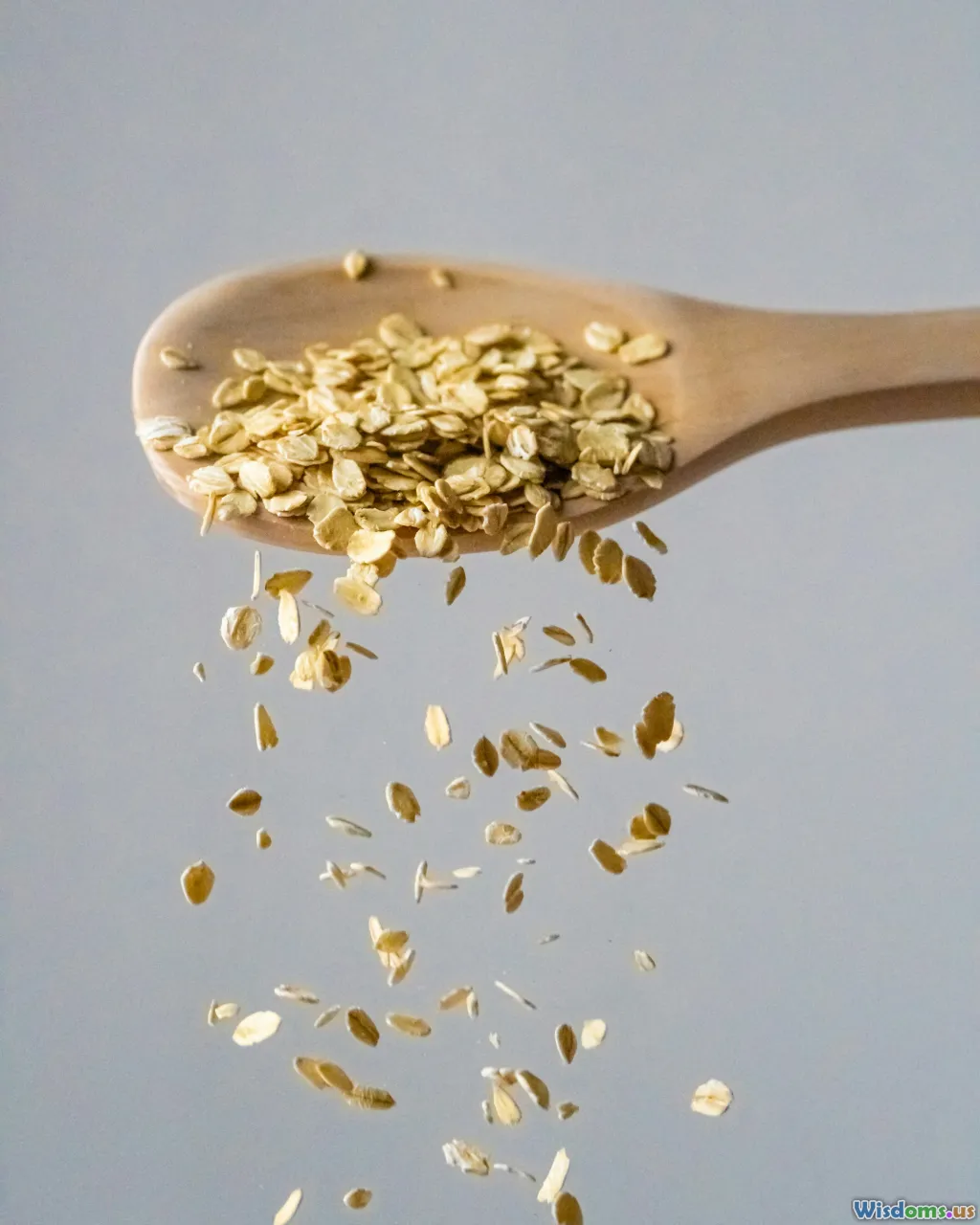
- Colloidal oatmeal (Avena sativa): A classic for itch. It supplies beta-glucans and avenanthramides that calm redness. Typical inclusion: ~1–2% in leave-ons; in rinse-offs, effectiveness still shows with meaningful levels.
- Aloe vera (Aloe barbadensis leaf juice): Hydrating and soothing. Look for stabilized juice rather than powder when possible.
- Panthenol (Provitamin B5): Humectant that improves moisture retention and coat gloss.
- Allantoin: Gentle keratolytic and skin protectant.
- Calendula and chamomile extracts: Anti-redness botanicals; use cautiously if your pet has known plant allergies.
- Ceramides, squalane, or lipid complexes: Barrier lipids help restore the skin’s moisture seal.
- Prebiotics like inulin or alpha-glucan oligosaccharide: Support a balanced skin microbiome without killing beneficial flora.
Mild surfactant systems:
- Glucosides (Decyl Glucoside, Coco-Glucoside, Lauryl Glucoside): Plant-derived and generally well tolerated.
- Amphoterics like Cocamidopropyl Betaine or Sodium Cocoamphoacetate: Increase mildness in blends.
- Sulfosuccinates (Disodium Laureth Sulfosuccinate): Larger molecule, less penetrating, often milder than classic sulfates.
Ingredients to approach with caution or avoid for sensitive skin:
- High-alkaline soaps: Traditional saponified oils (castile) often end up at pH 9–10. That’s too high for most dogs and cats.
- Strong sulfates (Sodium Lauryl Sulfate): Effective cleansers but more likely to disrupt the barrier; some pets do fine, many with sensitive skin don’t.
- Fragrance and essential oils: Fragrance mixes—even “natural”—are top irritants. For cats, avoid essential oils entirely. For dogs with sensitive skin, seek fragrance-free.
- Dyes and colorants: Unnecessary potential irritants.
- Harsh preservatives: Methylisothiazolinone and methylchloroisothiazolinone have well-known sensitization potential.
Preservatives that balance safety with sensitivity:
- Phenoxyethanol (≤1%) often coupled with ethylhexylglycerin: Broad-spectrum and generally well tolerated.
- Potassium sorbate and sodium benzoate: Work best at lower pH. If a formula targets canine skin pH (~6.5–7.5), these may need help from other systems.
- Gluconolactone and sodium benzoate blends: Broaden coverage but still pH dependent.
Remember: preservatives protect your pet by preventing contamination, especially in wet environments like baths. “Preservative-free” is risky for wash-off products.
The microbiome-friendly approach
Your pet’s skin hosts a diverse collection of microbes that help defend against pathogens, balance inflammation, and maintain odor control. Over-sanitizing with strong antibacterial agents can wipe out helpful species and create rebound issues (excess oil, yeast overgrowth).
Shampoos marketed as microbiome-friendly tend to avoid:
- Broad-spectrum antibacterials (chlorhexidine, benzalkonium chloride) unless veterinarian-directed.
- Heavy-dose antifungals unless a yeast infection is diagnosed.
Instead, they feature:
- Prebiotics (inulin, alpha-glucan oligosaccharide) that feed beneficial microbes.
- Mild surface-active systems that clean without stripping all oils.
- Lipid replenishment (ceramides, cholesterol, fatty acids) to support the physical barrier microbiota rest on.
Tip: If your pet has recurrent hot spots, excessive odor, or greasy patches that don’t respond to gentle care, ask your vet about microbial testing. Medicated baths may be necessary temporarily. After that, rotate back to a gentle, microbiome-supportive shampoo for maintenance.
How to read an INCI list in under 60 seconds
A quick scan can tell you if a “natural” shampoo is likely to be gentle:
- First five ingredients: These drive performance. Ideally you’ll see water (aqua), mild surfactants (e.g., Coco-Glucoside, Lauryl Glucoside), and a couple of soothing actives (e.g., Colloidal Oatmeal, Aloe Juice). If “fragrance/parfum” is up here, the formula may be heavily scented.
- Surfactant mix: Look for glucosides, betaines, or sulfosuccinates. Avoid the harshest sulfates if your pet is reactive.
- Fragrance: “Fragrance,” “Parfum,” or listing of essential oils. For sensitive skin, choose “fragrance-free” over “unscented” (which can still contain masking scents).
- Preservatives: A legitimate preservative system is good. Phenoxyethanol with ethylhexylglycerin is common. Sodium benzoate/potassium sorbate are fine in lower-pH formulas.
- Claims vs. reality: “Hypoallergenic” isn’t regulated. Focus on known low-irritation ingredient sets.
- pH disclosure: Bonus points if a brand discloses pH suited for dogs/cats. If not listed, email support—transparent brands often share this.
Pro tip: Learn a few INCI names for your pet’s known triggers (e.g., “Cocamidopropyl Betaine” for rare betaine sensitivities; “Lavandula Angustifolia Oil” for lavender oil). A 30-second label check can save weeks of scratching.
Safety notes for dogs vs. cats—and for puppies and kittens
Cats metabolize many compounds differently, lacking some glucuronidation pathways in the liver. That’s why essential oils—especially tea tree, clove, cinnamon, and eucalyptus—are a no-go for cat shampoos. Even hydrosols and “pet-safe” essential oils can be risky for cats. With cats, the safest path for sensitive skin is fragrance-free and essential oil-free.
Dogs are generally more tolerant but sensitive-skin dogs still benefit from fragrance-free formulas. If essential oils are present, they should be minimal and selected for pet safety; many dermatology-minded groomers avoid them entirely on reactive dogs.
Puppies and kittens:
- Use products specifically labeled for them, avoiding intense actives.
- Tear-area: Never rely on “tear-free” claims to justify shampoo near eyes. “Tear-free” reflects lower irritation in tests, not absolute safety. Shield eyes and rinse with sterile saline if needed.
- Age: For very young animals (e.g., under 8 weeks), consult a vet before using any shampoo beyond warm water, unless a veterinary-labeled product is prescribed.
Medical considerations:
- Flea/tick treatments: Check compatibility. Some shampoos strip topical preventives; others are labeled “compatible.” Time baths appropriately after applications.
- Open sores, severe redness, or oozing lesions: See a vet first. Medicated protocols might be required.
Patch testing and first-bath protocol
Before committing to a new shampoo, run a quick, low-stress trial.
Patch test:
- Dilute: Prepare a working dilution (see bottle; many concentrates recommend 4:1 to 10:1 water-to-shampoo by volume). For sensitive skin, err toward more dilution.
- Apply: Dab a teaspoon-sized amount of lather on a small area (inside hind leg or chest). Leave for 3–5 minutes.
- Rinse: Thoroughly with lukewarm water.
- Watch: Check the area after 24 and 48 hours for redness, flaking, or itch.
First full bath protocol:
- Brush first: Remove mats and loose hair to reduce friction during washing.
- Water temperature: Lukewarm—too hot increases transepidermal water loss.
- Pre-wet thoroughly: Especially undercoat areas.
- Dilute shampoo: Even “ready-to-use” products can be diluted in a separate bottle or mixing cup to spread more evenly and reduce local concentration hot-spots.
- Contact time: 5–10 minutes for soothing actives like colloidal oatmeal to work. Keep your pet calm with treats.
- Rinse longer than you think: Residue is a common irritant trigger.
- Condition if needed: A light, fragrance-free conditioner with ceramides or panthenol can help. Rinse well.
- Drying: Towel blot; use a low-heat dryer if your pet tolerates it. High heat can aggravate itching.
Bathing frequency, coat types, and climate
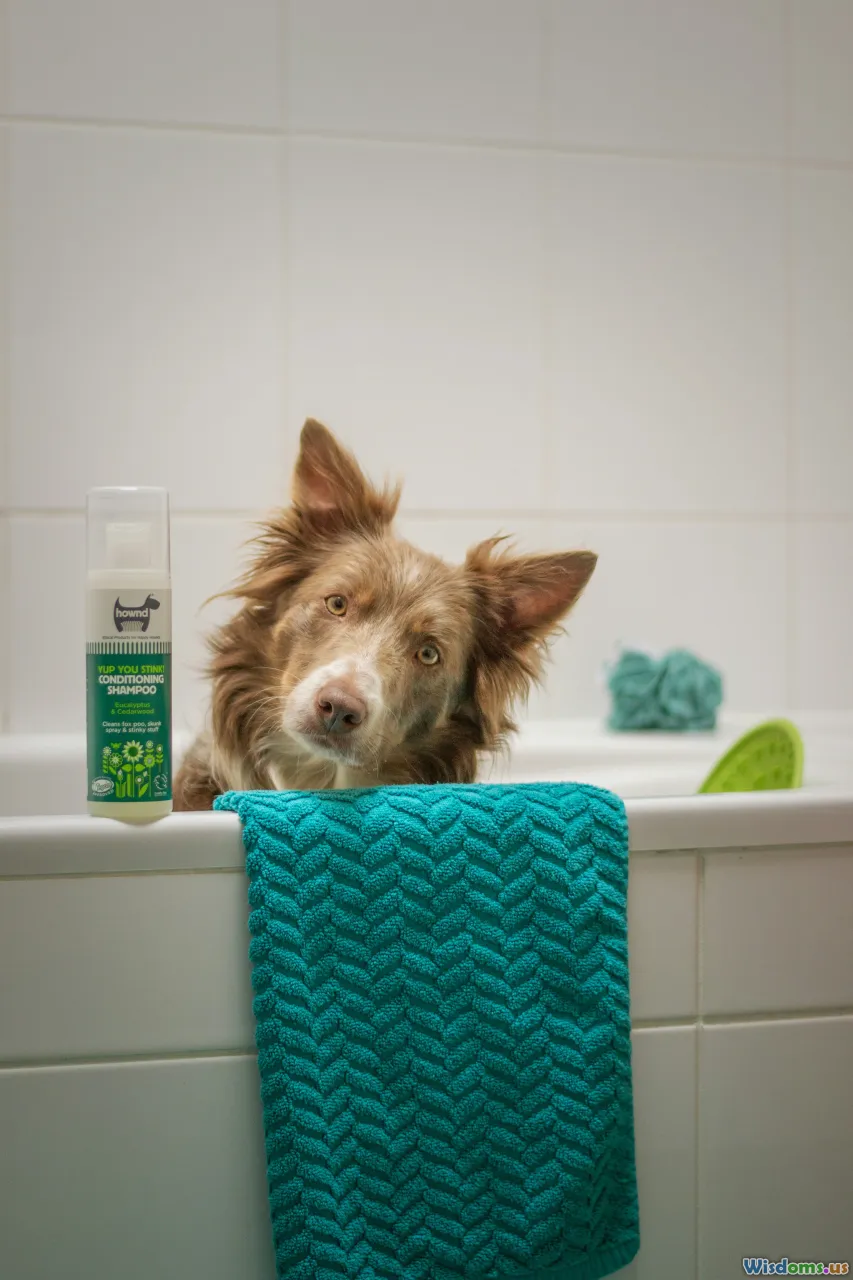
Frequency isn’t one-size-fits-all:
- Short, smooth coats (e.g., Boxers, Beagles): Typically every 3–6 weeks, or as needed.
- Double-coated breeds (e.g., Huskies, Shepherds): Less frequent full shampoos; focus on de-shedding and targeted cleaning. Overbathing can dry the undercoat.
- Curly/wool coats (e.g., Poodles, Doodles): Regular bathing (2–4 weeks) keeps hair manageable; gentle formulas prevent dryness.
- Hairless/very fine hair (e.g., Xoloitzcuintli, Sphynx cats): Prone to oil build-up; mild, frequent cleansing might be necessary, followed by gentle moisturization.
- Cats: Generally less frequent baths unless there’s a medical reason or coat/soil issue. Spot clean with pet-safe wipes or water-only rinses if tolerated.
Climate factors:
- Arid environments: Increase humectants (panthenol, glycerin) and use lukewarm, not hot, water.
- Humid climates: Yeast can bloom in folds and paws; dry thoroughly and consider microbiome-supporting actives.
- Hard water: Minerals reduce lather and leave residue. Use a chelating shampoo (contains tetrasodium glutamate diacetate or similar) or add a water softener attachment.
If your pet is in an active flare (red, itchy, inflamed), adjust frequency to what your vet suggests; sometimes twice-weekly gentle baths help remove allergens while reducing irritation.
DIY vs. store-bought: when each makes sense
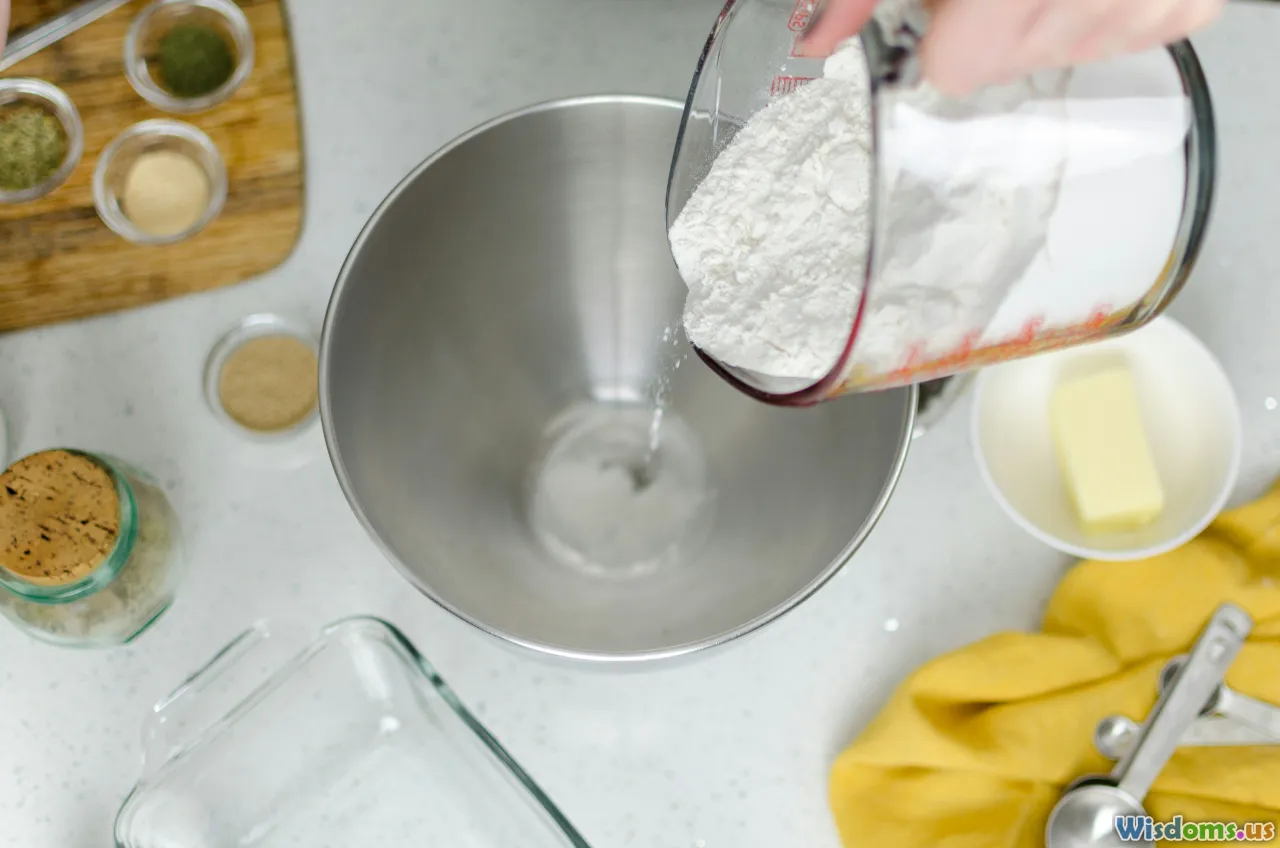
DIY formulas can be appealing, but they’re not automatically safer. Consider pros and cons.
DIY pros:
- Control over fragrance (none) and botanicals.
- Simple mixes can be very gentle.
DIY cons:
- Preservation: Water + plant materials = microbial growth risk.
- pH: Many DIY recipes rely on soaps with high pH.
- Consistency: It’s hard to replicate mild surfactant systems at home.
Safe-ish DIY ideas for occasional use:
- Oatmeal rinse: Grind plain oats into a fine powder (colloidal consistency). Add 1–2 tablespoons to a liter of warm water, shake, and use as a post-shampoo rinse. Leave for a few minutes, then rinse lightly. Use fresh each time; do not store.
- Aloe-panthenol spritz: Mix 90% stabilized aloe juice with 10% glycerin and a dash (0.5%) panthenol if you have access to cosmetic-grade ingredients. Keep refrigerated for a few days. Patch test first.
When store-bought is smarter:
- Your pet needs a preserved, pH-appropriate, tested formula that’s safe for frequent use.
- You want microbiome-aware blends, ceramides, or proven surfactant combinations.
- You need shelf stability and batch-to-batch reliability.
Avoid: Using undiluted human castile or bar soaps on sensitive pets. Their pH and surfactant profile are designed for humans, not animals.
Sustainability and packaging without sacrificing safety
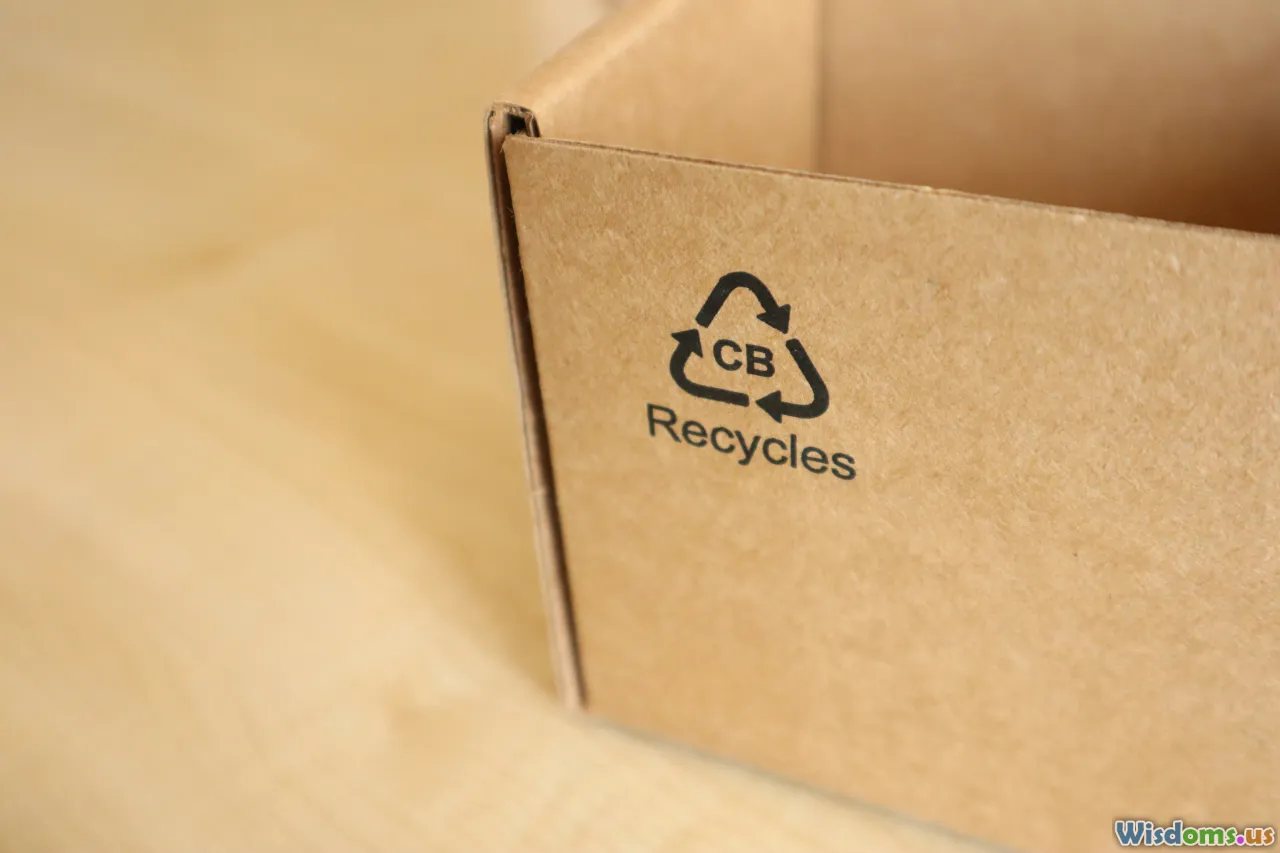
Eco-values matter, but so does your pet’s skin. Look for:
- Biodegradable surfactants: Glucosides and sulfosuccinates typically score well for biodegradability.
- Concentrates: An 8:1 or 16:1 concentrate reduces plastic per wash. Ensure the label advises proper dilution for sensitive skin.
- Solid bars: If “syndet” (synthetic detergent) with mild surfactants and pH adjustment, bars can be gentle and low-waste. Avoid high-pH soap bars for sensitive pets.
- Packaging: Recyclable HDPE or PET, aluminum, or refill pouches. Check local recycling compatibility.
- Honest trade-offs: Preservatives are non-negotiable for wet products. A “preservative-free” claim often means the product relies on low water activity or high pH—neither ideal for sensitive pet skin in typical shampoos.
A quick life-cycle mindset: The gentlest shampoo that you have to replace twice as often because it doesn’t clean well may create more waste than a slightly more concentrated formula that performs and lasts.
What groomers and vets are seeing this year
Talk to grooming salons and veterinary dermatology clinics and you’ll hear similar trends:
- Fragrance-free first: Pet parents are asking for scentless options more than ever. Groomers report fewer post-bath callbacks for itch when switching to fragrance-free lines.
- Pro- and prebiotic positioning: Shampoos and leave-ins that claim microbiome support are gaining traction, especially for maintenance between medicated baths.
- Barrier-focused formulas: Ceramide complexes, oat lipids, and squalane are moving from human skincare into pet grooming, with anecdotal improvements in flake control.
- Simplified INCI: Shorter ingredient lists with recognizable mild surfactants resonate with buyers who have tried and failed with heavily perfumed products.
- E-commerce education: Brands that disclose pH, dilution ratios, and testing (like HRIPT irritation testing on human skin as a proxy) are winning trust.
Industry reports have highlighted steady growth in the natural pet grooming category, with independent brands pushing innovation around mild surfactants, refill systems, and fragrance-free SKUs. The takeaway: performance and transparency are eclipsing buzzwords.
Quick comparison checklist: choosing the right bottle
Use this list in the aisle—or on a product page—to filter fast:
Must-haves for sensitive skin:
- Soap-free and sulfate-free (or uses milder sulfates only in well-balanced blends).
- Fragrance-free, essential oil-free (especially for cats).
- Mild surfactants: Coco-Glucoside, Decyl Glucoside, Lauryl Glucoside, Sodium Cocoamphoacetate, Cocamidopropyl Betaine.
- Soothing actives near the top third of the list: Colloidal Oatmeal, Aloe, Panthenol, Allantoin, Ceramides.
- Clear preservative system (e.g., Phenoxyethanol + Ethylhexylglycerin).
- pH disclosure (or brand can provide it) appropriate for dogs/cats.
Nice-to-have:
- Prebiotics (inulin).
- Lipid support (oat lipid, squalane).
- Concentrate format with clear dilution guidance.
- Certifications (USDA Organic content, COSMOS/Ecocert) as a transparency bonus.
Red flags:
- Heavy fragrance or essential oil blends marketed as “calming.”
- Vague ingredient terms without INCI names.
- “Preservative-free” with high water content.
- Strong medicinal claims without veterinary labeling or guidance.
Price-per-wash reality check:
- If a 16 oz (473 ml) bottle costs $18 and is used at 10:1 dilution, you might use about 1 oz of concentrate per medium dog bath. That’s roughly $1.12 per wash. A $12 non-concentrate that requires 2–3 oz per bath may actually cost more per wash and be harsher.
Step-by-step calm bath routine for sensitive pets
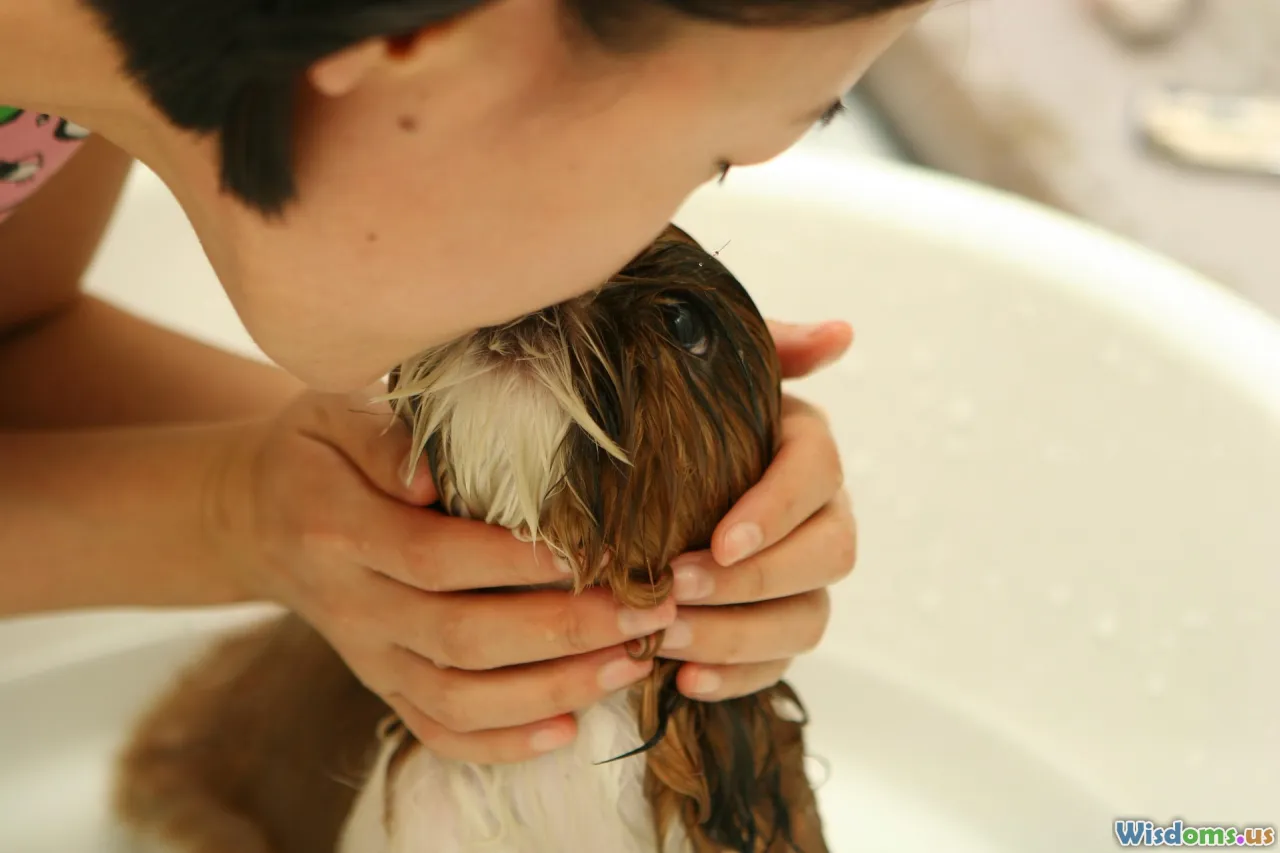
A thoughtful routine can make a bigger difference than the brand alone.
Before the bath:
- Exercise lightly: A short walk or play reduces anxiety.
- Set up: Warm room, non-slip mat, towels ready, diluted shampoo in a squeeze bottle.
- Rewards: High-value treats visible. Start a calm playlist if your pet responds to sound.
During the bath:
- Brush dry coat: Use a slicker or curry depending on coat type. Remove tangles to prevent tugging.
- Wet gently: Use a handheld sprayer on low pressure. Avoid ears, eyes, and nose.
- Apply diluted shampoo: Start at the neck and work back. For paws and belly (common itch areas), massage in and allow 5–10 minutes of contact time.
- Face care: Use a damp cloth only; avoid shampoos near eyes.
- Rinse thoroughly: Rinse until the water runs clear and then rinse once more for good measure.
- Optional conditioner: Apply a fragrance-free conditioner to dry-prone areas; comb through and rinse well.
After the bath:
- Blot dry: Don’t rub vigorously.
- Dryer: Use low heat and low airflow; keep the nozzle moving. If your pet is dryer-averse, work in short bursts with breaks and treats.
- Post-bath balm: For crusty noses or cracked paw pads, a pet-safe, fragrance-free balm can help—avoid overuse between toes to prevent maceration.
- Record notes: Jot down any redness, flaking, or scratching in the next 48 hours to track product fit.
Troubleshooting common issues
- Persistent flaking: Increase rinse time; consider adding a light conditioner with panthenol. Check indoor humidity—very dry air aggravates dandruff.
- Itch returns within hours: Residue may be the culprit. Dilute more and rinse longer. Switch to fragrance-free if you haven’t already.
- Greasy feel post-bath: Surfactant too mild for your pet’s sebum level. Try a formula with a balanced blend (e.g., glucoside + betaine + gentle sulfosuccinate). Hard water can also leave film; a chelating shampoo may help.
- Red paws/yeasty odor: Dry interdigital spaces thoroughly; consider a vet-approved antifungal routine if the issue recurs.
- Hot spots: Don’t over-scrub; keep hair trimmed around the lesion and consult your vet. Medicated soaks may be needed.
- Dull coat: Add a lipid-replenishing conditioner, ensure diet is balanced (omega-3s help), and review brushing technique.
If you’ve tried two or three well-formulated, gentle shampoos and your pet still struggles, involve your veterinarian. Underlying allergies, parasites, or infections need targeted treatment. A skin scraping or cytology is quick and can guide a better plan.
Real-world examples of ingredient combinations that work
Here are sample formula profiles—no brand names—showing how different gentle approaches look on paper:
-
Oat-soothe minimalist: Water, Coco-Glucoside, Decyl Glucoside, Colloidal Oatmeal, Aloe Juice, Panthenol, Allantoin, Sodium PCA, Phenoxyethanol, Ethylhexylglycerin. Pros: Very low irritancy, fragrance-free. Consider for frequent baths in allergic dogs.
-
Lipid-boost blend: Water, Sodium Cocoamphoacetate, Disodium Laureth Sulfosuccinate, Lauryl Glucoside, Ceramide Complex, Oat Kernel Oil, Squalane, Panthenol, Sodium Lactate, Phenoxyethanol, Ethylhexylglycerin. Pros: Better degreasing with barrier support for flaky yet oily skin.
-
Microbiome-friendly maintenance: Water, Coco-Betaine, Decyl Glucoside, Inulin, Alpha-Glucan Oligosaccharide, Aloe, Allantoin, Glycerin, Gluconolactone/Sodium Benzoate. Pros: Gentle cleanse with prebiotics. Note: Preservative efficacy relies on pH—works best if the brand tuned it correctly.
-
Cat-safe ultra-gentle: Water, Coco-Glucoside, Sodium Cocoamphoacetate, Panthenol, Allantoin, Glycerin, Sodium PCA, Phenoxyethanol, Ethylhexylglycerin. Pros: No fragrance or essential oils, minimal additives; ideal for sensitive cats.
Use these as mental templates while scanning labels.
How to introduce a new shampoo without drama

- Start small: Replace only the shampoo at first; keep the rest of the routine constant. If irritation appears, you’ll know the likely cause.
- One-variable rule: Don’t add new wipes, sprays, or conditioners for the first two weeks.
- Gradual exposure: For anxious pets, do a “dry run” in the empty tub with treats before the first use of a new product.
- Schedule smart: Try the first bath early in the day so you can monitor for reactions.
- Keep notes: Track product, dilution, contact time, and post-bath behavior.
A slow, methodical rollout is the fastest path to a stable routine.
The bottom line for the natural-shampoo trend
“Natural” is not magic—but the momentum behind gentler, fragrance-free, microbiome-aware grooming is good news for sensitive pets. Prioritize mild surfactants, soothing actives like colloidal oatmeal and panthenol, a real preservative system, and a label that treats you like a partner with clear INCI names and pH transparency. For dogs, fragrance-free often makes the biggest single difference; for cats, essential oil-free is non-negotiable.
Pair the right bottle with smart bathing habits—proper dilution, patient contact time, and thorough rinsing—and you’ll see fewer post-bath itches, a softer coat, and a pet that actually relaxes when the water turns on. When in doubt, bring your vet into the conversation. Skin comfort is achievable, and it starts with thoughtful choices that go deeper than a buzzword on the front of the bottle.
Rate the Post
User Reviews

Popular Posts