Is Virtual Reality Education Better Than Classroom Learning
14 min read A comparative analysis of virtual reality education and traditional classroom learning, highlighting advantages, limitations, and future prospects for students and educators. (0 Reviews)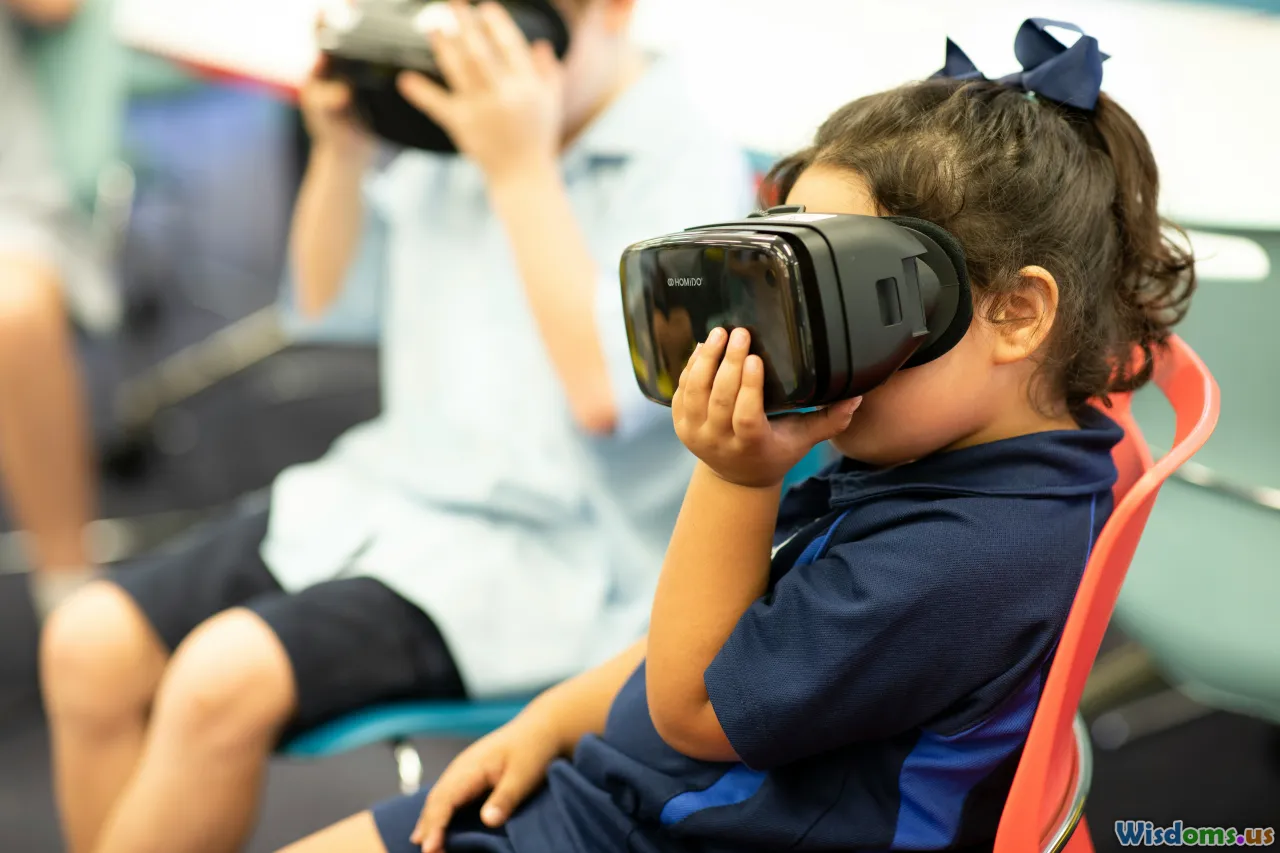
Is Virtual Reality Education Better Than Classroom Learning?
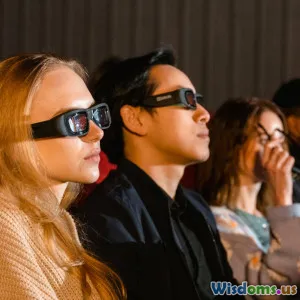
Education stands at the frontline of technological transformation. Among the many innovations, Virtual Reality (VR) has emerged as a disruptive force, offering immersive experiences unbound by traditional limitations. While classroom learning has shaped generations, VR promises new dimensions for teaching and discovery—prompting the question: Is virtual reality education better than classroom learning? This article examines both methods, highlighting their unique strengths and the factors educators and institutions should consider.
The Evolution of Virtual Reality in Education
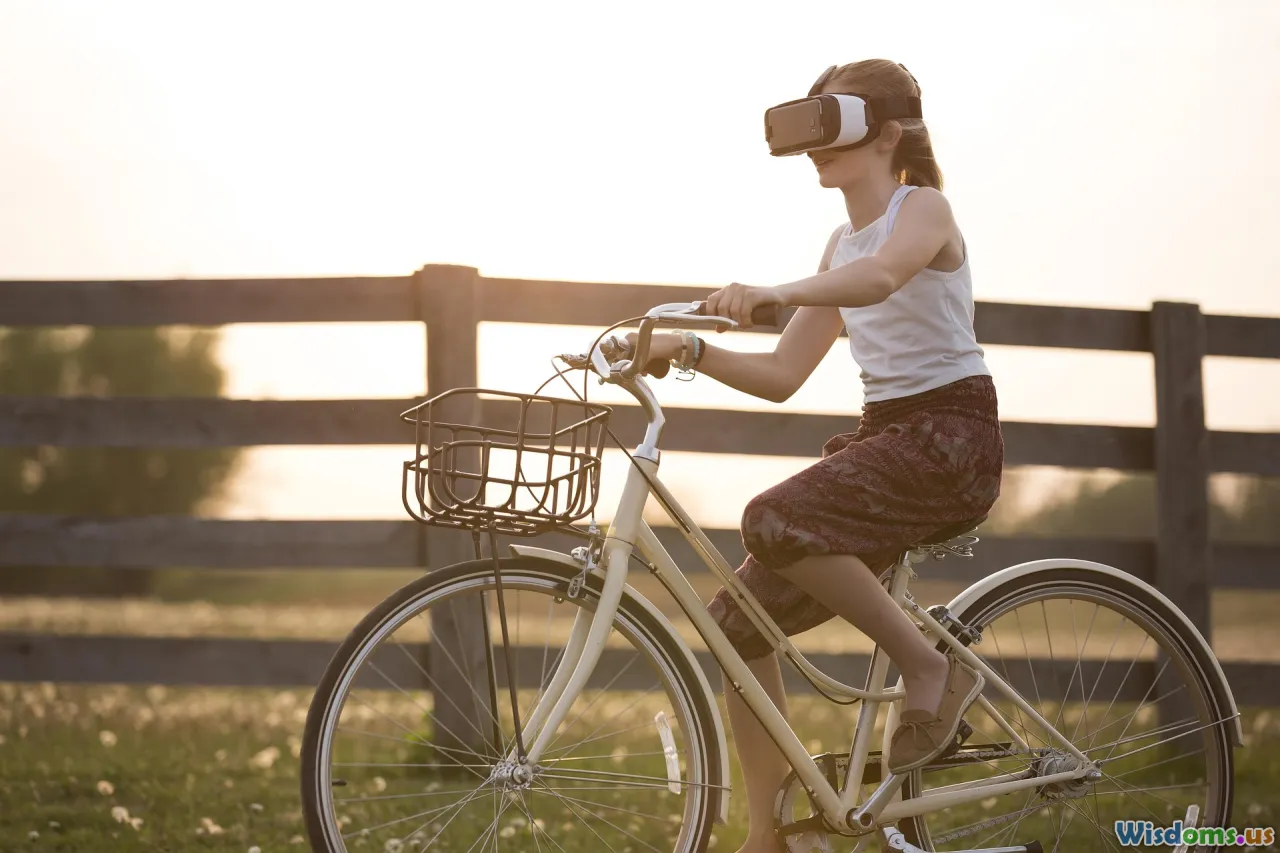
VR's educational promise lies in its ability to place learners in fully interactive environments. Gone are the days when teaching was restricted to chalkboards and textbooks. Today, institutions like Stanford and Arizona State University are integrating VR into curricula. For example, medical students use VR simulations to practice surgeries—an experience far beyond textbook diagrams or static videos. Likewise, history students embark on virtual tours through ancient Rome or Egypt, stepping into spaces that were, until recently, the stuff of imagination.
What’s making this possible is the steep decline in VR hardware costs. Devices like the Oculus Quest now retail for a fraction of what first-generation headsets did. Coupled with richer, easily distributable content, VR learning is moving from experimental to mainstream.
Classroom Learning: Enduring Strengths and Proven Results
Despite rapid advancements, classroom learning retains core benefits rooted in human connection and structure. Teachers provide immediate feedback, gauge nuanced student emotions, and adjust content delivery accordingly. Peer collaboration fosters critical communication skills, empathy, and real-world social intelligence that are still hard to replicate in the virtual world.
According to the U.S. Department of Education, face-to-face learning remains the gold standard for developing “soft skills.” Classrooms also offer stability; technology malfunctions, login issues, or accessibility gaps don’t derail learning as quickly as in digital-only spaces. Furthermore, some disciplines—particularly those focusing on debate, group discussion, or delicate subjects—are especially reliant on human nuance and presence, a domain where classroom environments excel.
Engagement and Retention: A Comparative Analysis
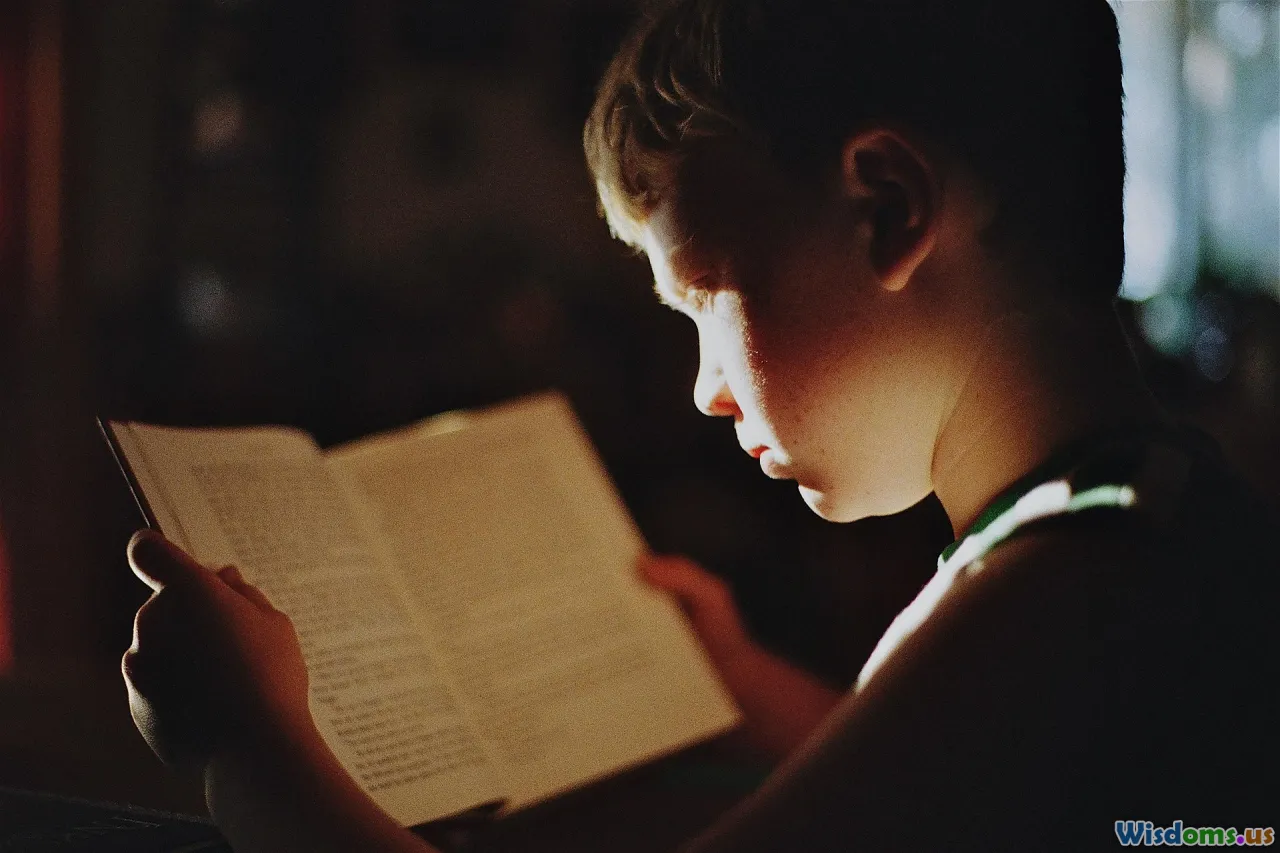
Many studies now address retention and engagement in VR versus traditional classrooms. For instance, a 2020 Stanford study found that VR learners retained 30% more information after sessions compared to those learning via PowerPoint. Why? VR reduces distractions by immersing learners and often triggers emotions through lifelike simulations, driving memory and comprehension.
However, other research notes an initial “novelty effect.” Students are deeply engaged when first exposed to VR but may lose enthusiasm as the technology becomes routine. Classroom learning, while perhaps less exhilarating, benefits from centuries of educational psychology, balancing rigor, discussion, and review to cement knowledge over time.
Case in point: In a pilot at Georgia State University, business students using “virtual internships” in VR showed higher engagement, but thorough assessments showed the best outcomes among blended learners who combined both VR experiences and traditional instruction.
Accessibility and Equity Considerations
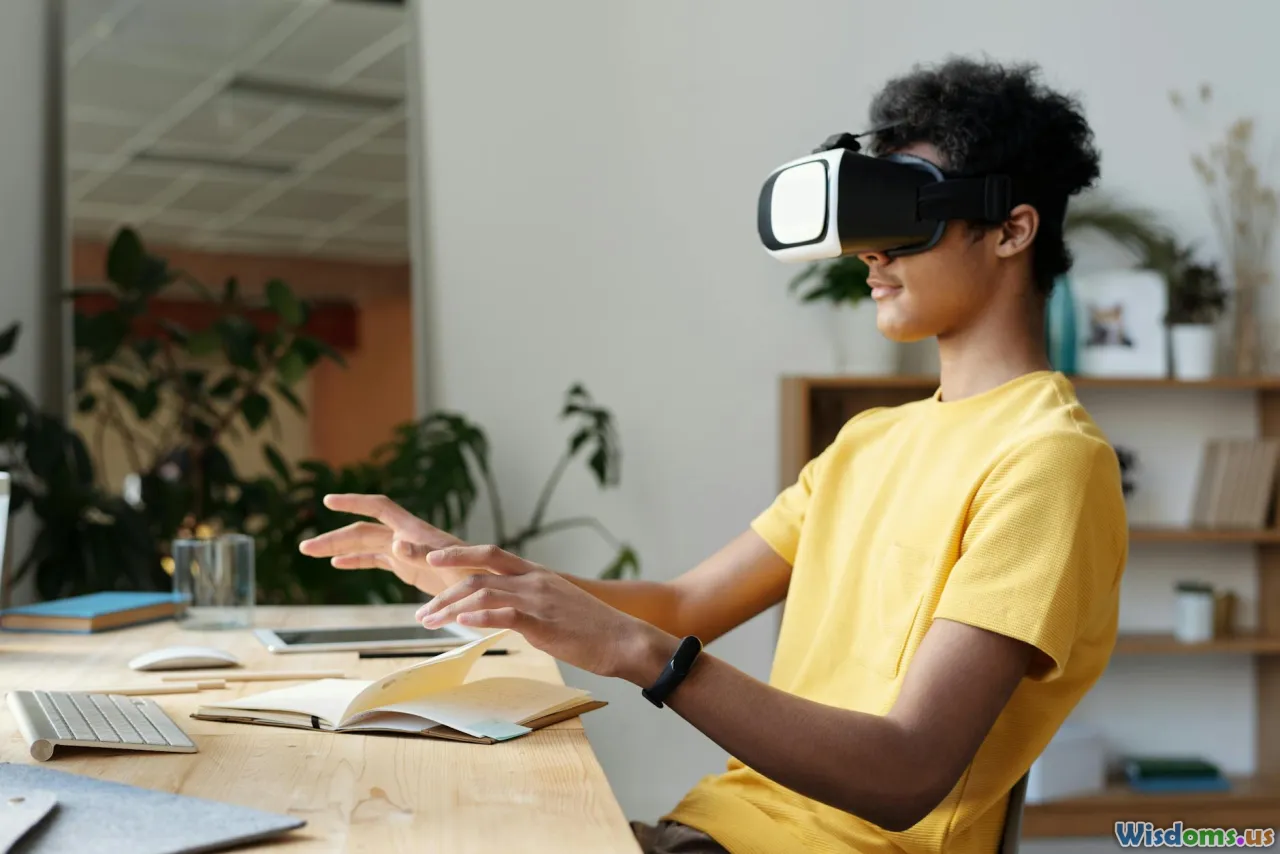
While proponents hail VR as a democratizer, critics caution about accessibility gaps. Not every school can afford VR headsets. Rural or underfunded districts may prioritize basic infrastructure instead. Even where resources exist, some students are susceptible to motion sickness in VR, and children with visual or auditory impairments may face new hurdles.
Classroom learning, for all its limitations, is generally more accessible. In-person teaching can adapt more fluidly to special needs through modified assignments or teacher interventions. For VR to truly level the playing field, significant investment in hardware, software, and adaptive accommodations is necessary.
Personalized and Experiential Learning in the Virtual World

One of VR’s most celebrated features is instant, immersive personalization. Advanced VR platforms adapt in real-time to learner mistakes, offering practice until mastery—a model difficult to replicate even in small classroom settings. Complex concepts, such as atomic modeling in chemistry or biomechanics in sports science, become tangible and interactive with VR manipulations.
For instance, Google Expeditions lets teachers take students on virtual field trips around the globe within minutes. Similarly, VR chemistry labs like Labster allow students to perform risky or expensive experiments safely, at scale, with automated feedback. Such high-impact, experiential learning is uplifting outcomes in STEM, especially where physical resources are limited.
Compare this to classrooms: while good teachers modify instruction, they often do so within strict time constraints and variable class sizes, limiting the degree of individualization possible.
Social Learning and Emotional Intelligence Development

Social skills remain a critical pillar of education. Classroom setups encourage spontaneous exchanges, group projects, and subtle non-verbal communication. These interactions underpin not just knowledge transfer but team dynamics and conflict resolution skills well-suited to face-to-face environments.
That said, VR is making strides. Multiplayer educational scenarios are fostering collaboration in virtual spaces. Startups like ENGAGE and AltspaceVR host virtual roundtables and teamwork challenges, offering safe spaces for shy or anxious students to find their voice. VR even enables role-playing exercises—for example, simulating difficult conversations in language learning or nursing.
However, physical presence still fosters empathy more organically. Physical cues—eye contact, posture, tone—carry immediate, subconscious impacts that current VR avatars, no matter how advanced, cannot fully replicate yet.
Limitations and Pitfalls of VR Education
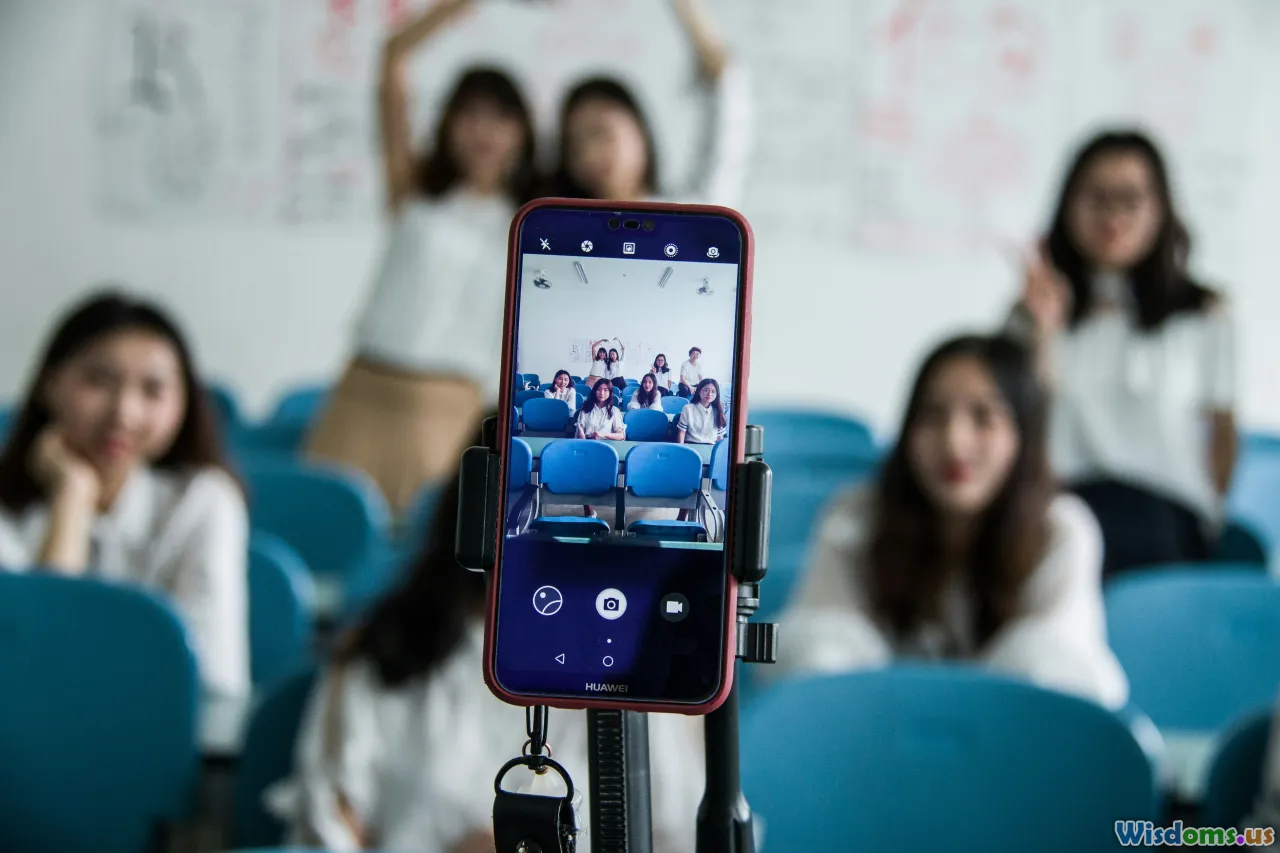
Every innovation brings new challenges. VR is no exception. Prolonged headset use may cause eyestrain, fatigue, or disorientation—particularly among younger children. According to an MIT study, over 35% of students in trial classes reported some discomfort after 20 consecutive minutes in VR, compared with less than 5% experiencing fatigue in a standard classroom.
Moreover, VR's content library, while growing, is still narrow compared to century-old teaching resources. Content development is costly and requires ongoing updates, meaning curricula risk becoming obsolete if institutions cannot keep up with rapid technological change. There are also concerns about privacy, data security, and the social implications of replacing face-to-face exchanges with mediated ones—especially for children.
Classroom learning, for all its constraints, poses far fewer physical or mental health issues related to the medium of delivery. It is tried-and-true, and fewer systemic changes are needed to scale or sustain it.
Hybrid Models: Blending the Best of Both Worlds
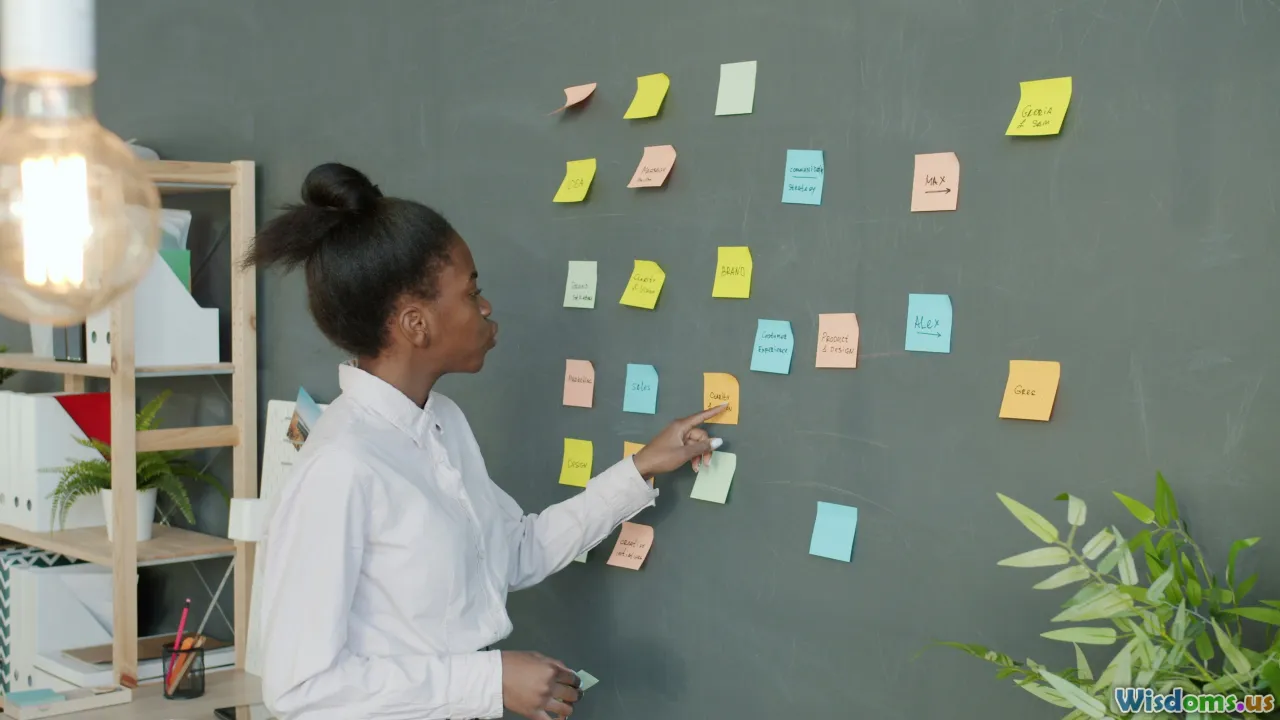
Recognizing the unique assets and limitations on both sides, leading educators now champion hybrid approaches. Blended learning—even before VR—emerged as an effective way to deepen understanding. With VR in the mix, students might attend in-person lectures and discussions while using virtual labs or exploration modules to reinforce or extend lessons.
Consider the example of Case Western Reserve University Medical School, where VR anatomy programs supplement—but do not replace—physical dissection and traditional instruction. Feedback shows students have greater confidence performing procedures but still return to human cadavers and live instructors for nuance.
Similarly, K-12 districts in Finland and Singapore deploy VR for science fieldwork and language immersion, while reserving classroom time for core skill mastery, debate, and personalized remediation.
Tips for Schools and Educators Transitioning to VR

Transitioning to or integrating VR can seem daunting, but evidence-based strategies help ensure quality outcomes:
- Start small: Pilot VR for specific subjects where experiential learning is transformative (e.g., STEM labs, geography).
- Invest in teacher training: Successful use hinges on educators who can design VR-rich lessons, manage tech modifications, and help troubleshoot.
- Provide alternatives: Not all students will thrive in VR. Maintain traditional options, especially for children with sensory concerns or accessibility needs.
- Solicit and act on feedback: Establish regular review cycles to integrate student and instructor feedback into future program design.
- Balance screen time: Limit VR sessions per health guidelines, blending with physical activity and social interaction.
By carefully calibrating VR’s introduction and maintaining core classroom strengths, schools can maximize student engagement and minimize downsides.
The Road Ahead: Innovation Without Replacement
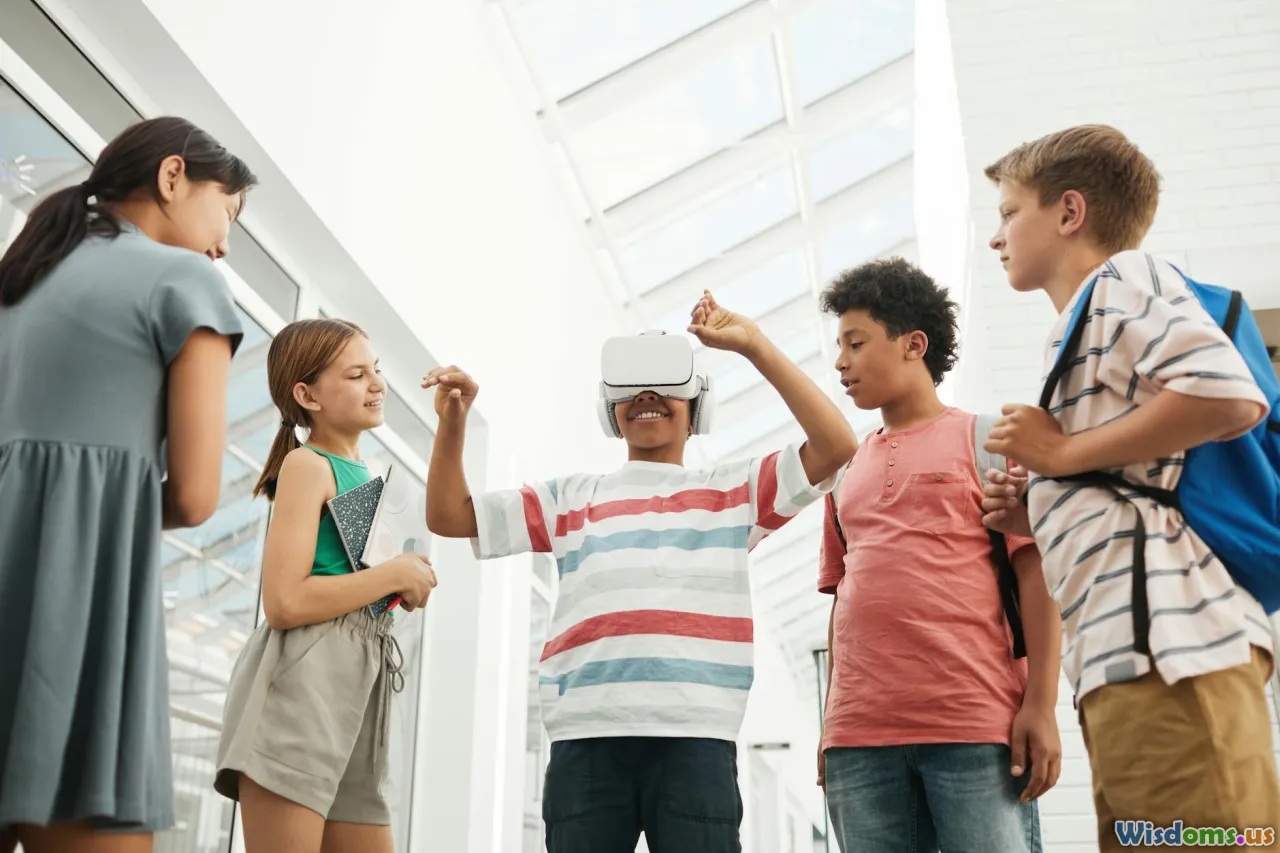
VR's capacity to revolutionize what and how we learn is undeniable. Yet, as education evolves, one thing is clear: no single approach fits every student, subject, or society. Classroom learning retains power in socialization, ethical grounding, and critical human development. VR, meanwhile, can magnify and modernize learning, offering possibilities limited only by imagination.
The most promising path isn’t one of replacement but thoughtful integration. As technology advances and becomes more accessible, expect education to become more personalized, experiential, and boundaryless. Whether cycled between a headset and a chalkboard or digitally traversing worlds from a tiled classroom floor, the future points to a blend—one where each method makes the other stronger, and learners everywhere reap the greatest benefit.
Rate the Post
User Reviews







Popular Posts