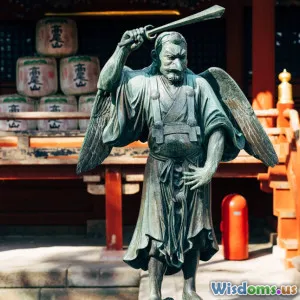
The Curious Story Behind the Mischief of the Trickster Susanoo
28 min read Discover how Japan’s storm god Susanoo shifts from prankster to protector through the Amaterasu cave and Yamata no Orochi tales, revealing Shinto ideas of order, chaos, and renewal. (0 Reviews)
On a humid summer afternoon in western Japan, a festival serpent glides down a village street. Its eight paper-mâché heads snap and coil in rhythm to drums as children squeal and elders smile, remembering what the serpent once stood for: an old story of a storm god who caused chaos, paid a price, and then redeemed himself by killing a monster and offering a sword. That storm god is Susanoo, one of Japan’s most intriguing tricksters. His mischief was never just mindless troublemaking; it was a force that tested the boundaries of order and, paradoxically, helped create it.
Born From Purification: How a Storm God Enters the Story
In Shinto myth, Susanoo is born not from a womb but from a ritual. After the creator deity Izanagi returns from the underworld and performs a purification bath known as misogi, three major kami emerge: from his left eye, the sun goddess Amaterasu; from his right eye, the moon deity Tsukuyomi; and from his nose, the stormy Susanoo. The birthplace matters. Purification is an act of renewal, a reset button for reality. To be born from it means each sibling embodies a cosmic principle that resets the world: light, calm night, and turbulent wind and sea.
The sibling dynamic lays groundwork for everything to come. Amaterasu rules the heavenly plain. Tsukuyomi presides over the cool night. Susanoo is tasked with the ocean, storms, and the borders between realms. But he resists his assignment. The oldest texts, compiled as the Kojiki in 712 CE and the Nihon Shoki in 720 CE, describe Susanoo’s refusal: he weeps, rages, and refuses to settle. This is not a tantrum in the modern sense; it is mythic code. The god of boundaries, change, and weather literally cannot sit still.
Two details from the sources anchor his character early on:
- He longs for his deceased mother, Izanami, a subterranean longing that tethers him to the underworld and loss. Storms, after all, are grief made sky.
- His temper is kinetic. Breaking things and crossing taboos are not incidental; they are how he tests and reveals the limits of cosmic order.
Read this as a thesis statement: Susanoo is the fault line where necessity and disruption touch.
Why the Storm God Wept: Mischief as Grief and Boundary-Crossing

In the Kojiki, the angry, crying Susanoo is banished from the heavens. The reason is often summarized as his unruly behavior, but the motivation is older and stranger: he wants to descend to the underworld to see Izanami. In a tradition that prizes harmonious cooperation among kami, this is a profound breach. He wants to reverse the arrow of time, to bring the lost into the present.
Storm gods in many traditions flirt with the edges of taboo. They make loud, visible moves against established order: lightning splits trees, wind tears roofs, squalls erase paths. Susanoo’s mischief follows this pattern, but with a twist. He doesn’t just lash out; he repeatedly crosses boundaries—between life and death, heaven and earth, sibling respect and rivalry. His weeping is a signal of excess, a mythic way of saying the border is under strain.
Two interpretive insights help decode the weeping storm god:
- Boundary-seeking behavior: As a deity of the sea and weather, Susanoo belongs to thresholds—the shore, the sky’s changeable edge, the portals between life and death. His desire to go to the underworld is a literalization of his essence.
- The social cost of liminality: Societies need boundaries to function. In myth, boundary-pushers are essential but dangerous. Susanoo’s exile is society’s response—a ritualized act that preserves the center by sending the storm to the margins.
This sets up his most infamous episode: the day he turned the lights out on heaven.
The Daylight Disappeared: From Vandalism to the Cave of Amaterasu
Before his final banishment, Susanoo asks to bid farewell to Amaterasu, promising he intends no harm. He proposes an oath-ritual in which they exchange sacred objects. Depending on the source, Amaterasu chews Susanoo’s sword, giving birth to three goddesses, while Susanoo chews her magatama jewels, producing five male deities. Who owns the newly born deities becomes a point of pride and ambiguity, and in the wake of the oath, Susanoo spirals.
He tears up rice fields, scatters excrement in sacred spaces, and, in a transgressive climax, flays a piebald heavenly horse and hurls it into Amaterasu’s weaving hall. The weaving maiden dies in the chaos. It is a ritual catastrophe: desecration in a sacred workshop of culture. Weaving represents order, pattern, and civil life. To wreck the loom is to unmake society.
Amaterasu retreats into the Heavenly Rock Cave, sealing herself inside. Daylight vanishes. The deities panic. Their solution is as famous as it is theatrical: Ame-no-Uzume dances wildly upon an upturned tub, the gods laugh at her bawdy, joyous performance, and Amaterasu peeks out, curious. The deities thrust the Yata no Kagami mirror before her; she sees her own light and steps forward. A sacred rope, the shimenawa, is stretched across the cave mouth to prevent her from returning.
Notice what this episode adds to Susanoo’s mischief:
- It triggers crisis and creativity. Without his offense, there is no dance, no mirror, no sacred rope—no origin story for essential Shinto symbols.
- It exposes the fragility of order. A single transgressive act in a sacred space darkens the world.
Susanoo is punished. Banishment follows, not as mere exile, but as a narrative pivot. Storms are cast out of heaven and sent to the borders—to the sea-coasts and riverlands where they will become, surprisingly, useful.
Exile and Reinvention in Izumo: The Storm Comes Ashore
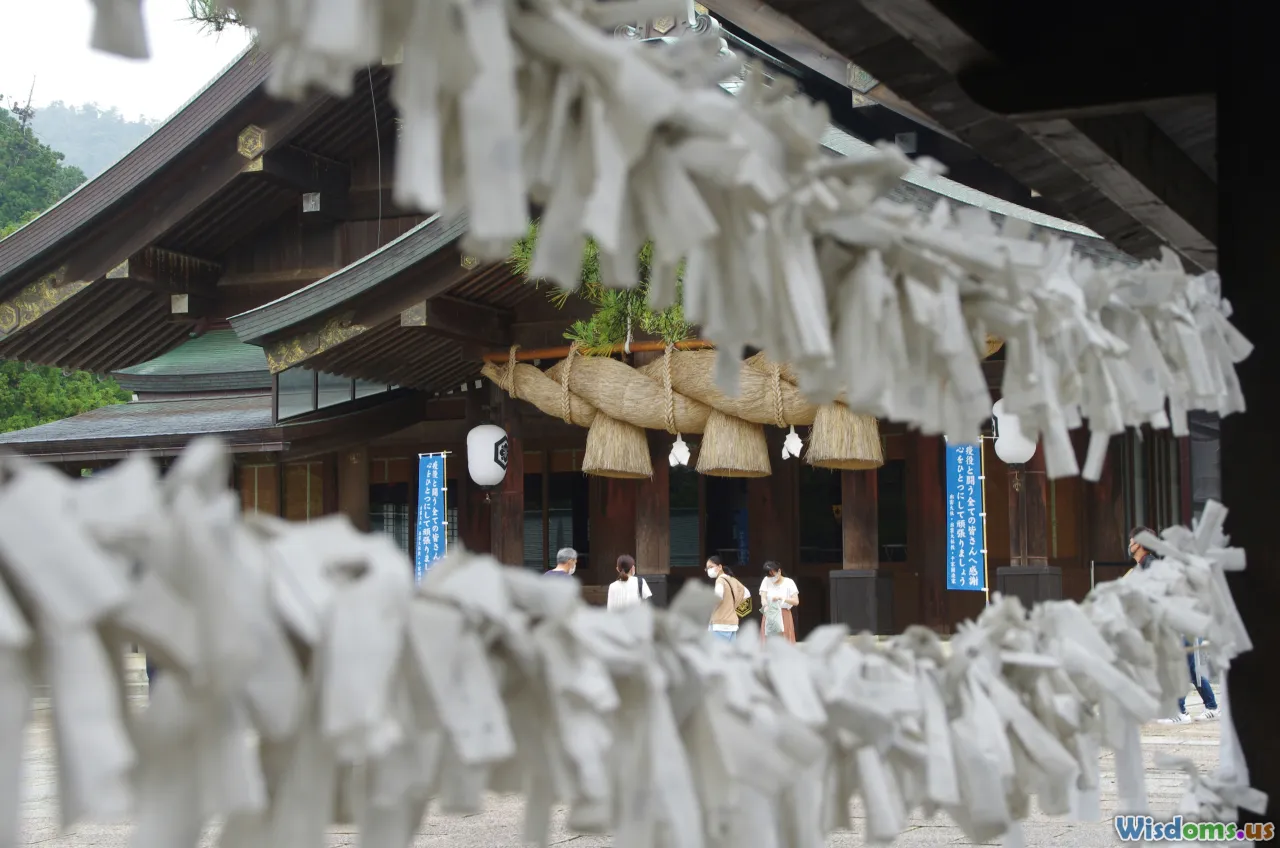
Susanoo lands in Izumo, a region where many earthier, local myths are rooted. The Izumo cycle often emphasizes practical concerns—agriculture, river taming, boundaries for community life. In this setting, Susanoo’s wildness meets a different test: can a boundary-breaker become a boundary-maker?
The story quickly shifts tone when he encounters a weeping family: Ashinazuchi and Tenazuchi, whose eight daughters have been devoured, one per year, by the eight-headed, eight-tailed serpent called Yamata-no-Orochi. One daughter remains: Kushinada-hime. The monster’s approach is scheduled, predictable—a ritual devouring that drains the land’s future. This isn’t heavenly politics; it’s a village crisis.
Here, Susanoo acts with uncharacteristic forethought. He offers protection and marriage to Kushinada-hime. She is transformed into a comb tucked into his hair—a charming, concrete image of trust and companionship—and he sets about planning a trap. Even the details are practical: he directs the family to build a fence with eight gates and to brew a powerful sake called Yashiori no sake. When Orochi arrives and drinks from the eight vats, the serpent collapses into drunken stupor. Susanoo cuts the heads and tails, and when his blade chips against the final tail, he discovers a sword within the serpent’s body: Ama-no-Murakumo-no-Tsurugi, later famed as Kusanagi.
This shift from vandal to strategist is crucial. He doesn’t merely swing a sword; he plans logistics, recruits locals, and leverages known tastes of the enemy. It’s mischief redeployed as method.
The Eight-Headed Serpent and the Eight Vats of Sake: Anatomy of a Monster-Slaying
Yamata-no-Orochi is unforgettable in the texts. Its eyes blaze like red winterberries, its length spans eight valleys and mountains, and moss and trees grow on its back as if nature itself got tangled into a single living river of dread. As scholars often note, the serpent resembles a flood-swollen river system: eight tributaries, many coils, a taste for devouring the land’s yield. The defeat of the serpent resembles a flood-control ritual retold as heroic myth.
Susanoo’s plan is meticulous:
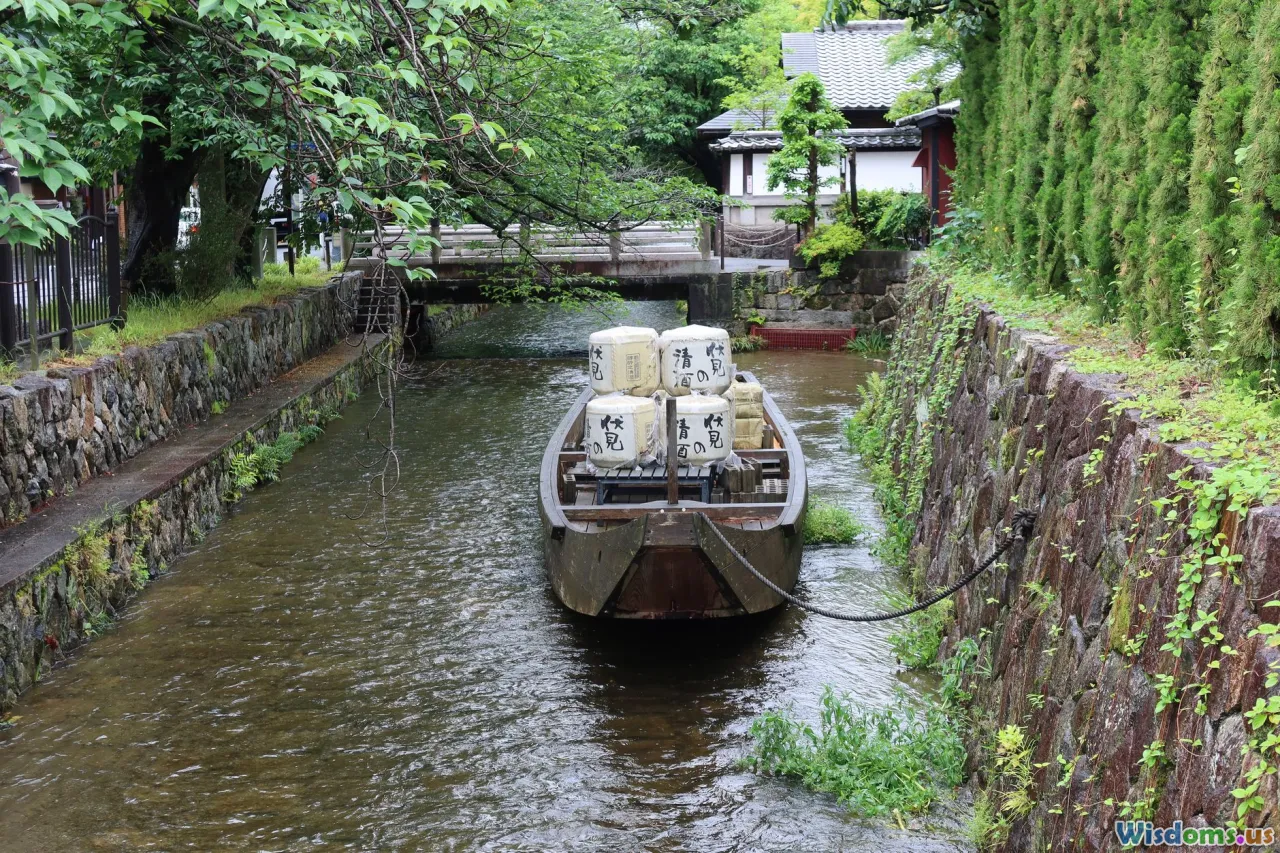
- Infrastructure: Build eight gates, eight platforms, with eight vats of sake. This creates a stage where each head meets its own temptation. It is a hydrological diagram in disguise—each head is a branch of chaos diverted to a sealed container.
- Local technology: The sake is not generic. Yashiori is strong and aged, a nod to brewing expertise in the region and to ritual potency. Strong drink pacifies the raging tributaries.
- Tactical patience: Susanoo waits for intoxication. Then he acts in rhythm, striking head after head as the serpent becomes sluggish. Violence is present, but it is sequenced and controlled—storm energy with a blueprint.
When he finds the sword in the tail, he sends it to Amaterasu as restitution. This is more than a gift; it is a re-linking of sibling trust and, symbolically, a rebalancing of heaven and earth. The sword will become one of the Three Sacred Treasures of Japan, alongside the sacred mirror and the magatama jewel, threads that all lead back to the earlier crisis he caused.
Kusanagi later gains its grass-cutting name in tales of the hero Yamato Takeru, but its origin is Susanoo’s victory over the serpent—a marriage of craft and force yielding a tool of civilization.
From Trickster to Culture Hero: What Susanoo Gives Back

After the serpent’s defeat, Susanoo settles in Suga, erecting a palace and composing a compact, elegant poem often recognized as one of Japan’s earliest:
Many clouds rise In Izumo; I build an eightfold fence An eightfold fence for my bride to dwell in— Oh, that eightfold fence.
The lines matter. Fences, like weaving, are civilizational. To fence is to create a boundary that shelters intimacy and community. The storm god who broke things now builds a home. The number eight repeats, echoing the serpent’s heads and the eight vats of sake, but also pointing to multiplicity and abundance.
From here, Susanoo’s profile shifts toward culture hero:
- He contributes to the Imperial Regalia through the sword he discovered. The mirror and magatama from earlier episodes align with the sword to symbolize sovereign legitimacy and balanced order.
- He marries Kushinada-hime, weaving together local Izumo lineages and the wider heavenly pantheon in the narrative. Through later genealogies, Susanoo’s line connects with deities like Ōkuninushi, a key figure in Izumo myth and land development tales.
- He demonstrates restorative justice. After cosmic vandalism, he enacts concrete reparations: gifting the sword, defending the vulnerable, and establishing a dwelling.
Seen this way, the mischief was a raw, unchanneled capacity that—when matured—becomes the energy of building, protecting, and giving. Tricksters don’t just prank; at their best, they prototype new forms of order.
How Tricksters Work: Susanoo Beside Loki, Hermes, and Coyote

The trickster archetype roams world myth. Comparing Susanoo with others reveals both common wiring and unique features that illuminate Japanese tradition.
Shared traits:
- Boundary crossing: Hermes steals Apollo’s cattle, Loki shape-shifts out of traps, Coyote transgresses taboos. Susanoo violates sacred space and shifts from heaven to earth.
- Ambivalent morality: Tricksters expose the limits of rules, sometimes helping, sometimes harming. Their value lies not in goodness but in revealing structure.
- Creative fallout: Their pranks generate artifacts or practices: Hermes invents the lyre; Anansi delivers stories; Susanoo triggers the mirror, shimenawa, and the Imperial sword’s emergence.
Distinctive Susanoo notes:
- Movement from vandal to benefactor: Loki, for instance, rarely stabilizes; he catalyzes the twilight. Susanoo reforms in Izumo, marrying, building, and protecting. He becomes a local guardian.
- Integration into state mythology: Through the regalia and imperial legitimacy, Susanoo’s narrative is woven into political theology. He is not only a clown but an ancestor of order.
- Earthbound problem-solving: The Orochi episode reads like hydraulic engineering mythologized, a grounded pivot from celestial drama to agrarian pragmatics.
The comparison underscores why Susanoo remains compelling: he contains the storm and the shelter in one persona.
Reading the Kojiki and Nihon Shoki Like a Detective
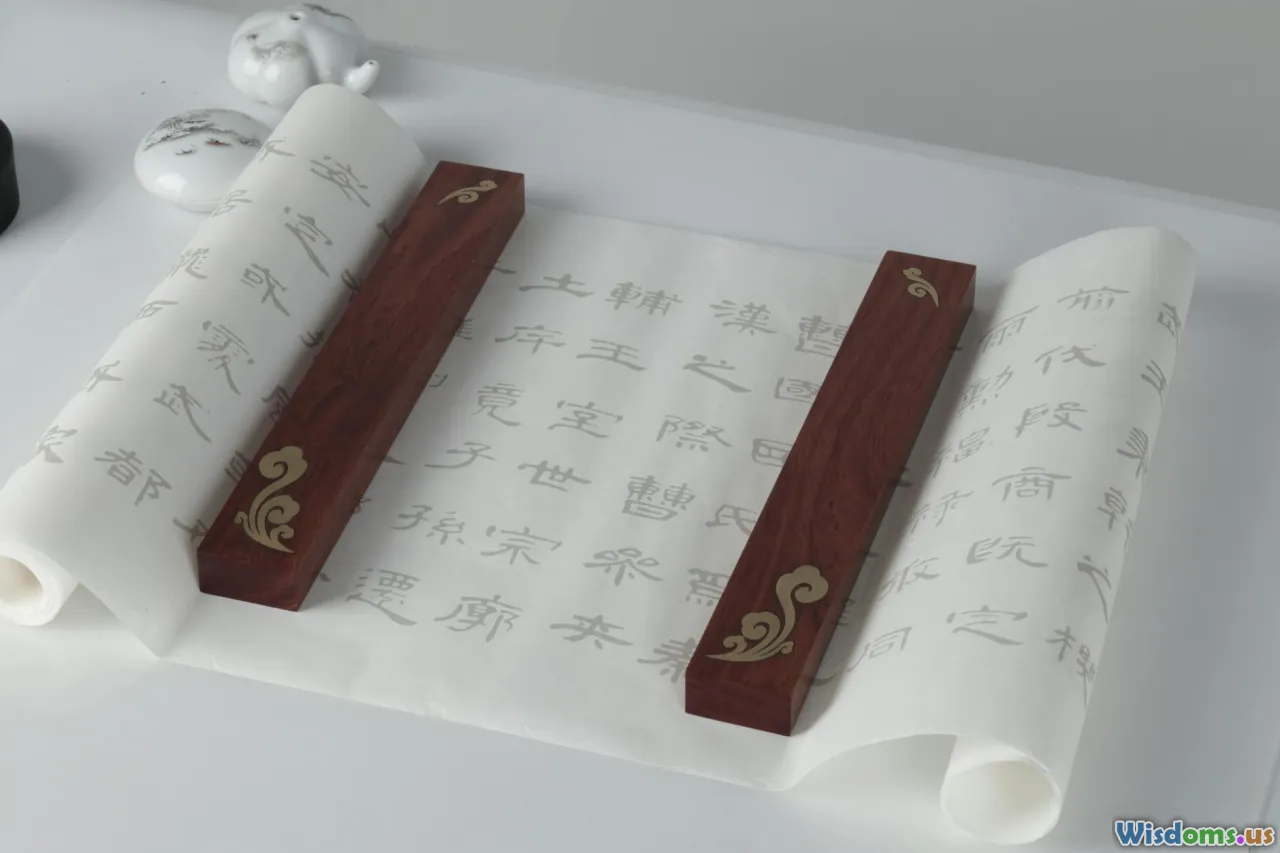
Two early chronicles are our main windows into Susanoo: the Kojiki (712), compiled by Ō no Yasumaro from recitations attributed to Hieda no Are, and the Nihon Shoki (720), overseen by Prince Toneri and court scholars. Both are state projects, designed to bolster imperial lineage and ritual coherence, and both preserve variant tales.
How to read them productively:
- Look for variants, not a single canon. The Nihon Shoki often records multiple versions of the same episode, reflecting regional cults or interpretive disagreements. When you see a contradiction—say, who claims credit for deities born from the oath—treat it as a cultural conversation, not a mistake.
- Note political function. These books situate Amaterasu at the apex of legitimacy. Stories that discipline Susanoo’s excess serve a stabilizing agenda. His redemption is doubly important: it reconciles a powerful outsider figure with central authority.
- Track ritual clues. Episodes explain practices: the dance that lured Amaterasu out becomes a mythic origin for kagura; the shimenawa rope at sacred sites echoes the cave mouth barrier. Myths are often reverse-engineered explanations for living rites.
- Cross-check with local traditions. Izumo shrines and festivals preserve emphases you may not see in centrally edited texts, like Susanoo’s role as protector against pests, floods, and disease.
Reading like a detective means asking what a story does in the real world: who it binds, what it justifies, and which local practices it encodes.
Rituals, Rope, and Sake: Cultural Echoes You Can Still See
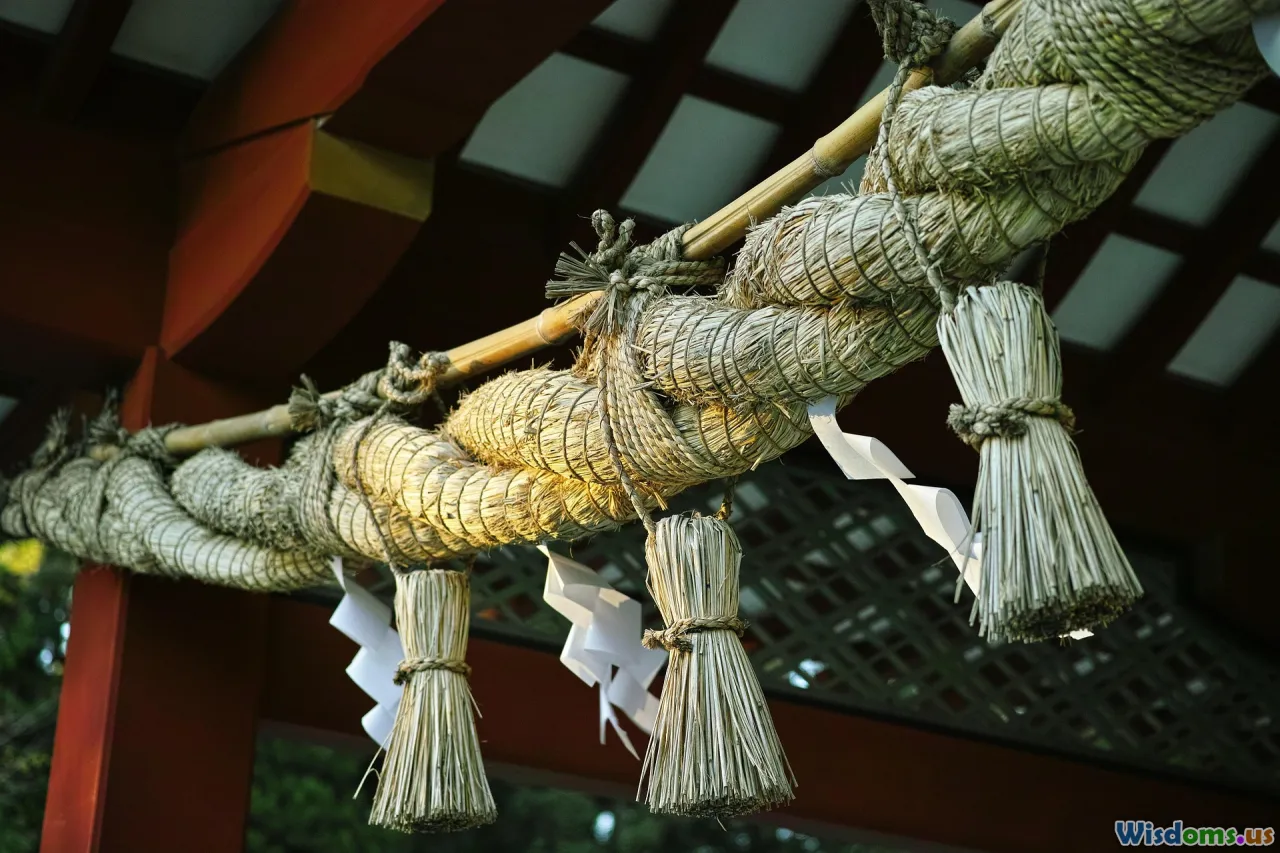
Myth lives on in wood, rope, yeast, and dance across Japan.
- Shimenawa: The thick rice-straw rope you see draped at shrine entrances marks a threshold, directly recalling the rope that sealed the cave and codified a boundary no one should cross. Some regions craft massive shimenawa that require teams to twist and hoist, a tactile reenactment of collective boundary-making.
- Kagura: Traditional sacred dance, with roots in Ame-no-Uzume’s performance, remains a staple of shrine festivals. In western Honshu, Iwami Kagura troupes perform the Orochi dance with eight coiling serpent costumes. Smoke, drums, and precise choreography turn a monster-slaying into community theater that affirms shared values: preparation, courage, and cleverness.
- Sake: Yashiori no sake, the serpent-vanquishing brew, points to the prestige of strong, well-matured liquor in ancient ritual. Today’s sake culture still explores aging, rice polishing, and yeast selection as arts of refinement. Brewers sometimes craft limited editions named for Orochi or Susanoo, fusing myth branding with artisanal pride.
- Mirrors and jewels: The Yata no Kagami and magatama jewel, displayed ritually rather than publicly, remind practitioners that identity is a reflection (mirror) held within enduring bonds (jewel). Even tourist trinkets echo these sacred forms.
A myth’s success is measured by how many of its props and moves turn into everyday symbols. By that standard, Susanoo’s mischief and repair were wildly successful.
Visiting the Landscape of Susanoo: A Practical Mini-Guide
If Susanoo’s story grabs you, the Izumo region in Shimane Prefecture offers a living classroom where narrative and place meet.
Key sites:
- Susa Shrine (Susa Jinja): Located in the countryside outside Izumo, this shrine venerates Susanoo. It’s a quiet place where the storm god feels like a guardian of fields and families. Look for old trees and local stonework.
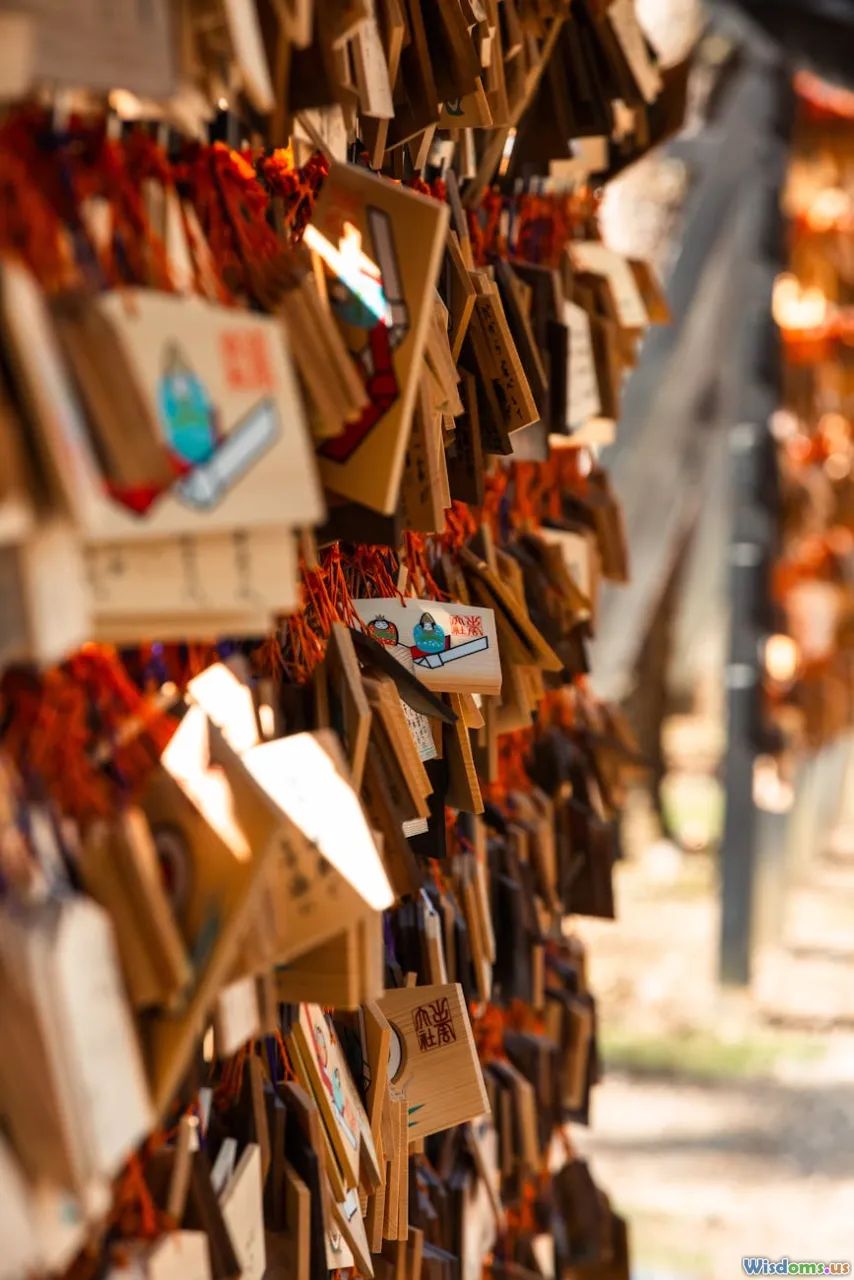
- Yaegaki Shrine (Matsue): Dedicated to Susanoo and Kushinada-hime, this shrine features the Mirror Pond where visitors float paper fortunes. The name yaegaki (eightfold fence) directly references Susanoo’s poem, turning verse into geography.
- Kumano Taisha (Matsue): An important shrine that enshrines Susanoo, with stately architecture and deep connections to regional ritual. Attend a festival if your schedule allows.
- Izumo Taisha (Izumo): While primarily associated with Ōkuninushi and the gathering of deities, the shrine’s festivals and surrounding lore resonate with the broader Izumo mythic web that includes Susanoo.
When to go:
- Autumn is rich with festivals, crisp air, and clear views. The 10th lunar month—known as the month when deities gather in Izumo—is especially atmospheric.
How to show respect at a shrine:
- Purify: Rinse hands and mouth lightly at the temizuya basin.
- Offer: At the main hall, toss a small coin into the offertory box.
- Bow and clap: Two deep bows, two claps, a silent wish or thanks, and a final deep bow. Follow local signage; some shrines have slightly different customs.
- Observe quietly: Photography may be restricted in inner precincts. Ask or look for posted rules.
Practical travel tips:
- Access: Fly into Izumo Enmusubi Airport or take the JR San’in line to Izumo or Matsue. Local trains and buses connect shrines, though renting a car makes rural sites easier to reach.
- Timing: Plan extra time for smaller shrines; part of their charm is the slow approach through rice fields or cedar groves.
- Learn a line: Memorize a phrase from Susanoo’s poem. Whispering the eightfold fence verse under old pines turns sightseeing into participation.
Leadership and Creativity Lessons from a Storm God

What can a mischief-making deity teach about everyday practice? More than you might expect.
Channel raw energy into sequence:
- Susanoo’s shift from tantrum to tactic in the Orochi episode is a masterclass in pacing. Before you launch a new idea, make your eight vats—tools, allies, deadlines—so your strike lands on time.
Repair relationships with restitution, not words:
- After destruction, Susanoo doesn’t just apologize; he gives the sword to Amaterasu. When trust is broken, propose a concrete gift to the shared mission: a deliverable, a protocol, a resource.
Turn a vice into a method:
- The same personality that desecrated a weaving hall designs a community trap that saves a life. Inventory your wild traits—impatience, intensity—and reframe them as assets with structure.
Make a fence for what matters:
- Susanoo’s poem is about boundaries that protect joy. Define your eightfold fence: the minimal rules that safeguard focus—no-email hours, device-free meals, a closed door for deep work.
Learn from local experts:
- He listens to Ashinazuchi and Tenazuchi, taps into regional brewing knowledge, and wins. Stop assuming your best idea will be imported. Co-create with the people who live with the problem.
Ritualize the reset:
- The myth begins in misogi, a purification. Build recurring resets into your calendar—weekly reviews, quarterly off-sites—so chaos recycles into clarity.
Respect the weaving hall:
- The greatest harm in the heavenly vandalism is not the broken tools but the desecration of a creative space. Establish and protect sacred spaces where making happens: studios, labs, even a well-organized desk.
The Trick Behind the Trickster: Why Susanoo Endures

Susanoo’s story is a study in conversions. Grief turns into mischief. Mischief turns into crisis. Crisis turns into invention. And finally, invention becomes tradition. Whether you approach him as storm god, border-crosser, or repentant hero, you find a figure who teaches that order is not the absence of chaos but the art of redirecting it.
In a world still governed by floods and droughts, by unseen pressures and sudden breaks, the old trickster from Izumo offers a usable past. He warns against desecrating the places where culture is made; he models how to rebuild trust with meaningful gifts; and he leaves behind a small, memorable poem that says more than a thousand maxims: build a fence for what you love.
When next you watch a festival serpent surge through a street, note the hands within the coils, the careful steps, the rehearsed turns that make awe from paper, cords, and sweat. Somewhere inside that choreography is Susanoo, mischief refined into mastery, carrying a sword once hidden in a monster’s tail and a fence drawn around a life worth keeping.
Rate the Post
User Reviews
Other posts in Religion & Spirituality


Popular Posts