
Adopting Senior Dogs Benefits You More Than You Think
25 min read Discover why adopting senior dogs is life-enriching: calmer companions, lower training needs, health insights, and real savings—plus how older pups boost well-being and fit busy lifestyles. (0 Reviews)
If you picture adopting a dog and immediately think of puppies, you’re not alone. But there’s a quietly perfect match waiting in nearly every shelter: the senior dog. These frosted-muzzle companions offer a unique blend of calm predictability and deep gratitude—and, surprisingly, they can enrich your life in ways that ripple far beyond the living room. From your daily routine to your mental and physical health, adopting an older pet isn’t just compassionate. It’s smart, sustainable, and soul-nourishing.
Why Senior Dogs Are Secretly the Easiest Roommates

Ask most adopters why they chose a senior dog and you’ll hear the same theme: ease. Older dogs typically arrive with well-established house manners. They’ve moved beyond the chewing-everything phase, they don’t turn 2 a.m. zoomies into a lifestyle, and they’re usually past the stage where they test every rule just because they can.
Real-world perks you’ll notice almost immediately:
- Predictable temperaments: What you see is what you get. Seniors show their true personality, energy level, and quirks during meet-and-greets—no guessing how a tiny puppy will act in three years.
- Often house-trained: Many senior dogs have lived in homes before, meaning fewer accidents and a faster transition into your routine.
- Calmer energy: Older dogs generally need gentler, shorter play sessions and walks, which pairs well with busy schedules or work-from-home life.
- Lower destruction risk: Your furniture, shoes, and floors will likely thank you.
This predictability is priceless if you have kids, roommates, cats, or a packed calendar. Instead of months of intense management and training, you get to focus on bonding, small tweaks, and settling into a peaceful rhythm.
The Science-Backed Benefits for You

The bond with a senior dog pays measurable dividends. Research has linked time with dogs to decreased stress markers and better heart health. A 2019 study found that a brief, calm interaction—think petting and gentle conversation for 10 minutes—can reduce cortisol, a key stress hormone. Other studies show dog owners are more likely to meet daily activity goals; one often-cited analysis found they’re significantly more likely (in some reports, around a third more likely) to achieve recommended physical activity than non-owners.
Senior dogs amplify these benefits because they’re easy to integrate into real life. Their manageable exercise needs nudge you into regular, sustainable movement—a pair of 20-minute walks, a stroll to a coffee shop, or a lap around the block while you call a friend. Mentally, their steady presence and unhurried affection can be grounding. Many seniors are superb office mates, quietly napping while you Zoom, then reminding you to step outside when your brain needs a reset.
What “Senior” Really Means (And How Long You’ll Have)
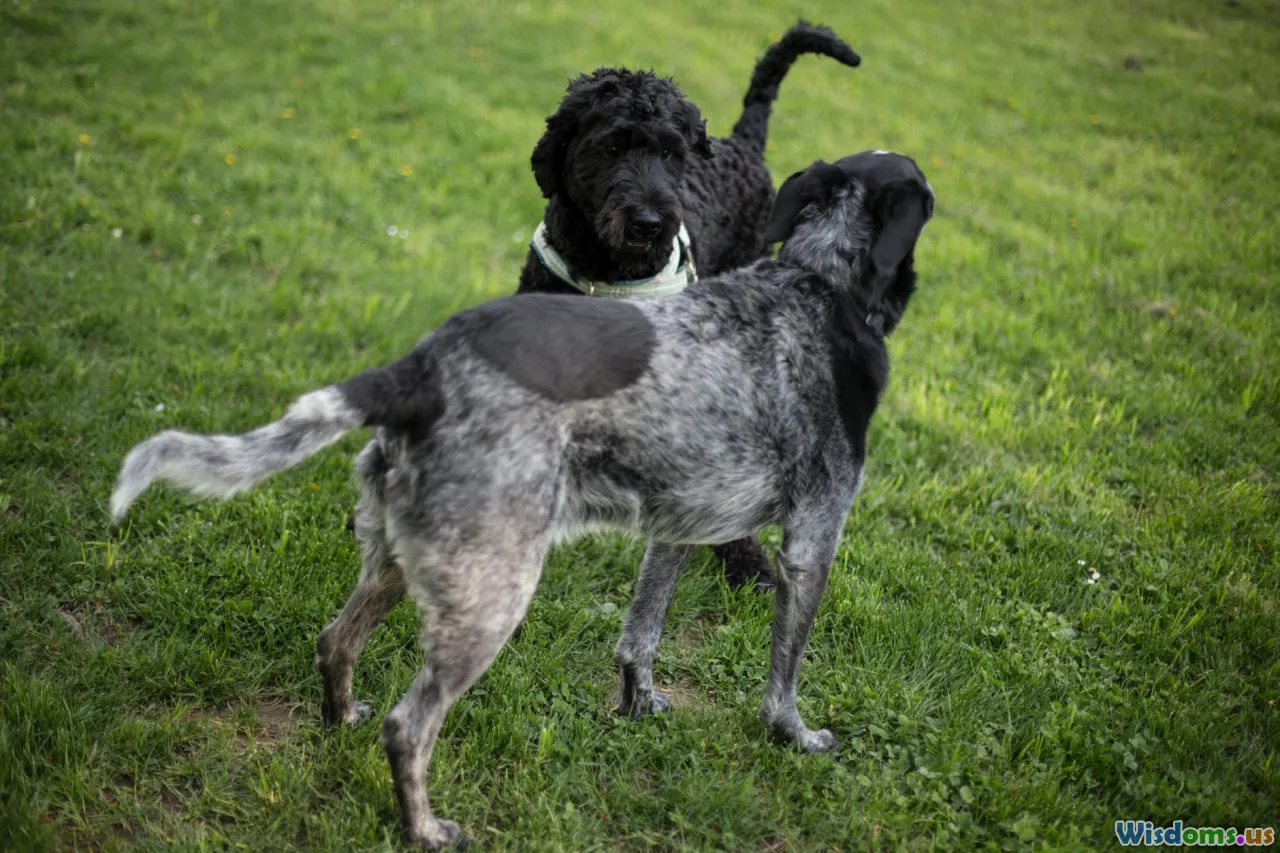
“Senior” isn’t a disease; it’s just a life stage. Most shelters classify dogs as seniors around age seven, but breed and size matter:
- Small breeds (Chihuahua, Toy Poodle): senior around 8–9; often live 12–16 years.
- Medium breeds (Cocker Spaniel, Border Collie): senior around 7–8; commonly live 11–14 years.
- Large and giant breeds (Labrador, Great Dane): senior as early as 6; lifespans average 8–12 years, with giants on the lower end.
If you adopt a 7- to 10-year-old dog, you may have many rich years together—sometimes half a decade or more, depending on size, genetics, and care. And remember: veterinary care and lifestyle changes can dramatically improve comfort and longevity in later years. Don’t underestimate the time you’ll have; adopters frequently report being pleasantly surprised by how youthful and playful their “senior” remains with the right routine.
Comparing Seniors, Adults, and Puppies: The Hidden Trade-offs

Here’s what your day-to-day looks like across life stages:
-
Time commitment
- Puppy: Potty breaks every 2–3 hours, daily training, socialization field trips, heavy supervision.
- Adult: Moderate exercise and enrichment; maintenance training.
- Senior: Shorter walks, more naps, mental games; less intensity, more routine.
-
Training intensity
- Puppy: House training, bite inhibition, basic cues, redirection from chewing.
- Adult: Fine-tuning manners.
- Senior: Polishing leash skills, adapting to sensory changes (hand signals), maintaining mental sharpness.
-
Home impact
- Puppy: Chewing, zoomies, crate training, possible property damage.
- Adult: Mostly stable.
- Senior: Usually low disruption—already house-savvy.
-
Costs
- Puppy: Vaccines, spay/neuter, training classes, possible damage costs.
- Adult: Routine care.
- Senior: More vet check-ins and dental work likely; but predictable and usually spaced-out.
For many households, the “hidden savings” with seniors—time, furniture, sleep—easily compensate for their modestly higher medical vigilance.
Real Stories: Three Households, Three Happy Seniors

-
The Remote Worker’s Dream: Javier adopted Milo, a 9-year-old Beagle mix, after deciding against a puppy during his busiest quarter. Milo settled under the desk within hours, snoozed through meetings, and asked for two leisurely neighborhood loops each day. Javier got movement breaks without the time sink of puppy training. Milo’s one quirk—stubborn door pauses—disappeared after a week of treat-based “go through” practice.
-
The Family Fit: The Ahmeds wanted a gentle dog for kids aged 7 and 10. They chose Tessa, an 8-year-old Labrador with a known history of living with children. Tessa arrived house-trained and unfazed by Lego avalanches. The family built a bedtime routine: last potty at 8:45 p.m., quiet chew, lights out. Tessa’s arthritis was managed with omega-3s and a monthly joint injection, making weekend park walks easy and fun.
-
The City Couple’s Companion: Maya and Rowan, both working long hours, adopted Finn, a 10-year-old terrier who disliked chaos. With a predictable feeding schedule, a window perch, and puzzle feeders, Finn blossomed. Their evenings shifted from screens to 15-minute scent games. The couple says Finn’s calm presence made their apartment feel like a sanctuary.
Cost Reality Check—and Smart Ways to Save
Caring for a senior dog is about budgeting wisely, not bracing for disaster. Expect these common expenses (varies by region):
- Intake vet visit: $60–$150.
- Baseline senior labs (CBC, chemistry, urinalysis): $150–$300.
- Dental cleaning (if needed): $400–$1,000, more with extractions.
- Arthritis care: $20–$100+/month depending on meds and supplements.
Adoption fees for seniors are often reduced—sometimes $50–$200—and many shelters run “Seniors for Seniors” programs with additional support.
Ways to keep care affordable:
- Plan routine, not crisis: Two vet checkups per year for seniors often catch small issues early, which saves money.
- Use prescription savings: Ask your vet if a human pharmacy can safely fill certain meds; compare prices and use discount cards where appropriate.
- Ask about generics and compounding: Many arthritis, GI, allergy, and anxiety meds have lower-cost equivalents or can be compounded into easier-to-give forms.
- Insurance and alternatives: Some insurers enroll older pets (often with age caps or exclusions). Accident-only plans are widely available. If insurance isn’t a fit, set up a dedicated pet savings fund (automatic monthly transfers are your friend) and consider wellness plans from your clinic.
- Nonprofit options: Low-cost vaccine clinics and occasional dental clinics can close budget gaps. Rescues may provide post-adoption vouchers for key care.
Health Essentials for Older Dogs

A proactive health routine turns “old” into “thriving.” Start with:
- Baseline screening: Physical exam, CBC/chemistry, urinalysis, fecal test, and heartworm/tick screening as recommended locally.
- Vaccinations: Keep core vaccines current (e.g., rabies, distemper/parvo) and follow your vet’s risk-based advice on non-core (e.g., leptospirosis, Bordetella).
- Dental care: Dental disease is rampant in older dogs. Cleanings under anesthesia can add years of comfort; follow with daily brushing or dental chews approved by your vet.
- Mobility plan: Combine weight management, omega-3s (EPA/DHA), joint supplements (glucosamine/chondroitin or green-lipped mussel), and, when needed, medications like carprofen or meloxicam under veterinary guidance. Some seniors benefit from gabapentin, physical therapy, laser therapy, or injections like Adequan.
- Sensory changes: Hearing and vision may fade. Use hand signals, textured rugs as “maps,” night-lights for dim hallways, and a predictable layout.
- Parasite prevention: Seniors still need year-round heartworm, flea, and tick control where recommended.
- Quality-of-life check-ins: Use the HHHHHMM scale (Hurt, Hunger, Hydration, Hygiene, Happiness, Mobility, More good days than bad) monthly. It helps you track comfort and spot changes early.
The First 30 Days: A Gentle Onboarding Plan

Decompression is everything. Seniors adjust quickly when the world is quiet and predictable. Try this simple roadmap:
Days 1–3: Create calm
- One room set-up: Orthopedic bed, water, toys, and a quiet corner. Keep visitors low.
- Short walks: Same route, same times. Avoid dog parks for now.
- Predictable schedule: Feed at consistent times; keep evenings calm.
Days 4–14: Build trust
- Soft structure: Add a 5-minute training session twice daily (name recognition, hand-target, gentle eye contact).
- Introductions: Meet household members one at a time; supervise interactions with kids and other pets.
- Vet visit: Schedule baseline exam and discuss prior records.
Days 15–30: Settle into life
- Expand the world: New walk routes, one at a time. Invite a calm friend for a short visit.
- Enrichment rotation: Puzzle feeders, snuffle mats, and scent games 3–4 times per week.
- Evaluate routine: Adjust meal sizes, walk lengths, and nap spots based on what your dog prefers.
The “3–3–3 rule” is a helpful mental model: three days to decompress, three weeks to learn the routine, three months to feel fully at home.
Home Setup That Makes Aging Comfortable

Transform your space with a few senior-friendly upgrades:
- Non-slip paths: Add rugs or yoga mats over slick floors to prevent slips.
- Orthopedic bed: Memory foam with bolsters supports joints and provides a secure “den.”
- Ramps and steps: For couches, cars, and beds. Introduce with treats and slow practice.
- Elevated bowls: Reduce neck strain; check height so your dog eats comfortably.
- Lighting: Night-lights in hallways; a small lamp by favorite sleeping spots.
- Temperature control: Seniors run chilly; offer a warm bed and avoid drafts.
- Bathroom access: A final quick potty trip before bed reduces nighttime restlessness.
Training That Works for Aging Brains (Yes, It’s Fun)

Older dogs learn beautifully. Try short, upbeat sessions:
- Hand signals: Pair a simple hand cue with a word—then phase out the word if hearing fades. Examples: flat palm up for “sit,” two fingers pointing down for “down,” and a pat on a mat for “settle.”
- Marker training: Use a clicker or a crisp “yes!” to mark correct behavior; follow with a small treat.
- Consent cue: Teach a “chin rest” on your palm to signal comfort with handling. If your dog lifts away, pause and try later.
- Mat training: Condition a go-to relaxation spot for guests, mealtime, or delivery knocks.
- Nosework over fetch: Scent games are joint-friendly and mentally rich. Scatter kibble in grass (“find it!”) or use a snuffle mat.
Keep sessions to 3–5 minutes, 2–3 times a day. End on a win; seniors love to succeed.
Nutrition Without the Myths
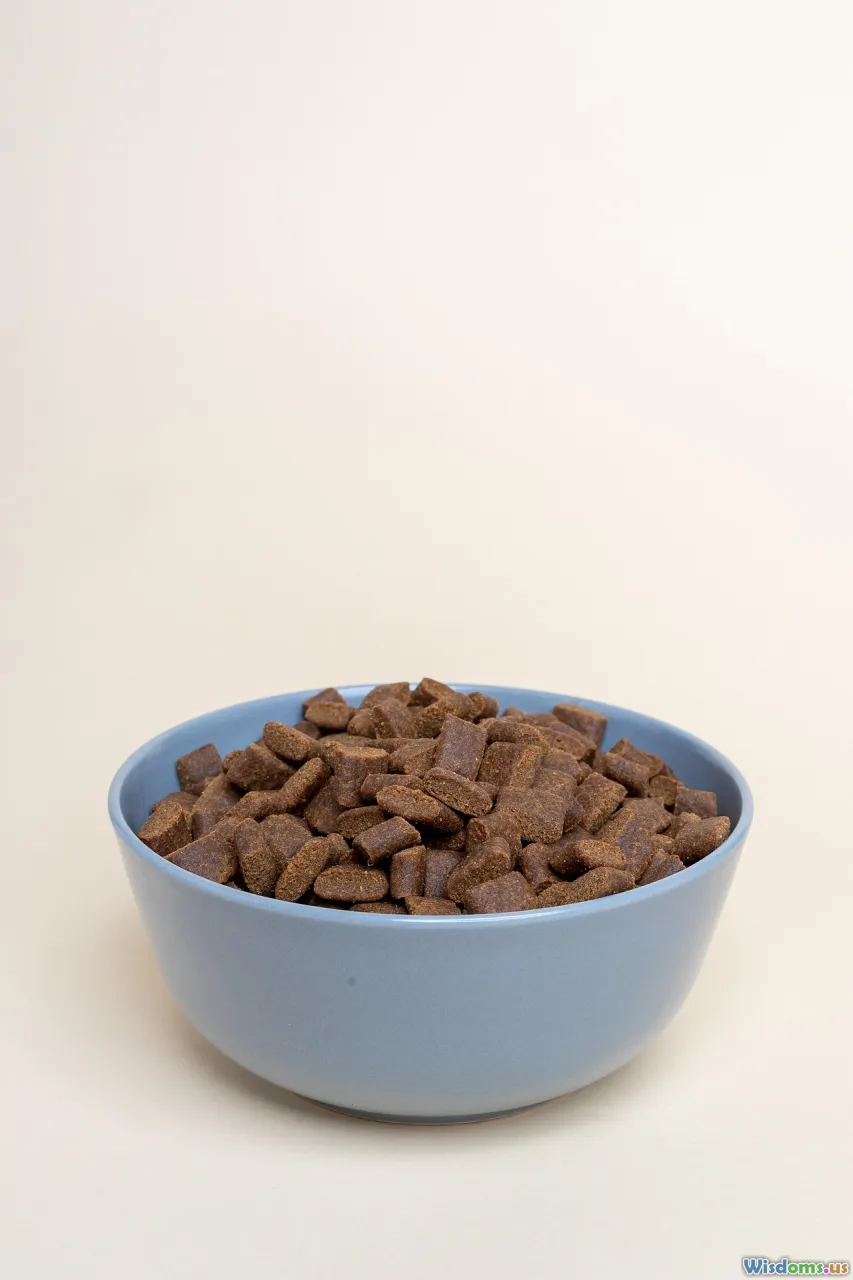
There’s no universal “senior formula” standard. In fact, AAFCO life-stage categories don’t specifically define “senior”—they focus on growth, reproduction, and adult maintenance. That means your older dog’s diet should be individualized.
Principles to guide you:
- Protein matters: Many seniors benefit from adequate, high-quality protein to maintain lean muscle. “Low protein” isn’t automatically better; ask your vet, especially if kidney values are normal.
- Healthy fats: Omega-3s (EPA/DHA) support joints and cognition. Look for foods or supplements with marine sources.
- Calories with care: Seniors may need fewer calories if they move less, but don’t underfeed—aim for a body condition score of 4–5/9 where you can feel ribs easily.
- Digestive support: Consider probiotics or fiber adjustments for regularity.
- Special diets: If your vet identifies issues (kidneys, joints, allergies), a therapeutic diet may help. Always transition gradually over 7–10 days.
Building a Support Team and Safety Net

Think of your senior dog’s circle like a small, reliable village:
- Primary veterinarian: Schedule biannual checkups. Share videos of mobility or behavior at home—they’re diagnostic gold.
- Rehab/grooming pros: A rehab therapist can teach home exercises; a patient groomer keeps nails and coat in shape without stress.
- Pet sitter/dog walker: Interview for calm handling and experience with seniors. Create a clear medication and routine sheet.
- Neighbors/friends: Identify two emergency contacts who can step in if you’re stuck at work.
- Paperwork and ID: Update the microchip registration and ID tags immediately after adoption; license your dog where required. Keep a one-page “In Case of Emergency” info sheet on your fridge.
Adopting Like a Pro: How to Pick the Right Senior

Before you sign the papers, gather information the way a detective would—kindly and thoroughly.
Ask the shelter or rescue:
- Medical: What diagnostics have been done? Any history of dental disease, heart murmur, lumps, mobility issues? Can I see recent lab work?
- Behavior: How does the dog handle alone time, strangers, kids, or other pets? Any resource guarding? Leash reactivity?
- Energy and routine: How many minutes of walking seems comfortable? What enrichment does the dog enjoy?
- History: Was the dog an owner surrender (and why), a stray, or a transfer from another shelter?
- Trial options: Is a foster-to-adopt period possible? What support is provided post-adoption?
During the meet-and-greet:
- Observe body language: Soft eyes, loose wags, relaxed mouth = green flags. Freezing, hard staring, or repeated cowering may indicate fear that requires a slow plan.
- Test real life: A short walk on a quiet sidewalk tells you more than a kennel greeting.
- Family check: Bring household members (and your calm, well-mannered dog if doing a dog-dog intro) for a second visit before finalizing.
Common Myths Debunked

- Myth: “You can’t teach an old dog new tricks.”
- Reality: Seniors often learn faster because they can focus. Short, reward-based sessions are a blast.
- Myth: “They’re too expensive.”
- Reality: You’ll budget differently—more preventive care, fewer chewed couches. Early detection and weight management are cost-savers.
- Myth: “They won’t bond with me.”
- Reality: Older dogs form profound attachments. Many seem to understand they’ve been chosen and respond with deep trust.
- Myth: “It’ll be too sad when they pass.”
- Reality: Grief is the price of love, no matter the age. Seniors give you years of quality connection now. Having a quality-of-life plan brings peace when the time comes.
The Ripple Effect: How Your Choice Changes More Than One Life

Adopting a senior dog doesn’t just change your home; it changes the shelter’s capacity. The ASPCA estimates that roughly 3.1 million dogs enter U.S. shelters each year and that hundreds of thousands of dogs are euthanized annually. Seniors, in particular, often wait longer for adopters. When you bring one home, you free up space and staff time for the next intake and signal to the community that older pets are worthy and wonderful.
Beyond adoption, you influence others. Neighbors see your relaxed, well-mannered companion and reconsider what “perfect pet” looks like. Friends ask for your ramp recommendations; a coworker tries a snuffle mat; someone else decides to foster. Compassion cascades.
Travel and Adventure with a Senior Dog

Older dogs love adventures tailored to their comfort:
- Car comfort: Use a ramp for SUVs, a well-fitted crash-tested harness, and a non-slip mat in the back seat or cargo area.
- Lodging: Choose pet-friendly stays with quiet floors, elevators, and easy outdoor access. Bring familiar bedding.
- Pacing: Trade high-impact hikes for shaded trails, lake breezes, and frequent sniff stops.
- Calm exits: For noise-sensitive seniors, pack a white-noise machine or use a fan; ask for rooms away from elevators.
- Heat and cold: Seniors regulate temperature less efficiently—carry water, avoid midday heat, and pack a coat for chilly mornings.
A day trip to a new park, a picnic on a blanket, or a drive-through pup cup can be just as thrilling to a senior as a mountain trek is to a puppy.
A Warm Finish: Why Now Is the Best Time

The best part of adopting a senior dog isn’t just that life gets easier (though it often does). It’s that life gets richer. You’ll discover a thousand small joys: a sigh as they settle beside you, the careful way they watch your face for cues, the confidence blooming as routines become familiar. You’ll refine your days around gentle rituals—stretch, stroll, sniff, nap—and find that calm can be the most luxurious lifestyle of all.
If you’ve been waiting for a sign, consider this it. Ask your local shelter about their older residents. Bring a few treats and an open heart. Somewhere, a gray muzzle is ready to meet you halfway.
Pets & Animals Lifestyle Pets Health & Wellness Animal Welfare Pet Health Companion Animals Mental Health Benefits Animal Shelter Management canine behavior Shelter Dogs Dog Adoption Senior dog adoption Older dogs Rescue success stories Low-energy pets First-time dog owners Adoption fees Foster-to-adopt
Rate the Post
User Reviews








Popular Posts