Are Edible DIY Gifts Really The Most Appreciated
15 min read Explore whether edible DIY gifts are the most cherished presents, analyzing trends, psychological factors, and real-life examples. (0 Reviews)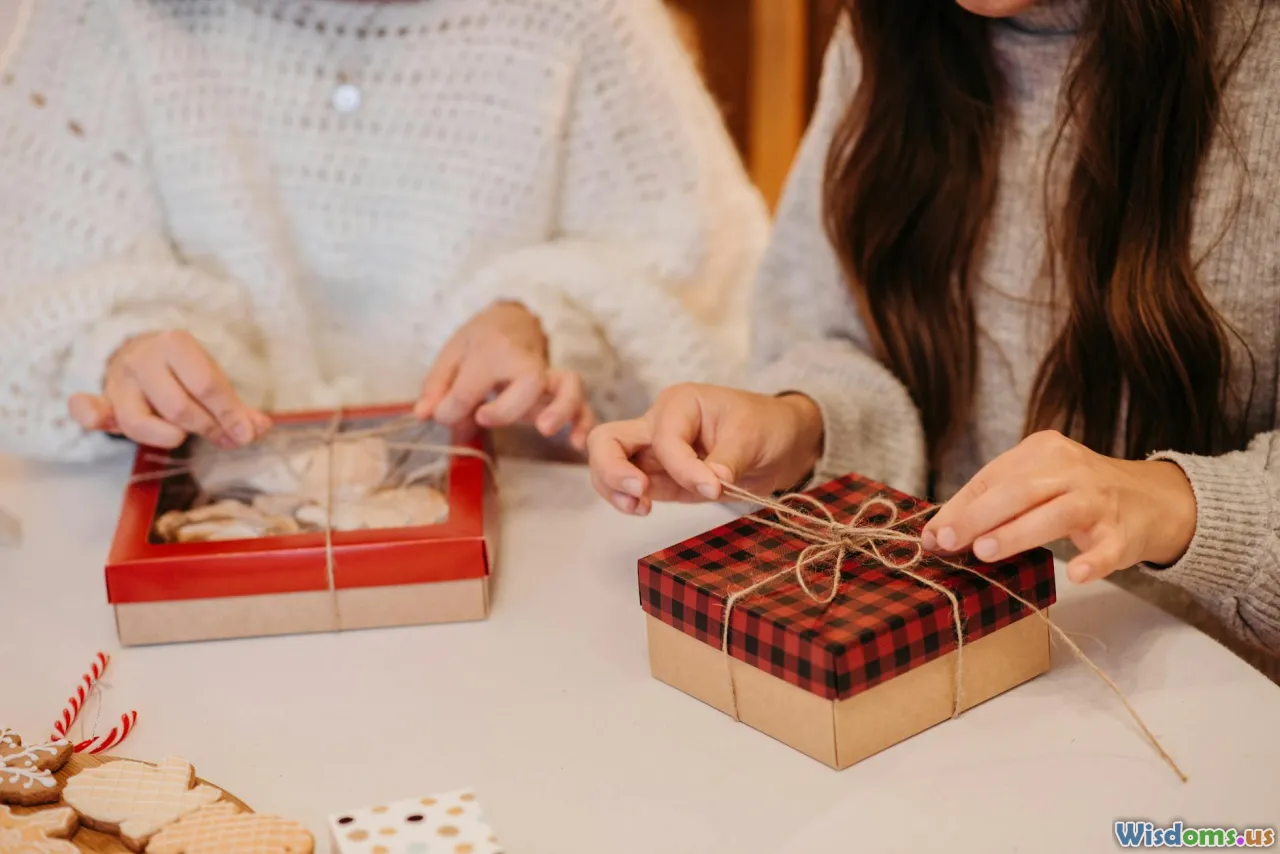
Are Edible DIY Gifts Really The Most Appreciated?
There’s a singular charm to receiving a gift someone has made with their own hands—especially when you can taste the effort. Edible DIY gifts, from jars of velvety jam to batches of artisan cookies, promise a burst of flavor framed by genuine sentiment. But are these treats truly the most cherished gifts, or is their popularity just a passing trend? Let’s unwrap the story and science behind edible handmade presents.
The Personal Touch Factor

Gift-giving is more than a transaction—it’s a dialogue between people. Hands-on, edible DIY gifts send a message that goes beyond the contents of the jar or box. A batch of your grandmother’s spice cookies, a loaf of sourdough you babysat for days, or hot sauce spiked with secret ingredients—all convey that the giver prioritized the recipient.
Personalization, after all, is at the heart of meaningful gifts. According to research published in the Journal of Consumer Research, gifts that reflect a shared experience or cater to the recipient's preferences generate stronger emotional responses than generic items. Edible gifts are innately customizable. The friend who loves rosemary gets a rosemary-infused shortbread section; the spice enthusiast receives bottles of hand-blended chili oil.
Example: Consider Sarah, who annually bakes cranberry-orange biscotti for her colleagues. Not only does this tradition remind her co-workers of shared holiday seasons, but she tailors the mix for gluten-free or vegan preferences, enhancing the thoughtfulness even more.
Satiating the Senses: Why Taste Matters
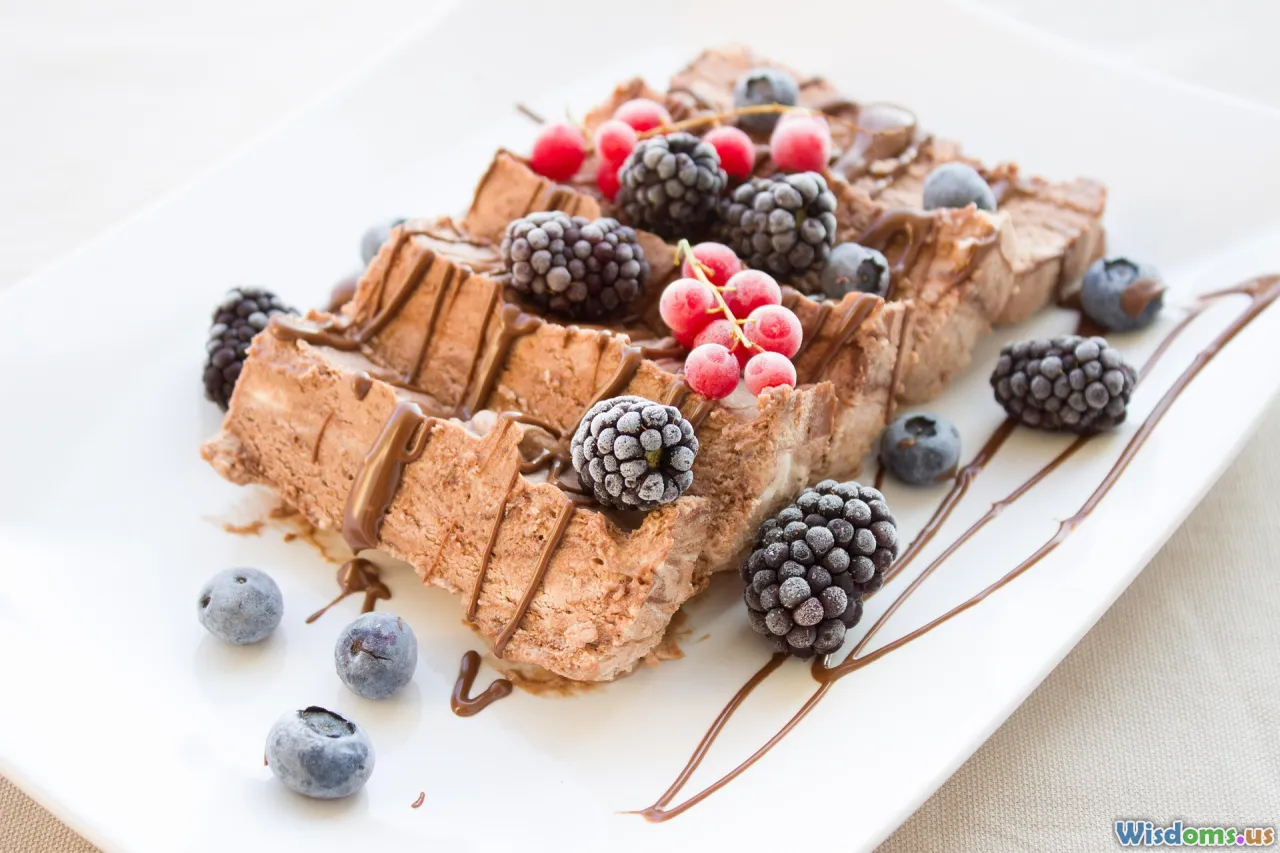
Humans are wired to appreciate food—flavorful, fragrant, and beautiful treats elicit genuine pleasure. Neurological studies highlight how taste and smell sharpen emotion and memory. An edible present can recall the aroma of grandma’s apple pie, or the bliss of chocolate shared with friends.
A 2022 survey by OnePoll and Chocolove found that 67% of respondents said receiving food as a gift feels more heartfelt than inedible items. The multi-sensory impact of gourmet truffles or well-spiced preserves elevates giving, from vision (colorful macarons) to texture (buttery caramels). This sensory immersion, coupled with anticipation, fuels appreciation.
Tip: Add visual interest to your DIY gifts—think edible flower petals in chocolate bark or decorative patterns in homemade toffee. The more senses you please, the more memorable the moment.
Act of Giving: Effort on Display
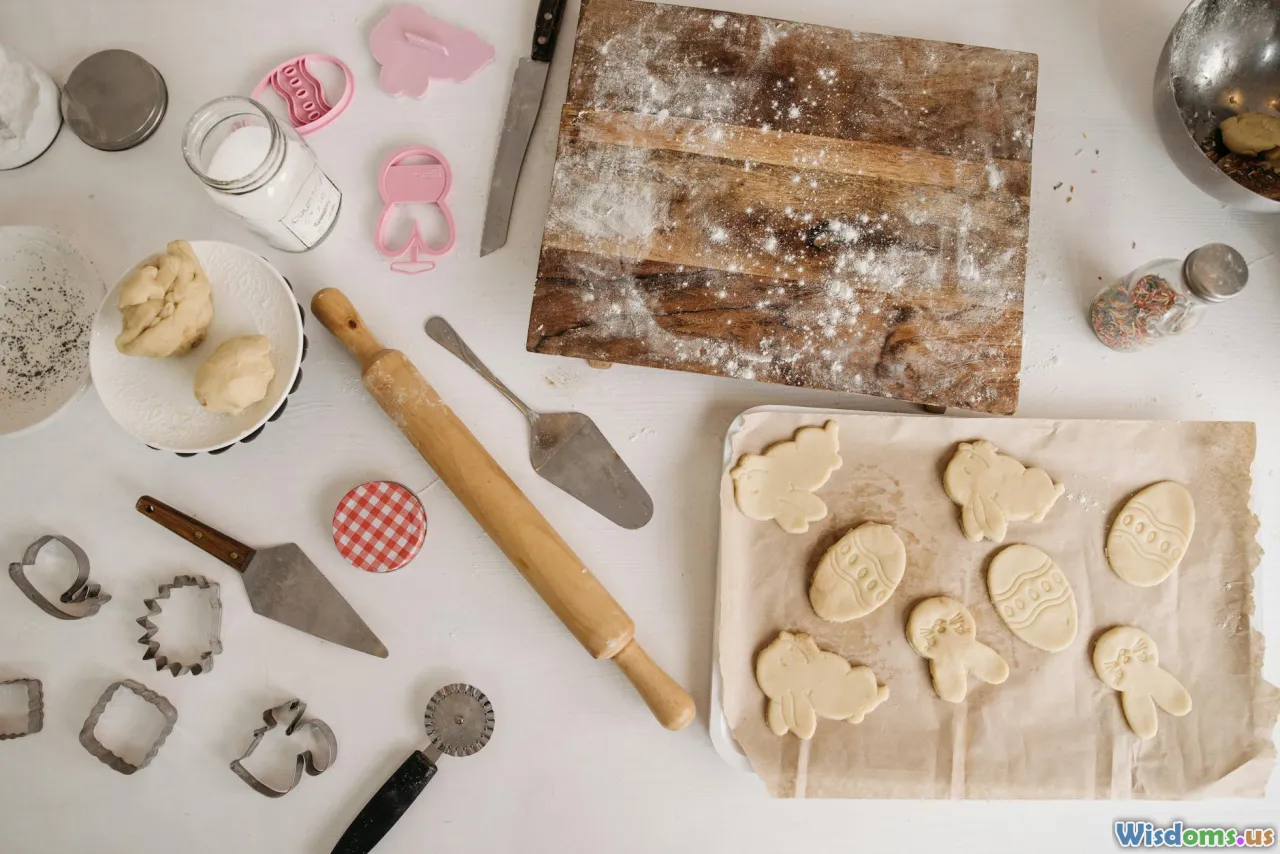
Time and effort are precious. When someone crafts edible gifts, it signals a willingness to invest labor into joy. Not everyone is a natural baker or a confident chef—and that vulnerability multiplies the value.
Psychologists note that people rate handmade gifts as more valuable precisely thanks to visible effort, even if the results are less than perfect. This is called the “IKEA Effect,” observed in a 2011 Harvard study: we value things we help make (or that others make) higher because of the effort invested.
Homemade treats often involve a multi-step process:
- Recipe research and planning
- Sourcing quality or artisanal ingredients
- Careful preparation, taste-testing, adjustments
- Artistic presentations—think pretty jars, hand-tied ribbons, recipe cards
Example: Melissa, who spends an entire weekend with her children producing fudge in four flavors, knows her relatives will remember those morsels for years to come—for the taste and for the stories they tell about a family project.
Comparison: Edible DIY Gifts vs. Store-Bought Presents

It’s easy to grab a box of chocolates or a bottle of wine. Yet, the distinction between buying and making a gift frequently determines its emotional mark.
Pros of Edible DIY Gifts:
- Personalization: Cinnamon for Aunt Liz; spice-free for Uncle John.
- Effort signals: Time and hands-on labor invest extra meaning.
- Its own story: Recipients might savor a baked good’s origin—a handed-down recipe, new family tradition, or passing joke. All make the exchange unforgettable.
Pros of Store-Bought Goods:
- Consistent quality: No risk of a baking flop.
- Convenience and speed: Needed for last-minute gifting.
- Professional aesthetics: Shiny packaging and commercial branding can impress.
Consider a research snapshot: A 2018 YouGov survey showed 44% of respondents preferred receiving a thoughtful, homemade item over a store-bought one for holidays; 23% tied. Only 9% opted for mass-market gift cards when told they could choose.
It’s important to note, however, that not all edible DIY items are instant hits. Allergy awareness, perishability, and dietary preferences can turn a well-meant treat into an awkward moment—or waste.
Tip: Always check for allergies or dietary restrictions if you’re gifting food. A quick question saves embarrassment and ensures genuine appreciation.
Cultural and Seasonal Appeal
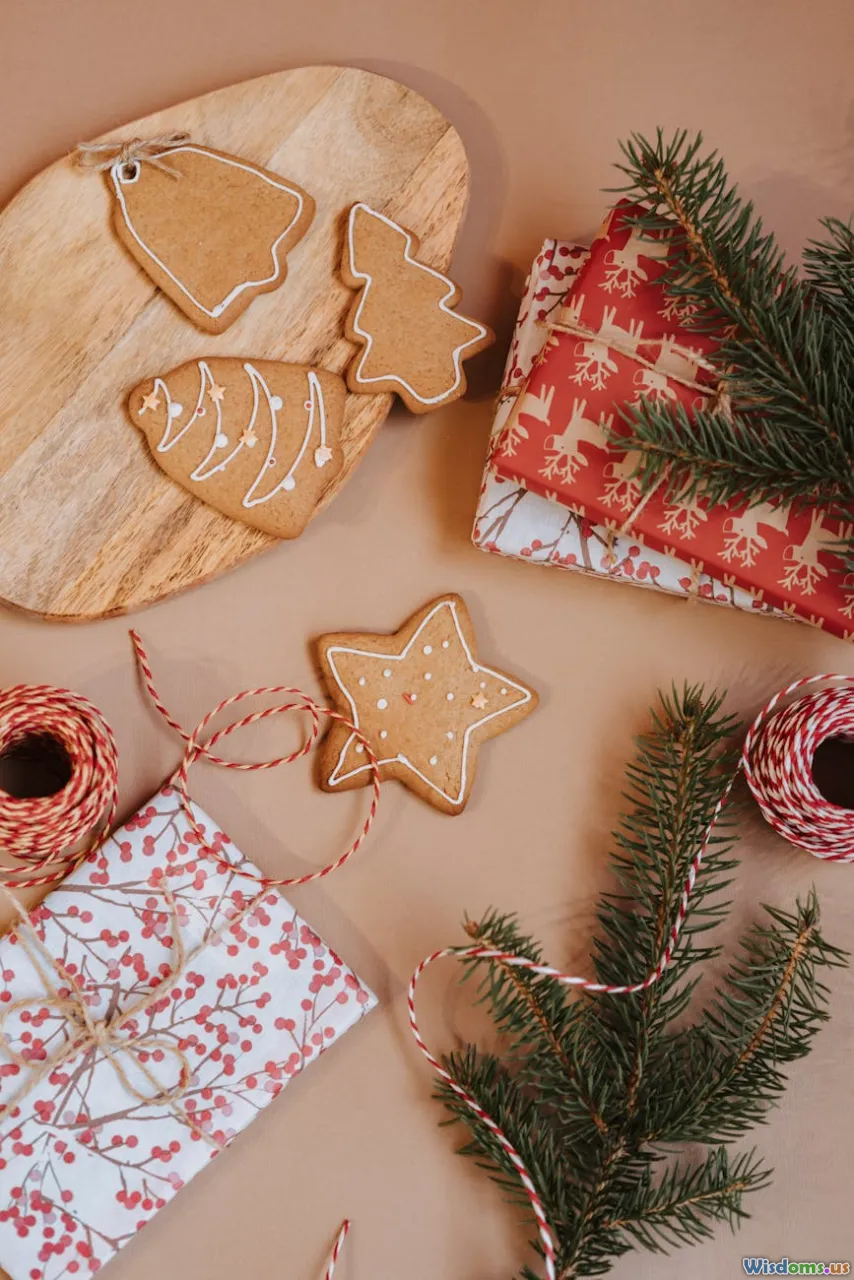
Certain cultures and traditions elevate edible presents to star status. Lunar New Year mooncakes, Diwali sweets, Christmas panettone, or Eid cookies—these festive treats are anticipated year after year. Not only do they honor heritage and customs, but their seasonal appearance amplifies their desirability.
Example: In Japan, it’s customary to present beautifully wrapped boxes of wagashi (traditional confectionery) for holidays and celebrations. The giving itself is a ritual, often exchanging the same care and artistry as creating the treat.
During the pandemic, lockdown-inspired baking resulted in a surge of bread and cookies traded between neighbors. A sense of collective effort and comfort, wrapped up in the communal breaking of bread, fueled the popularity of edible DIY gifts when personal interactions were at a premium.
Fact: According to Pinterest trend reports, searches for “edible gifts you can make” peaked at over 92% above average in December 2020.
What Makes Edible Gifts Go Wrong?
Despite good intentions, not every edible gift lands as intended.
- Allergies and dietary issues: Anticipate with careful labeling (“Grain-free!” or “Contains peanuts”).
- Storage concerns: Some treats spoil fast without refrigeration, requiring clear instructions.
- Taste mismatch: What’s nostalgic for one (“fruitcake, grandma style!”) might be disliked by another.
- Overload: During holidays, people can be overwhelmed by cookies and cakes, resulting in food waste.
Humor and flexibility help if things go sideways. If a jam didn’t set or a cookie burned, creative repurposing (like jam as syrup or cookie crumbs for cheesecake crust) adds fun flavor—and shows you care even when perfection is elusive.
Advice: Always pair edible gifts with a little handwritten note: “Best enjoyed chilled!” or “Vegan—let me know if you want a recipe!” It personalizes the guidance and builds the relationship.
Standout Ideas: Edible DIY Gifts That Impress
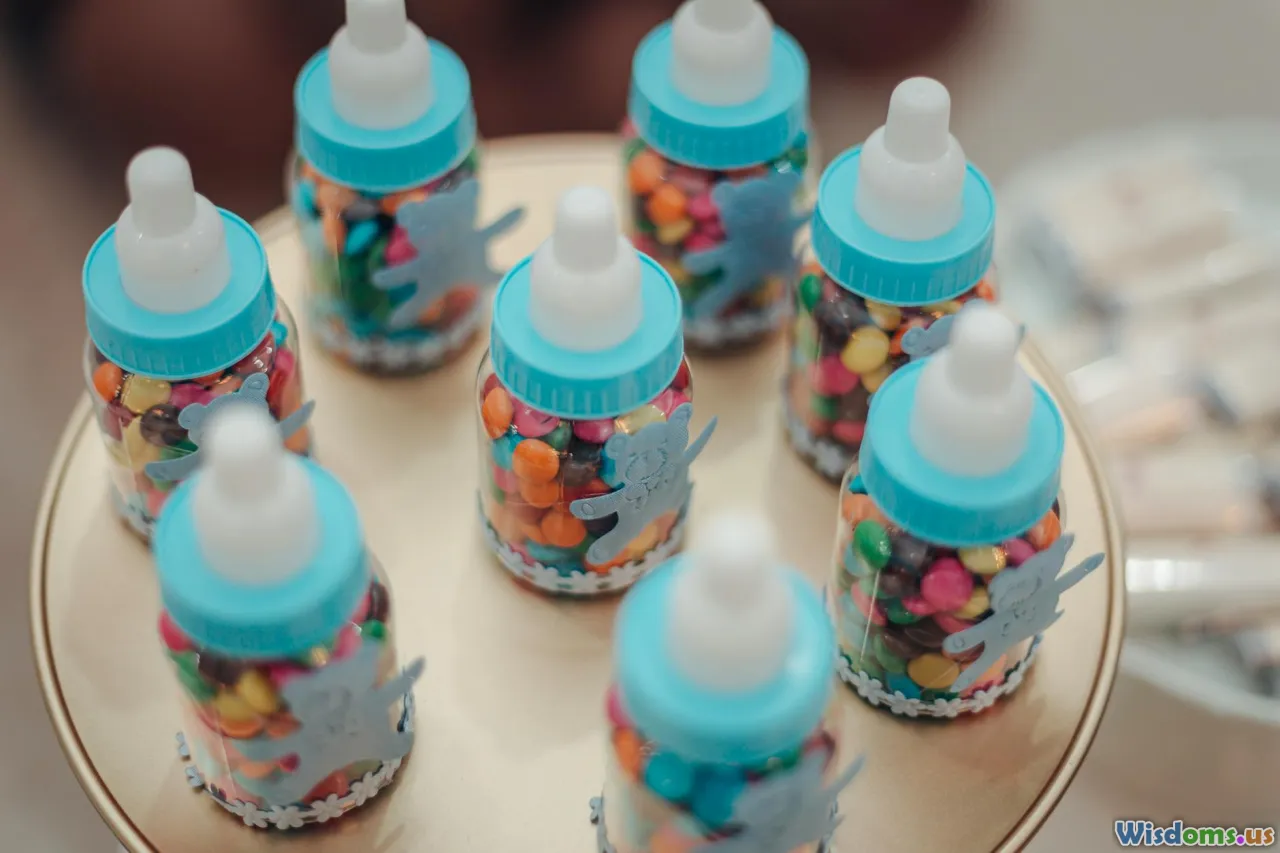
If you’re aiming to delight, stand out, and avoid the usual sugar cookie overload, consider these creative edible DIY gift inspirations:
- Infused Olive Oils and Vinegars: Add sprigs of rosemary, citrus zest, or chili for gourmet flavor. Bottle in clear glass for a pro look.
- Crafted Spice Mixes: Homemade taco, za’atar, or chai blends pair well with recipe cards. They’re universally useful and easy to personalize.
- Seasonal Preserves: Unusual jams (fig and balsamic; pear and ginger) or chutneys for an innovative edge.
- Homemade Granola: Bake a batch with unique mix-ins, package in a mason jar, and tie with a recycled-fabric bow.
- Savory Snacks: Homemade crackers, specialty nut mixes, or gourmet popcorn offer a welcome counterpoint to sweet treats.
- Pickled Goodies: Quick-pickled carrots, red onions, or kimchi jar up brightness and zest.
- DIY Hot Cocoa or Coffee Kits: Layer cocoa, gourmet marshmallows, and dark chocolate chips. For coffee lovers, add a mini sampler of hand-blended beans.
Remember—presentation is half the wow factor. Attractive containers, handwritten notes, and a simple list of ingredients can make humble treats shine.
Sustainability and Impact
Edible DIY gifts often come with sustainability advantages. Homemade goodies can be packed in reusable jars, recycled tins, or fabric wraps, reducing the waste from typical store-bought packaging. Plus, you can select local or organic ingredients, supporting community businesses and minimizing carbon footprints.
2023 data from the National Retail Federation found that 34% of consumers express a preference for sustainable gifts. Homemade food gifts tick this box—especially when you spotlight local honey, farm eggs, or herbs from your garden.
Tip: Encourage further sustainability by asking for your containers back (e.g., “Return this jar for a refill next holiday!”). Not only does it eco-friendly, but it also creates a tradition.
How to Make Your Edible Gifts Truly Appreciated
To ensure your culinary creations are not just eaten but celebrated, keep these tips in mind:
- Know your recipient: Favorite flavors? Dietary restrictions? A nut-free, vegan biscotti or gluten-free shortbread shows true care.
- Package with creativity: Reusable or decorated jars, hand-drawn tags, or a swatch of cloth add a memorable touch.
- Include a story: Share the history, why you chose the recipe, or an anecdote. Human connection amplifies delight.
- Offer serving ideas: A note saying, “Try with vanilla ice cream!” or “Great with cheddar cheese” helps your recipient appreciate your gift more.
- Follow up: Asking weeks later, “Did you try the pepper jelly yet?” shows your genuine interest and deepens the connection.
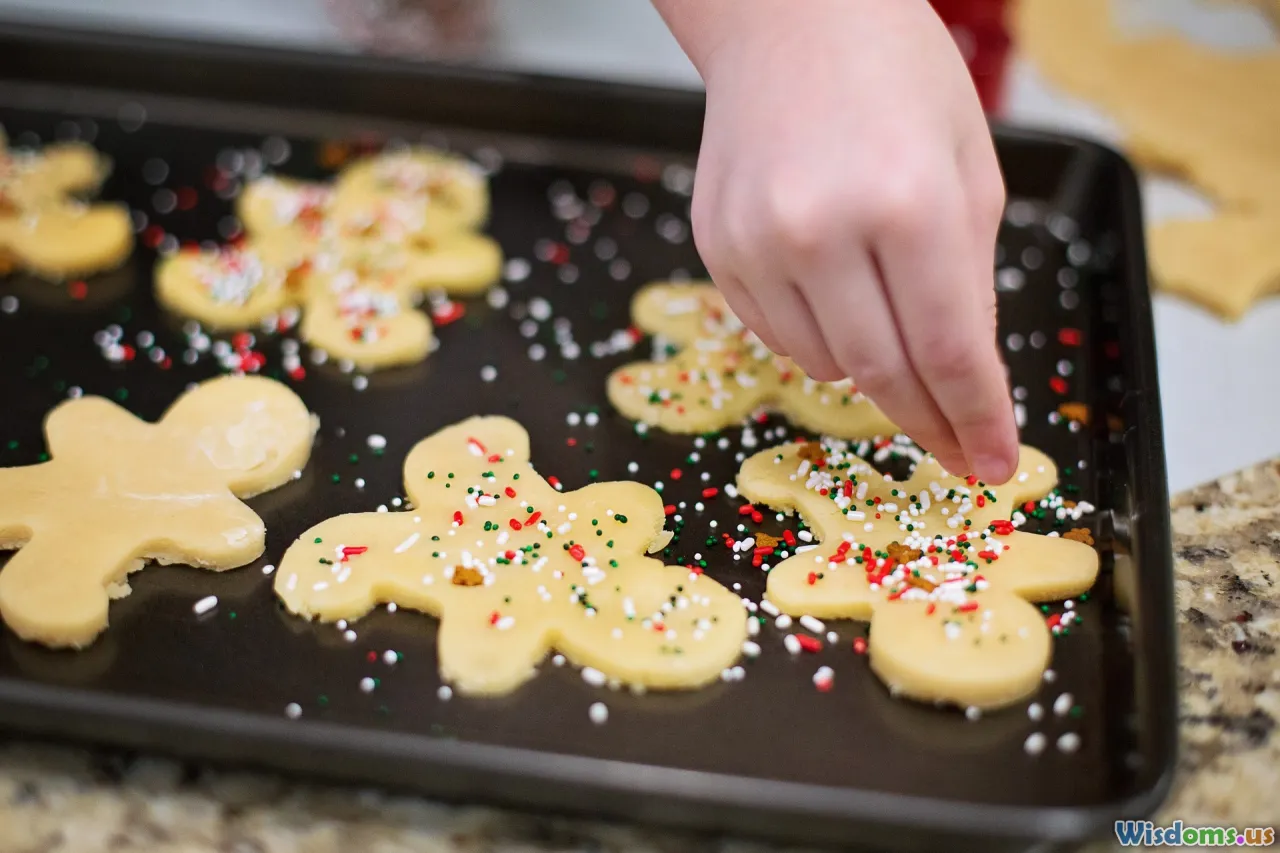
Insider Tip: For hosts or parents, involve kids in the gifting process (even toddlers can help sprinkle sugar!). It teaches generosity and leaves a sweet memory trail.
Beyond the Fad: Enduring Popularity
While trends come and go, the tradition of gifting edible homemade treasures appears nearly timeless. Baking bread for a neighbor, canning summer peaches for winter treats, or crafting a chili oil blend for a friend—these gestures resonate because they combine effort, creativity, and nourishment.
Edible DIY gifts forge connections, spark conversations, and make both giver and receiver feel the warmth of a shared experience. While not everyone will favor sweets over gadgets or gadgets over gourmet treats, the odds are always in favor of food.
The next time you’re contemplating a meaningful gesture, rest assured: A little flour and honesty, bottled with care, will almost always be appreciated far beyond its price in the store. The most cherished gift, ultimately, may just be the story—and flavor—you share.
Rate the Post
User Reviews



Popular Posts