Best Hair Styling Products for Fine Thinning Hair
29 min read Expert picks and techniques to style fine, thinning hair—boost volume with lightweight mousse, root-lift sprays, fibers, and heat protection without stiffness, residue, or breakage. (0 Reviews)
If your fine, thinning hair seems to deflate by lunchtime no matter what you try, you are not imagining it. Hair that is both fine in diameter and reduced in density has less internal structure to hold a style and fewer strands to create optical fullness. The good news: choosing the right styling products and using them strategically can make a dramatic difference in lift, thickness, and longevity—without crunch or buildup. This guide breaks down the science, the best-in-class product types, and practical routines that actually work.
Note: Hair loss can have medical causes. If you are seeing rapid shedding, scaling, or patchiness, consult a dermatologist. The advice below is cosmetic styling guidance, not medical treatment.
Fine vs. Thinning: Why The Distinction Matters
Fine hair refers to strand diameter, not density. The average human hair ranges roughly from 50 to 100 microns in diameter; fine hair generally sits under about 60 microns. Thinning refers to reduced density—fewer follicles actively producing hair—so you may see more scalp, wider parts, or temples that feel sparse. You can have one or both.
Why this matters for styling:
- Fine diameter: Less internal cortex means hair collapses easily under its own moisture or the weight of product. Light, film-forming polymers that create a flexible shell around each fiber are key.
- Thinning density: You need lift at the scalp and optical camouflage for visible parts. Root-targeted products and light-diffusing finishers help.
- Combined challenge: Every gram counts. Avoid heavy oils, waxes, and thick butters. Favor airy foams, root mists, and micro-diffusion sprays.
Practical takeaway: Diagnose your main limiter first—diameter or density—and pick products that address that specific physics problem.
Ingredient Shortlist That Actually Builds Volume
A good volumizer builds a micro-thin shell around each hair. Look for these on the label:
- Film formers: VP/VA copolymer, polyquaternium-4 or -11, acrylates copolymers, PVP. These create flexible lift. PVP can go limp in high humidity; acrylates and VP/VA resist moisture better.
- Thickening agents: Hydrolyzed wheat, rice, or soy protein can lightly swell the cuticle; panthenol adds slip and bulk without grease.
- Root-lift polymers: Polyquaternium-55 and various acrylates at low percentages give spring near the scalp when heat is applied.
- Texturizers: Silica silylate and starches in powders and sprays add friction for airy separation; rice starch is often lighter than aluminum starch octenylsuccinate.
- Lightweight silicones: Cyclopentasiloxane or amodimethicone in low amounts can protect from heat without collapse; water-dispersible silicones like PEG-12 dimethicone are easier to wash out.
What to minimize:
- Heavy oils and waxes: Shea butter, coconut oil, petrolatum, microcrystalline wax—great for coarse hair, not for baby-fine strands.
- High-resin, wet-look gels and pomades: These can clump sparse strands, exaggerating scalp show-through.
- Salt-heavy sea sprays: Magnesium sulfate draws out moisture; in fine hair, that often equals frizz plus droop.
Build A Foundation: The Lightest Prep Wins
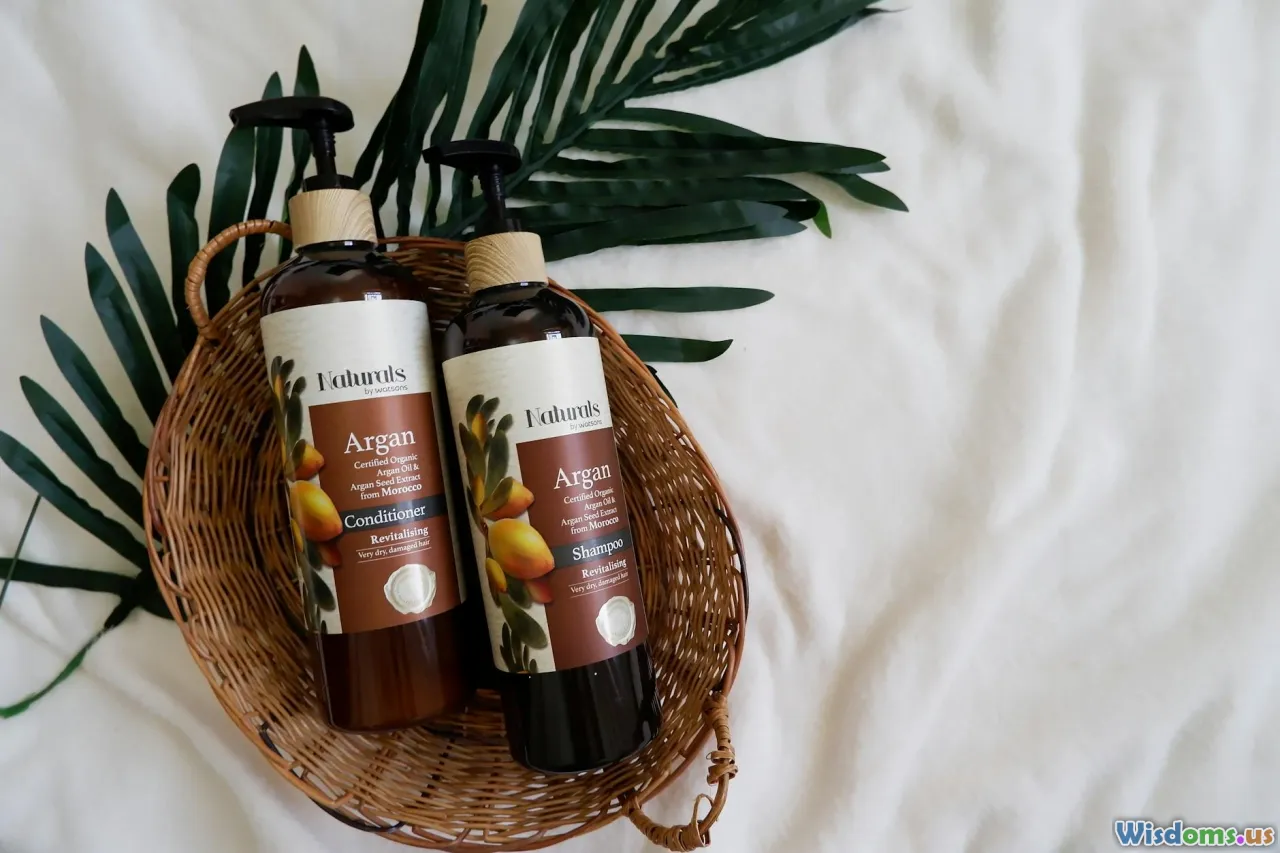
Your styling products will only perform as well as your wash-day foundation. Volume begins in the shower.
- Use a volumizing shampoo that leaves minimal conditioning residue. Look for amphoteric surfactants plus lightweight polymers. Avoid heavy post-shampoo masks on roots.
- Condition from ear level downward only. Choose a featherweight conditioner with cationic polymers rather than rich oils. A pea-sized amount can suffice for a bob.
- Clarify once every 2 to 3 weeks. Fine hair accumulates residue quickly from styling polymers and hard water. A gentle chelating or clarifying wash restores lift.
- Detangle with a light, heat-protectant leave-in spray instead of a cream. Keep roots bare whenever possible; aim product mid-lengths to ends.
Pro tip: If your scalp gets oily by day two, try alternating a volumizing shampoo with a gentle scalp-balancing formula containing zinc PCA or niacinamide.
Root-Lifting Sprays And Mousses: The Core Duo
If you buy only two products, make it a root lifter and a light mousse. Properly layered, they transform flat silhouettes.
How to use a root lifter:
- Towel-dry to damp; hair should feel cool, not dripping.
- Section horizontally from temple to temple, then ear to ear. Lift each section and mist 1 to 2 pumps directly at the root within 1 inch of the scalp.
- Comb through once to distribute.
- Blow-dry with the nozzle aimed along the hair shaft, lifting sections perpendicular to the scalp. Use a vented brush for airflow.
How to use mousse without crunch:
- Golf-ball size is too much for a pixie; start with an egg-sized amount for shoulder-length hair and halve it for fine pixies. Distribute from mid-lengths to ends, then skim the residue near roots.
- Look for phrases like weightless, airy foam, or thickening polymers rather than extra hold.
Ingredient signals to trust:
- VP/VA copolymer and polyquaternium-11 for flexible, brushable lift.
- Panthenol, hydrolyzed proteins for slight swelling without stiffness.
Use-case examples:
- Short pixie or crop: Root mist only, then a tiny touch of lightweight paste after drying.
- Shoulder-length lob: Root mist plus airy mousse; blow-dry with a round brush and set the crown on large Velcro rollers until cool.
Thickening Lotions And Creams: When A Little Slip Helps
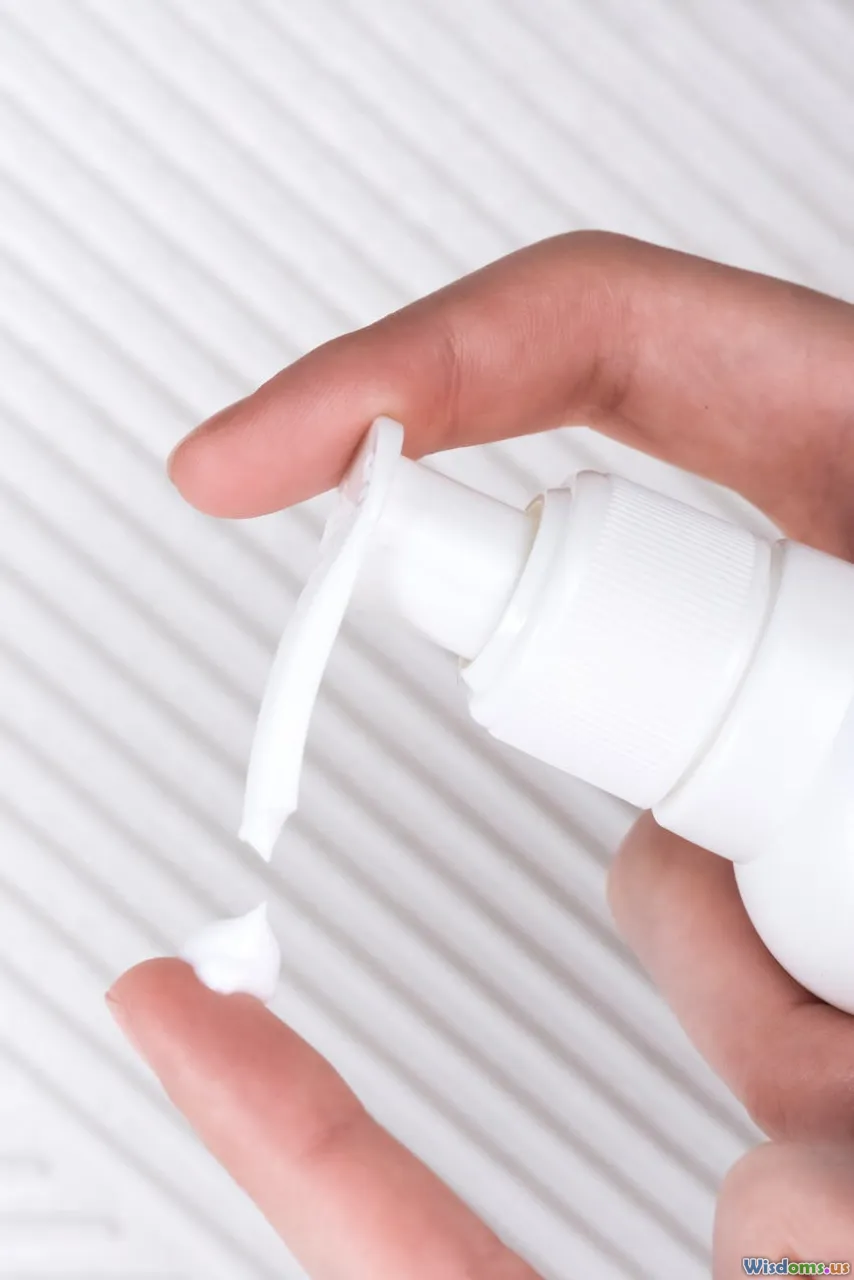
Not all creams are heavy. Thin lotions with polymer-rich formulas can be magic for fine hair that tangles or fuzzes.
Best scenarios:
- Smooth bobs that collapse: A pump of thickening lotion provides body without oiliness.
- Frizz-prone fine hair: A dimethicone-light lotion can reduce fuzz so strands appear denser and aligned.
Application tips:
- Apply a pea-size amount to damp ends first, then lightly rake the remainder up to mid-lengths. Avoid the immediate root zone.
- Layer under a root spray rather than replacing it. The two roles are different: one shapes the fiber, the other lifts at the base.
Look for: Acrylates copolymer, PVP/DMAPA acrylates, polyquaterniums, plus lightweight silicones. Avoid waxes in the top five ingredients.
Dry Shampoo Vs. Texture Spray: Know The Difference

Dry shampoo absorbs oil; texture spray adds airy grip and separation. Many people use the wrong one and get disappointed.
Dry shampoo facts:
- Starch-based formulas (rice starch, tapioca) bind sebum at the scalp, restoring lift. Finer milled starches leave less chalky residue.
- Apply before bed on day one to preempt oil. Shake well, lift sections, and spray 6 to 8 inches away in short bursts. Wait 60 seconds, then massage with fingertips.
- For an irritated scalp, look for oat extract or niacinamide; avoid heavy fragrance.
Texture spray facts:
- Often uses a mix of resins and powders for touchable grit. Perfect for airy waves and updos on sparse hair.
- Apply mid-lengths to ends; keep it out of the part line to avoid scalp exposure.
Quick comparison:
- Limp at roots by midday: Use dry shampoo.
- Curls fall apart and look too silky: Use texture spray.
Volumizing Powders: The Secret Weapon For Crowns And Parts

Volumizing powders create instant lift, especially useful in a widening part or flat crown. They typically rely on silica silylate, which creates micro-grip between strands.
How to use:
- Lightly dust a pinch at the fingertips, not directly onto the scalp.
- Tap into the root area around the crown and part, then fluff with fingertips.
- If you overdo it, a spritz of water or a bit of lightweight oil on fingertips can break it up.
Where they shine:
- Event rescue: When your blowout collapses hours before a meeting.
- Upstyles on sparse hair: Provides scaffolding so pins hold.
Caution: Powders build up quickly. Clarify after heavy use and avoid every-day application if your scalp is sensitive.
Hairsprays And Finishing Mists: Hold Without Helmet Head
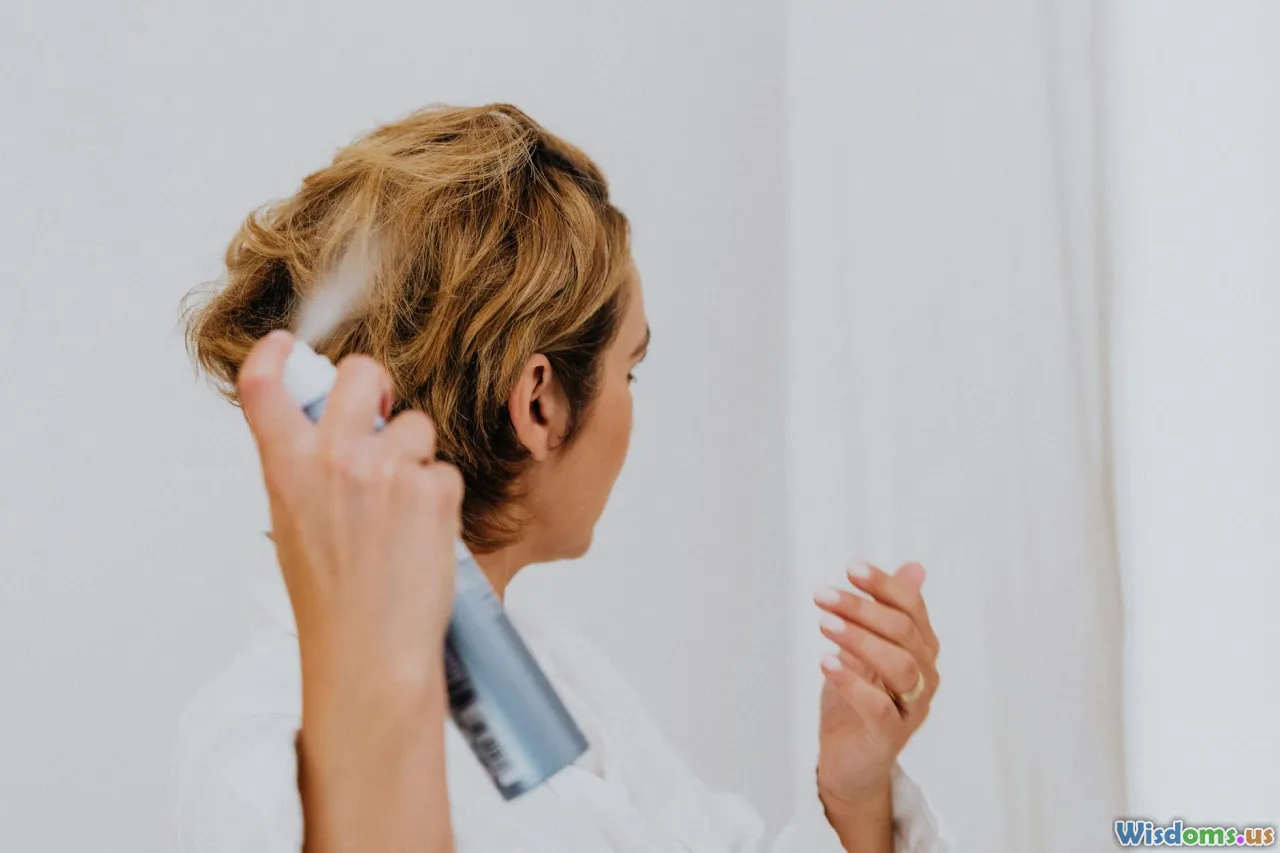
Fine thinning hair needs hold that moves. Look for micro-diffusion sprays labeled flexible or workable. These deposit smaller droplets for even coverage.
- Flexible hold for everyday: Keeps volume while allowing brush-through. Ideal for bobs, lobs, and layered cuts.
- Strong hold with care: For formal styles or cowlick control, mist from farther away and use a light hand.
- Humidity resistance: Seek acrylates and VP/VA copolymers; PVP alone can absorb moisture and relax in high dew points.
Application technique:
- Spray in a halo at arm’s length, then target the underside of the crown to support lift.
- For bangs or a visible part, spray onto a toothbrush or clean spoolie first, then gently sweep hairs into place to avoid wetting the scalp.
Heat Protectants: Insurance For Fragile, Fine Strands

Fine hair is more prone to thermal damage due to smaller diameter. Always use a heat protectant before blow-drying or hot tools.
What to choose:
- Lightweight sprays with silicones and polyquats; avoid heavy serums unless your ends are parched.
- Look for heat-activated polymers and amodimethicone, which forms a selective film on damaged areas, reducing weight elsewhere.
How to apply:
- Mist from mid-lengths to ends first, then do a single pass of mist on the outer surface near the roots if needed.
- Keep blow-dryer nozzled and moving; finish each section with a cool shot to set volume.
Tool synergy:
- Round brush size affects lift: 1.75 to 2.25 inches for short to medium hair, 2.5 to 3 inches for long layers.
- Velcro rollers at the crown while hair cools can double the life of your root lift.
Optical Density Boosters: Fibers, Root Sprays, And Part Tricks
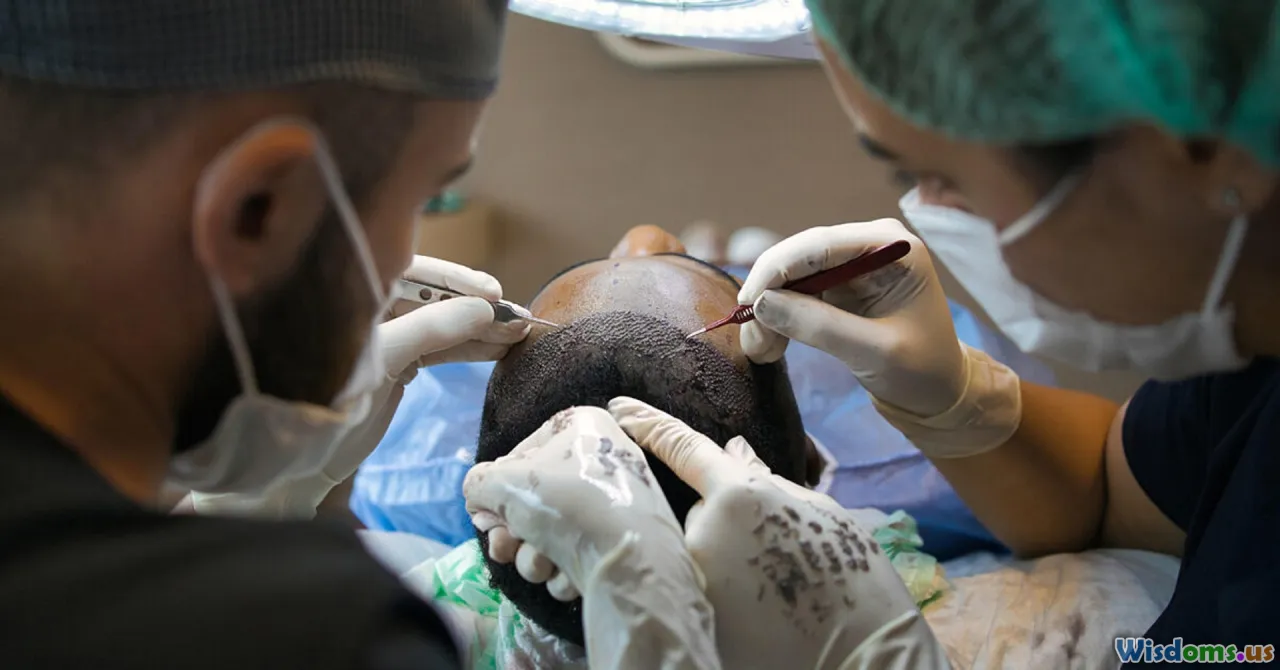
When density is the issue, sometimes styling alone is not enough. Optical boosters reduce scalp show-through.
- Tinted root spray: Micro-pigmented sprays fill in the part and temples. Spray onto a small brush and dab along the part for precision.
- Keratin or cotton fibers: Electrostatic fibers cling to hair, thickening the look of each strand. Shake sparingly over the part and lock with a light mist of hairspray.
- Strategic parting: A soft, zigzag part reduces visible scalp compared to a severe straight line. Alternating part sides weekly prevents flattening.
These are cosmetic solutions; they wash out with shampoo. Patch test if you have a sensitive scalp.
For Fine Waves And Curls: Body Without Crunch

Fine curly or wavy hair often drops because water weight and gravity stretch the curl pattern. Choose foams and lightweight gels.
- Foam mousses labeled for curls often contain polyquats and light emollients. Apply to soaking-wet hair, then scrunch with a microfiber towel to remove excess water.
- Layer a pea-size of a light gel with acrylates for humidity resistance without stiffness.
- Diffuse on low heat, low airflow. Hover at roots first to set lift, then cup ends. Finish with cool air.
Avoid heavy curl creams that contain multiple butters or oils at the top of the list. They can collapse fine patterns.
For Men With Fine, Thinning Hair: Matte And Airy Wins
Short haircuts amplify product choice, and the classic mistake is shiny pomade that clumps and exposes scalp.
- Pre-style with a light volumizing mousse or root spray and blow-dry hair up and away from the thinning zones.
- Finish with a matte paste or clay labeled lightweight; use a pea-size amount and emulsify thoroughly in hands. Tap the surface and pinch the ends for texture rather than raking through roots.
- Consider a salt-free texture spray for touchable grit on top without shine.
Barber tip: A soft crop with micro-texture on top and slightly tighter sides often makes the crown look fuller compared to high-shine styles.
Scenario Playbooks: Tailored Routines That Work
Every head of hair behaves differently. Start here and tweak.
Oily scalp, fine thinning hair:
- Wash: Volumizing shampoo; condition only from mid-lengths down.
- Prep: Root lift spray at crown and part; heat protectant spray mid-lengths.
- Style: Egg-size mousse through lengths; blow-dry lifting sections. Set crown on Velcro rollers.
- Finish: Flexible hairspray halo; dry shampoo before bed on day one.
Dry, fragile fine hair with breakage:
- Wash: Gentle, protein-light shampoo; conditioner with amodimethicone.
- Prep: Lightweight leave-in; heat protectant.
- Style: Small amount of thickening lotion plus a minimal root mist; lower heat when drying.
- Finish: Workable spray; avoid powders more than once weekly; bond maintenance in wash routine, not as a leave-in.
Postpartum or seasonal shedding:
- Wash: Scalp-friendly, fragrance-moderate shampoo.
- Prep: Root spray plus tinted root powder at the part.
- Style: Airy mousse or curl foam; limit heavy brushing at the hairline.
- Finish: Flexible spray; use fibers for event coverage. Check with a physician regarding shedding if concerned.
Fine waves in humidity:
- Wash: Lightweight shampoo; minimal conditioner.
- Prep: Curl foam with humidity-resisting acrylates.
- Style: Diffuse on low; add texture spray at ends.
- Finish: Anti-humidity, flexible hairspray.
Budget Vs. Splurge: Where To Invest

Fine hair is product-sensitive, but you do not need to break the bank.
- Spend a bit more on root lifters and micro-mist hairsprays. Atomization quality and polymer balance vary widely and matter for even, weightless coverage.
- Save on dry shampoos and texture sprays. Many pharmacy options with rice or tapioca starch work exceptionally well.
- Mousses are category-agnostic. Plenty of affordable airy foams perform as well as high-end versions; check for film-former ingredients rather than brand names.
- Heat protectants vary. A mid-priced, silicone-light spray is often ideal.
Pro move: Buy travel sizes to test. Fine hair amplifies small differences; a miniature can tell you if a formula is too heavy before you commit.
The Blow-Dry Blueprint For Lasting Lift
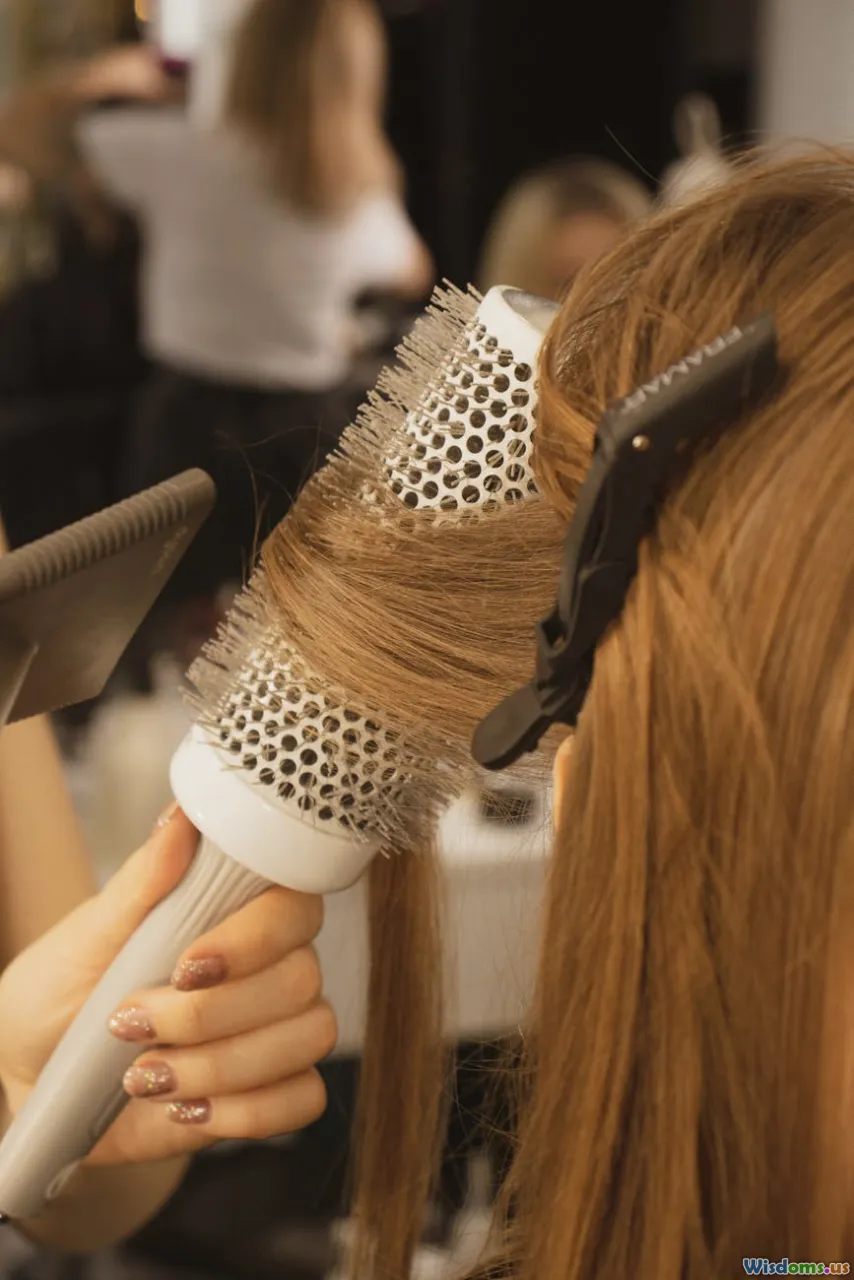
Technique can double the value of any product.
- Pre-section in four quadrants and clip. Mist root lifter into each, then mousse through lengths.
- Start at the nape, over-direct hair forward while drying to bank volume at the crown.
- At the crown, roll sections onto a large round brush, heat until warm, then use the dryer’s cool shot to set. Alternatively, pop in Velcro rollers and let them cool while you do makeup or have coffee.
- Finish with a light mist of workable hairspray aimed upward from the ends toward the crown so you support lift rather than flattening the surface.
Time-saver: Flip your head upside down for the first 50 percent of drying to get quick root lift, then refine with a brush.
Common Mistakes That Flatten Fine Hair

- Over-conditioning the root zone. Keep rich formulas below the ears.
- Spraying products too close. This creates wet patches that clump strands. Maintain 6 to 12 inches of distance, depending on the nozzle.
- Skipping the cool shot. Heat shapes; cool air sets the shape. Without it, styles relax quickly.
- Layering too many products. Aim for two core stylers plus a protectant. More can mean more weight.
- Neglecting buildup removal. Clarify or chelate regularly if you use powders, fibers, or hard water.
Seasonal And Climate Tweaks

- High humidity: Favor acrylates-heavy volumizers and hairsprays; reduce PVP-only formulas that reabsorb moisture and go limp. Diffuse curls rather than air-drying to set polymers.
- Dry winter air: Add a tiny amount of lightweight leave-in to ends and use ion or tourmaline dryers to reduce static. A quick pass of a dryer sheet on a brush can tame flyaways in a pinch.
- Travel to hard-water areas: Pack a chelating mini to prevent mineral film, which makes fine hair look dull and flat.
How To Read A Label In 10 Seconds

- First five ingredients: If you see multiple oils, butters, or waxes early, skip for fine hair.
- Polymers present: Look for VP/VA, acrylates, polyquaterniums.
- Alcohol denat: Not inherently bad; it helps fast drying in sprays and mousses. Ensure the formula balances with conditioning agents.
- Silicones: Fine in moderation. Prefer cyclopentasiloxane or PEG-12 dimethicone over heavy dimethicone at high concentration.
- Claims vs. need: Thickening, volumizing, micro-mist, humidity-resistant—these claims align with fine hair goals.
Morning-After Refresh Protocol
- Night before: Light dusting of dry shampoo at the scalp; massage briefly.
- Morning: Flip hair and blast roots with cool air for 20 seconds to reactivate lift. Add a mist of texture spray to mid-lengths.
- Spot-fix: Volumizing powder at the crown pinch point only; toothbrush with a touch of hairspray to tame the part.
- Optional: Touch-up with a small round brush and dryer just at the front pieces to revive face-framing lift.
Quick Answers To Common Questions

- Do volumizers cause hair loss? No. They form external films. If you notice scalp itch or flakes, patch test or switch brands, but they do not cause follicular miniaturization.
- Are proteins bad for fine hair? Not inherently. Hydrolyzed proteins in styling agents are usually at low levels that enhance body. Chronic stiffness or straw feel suggests you need more emollience in your wash-day routine.
- Should I avoid all silicones? No. Lightweight, water-dispersible silicones or small amounts of cyclopentasiloxane can protect fine hair from heat without collapse.
- How much product is too much? For shoulder-length fine hair, start with an egg-size mousse, a few root-mist pumps targeting the crown, and a light heat protectant mist. Add only if sections feel under-supported after your first pass with the dryer.
- Can I combine dry shampoo and fibers? Yes. Apply dry shampoo first, massage, brush out, then add fibers and lock with light hairspray.
Sample Product Roadmaps By Category

Below are category examples and what to look for. Always patch test and adjust for fragrance sensitivity. Specific brands are listed as examples of features, not endorsements.
- Root-lifting sprays: Seek VP/VA or polyquaternium polymers, fine mist nozzles. Examples of feature sets you want include targeted root applicators and quick-dry formulas found in classic thickening sprays from salon brands.
- Airy mousses: Look for alcohol-based foams with PVP or acrylates and panthenol. Many drugstore mousses labeled extra body or thickening fit this bill without residue.
- Dry shampoo: Rice or tapioca starch, minimal white cast. Pharmacy staples and French pharmacy options with oat milk are known for light feel.
- Texture spray: Silica or starch plus resins; choose versions marketed as dry texture or invisible volume for fine hair.
- Hairspray: Micro-mist, workable hold, humidity-resistant polymers. Iconic flexible-hold sprays with micro-diffusion are ideal for fine hair.
- Heat protectant: Lightweight spray with amodimethicone or polyquats. Many salon and mass options labeled thermal protection spray are weightless enough for fine strands.
- Thickening lotion: Acrylates-rich lotions that specifically say thickening or plumping, avoiding wax.
- Volumizing powder: Silica silylate-based; choose a shaker top that allows minimal dosing.
Testing tip: Try any new product on a day when you can monitor how long lift lasts and whether it builds residue by evening. Take quick phone photos at 8 a.m., noon, and 5 p.m. under similar lighting to compare objectively.
As you experiment, think in roles: a root elevator, a fiber shaper, a finisher, and a protectant. Select the lightest version of each role that gets the job done, and let airflow and cooling lock in the shape. Your strands may be fine and your density lighter than it used to be, but with smart choices and a few small habit shifts, your hair can look fuller, livelier, and confidently styled all day.
Rate the Post
User Reviews
Popular Posts