Can Biophilic Design Help Cities Combat Climate Change
30 min read Explore how biophilic design helps cities cut emissions, reduce heat islands, manage stormwater, and boost resilience through green roofs, urban forests, and nature-based solutions with measurable climate and health benefits. (0 Reviews)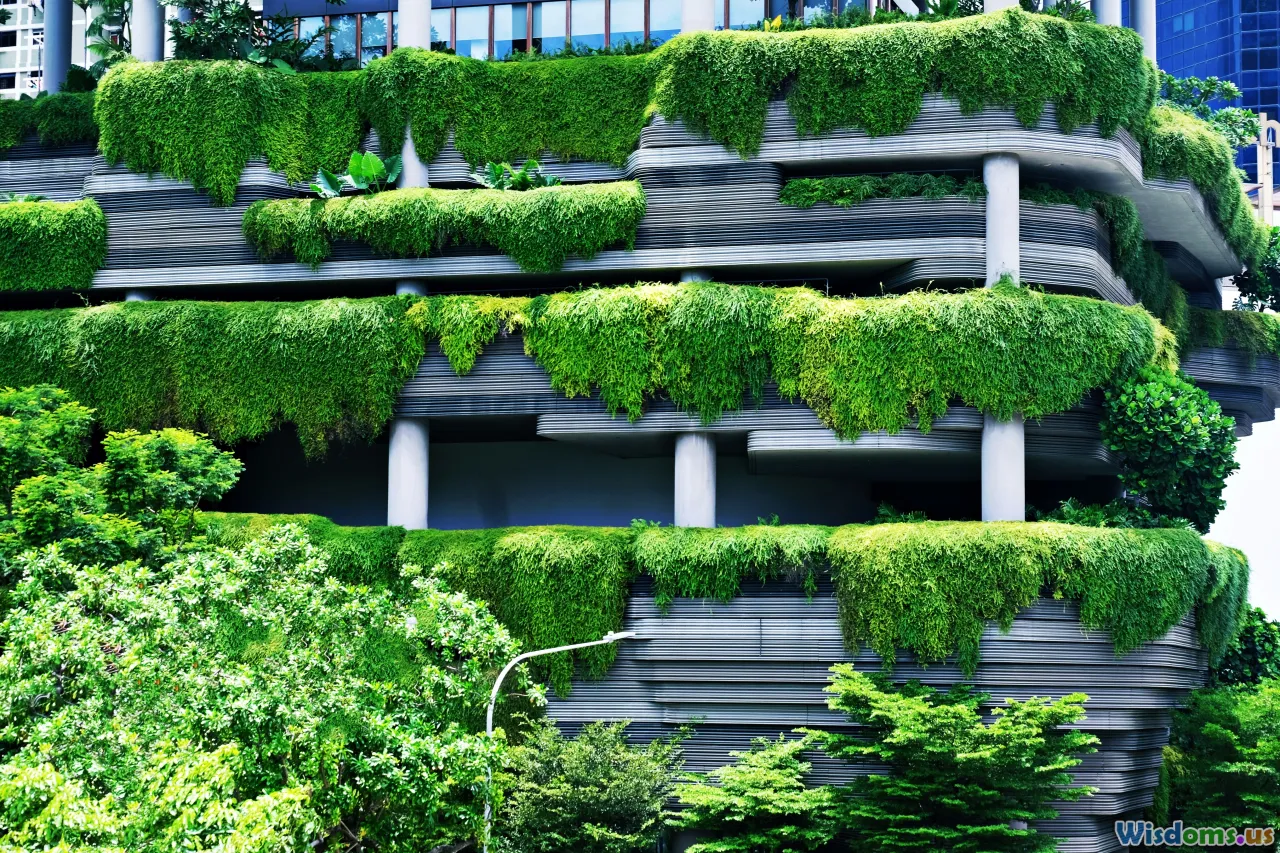
Cities are the front lines of climate change. Heat waves linger longer, flash floods arrive with less warning, and residents shoulder higher energy bills just to stay comfortable. Against this backdrop, a growing number of planners, architects, and public officials are turning to an old ally with a new name: biophilic design. It’s more than trees and parks. When done systematically, biophilic strategies can cool neighborhoods, soak up storms, filter air, reduce carbon, and restore a day-to-day connection with nature that supports public health and community cohesion. The question isn’t whether nature belongs in cities—it’s whether we can design with nature fast enough and smartly enough to make a measurable difference.
What We Mean by Biophilic Design in the Urban Context
Biophilic design is the intentional integration of nature’s patterns, processes, and materials into built environments to improve human well-being and ecological function. In a city context, it spans three layers:
- Direct nature: street trees, green roofs and walls, rain gardens, daylighted streams, pocket wetlands, and urban agriculture.
- Indirect nature: natural materials (timber, cork, stone, earthen plasters), biomimetic forms (fractals, branching canopies), and spectral qualities of daylight.
- Nature of space: views to vegetation and sky, transitional outdoor rooms, courtyards, and microhabitats for urban wildlife.
Where older landscape approaches treated greenery as adornment, biophilic design is performance-based and systems-focused. It links thermal comfort, stormwater attenuation, biodiversity support, and community benefits to concrete targets and budgets—turning a “nice-to-have” into a climate tool.
The Cooling Payoff: How Biophilic Design Beats Urban Heat

Urban heat islands arise when dark surfaces absorb solar radiation and retain it into the night, driving up temperatures and cooling loads. Biophilic design cuts heat through three mechanisms:
-
Shade: Canopies block shortwave radiation before it hits sidewalks and walls. Broadleaf street trees can reduce surface temperatures by 11–25°C on hot afternoons. Under continuous shade, pedestrian routes become safer and more walkable even during heat waves.
-
Evapotranspiration: Leaves release water vapor, cooling the air. In streets lined with mature trees, ambient temperatures frequently drop 2–4°C, with local peaks higher depending on canopy density and humidity.
-
Reflectance and thermal mass optimization: Lighter pavements and vegetated surfaces reflect or dissipate heat more effectively than asphalt.
Real-world examples illustrate the scale of benefits:
- Medellín’s Green Corridors program—planting thousands of trees and shrubs along 30+ corridors—reported reductions in corridor-area temperatures of around 2°C, while improving air quality and habitat connectivity.
- Melbourne’s Urban Forest Strategy set a canopy target to mitigate heat-wave mortality and reduce building cooling demand. Pilot corridors demonstrated shade coverage improvements that not only cooled streets but also extended asphalt life cycles.
- Phoenix’s “Cool Corridors” combine tree canopy, reflective pavements, and shaded bus stops; early monitoring shows meaningful reductions in surface temperatures and improved thermal comfort indices.
For maximum effect, cooling strategies should prioritize schools, transit stops, senior housing, and heat-vulnerable neighborhoods identified via heat maps and health data. It’s not just about planting more—it’s about planting strategically.
Soaking Up Storms: Turning Streets into Sponges

Climate change intensifies precipitation. Conventional gray infrastructure—oversized pipes and tanks—expensively moves water but doesn’t restore natural cycles. Biophilic design creates permeable, living systems that store, slow, and filter stormwater at its source.
- Green roofs: Extensive systems (6–15 cm soil depth) often retain 50–80% of annual rainfall, reducing peak flows and combined sewer overflows. On hot days, they also lower roof surface temperatures by tens of degrees, protecting membranes and cutting HVAC loads.
- Bioswales and rain gardens: Planted in curb extensions, medians, or setbacks, these capture the “first flush” (often the most polluted) of roughly 25 mm (1 inch) in many design codes. Engineered soils filter pollutants while plants transpire the rest.
- Permeable pavements: Interlocking pavers or porous asphalt let water infiltrate to storage layers, reducing runoff and recharging urban aquifers.
- Daylighting streams: Restoring buried waterways (as Seoul did with Cheonggyecheon) reintroduces floodplains, reduces urban heat, and creates high-amenity public space with measurable microclimate benefits.
Case studies:
- Copenhagen’s Sankt Kjelds climate district redesigned streets with rain gardens, tree pits, and plazas that double as retention basins, preventing flood damages while creating social spaces.
- Portland’s “Green Streets” program retrofitted thousands of curbside planters, capturing stormwater from roadways and improving water quality downstream.
- China’s “Sponge City” pilots combine wetlands, green roofs, and permeable streets; many aim to retain or reuse 70% of rainfall in a typical storm.
A critical tip: hydrology is design. Slope, curb cuts, overflow weirs, and soil composition determine whether nature-based features meet performance targets. Maintenance plans should anticipate clogged inlets, sediment build-up, and seasonal plant cycles.
Cutting Carbon: Storage, Substitution, and Savings
Biophilic design supports climate mitigation through three carbon channels:
- Biological storage: Living systems sequester carbon. Urban trees capture carbon as they mature; soil organic matter stores more when landscapes are diverse and undisturbed. While urban forests won’t offset a city’s total emissions, they provide durable storage and long-term co-benefits.
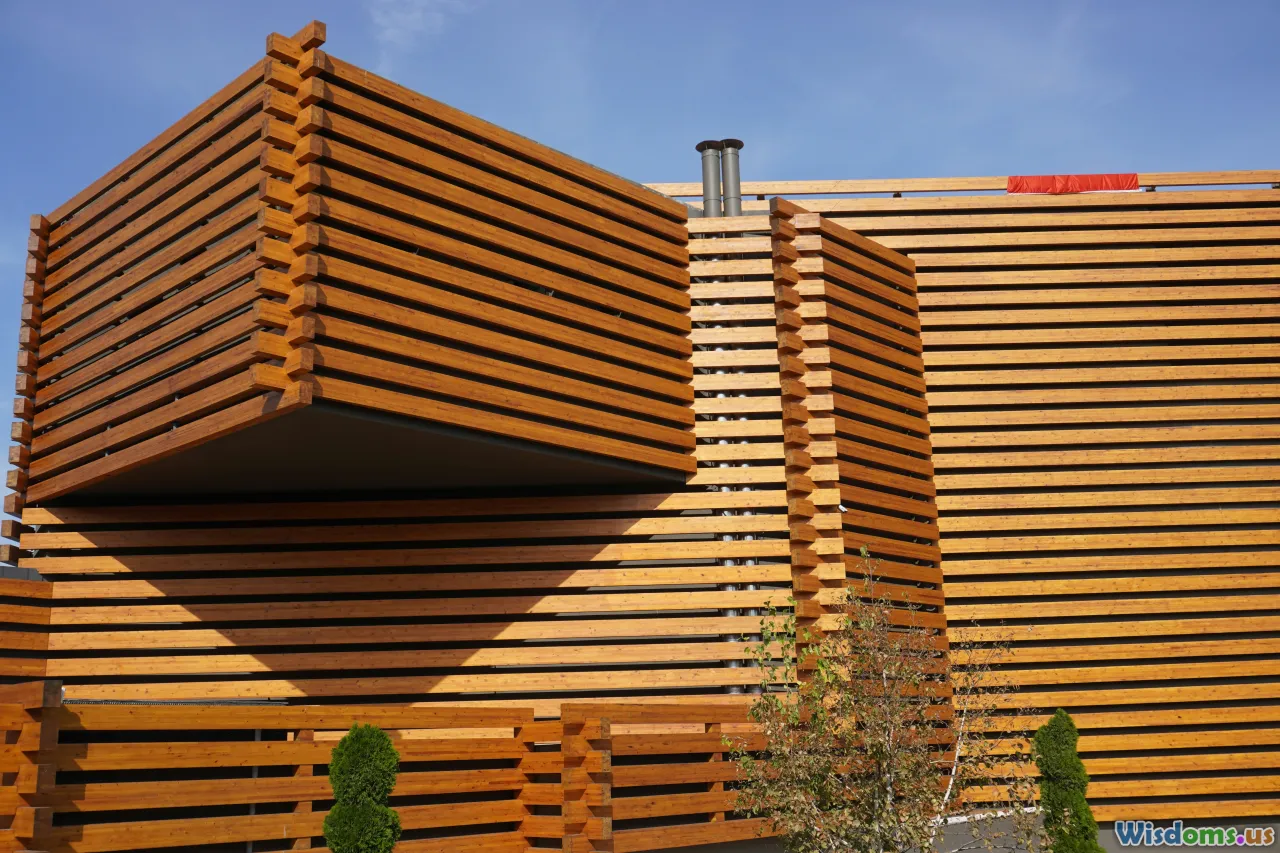
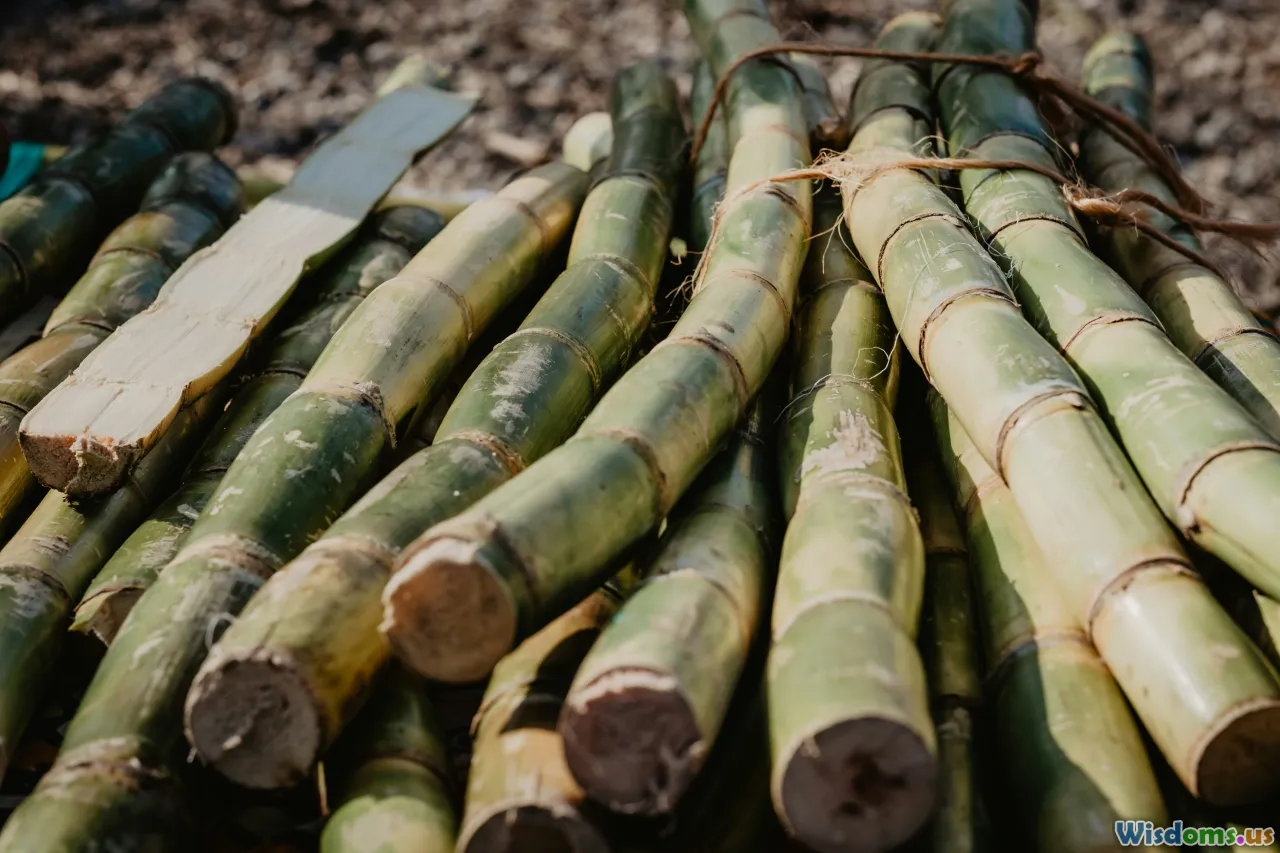
- Material substitution: Replacing high-carbon materials like conventional concrete and steel with mass timber, low-clinker cements, or earthen finishes can cut embodied carbon significantly. Biogenic materials (timber, bamboo, cork, hemp-lime) store carbon and often require less energy to produce.
- Operational energy savings: Green roofs and façades provide insulation and shading, reducing cooling energy—often by 10–30% on upper floors depending on climate, orientation, and planting density. Street trees can cut neighborhood cooling demand by shading facades and lowering ambient temperatures.
Practical strategies:
- Pair green façades with high-performance glazing to prevent heat gain. Species selection matters; evergreen climbers in warm climates provide year-round shading, while deciduous climbers allow winter sun.
- Choose mass timber for mid-rise housing or civic buildings, supported by thorough fire engineering and supply chain due diligence.
- Use cool roofs with vegetated modules where structure or maintenance constraints limit full green-roof installations.
The carbon math improves further when district energy systems leverage cooler ambient temperatures and shading to reduce peak loads, enabling smaller chillers and more stable grids.
Air, Health, and Everyday Resilience

Biophilic places make daily life better. Urban trees and shrubs intercept particulate matter and absorb gaseous pollutants, while shade reduces ozone formation along hot corridors. Researchers estimate that urban forests remove hundreds of thousands of tons of air pollutants annually across the United States, translating to health benefits valued in the billions of dollars through avoided hospitalizations and premature deaths.
Green space also supports mental health and social cohesion. Access to shaded parks and tree-lined streets is linked with lower stress, more physical activity, and better cognitive performance among children. During heat waves and blackouts, leafy neighborhoods offer “passive survivability”—cooler interiors without power. The payoff is visible in public life: people linger longer, local commerce picks up, and streets feel safer.
To make these benefits real for everyone, cities should map tree equity—areas with low canopy often overlap with historically disinvested neighborhoods. Planning for equitable access to clean, cool, green space is a climate strategy and a justice imperative.
What It Costs—and What It Saves
Nature-based solutions carry upfront costs: trees need root-friendly soils and irrigation, green roofs require structural checks and waterproofing, and bioswales need engineered media. But cost curves are trending in the right direction, and many cities find clear returns.
Consider the comparison:
- Gray stormwater retention vaults cost millions per block-scale installation and require energy to pump and treat. Green streets, by contrast, distribute storage across the public realm while adding shade and habitat.
- A mature street tree can deliver thousands of dollars in lifetime benefits—energy savings, stormwater reduction, property value uplift—at a comparatively modest planting and maintenance cost when the site is designed correctly.
- Green roofs may cost more upfront than standard roofs, but they extend membrane life, reduce HVAC loads, and provide stormwater credits or fee reductions that improve net present value.
Funding mechanisms include stormwater fee credits, development bonuses for green roofs, tax-increment financing around green corridors, climate bonds, and insurance incentives for flood-risk reductions. When cities quantify avoided damages (e.g., reduced heat-related healthcare costs, fewer flooded basements), biophilic solutions often outperform single-purpose gray investments on a lifecycle basis.
A How-To Roadmap for City Leaders
Implementing biophilic design at scale requires a citywide playbook:
- Diagnose and prioritize:
- Map land-surface temperature, flood-prone areas, air-quality hotspots, and social vulnerability indices.
- Identify climate-exposed assets: transit lines, hospitals, schools, and public housing.
- Set measurable targets:
- Canopy coverage goals by neighborhood (e.g., minimum 30% with customized targets for hotter areas).
- Stormwater performance (retain first 25–40 mm of rainfall for typical storms).
- Cooling metrics (reduce peak sidewalk surface temperatures by 10–20°C in priority corridors).
- Update codes and standards:
- Require or incentivize green roofs on large footprints.
- Adopt street design standards for tree spacing, soil volumes (at least 15–30 m³ per street tree via structural soils or suspended pavements), and permeable paving.
- Permit streamlined approvals for bioswales, rain gardens, and curb extensions.
- Finance and deliver:
- Use stormwater fees to fund green infrastructure; offer credits for private installations.
- Tie climate bonds to corridor-scale biophilic retrofits.
- Bundle projects to reduce per-unit costs and secure long-term maintenance funds.
- Stewardship and workforce:
- Engage community groups in planting and care; create green jobs pathways for pruning, irrigation tech, and ecological monitoring.
- Provide multi-year maintenance budgets—the first three summers are critical for tree survival.
A Design Playbook: From Lot to District

At every scale, biophilic design can be precise and performance-driven.
Lot/building scale:
- Green roofs: Choose extensive systems for lighter structures; target native grasses and sedums for drought tolerance. Consider irrigating with harvested rainwater during establishment.
- Facades: Pair trellises with planters or cable systems; ensure root volume and drainage; maintain clearances from windows/mechanical systems. Use deciduous climbers on south/west facades in temperate climates.
- Courtyards: Add trees with high leaf-area index; integrate permeable pavers and bioswales; include water features where feasible for evaporative cooling.
Street/block scale:
- Continuous soil volumes: Use suspended pavement systems to give roots space under sidewalks. Target a minimum of 15 m³ per tree, more for large-canopy species.
- Rain gardens and curb bump-outs: Capture roadway runoff; design inlets with debris screens and overflow weirs; select plants tolerant of inundation and drought.
- Permeable alleys: Retrofit service lanes to infiltrate stormwater and reduce flooding risk to adjacent properties.
District scale:
- Green corridors: Connect parks with shaded, biodiverse routes for pedestrians and cyclists. Layer canopy trees, understory shrubs, and groundcovers to stabilize microclimates.
- Daylighting and wetlands: Restore channelized creeks; create detention basins that double as recreation fields in dry periods and flood storage during storms.
- Climate plazas: Depressed plazas with permeable surfaces and subsurface storage double as event spaces and stormwater reservoirs.
Materials Matter: Embodied Carbon in Biophilic Design
Biophilic does not automatically mean low carbon. The material palette and detailing determine embodied impacts.
- Structure: Favor mass timber or hybrid systems where feasible; specify FSC-certified wood and verify supply chain sustainability.
- Concrete: Use low-clinker cements and supplementary cementitious materials. Target mix designs that reduce embodied carbon without compromising durability.
- Finishes: Choose natural, low-VOC finishes; avoid unnecessary cladding. Earthen plasters and lime-based paints contribute to hygrothermal comfort.
- Landscape: Source local stone and soils; avoid peat-based media; design irrigation systems for recycled water or harvested rainwater.
A full life-cycle assessment (LCA) helps trade off decisions—e.g., a thicker soil profile on a roof may add structural steel (raising embodied carbon) but deliver more stormwater retention and energy savings. Optimize the whole system, not just individual parts.
Operations, Maintenance, and Risk Management
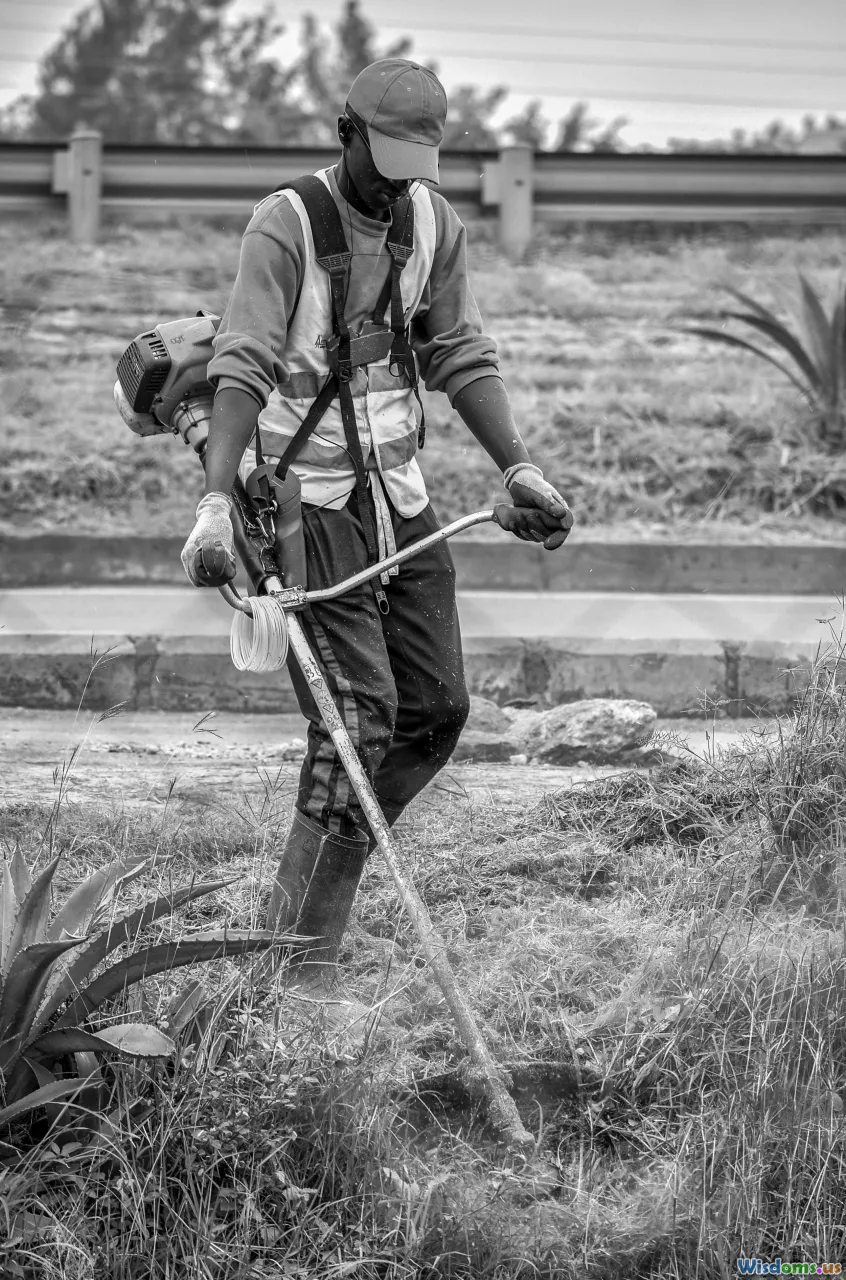
A common pitfall is underfunded maintenance. Successful programs bake stewardship into design and procurement.
- Establishment period: Trees need consistent water for the first 2–3 summers; budget for gator bags, mulch renewals, and pruning.
- Irrigation: Prioritize efficient systems with soil moisture sensors. Use non-potable sources when available.
- Plant selection: Favor native or climate-adapted species with diverse age classes to spread risk of pests and disease.
- Safety and liability: Design sightlines and proper clearances at intersections; use root barriers and structural soils to protect sidewalks.
- Drought and wildfire: In arid regions, design for sparse, fire-wise plantings near structures; maintain defensible space without sacrificing canopy where it’s safe to do so.
With good stewardship, performance improves over time as canopy grows and soils mature. Without it, clogged inlets and failed plantings can erode public confidence. Operations staff should be at the table during design, not just at handover.
Measuring What Matters: KPIs and Tools
To treat biophilic design as infrastructure, cities need metrics:
Key performance indicators:
- Canopy coverage by neighborhood and block
- Peak surface and air temperature reductions
- Rainfall captured per event and annually
- Energy savings (kWh, peak demand reduction)
- Carbon impacts (embodied and operational, CO2e)
- Air quality improvements (PM2.5, NOx proxies)
- Biodiversity indicators (pollinator counts, bird species)
- Public health metrics (heat-related ER visits in targeted areas)
Tools and methods:
- i-Tree: Quantifies urban forest benefits, including stormwater, air quality, and carbon.
- ENVI-met or similar microclimate models: Simulate shading and cooling scenarios for streets and courtyards.
- Remote sensing: Use satellite-derived land surface temperature to target hotspots and verify cooling benefits.
- Smart sensors: Rain gauges in bioswales, soil moisture sensors, and low-cost air monitors enable continuous commissioning.
- LCA software: Evaluate material choices and design iterations for embodied carbon.
Publish results in clear dashboards to maintain accountability and refine strategies over time.
Equity, Participation, and Anti-Displacement

Biophilic design will succeed only if it serves those most affected by climate risk. Historically redlined neighborhoods often have the least canopy and the most heat exposure. A just approach includes:
- Prioritization: Use a “tree equity” index to direct investments to high-need blocks first.
- Co-design: Involve residents in species selection, park programming, and stewardship models. Co-created places are cared for places.
- Anti-displacement measures: Pair green upgrades with tenant protections, affordable housing investments, and community land trusts to prevent climate amenity-driven displacement.
- Jobs: Train and hire local residents for planting, pruning, irrigation maintenance, and ecological monitoring, creating green-collar careers.
A cooling corridor that raises rents but displaces long-term residents is not a climate success. Design for belonging as much as for performance.
Fast Facts: Case Studies That Moved the Needle
- Medellín, Colombia: Green Corridors cut corridor temperatures by around 2°C while transforming mobility routes into shaded, biodiverse connectors.
- Singapore: A “City in Nature” approach stacks parks, skyrise greenery, and connected corridors; its pervasive canopy and water-sensitive design help moderate a tropical climate and manage intense rainfall.
- Milan, Italy: Bosco Verticale’s planted towers demonstrated how green façades can reduce local heat gain, support biodiversity (birds and insects), and influence a wider district’s microclimate.
- Seoul, South Korea: Cheonggyecheon daylighting lowered nearby air temperatures and created a high-amenity spine that handles storm flows while revitalizing public space.
- Melbourne, Australia: The Urban Forest Strategy set clear canopy targets and invested in long-term maintenance, showing that sustained tree care delivers cooling and health dividends.
- Portland, USA: Green Streets retrofits reduced combined sewer overflows and improved water quality, now a national reference for distributed stormwater design.
These places differ in climate, culture, and governance, but share common traits: clear goals, public buy-in, multi-agency coordination, and continuous measurement.
Policy Innovations and Financing Models
Scaling up requires policy that aligns budgets with outcomes.
- Stormwater fees and credits: Bill property owners based on impervious area; offer reductions for green roofs, permeable pavements, or on-site detention.
- Zoning incentives: Density or height bonuses for projects delivering public green terraces, mid-block passages, or canopy corridors.
- Green performance standards: Require a minimum landscape performance score tied to cooling, stormwater, and biodiversity metrics.
- Climate bonds: Fund corridor-scale upgrades and pay back with avoided flood damages and energy savings.
- Insurance and risk pools: Reward districts that reduce flood risk through premium discounts, aligning private incentives with public resilience.
Procurement can make or break delivery. Use outcome-based contracts that pay for verified performance—millimeters of rainfall retained, degrees of cooling achieved—rather than just installed square meters of greenery.
What Could Go Wrong? Common Pitfalls and How to Avoid Them

- Planting without soil: Trees in tiny pits fail. Provide generous, connected soil volumes and structural soils under sidewalks.
- Ignoring maintenance: Budget for establishment years; design for easy access, with clean-outs and clear overflow paths.
- Water waste: Match species to climate; irrigate efficiently using moisture sensors and non-potable sources.
- Monocultures: Diverse species and age classes reduce risk from pests and diseases.
- All greenery, no safety: Keep sightlines, design lighting, and ensure ADA compliance so spaces feel safe and welcoming day and night.
- Counting leaves, not outcomes: Track performance metrics and adapt strategies based on what the data shows.
The Next Wave: Biomimicry, Micro-Forests, and Digital Twins

Biophilic design is evolving fast:
- Micro-forests (Miyawaki method): Dense plantings of native species on small plots achieve rapid canopy and habitat gains, ideal for schoolyards and vacant lots.
- Biomimetic façades: Shading systems inspired by leaf venation or cactus ribs optimize solar control with minimal material.
- Algae and bio-solar skins: Experimental systems combine photosynthesis with energy production or shading; not yet mainstream, but promising where maintenance is feasible.
- Digital twins: City-scale models integrate climate, hydrology, and mobility data to simulate where trees and green infrastructure deliver the most benefit per dollar.
- Drones and robotics: Assist with canopy monitoring, seed dispersal on steep slopes, and inspection of hard-to-reach green roofs.
Innovation should stay grounded in operations—pilots with clear KPIs, honest maintenance assessments, and transparent learnings.
A Practical Checklist for New Projects

- Goals: Define cooling, stormwater, and carbon targets early; quantify in degrees, millimeters, and CO2e.
- Site analysis: Map sun paths, prevailing winds, soils, and utilities; identify hydrologic paths before sketching planting beds.
- Species: Select climate-adapted, diverse plant mixes; plan for four-season interest and habitat.
- Soil: Design engineered media for infiltration and root growth; ensure adequate volumes and connectivity.
- Water: Integrate rainwater harvesting; model irrigation demand under drought scenarios; choose efficient emitters.
- Structure: Verify loads for green roofs; detail root barriers and waterproofing; plan safe maintenance access.
- Safety and access: Maintain sightlines, lighting, and clear walking zones; make green features legible and welcoming.
- Measurement: Install sensors where useful; budget for monitoring and publish results.
- Stewardship: Assign responsibilities and funding for at least the first three years; train local crews.
Why This Matters Now
Biophilic design won’t solve climate change alone, but it can make cities safer, healthier, and more livable while we decarbonize energy, mobility, and buildings. It cools streets today, cuts flood risk this season, and builds social infrastructure that helps communities look out for one another. Perhaps most importantly, it restores a daily sense of reciprocity with nature—reminding us that cities are habitats too.
If you’re a policymaker, set clear performance targets and fund maintenance as infrastructure, not as an afterthought. If you’re a designer, treat hydrology and microclimate as the backbone, not the garnish. If you’re a community member, ask where the shade is needed most, and help care for it once it’s planted.
When we weave living systems into the hardscape with intention and care, the city becomes a partner in climate action. Streets feel walkable under summer sun, storms become manageable rather than catastrophic, and carbon is stored not only in materials but in the identity of the place. That’s the real promise of biophilic design: a city that breathes, adapts, and thrives in a warming world.
Rate the Post
User Reviews





Popular Posts