Why School Designs Often Fail Real Students Needs
38 min read Why conventional school architecture misses real student needs—and how evidence-based, flexible, inclusive design improves attention, accessibility, safety, and wellbeing. (0 Reviews)
Why School Designs Often Fail Real Students’ Needs
Walk into almost any school built in the last 50 years and you’ll find a strange mismatch: a space calibrated for perfect compliance and tidy photographs, yet hard for real students to learn in. The chairs are lined up, the hallways are long and echoing, the clock rings at the same minute for everyone. When you watch closely—who fidgets, who struggles to hear, who squints at glare, who dreads the bathroom, who can’t find a quiet corner—you realize the issue isn’t a lack of effort. It’s a design problem.
Traditional school design often optimizes for management, code compliance, and budget optics. Real learning, however, is messier. It thrives on good light and air, on manageable noise, on flexible space, on safety that feels safe, on predictable rhythms, and on dignity. This article breaks down why so many school designs miss the mark, what the research says, and how to fix it—today and over time.
The Assumption Gap: Designing for an Imaginary Student
Many schools are designed for a mythical “average” student who sits still, hears perfectly, thrives under bright lights, eats fast, and learns best from a front-facing lecture—every period, every day. Real students vary widely: in attention profiles, sensory thresholds, home responsibilities, cultural backgrounds, language proficiency, and health. A space that works well for one student can actively undermine another.
Common assumptions that break down in practice:
- All students learn best in the same kind of room. In reality, learning modes (direct instruction, small group, solitary focus, hands-on making) demand different spatial and acoustic conditions.
- Quiet means learning. Many “quiet” spaces are acoustically noisy due to HVAC hum and reverberation; students with hearing differences or those learning a new language can lose key words and context.
- Compliance equals safety. Overly policed entries, opaque bathroom layouts, and narrow corridors can escalate anxiety and conflict. Students report higher safety when relationships and line-of-sight are prioritized.
- Technology equals progress. Laptops on unstable Wi‑Fi with no charging or storage plan create more friction. Good technology integration is as much about furniture, power, and pedagogy as devices.
Design that starts with student observation—the real behaviors and bottlenecks of a typical day—creates different priorities. If you shadow a ninth grader from bus stop to last bell, you’ll likely uncover more actionable design improvements in one day than a stack of architectural renderings will reveal in a month.
The One-Size-Fits-All Classroom Trap
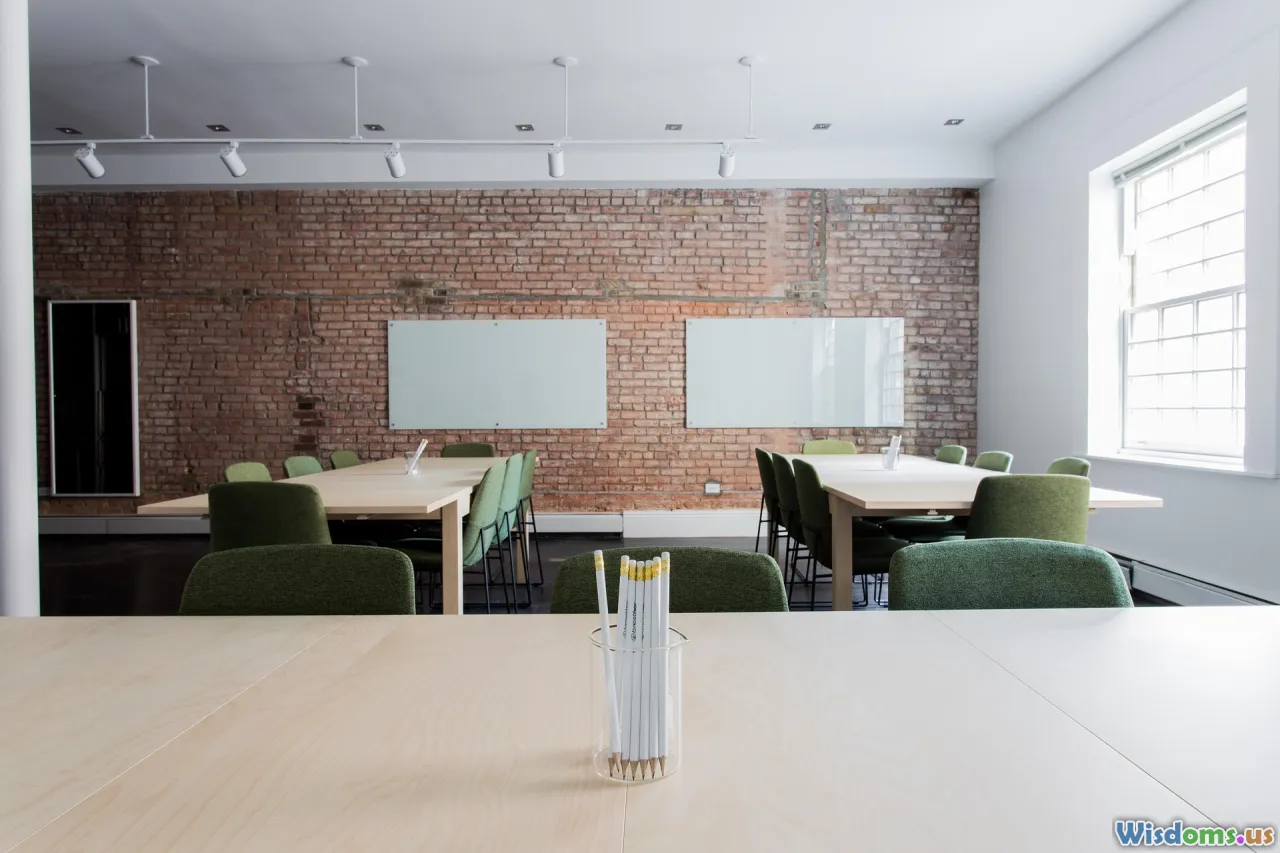
Rows of identical desks solved a 19th-century management challenge, not a 21st-century learning problem. Yet many classrooms still assume a fixed front, a fixed seat, and a fixed posture.
Problems with traditional layouts:
- Posture lock: Fixed chairs reduce wiggle room and increase off-task movement. Many students focus better with micro-movements (e.g., foot bars, wobble stools, rocking chairs).
- Sightline inequity: Students at the sides or back often have poor views of the board or the teacher’s face, undercutting lip-reading and nonverbal cues essential for comprehension.
- Mode mismatch: A lecture-friendly layout is group-work hostile; tables jammed together amplify noise and distractibility.
What works better:
- Zoned classrooms: Create three default zones—focus (single seating, screens or shelves for visual quiet), collaboration (tables for 4–6 with mobile whiteboards), and mini-studio (standing benches or high tables for models, labs, or art). Use rugs or different flooring to signal zones.
- Mobile, not flimsy: Invest in lockable casters and joints that don’t wobble. Nothing kills small-group work like a table that squeaks or rocks under pencils.
- Vertical surfaces: 20–30 linear feet of writable walls or mobile boards turns the room into a shareable working memory space.
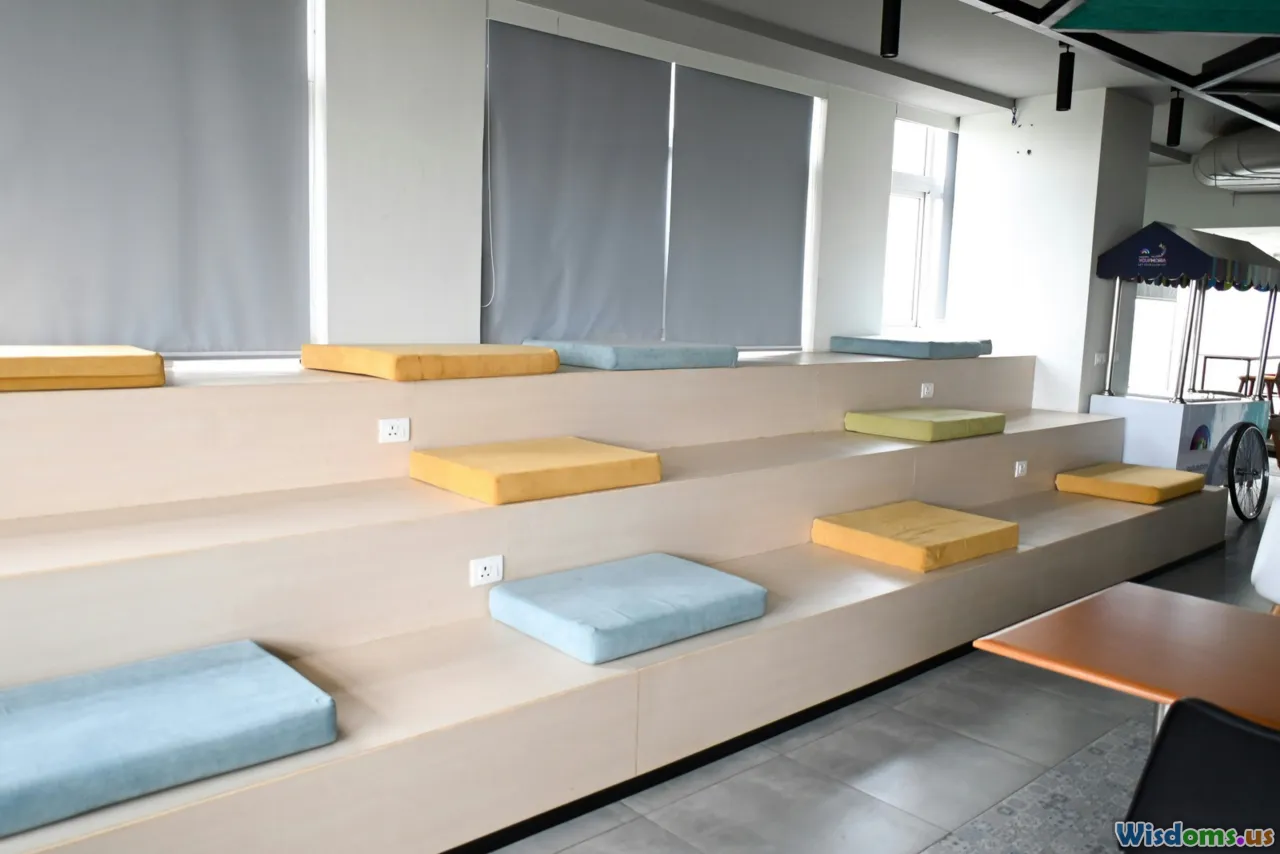
- Seating variety: Offer 3–4 seat types per room (e.g., standard chair, wobble stool, soft seat, standing rail). Choice is autonomy; autonomy improves engagement.
Tip: Pilot one classroom as a full-flex prototype for a semester. Track dwell time in each zone, student preferences by task, and teacher setup time. Use those insights to scale only what actually works.
Acoustics: The Biggest Invisible Barrier

Up to 60% of classroom learning time is listening, yet many rooms are acoustically hostile. Students need a signal-to-noise ratio of about +15 dB to catch all speech sounds, especially early readers, English learners, and those with hearing differences. Typical classrooms hover around +5 dB.
Key facts and standards:
- ANSI/ASA S12.60 recommends maximum background noise of 35 dBA and reverberation times (RT60) of 0.6–0.7 seconds for small classrooms. Many rooms measure 45–55 dBA with RT60 well over 1.0 second, especially with hard floors and bare walls.
- Noise doesn’t just annoy; it erodes working memory and increases fatigue. Students miss phonemes, and the mental work of filling gaps steals resources from comprehension.
Fixes that work (and how to do them fast):
- Soften surfaces: Aim for a Noise Reduction Coefficient (NRC) of 0.7+ on ceiling tiles. Add 15–25% wall coverage with acoustic panels in the rear and side walls to reduce flutter echo. Library-grade carpets or area rugs in zones (not wall-to-wall if maintenance is a concern) cut high-frequency bounce.
- Seal the leaks: Door sweeps and perimeter gasketing on classroom doors often drop corridor noise by 5–8 dB for under $150 per door.
- Quiet the air: Oversized or poorly balanced HVAC can roar. Ask maintenance to measure sound pressure levels at student ear height; target ≤35 dBA. If the unit is noisy, adjust fan speeds, add lined ductwork, or install acoustic plenums.
- Microphones aren’t magic: Sound-field systems help, but if the room is reverberant, amplification can boost noise too. Treat the room first, then amplify judiciously.
Quick test: Stand at the back of the room and read a paragraph in a normal voice while students face away. If 20% can’t transcribe accurately, your acoustic SNR is insufficient—fixing it will likely yield instant gains in attention and comprehension.
Light and Air: Cognitive Fuel Most Schools Underdeliver
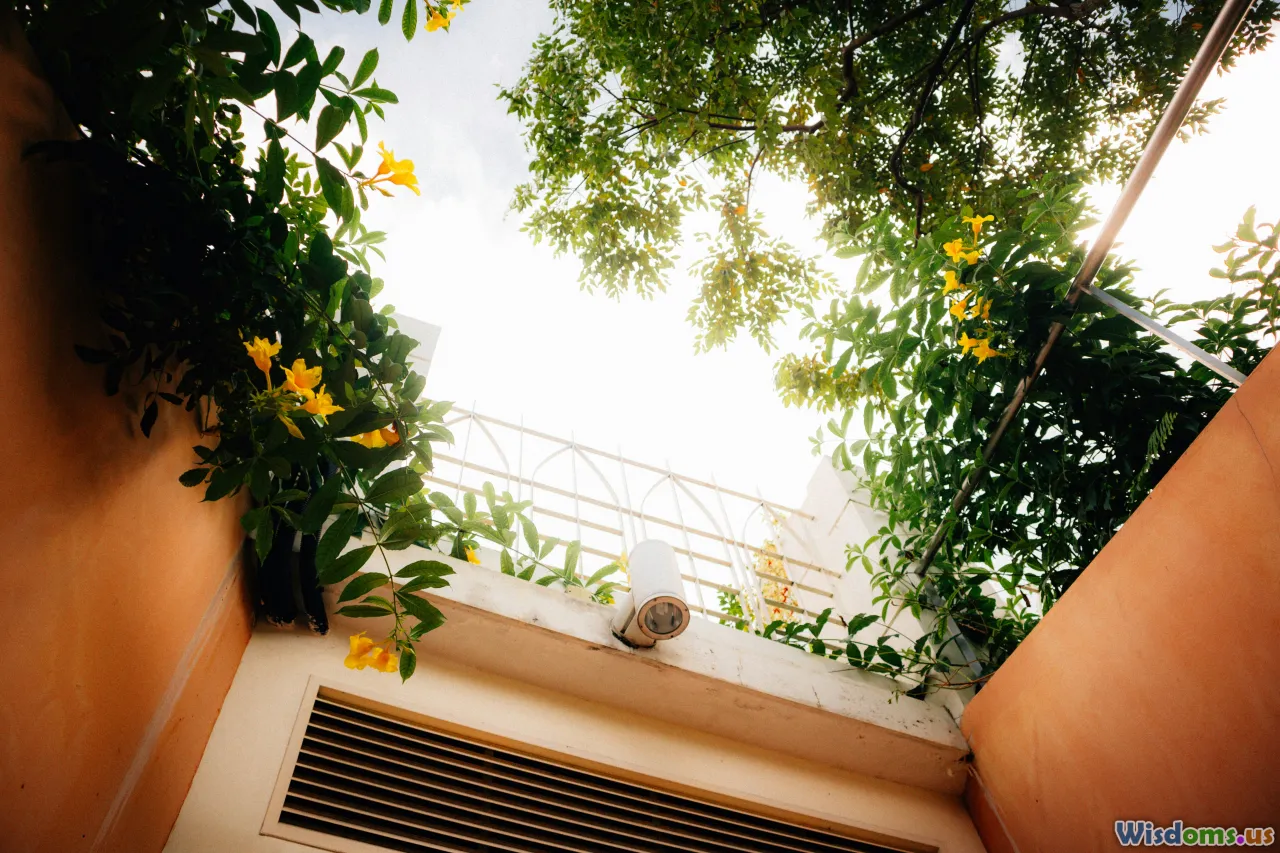
Light and air are learning’s raw materials. Schools often underinvest in both, even though improvements are measurable and fast-acting.
What the research says:
- Daylight and views: The Heschong Mahone daylighting studies found students in well-daylit classrooms progressed faster—up to roughly 20% in some subjects—than peers in poorly daylit rooms. Glare is the enemy; diffuse light is the ally.
- Air quality and CO2: Cognitive function declines as indoor CO2 rises above ~1,000 ppm. Harvard’s COGfx studies showed significantly better decision-making scores in low-CO2, low-VOC conditions. Many classrooms exceed 1,500 ppm by mid-morning without adequate ventilation.
- Temperature: Performance drops about 2% per degree Celsius above 22°C (72°F). A study of college students during a heat wave showed those without AC had lower cognitive performance; similar effects occur in K–12.
Design and operational strategies:
- Ventilation targets: Work with facilities to meet or exceed ASHRAE 62.1 ventilation rates. Install CO2 sensors (one per room, placed away from vents) and display live readings. Aim for <800 ppm during occupied hours; investigate causes if readings exceed 1,000.
- Filtration: Use MERV-13 filters where systems allow. In older buildings or during smoke events, portable HEPA units can cut particulate loads and have been linked to measurable gains in test scores in natural experiments following filter deployments.
- Daylight without glare: Use high-transmittance, low-reflectance shades; prioritize light shelves and diffusing blinds over blackout curtains. Choose 3500K–4000K LED with high CRI (80+) and low flicker (IEEE 1789 guidance) for artificial light.
- Thermal comfort options: Provide teachers with zoned controls where possible. If not, offer small, silent fans and window shades for micro-adjustments. Consider ceiling fans to extend comfort range without increasing energy use.
Low-cost move today: Put a $150 air-quality monitor in each room for a week. Share findings with students; co-create a ventilation playbook (when to open windows and doors, where to place HEPA units, how to avoid cross-drafts) tailored to that room’s reality.
Bell Schedules vs. Brains: When Time Design Fights Learning

Space and time are inseparable. If your bell schedule ignores how brains work, even a beautifully designed classroom won’t save you.
Core insights:
- Teen sleep: The American Academy of Pediatrics recommends middle and high schools start no earlier than 8:30 a.m. Districts that shifted later saw better attendance and grades. In Seattle, moving the start time roughly an hour later yielded about 34 minutes more sleep and improved grades.
- Cognitive rhythms: Attention and working memory dip and rise across the day. Long, uninterrupted seat time reduces learning; short movement breaks improve retention.
- Transition costs: Five-minute passing periods in long corridors force sprints and conflict; too many transitions fragment attention.
Design–schedule alignment:
- Fewer, richer transitions: Use longer blocks (70–90 minutes) with structured variation inside: a short warm-up, direct instruction, paired practice, movement, and reflective work. Equip rooms for multiple modes so teachers don’t spend 10 minutes moving furniture.
- Breaks are design features: Build 3–5 minute movement breaks into blocks. Provide flexible hall “pause zones” with lean rails, water fountains, and light to encourage calm reset—not crowding.
- Start later, end healthier: Pilot a late start one day per week; measure tardiness, nurse visits, and first-period assessments before and after. Use data to build the case districtwide.
Designing for Neurodiversity and Sensory Needs
A student with ADHD, autism, or sensory processing differences is often the “canary in the mine” revealing design friction everyone feels to a lesser degree.
Make rooms legible and adjustable:
- Visual quiet: Limit wall clutter in sightlines used for instruction. Showcase student work in designated galleries instead of every available surface. Use muted, warm palettes and textured finishes to soften glare.
- Layered lighting: Provide dimmable zones and task lights. Avoid flicker-prone fixtures and strobing from old projectors.
- Retreats and choices: Create a quiet corner with soft seating and screens. A simple side table and a privacy panel can be the difference between meltdown and recovery.
- Predictable wayfinding: Color-code floors or door frames by wing or subject; use symbols plus words on signage to support early readers and multilingual students.
Policy pairs with design:
- Offer headphones for focus and for sound sensitivity.
- Normalize movement: Add foot rails under some desks and a standing rail at the back.
- Make sensory rooms or calm spaces available proactively, not as punishment or last resort.
Universal Design for Learning (UDL) reminds us that designing for variability helps everyone. The same dimmable, low-glare light that calms a sensory-sensitive student reduces fatigue for all.
Safety That Feels Safe: Beyond Hardware and Theater

Hardened entries, cameras, and metal detectors can create a sense of siege without addressing the daily safety most students care about: bullying in hallways, harassment in bathrooms, and chaotic arrival and dismissal.
Design for relational safety:
- Sightlines over surveillance: Shorter hall segments with glass at classroom doors enable natural supervision without turning hallways into gauntlets. Avoid blind corners; use convex mirrors where needed.
- Bathrooms with dignity: Floor-to-ceiling stalls with minimal gaps, good lighting, and shared sink areas in visible spaces reduce harassment. Clear, inclusive signage reduces confusion and stigma.
- Commons that invite, not intimidate: Atrium spaces with varied seating heights and smaller nooks reduce crowding and give students safer options to gather.
Research on school climate consistently links student–adult relationships and predictability to safety outcomes. Design can reinforce those relationships: places to talk, to cool down, to ask for help without an audience.
Movement and Outdoor Learning Aren’t Add-Ons
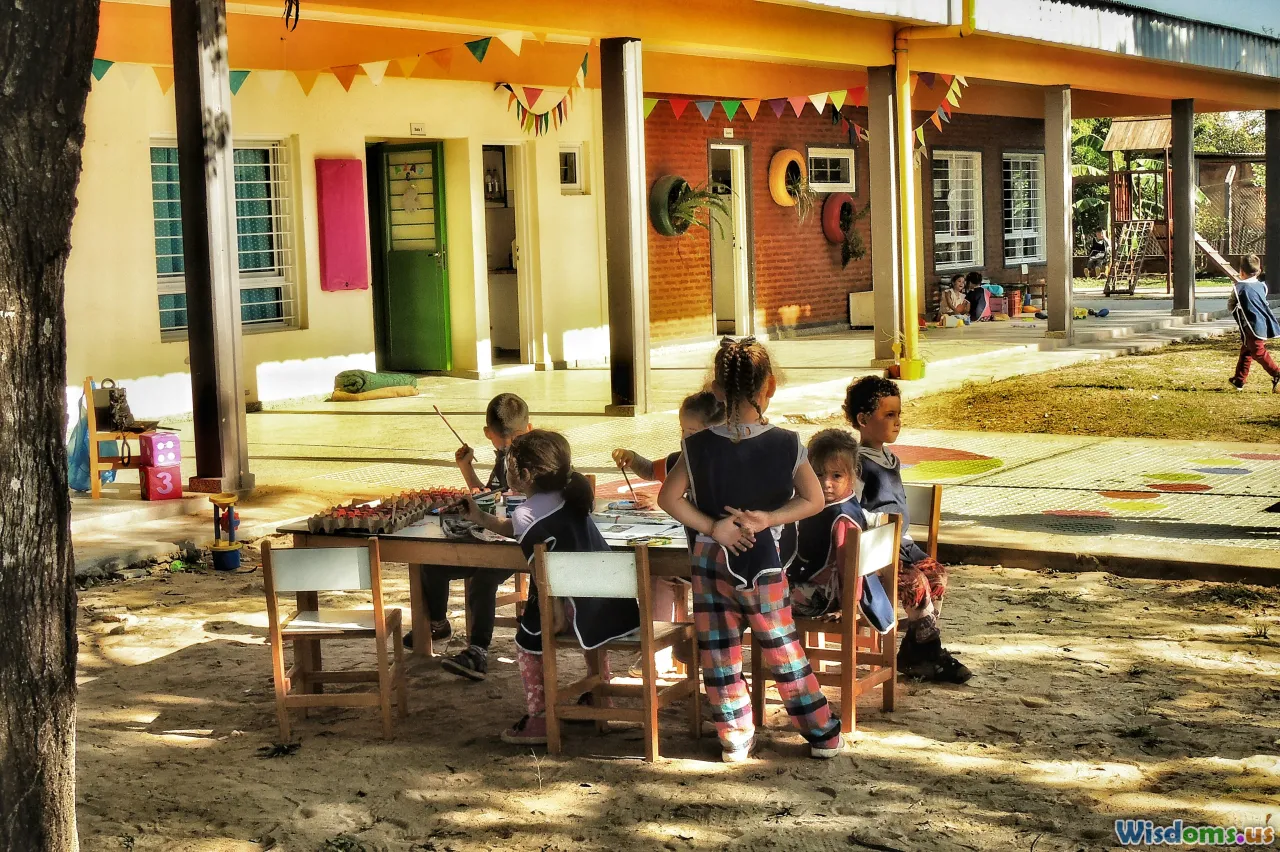
Movement increases blood flow, primes the brain for learning, and improves mood. Yet many schools have tiny, barren yards and schedules that treat recess as expendable.
Evidence and opportunities:
- The CDC recommends at least 20 minutes of daily recess for elementary students. Recess improves on-task behavior afterward and can reduce disruptions.
- Green views reduce stress and can improve working memory. Even modest plantings or outdoor lessons correlate with calmer classrooms.
- Covered outdoor classrooms—an awning, benches, whiteboard—extend usable space and reduce indoor crowding.
Design ideas:
- Perimeter tracks: Painted loops and pacing paths let students walk during breaks without colliding with games.
- Loose parts and maker carts outdoors: Stumps, crates, ropes, and ramps support STEM and play. Outdoor storage is essential—budget for it.
- Micro-gyms: Install a few pull-up bars, balance beams, and step-up platforms in overlooked corners.
Not enough land? Activate roofs or courtyards; use nearby parks with agreements. Movement is not a perk—it’s infrastructure for learning.
Technology Integration: It’s Not Just Devices
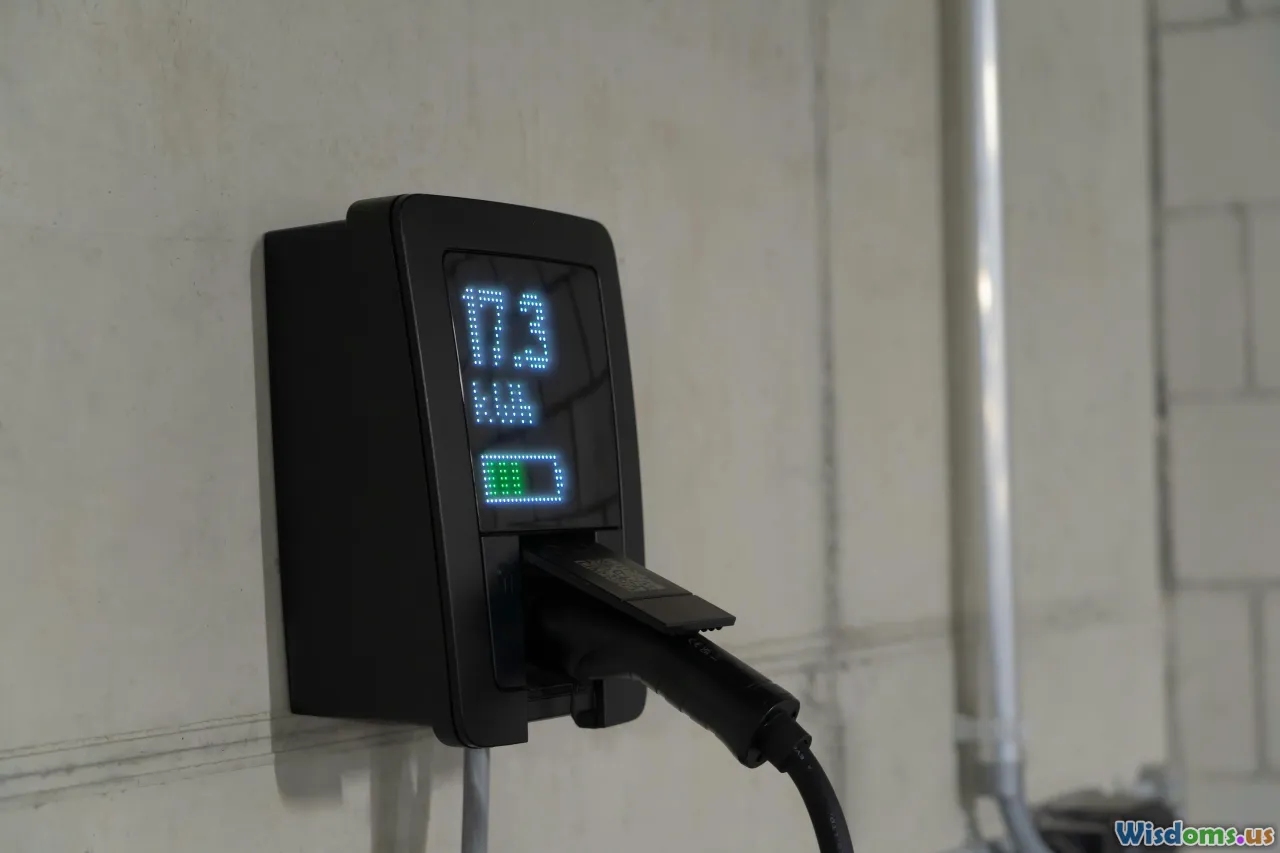
A 1:1 device program without the right space and power plan is a classroom management headache waiting to happen. Good tech integration is about the ecosystem.
Design pitfalls:
- Power deserts: Students crowd the one outlet; cords snake across walkways.
- Audio chaos: Simultaneous video or small-group recordings in hard rooms generate painful noise levels.
- Projection wars: Screens placed opposite bright windows wash out; low mounting points cause head shadows.
Better setups:
- Distributed power: Add floor boxes or perimeter raceways; consider desk-mounted USB-C hubs where safe. Provide a charging “valet” with numbered slots and visual check-in.
- Zoned audio: Soft acoustic partitions or phone-booth style pods for recording, language practice, and tele-mentoring.
- Sightline-savvy displays: Use short-throw projectors or direct-view displays mounted above adult eye height, angled to minimize glare.
- Cable discipline: Ceiling-mounted reels or integrated pathways keep cords off floors.
Policy and pedagogy:
- Device parking during non-tech segments reduces distraction. Designate a shelf per student team.
- Teach noise norms with decibel meters. Students can self-manage a “green/yellow/red” audio scale.
Wayfinding and Accessibility: Beyond Code Minimums
Technical compliance is not the same as accessibility. Design for actual bodies and minds, not just measurements on a plan.
Common misses:
- Identical corridors create disorientation; students with executive function challenges lose time and confidence.
- Elevators tucked in remote corners make the accessible route socially isolating.
- Door hardware and heavy closers challenge younger students and those with mobility limitations.
Better practices:
- Landmarks and color: Use distinct colors or icons per wing or grade; add playful ceiling or floor cues. Wayfinding should be readable to a first grader and a newcomer family.
- Equitable routes: Put elevators and ramps on the natural path through the building. Provide automatic door operators at key points.
- Real reach: Place water fountains, hand dryers, and intercoms at heights accessible to small children and wheelchair users.
Remember: ADA is the floor, not the ceiling. Inclusive design also means clear sightlines for people using wheelchairs in auditoriums, quiet rooms for sensory breaks, and text+icon signage for multilingual communities.
Cafeterias, Lunch Lines, and the 20-Minute Problem
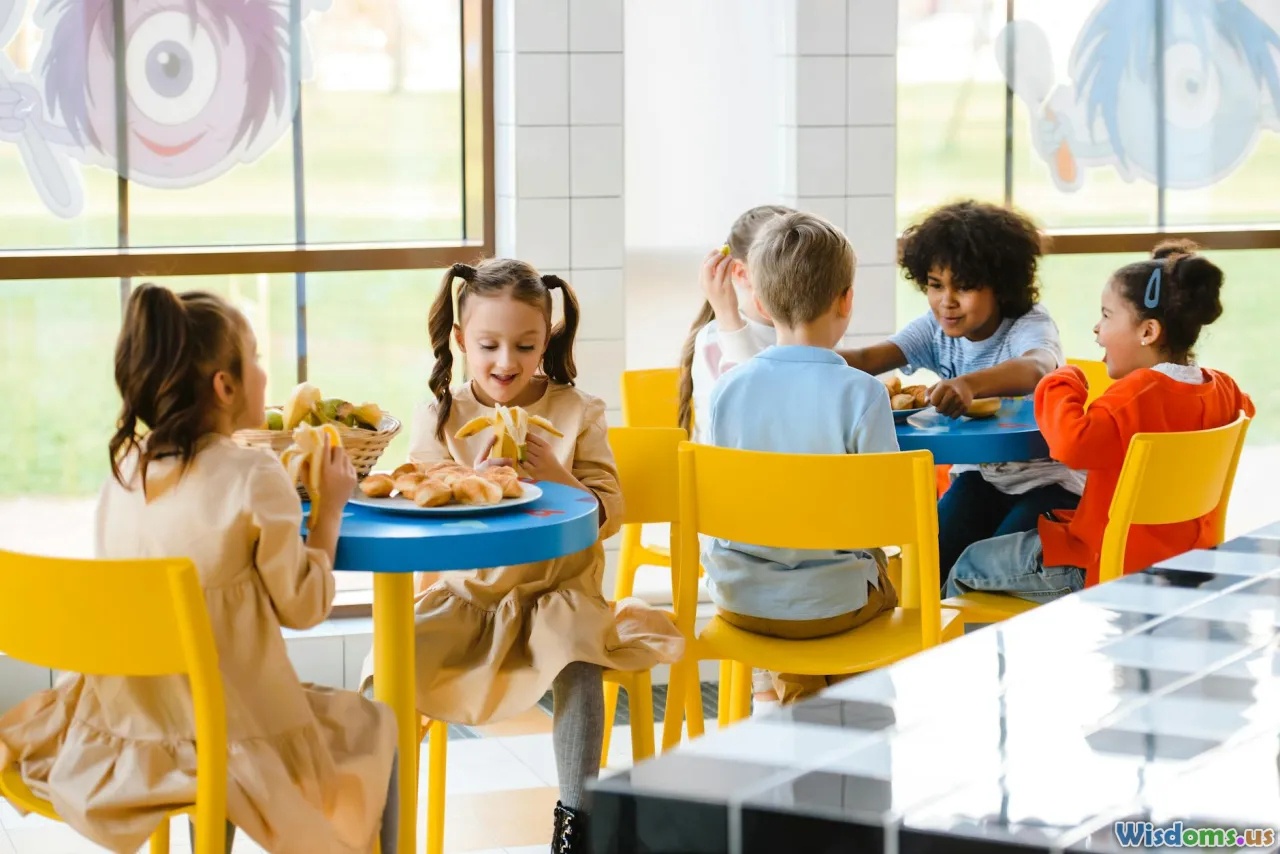
Nutrition fuels learning, yet many cafeterias are noisy, rushed, and confusing. The CDC recommends that students have at least 20 minutes of seated time to eat—not counting time in line. Many schools fall short.
Design issues and fixes:
- Distorted acoustics: Double-height rooms with hard surfaces push noise into the 75–85 dBA range. Add ceiling baffles and acoustic clouds; break up the volume with lower soffits where possible.
- Queue chaos: One or two lines for hundreds of students wastes precious minutes. Add multiple serving points, pre-order pickup shelves, and visual menus far in advance of the serving area to speed decisions.
- Seating variety: Offer smaller tables for quieter groups plus benches for social clusters. Provide bottle fillers and water access in or near the cafeteria.
- Light and dignity: Good sightlines reduce misbehavior; warm light and clear signage reduce stress for younger students.
Operational moves:
- Staggered starts to lunch or “fast lanes” for cold items reduce line length.
- Train student ambassadors to assist younger students with trays.
Measure success by seated minutes, decibel levels, plate waste, and student surveys on noise and comfort.
Environmental Equity: Location, Pollution, and Health

Where a school sits matters. Proximity to highways, industrial zones, or busy streets increases exposure to particulate pollution (PM2.5), which correlates with respiratory issues and even short-term cognitive effects.
Actionable steps:
- Site shields: Use vegetation barriers (dense, multi-species plantings) and set back playgrounds from traffic where possible. While plants don’t scrub all pollutants, they can reduce particulate exposure at the fence line.
- Filtration upgrades: MERV-13 filters and sealed windows near high-traffic roads help. Portable HEPA units in classrooms with poor outdoor air quality can reduce PM2.5 spikes.
- Idling policies: Enforce no-idling zones for buses and cars. Design pickup loops so queues do not sit next to outdoor play areas.
- Water safety: In older buildings, test for lead at the tap. Use filtered bottle fillers and clearly label safe fixtures.
Equity lens: Schools serving historically marginalized communities are more likely to face environmental burdens and deferred maintenance. Prioritize capital dollars and retrofit schedules based on need, not optics.
Community and Culture: Spaces That Tell Students They Belong

Culture is spatial. When students see their languages, histories, and work honored on the walls—and when there are places to gather, mentor, and create—they feel ownership.
Design for belonging:
- Learning commons over closed stacks: Libraries that mix books with maker zones, recording nooks, and flexible seminar rooms become the academic heart of a school.
- Exhibition everywhere: Built-in display panels in corridors for rotating student work and local histories. Avoid clutter by designating high-visibility galleries and changing them regularly.
- Welcome centers: A front door that reads as hospitality, not interrogation—comfortable seating, multilingual signage, and a staffed desk with sightlines to arrivals.
Co-create culture:
- Involve student design teams for murals, color schemes, and furniture choices. Ownership reduces vandalism and increases care.
- Open spaces after hours for community classes or clinics; design secure zones so shared use doesn’t risk the whole building.
Why the Process Breaks: Procurement, Timelines, and the Photo-Op Problem

Even good architects can deliver bad schools if the process incentives are off.
Common traps:
- Lowest-bid tyranny: When the contract rewards lowest first cost, long-term performance (lighting quality, acoustics, durability) gets “value engineered” out.
- Token engagement: A single evening meeting with parents and no student voices yields predictable oversights. Stakeholders need multiple, iterative touchpoints.
- Renderings over prototypes: A glossy image can hide an unworkable layout. Ten hours in a mock classroom beats a hundred comments on a PDF.
A better process:
- Discovery sprints: Start with observational ethnography—shadow students and staff. Document pain points with photos and data (SPL, CO2, lux, temperature, occupancy heatmaps).
- Prototyping: Build a test classroom, a test corridor corner, a bathroom mock-up. Invite students and staff to use them for a week; gather feedback with structured rubrics.
- Stage gates: Tie payments to performance criteria (e.g., acoustic and daylighting metrics met after commissioning), not just substantial completion.
- Post-occupancy evaluation (POE): Budget for 6- and 12-month POEs to fix what didn’t work and document what did.
The 10-Day School Design Audit You Can Run Now
You don’t need a bond measure to start. Use this sequence to surface high-impact fixes.
Day 1–2: Baseline the air and sound
- Place inexpensive sensors (CO2, PM2.5, temperature) in five representative classrooms; log readings across a day.
- Measure average dBA during instruction and transitions.
Day 3: Light and glare
- Use a lux meter (or app) to map light levels across the room at student desk height. Note glare spots on screens and whiteboards.
Day 4: Furniture and posture
- Observe seating behavior every 10 minutes. Note fidgets, slumps, and “escape” behaviors. Ask students which chairs they prefer for different tasks and why.
Day 5: Wayfinding and queues
- Time common routes: bus to homeroom, class to class, cafeteria to table. Identify bottlenecks and blind corners.
Day 6: Bathrooms
- Check privacy, cleanliness, line-of-sight to sinks, and stall reliability. Survey students anonymously about comfort and safety.
Day 7: Lunch audit
- Track average line time and seated minutes. Measure noise; sample plate waste. Ask a small group how to improve the experience.
Day 8: Movement and outdoor use
- Count where students move between classes and during breaks. Identify dead zones that could host micro-gyms or seating.
Day 9: Start-time and energy
- Survey students on sleep and morning alertness. Compare first-period tardiness and nurse visits to later periods.
Day 10: Synthesis and quick wins
- Prioritize fixes by cost vs. benefit. Share findings with the whole community and start with 2–3 quick changes per category.
Low-Cost Fixes With Outsized Impact

You can make many spaces better in weeks, not years.
- Acoustic tune-up: Door sweeps, wall panels, felt pinboards, and area rugs in zones. Use tennis-ball chair tips only as a last resort—they shed particulates; better to use commercial glides.
- Lighting sanity: Replace flickery tubes with low-flicker LED; add window film or shades to cut glare; install task lights for reading nooks.
- Air hygiene: Add portable HEPA filters in rooms with high PM2.5 or no mechanical ventilation; set to a low, quiet setting during instruction, higher during empty periods.
- Furniture tweaks: Introduce a few wobble stools and standing options; add bookcases at right angles to create micro-zones and visual quiet.
- Wayfinding boosts: Color-coded door frames by grade; icons on key rooms; hallway striping to separate flows.
- Bathroom dignity: Install stall gap seals, brighter even lighting, and coat hooks; keep doors that face directly into hall traffic half-walled or angled for privacy without blind spots.
- Tech basics: Add a charging cart and a storage shelf in every room; label power cords and teach a 30-second cable reset routine.
- Outdoors: Shade sail plus benches equals instant outdoor classroom; paint games and walking loops on asphalt.
Track outcomes (noise reductions, CO2 drops, student satisfaction) to build momentum and the case for bigger investments.
Metrics That Matter: How to Know Design Is Working

Measuring what matters ensures you don’t mistake shiny for effective.
Keep a simple dashboard:
- Indoor environment: Average and peak CO2 (target <800 ppm), average dBA during instruction (target ≤55 dBA) and transitions, average lux on desktops (target 300–500 lux for reading), temperature range (20–24°C).
- Learning behaviors: On-task time, transition time lost, help-seeking wait times in commons (e.g., counselor, nurse).
- Health and safety: Nurse visits by period, bathroom incident reports, minor injury locations, absenteeism.
- Experience: Quarterly student and teacher surveys on comfort, safety, and ability to focus.
- Usage heatmaps: Which spaces sit empty; which are oversubscribed.
Make data visible. A lobby screen showing real-time air quality and energy use invites student inquiry and accountability.
Three Mini Case Studies: What Changed and Why It Worked

Case 1: Mapleview Middle School (pseudonym)
- Problem: Sixth-grade wing had CO2 levels peaking at 1,900 ppm by 10:30 a.m.; students reported headaches and sluggishness. Noise averaged 60 dBA during instruction.
- Intervention: Balanced existing HVAC, upgraded to MERV-13 filters, added CO2 monitors, and introduced portable HEPA units set to low. Installed acoustic wall panels covering 20% of side walls; added door sweeps.
- Result: Peak CO2 dropped to 850–1,000 ppm. Noise fell to ~52 dBA. Teachers reported fewer redirections and smoother small-group work. Nurse headaches visits during morning periods dropped by 30%.
Case 2: Southside High Commons
- Problem: Lunchtime lines ran 12–15 minutes; students had 10–12 minutes to eat. Noise made the space unusable for study halls.
- Intervention: Added two satellite cold-serve stations and a pre-order pickup shelf; hung acoustic clouds; reorganized seating into smaller pods with varied heights.
- Result: Median line time fell to 5 minutes; seated time averaged 21 minutes. Decibel levels decreased by ~8 dB. Students started using the commons during off-periods without staff complaints.
Case 3: Rancho Elementary Classrooms
- Problem: Students with sensory sensitivities struggled with glare and visual clutter.
- Intervention: Installed roller shades with 3% openness, reorganized wall displays to one gallery per room, replaced flickering lamps, and added a quiet nook with soft lighting and noise-dampening panels.
- Result: Teachers reported calmer transitions and improved focus during reading blocks. Student surveys showed a 40% increase in “I can find a comfortable place to work.”
A Future-Proof Playbook: Flexibility, Resilience, and Joy

Student needs change; so should schools. Future-proofing is less about predicting the next gadget and more about embedding adaptability.
Design principles:
- Modular over monumental: Demountable partitions, raised floors with accessible power, and mobile casework allow program changes without gut renovations.
- Distributed power and data: Layered power (floor boxes, perimeter, ceiling drops) supports evolving tech. Provide robust Wi‑Fi with site surveys to eliminate dead zones.
- Resilience by design: Operable windows where climate allows, shading to reduce heat loads, and battery-backed emergency lighting. Consider site microgrids or solar readiness to keep learning going during outages.
- Outdoor infrastructure: Permanent shade structures, weather-resistant seating, and reliable storage make outdoor learning routine, not occasional.
- Material honesty: Durable, cleanable finishes that don’t off-gas. Specify low-VOC paints and adhesives.
- Joy as a metric: Natural materials, daylight, color, and places to display work signal that learning is a human, creative act.
Leadership moves:
- Involve students as co-designers and evaluators. Pay them stipends or offer credit for meaningful contributions.
- Tie budget approvals to lifecycle cost and health metrics, not just first cost.
- Commit to annual POEs and publish the results.
Design shouldn’t be a one-time event; it’s a feedback loop. When you build, measure, learn, and adjust, spaces evolve with your community rather than aging into irrelevance.
The best schools feel simple and calm, not because they’re minimal, but because they’ve edited out friction. The bell aligns with brains. The air is fresh. The light is gentle. The acoustics support quiet conversation and big ideas. There’s always a place to move, to focus, to ask for help, to be yourself. That’s not an accident—it’s design aligned with real students’ needs. Start with one room, one hallway, one lunch line, one policy. Listen closely, measure honestly, iterate quickly. And watch learning breathe.
Rate the Post
User Reviews
Other posts in Public Architecture




Popular Posts