Unveiling Hidden Stories Behind World Heritage Landmarks
29 min read Discover untold histories, overlooked communities, and surprising origins behind UNESCO World Heritage landmarks, from Machu Picchu to Timbuktu, revealing how conservation, conflict, and culture shape what we remember. (0 Reviews)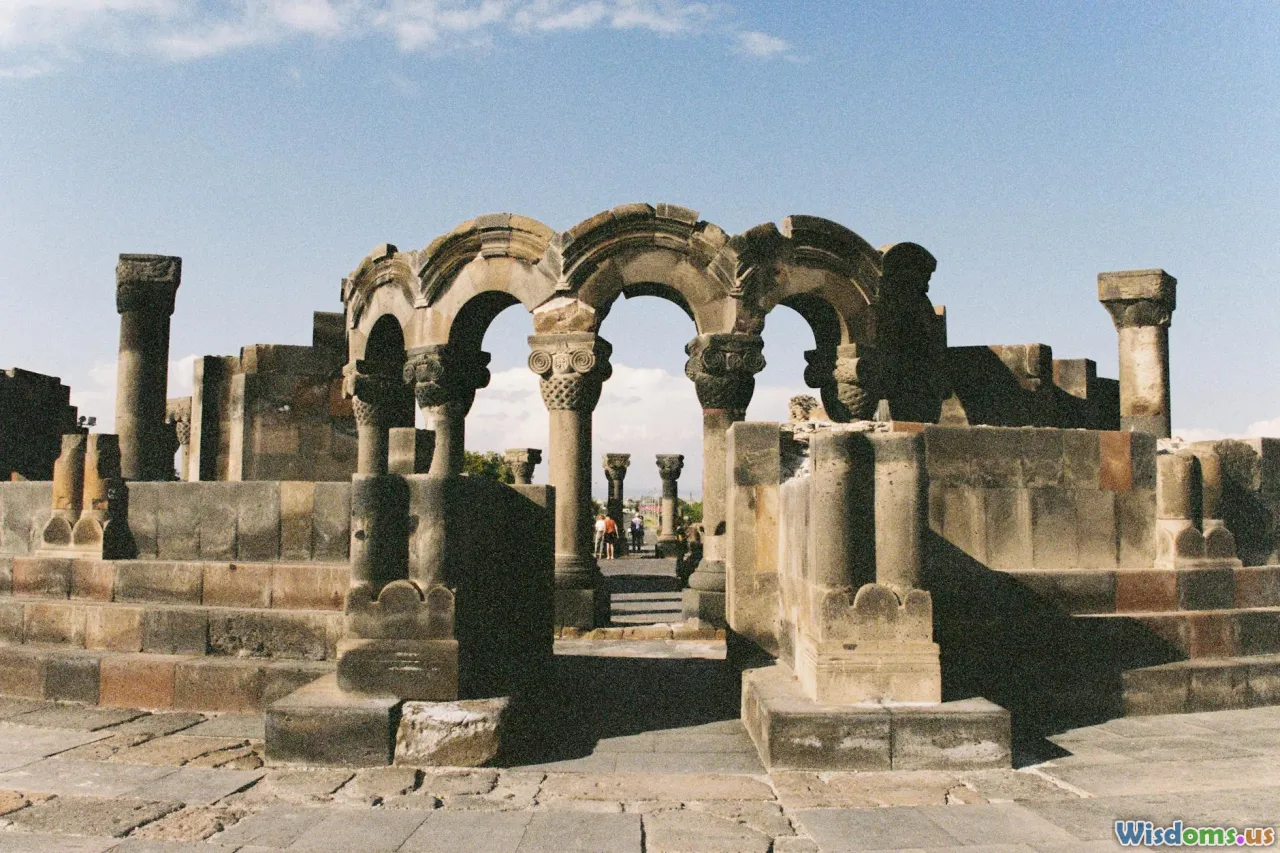
Every postcard-perfect World Heritage landmark hides a second, quieter story—one you often won’t hear on the guided tour. It’s etched into mortar recipes and water channels, echoed in courtyards, coded in light on solstice mornings, and preserved in living traditions. If you know how to look, these places stop being frozen monuments and become vivid, ongoing conversations between people, stone, and landscape.
The clues are in the stones: construction tricks you can still spot
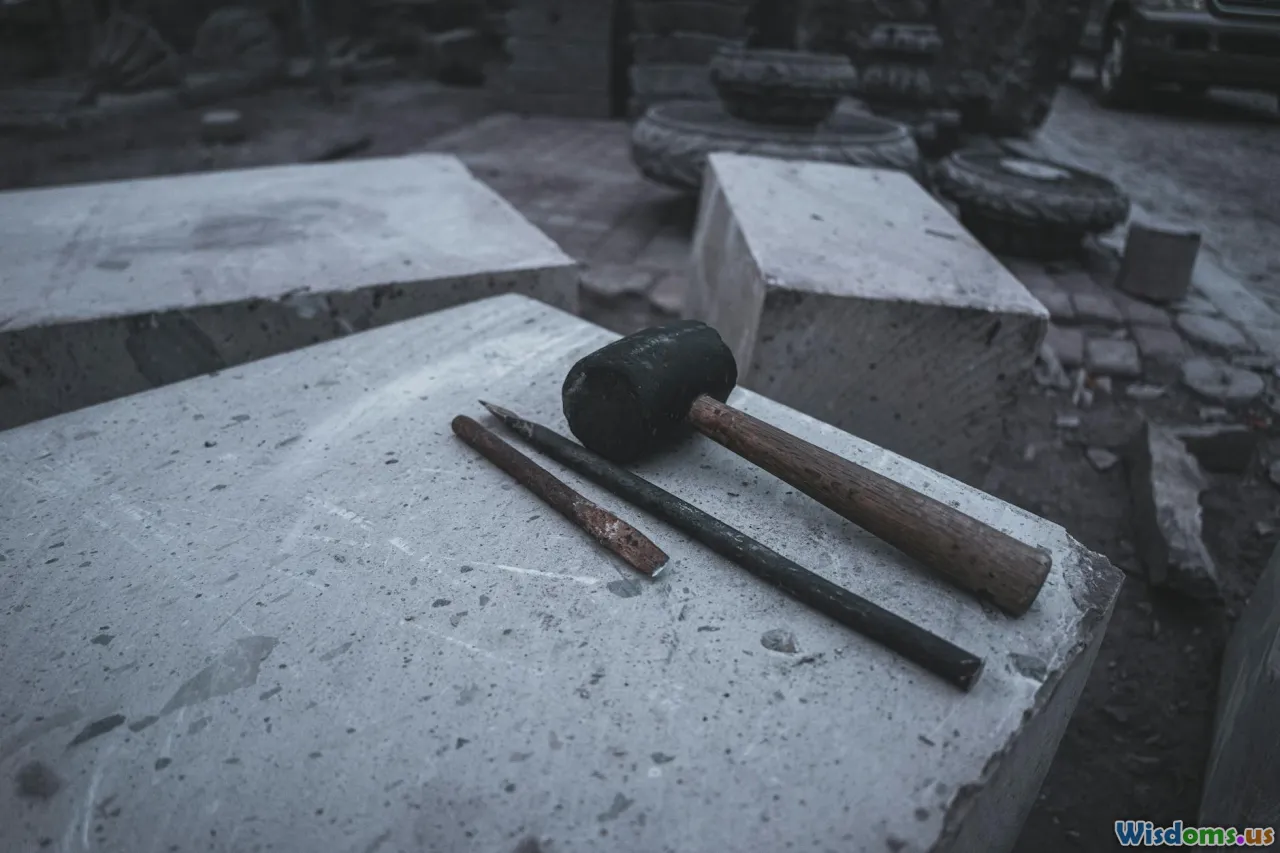
If you’ve ever run your fingers over the seams of an Inca wall or squinted up at a canyon-carved facade, you’ve touched engineering decisions as deliberate as anything drawn in a lab today.
- Great Wall, China. Beyond the photogenic battlements lie large stretches built in rammed earth—a technique where layers of earth and gravel were compacted between wooden forms, creating walls that can outlast centuries of weathering when capped and maintained. In Ming-era sections, conservators have documented an unusual “sticky rice” mortar: amylopectin-rich rice mixed with lime. The organic-inorganic bond yields a resilient, slightly flexible mortar that helped Ming fortifications resist earthquakes and cannon fire. Look closely on repaired sections: you may see subtle color shifts where traditional mixes have been replicated.
- Machu Picchu, Peru. Famous for its ashlar masonry, the site’s genius is as much underground as in its iconic terraces. Engineers calculate that more than half of the work is invisible—sub-foundations, drains, and gravel filters that wick away rain in a cloud-forested ridge that often sees more than 1,500 mm of annual precipitation. The tight, mortarless joints on visible walls allow minute movement during earthquakes, while drainage channels at niche corners quietly route runoff downslope.
- Petra, Jordan. The theatrical facades were carved straight into sandstone cliffs, but the “how” hides in tool marks and channels. Parallel chisel lines step down a facade; narrow gutters run along ledges to divert flash floods; and iron features, once used as scaffolding supports, appear as tidy punctures. The carving proceeded top-down to prevent debris damage, and water diversion was a constant, visible priority.
Spotting these choices is a simple how-to for any visitor:
- Scan for repetitive marks indicating tool patterns (vertical lines for chisels, pecked pitting for hammerstones).
- Seek out seams: transitions from original to restored stone often reveal material recipes.
- Read edges: where a wall meets the ground you can spot drainage openings, weep-holes, or erosion baffles.
Water is the unsung engineer: hydrology behind ancient cities
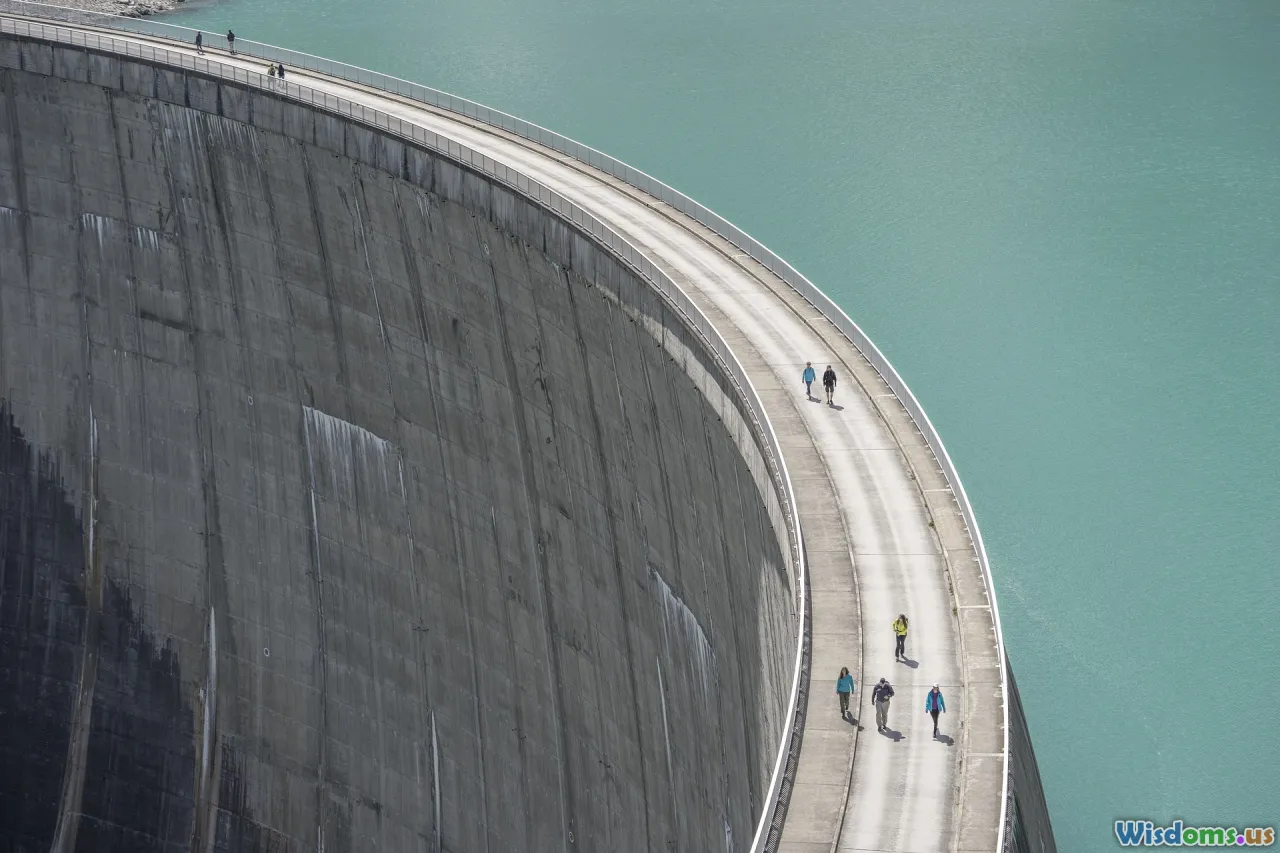
The great cities of the past danced to the rhythms of water. Their successes and collapses often hinge on how they captured, stored, and shared seasonal flows.
- Angkor, Cambodia. Laser mapping (LiDAR) in the 2010s revealed Angkor as a vast low-density metropolis woven together by an engineered hydroscape: canals, spillways, and retrofitted natural channels. Massive reservoirs such as the West Baray—about 8 km long—acted as both symbols and regulators of monsoon water. Sediment cores and modeling suggest that a series of droughts and intense floods in the 14th–15th centuries destabilized this system, contributing to urban dispersion. When you walk the raised causeways today, think of them as water-control devices as much as ceremonial avenues.
- Machu Picchu, again. Step beside the Inca Fountain Sequence: a cascade of 16 stone fountains fed by a spring captured by a stone-lined canal. Each bowl has a lip designed to reduce splashing and aerate flow. Subsurface drains under the plazas—layers of small stones topped by gravel—keep the site from turning into a mudslide.
- Iranian Qanats (The Persian Qanat, a World Heritage serial property). Qanats are gently sloped, underground water channels tunneled from an aquifer to fields and towns, using a string of vertical shafts for ventilation and maintenance. A single qanat can run for tens of kilometers, delivering cool, reliable flow with minimal evaporation. In the historic city of Yazd, look for small dome-capped openings in streets or gardens—they often mark an ancient waterline.
- Petra’s water magic. The Nabataeans turned desert cliffs into plumbing, lining channels with waterproof plasters and tapping springs with ceramic pipes. The remnants of rock-cut cisterns and sediment traps are everywhere. Calibrate your eye to scan for carved grooves at ankle height—they are often conduits.
Practical visitor tip: bring a simple polarized lens (clip-ons for your phone camera work). Polarization can cut surface glare on water and polished stone, making shallow channels, plastered coatings, and sediment layers more visible in photos.
Trade routes and the ledger of sand: how deserts wrote history
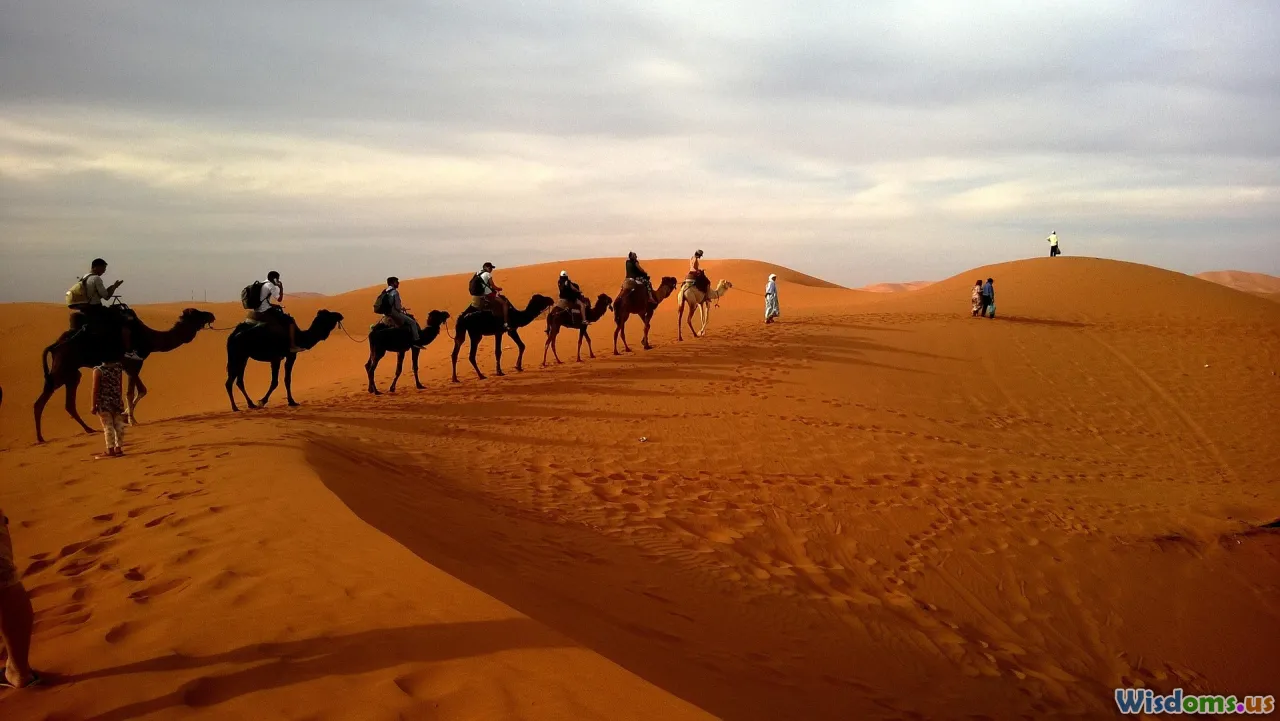
Follow the money and the manuscripts and you’ll see why some “remote” sites were once global hubs.
- Timbuktu, Mali. The adjective “mythic” isn't enough. In 2012, as militants threatened the city, a network led by librarian Abdel Kader Haidara moved some 350,000 manuscripts—texts on astronomy, law, poetry, and more—out of harm’s way in a clandestine, community-driven rescue. These manuscripts remind us that West Africa’s trade cities weren’t just gold and salt marketplaces; they were intellectual cross-roads where scholars corresponded in Arabic, Songhay, and Fulfulde.
- Palmyra, Syria. Inscriptions known as the “Tariff of Palmyra” (dated to 137 CE) record precise duties on caravans moving through the oasis—a price list for the Silk Road’s desert segment. It’s a literal ledger in stone showing how taxation, security, and caravan hospitality underwrote Palmyra’s monumental colonnades.
- Petra’s tollbooths. The so-called “monastery” wasn’t a monastery; the site’s wealth came from strategically taxing and servicing caravans carrying incense, spices, and textiles. The hidden story is economic infrastructure: cisterns as investment, road maintenance as policy, and cult sites as legitimation.
- Gorée Island, Senegal. The Maison des Esclaves and the Door of No Return have become symbols of the Atlantic slave trade. Scholars debate exact numbers processed at specific buildings, but the island and others like it along the West African coast serve as tangible anchors for remembering forced migration’s global linkages.
Comparison insight: Unlike riverine trade cities (e.g., along the Nile or Ganges), desert hubs advertised reliability—safe water, predictable tolls, and sanctuary. Their grand facades were also billboards aimed at passing merchants.
Sacred spaces, coded in light and sound
Not all symbolism is carved. Some of it moves.
- Chichén Itzá, Mexico. Stand on the north plaza and clap: the echo from El Castillo’s stairway pops back as a chirp. Acoustic studies show the echo’s dominant frequencies resemble the call of the quetzal, a sacred bird for Maya peoples. During equinox sunsets, a serpent-shaped shadow appears to slither down the pyramid’s balustrade—a choreography of architecture and solar mechanics.
- Abu Simbel, Egypt. Twice a year, around February and October, dawn sunlight penetrates the temple’s axis to illuminate statues within (with the exception, tradition holds, of Ptah, associated with the underworld). When the Aswan High Dam threatened the site, a 1960s UNESCO-led project cut and raised the temples to higher ground, re-creating the solar alignment within a new artificial mountain. Heritage rescue isn’t just about blocks; it’s about preserving light.
- Chartres Cathedral, France. Look down, not up: the labyrinth set in the nave floor may have offered pilgrims a walking meditation when access to Jerusalem was impossible. Its 13th-century stained glass includes the famed “Chartres blue,” a color prized for its depth, probably tied to specific glass recipes and trace elements. The windows create a visual theology in wavelengths.
- Temple of Heaven, Beijing. Whisper along the Echo Wall and listen: the curved surface carries sound remarkably well. The precise acoustic properties are arguably a happy byproduct of design choices, but the effect has become folded into the site’s ritual aura.
How to experience it better:
- Use a sun-position app to see when alignments are at their best.
- Visit at off-peak times to experiment with echoes (respecting other visitors).
- Carry a small mirror to reflect sunlight onto details in dim interiors without touching anything.
Work, play, and the people behind the postcard
Grand narratives can obscure daily life. The quieter record is written in graffiti, kitchens, and backstage machinery.
- Pompeii, Italy. Wall scrawls record election slogans, lovers’ notes, and an immortal complaint: “I wonder, O wall, that you have not yet fallen in ruins, so many writers’ tiresome scribblings do you bear.” Thermopolium counters with embedded jars show how takeaway food was served. Frescoes in workshops display patron saints of trades or simply the pride of craft.
- The Colosseum, Rome. Beneath the arena, the hypogeum was a mechanical theater with lifts, trapdoors, and winches. A recreated elevator system demonstrates how stagehands could bring animals and scenery into sudden view. What appears as chaotic spectacle was highly stage-managed labor.
- Nijo Castle, Kyoto. The “nightingale floors” chirp when walked upon, thanks to metal clamps rubbing against nails under slight pressure—an audible security system. It’s a small, elegant technology for surveillance, reminding us that elites invested as much in safety as in splendor.
Reading the human layer:
- If a site has a “backstage” tour, take it.
- In museums associated with a monument, beeline to household tools, not just royal regalia.
- Ask guides to point out worker signatures, quarry marks, or repair dates scratched into stone.
Landscapes that listen and breathe: Indigenous timekeepers
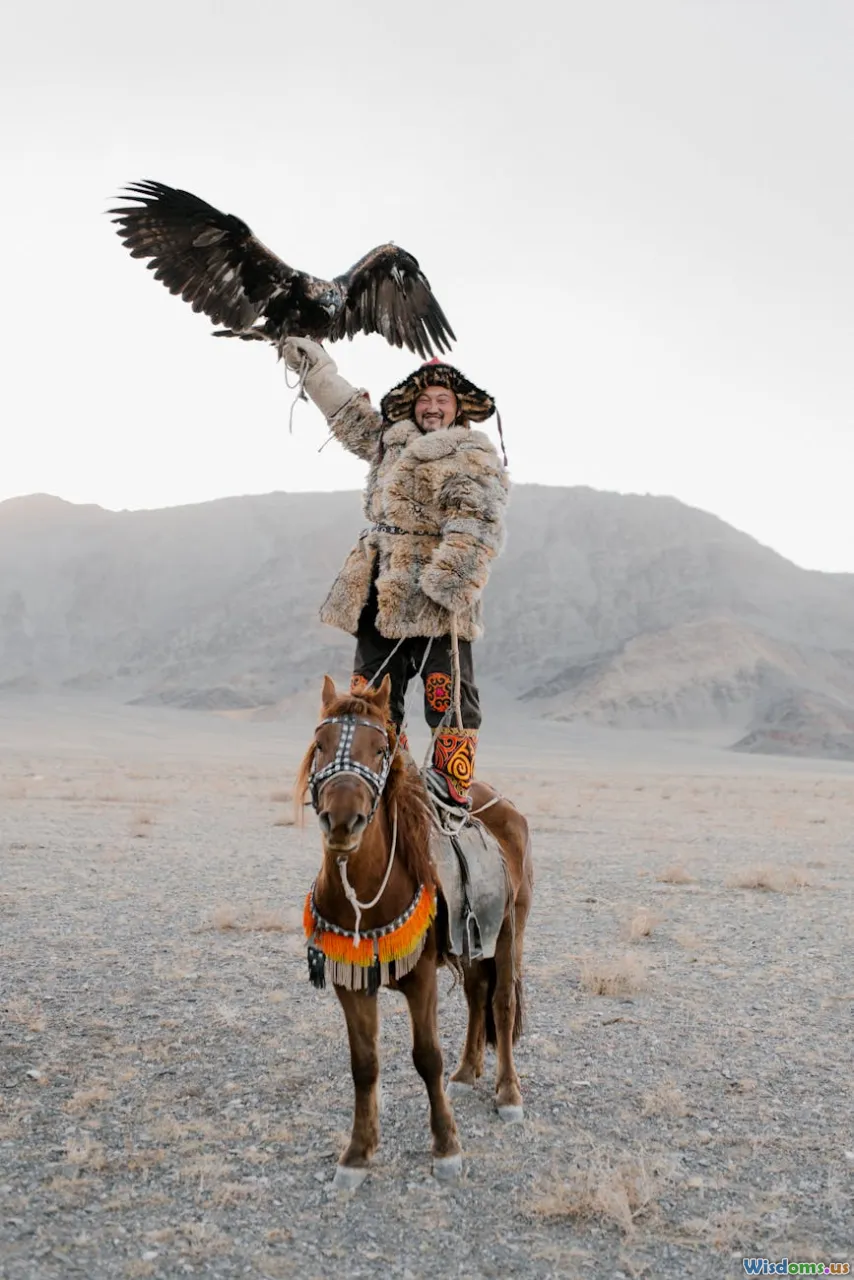
Some of the most powerful hidden stories are those that were never meant to be hidden—just protected.
- Uluru-Kata Tjuta, Australia. Uluru’s rock isn’t just a landmark; it’s a living archive of Tjukurpa, the Anangu peoples’ law, creation stories, and ethics. In 2019, after decades of cultural advocacy, climbing Uluru was formally banned, aligning visitation with community wishes. Walk the base instead. Guided tours led by Anangu rangers reveal rock art sites, bush tucker knowledge, and the subtle logic of waterholes that feed local ecologies.
- Rapa Nui (Easter Island), Chile. The moai have bodies—many extend underground, with carved petroglyphs on their backs. Oral histories and recent experiments suggest statues were moved upright using rocking “walks,” not just sledges. Quarry slopes, path stones, and broken moai along roads freeze-frame trial-and-error and ceremony all at once. Heritage here is an engineering problem embedded in kinship and landscape.
- Chaco Culture, USA. Great houses align with celestial events; the Sun Dagger at Fajada Butte famously marks solstices and an 18.6-year lunar standstill through moving light bands on petroglyphs. Ancient roads—broad, straight, sometimes seemingly purposeless across ridges—reflect ritual connectivity as much as transport. Many areas are now restricted to protect fragile contexts; experiencing Chaco well means reading the sky as a text.
Tips for visiting Indigenous-managed sites:
- Book community-led tours; your fee often supports language, land-care, and youth programs.
- Understand photography rules; some sites are not to be imaged.
- Learn place names and use them; language itself is a heritage map.
When nature is the monument: invisible stress and silent recovery
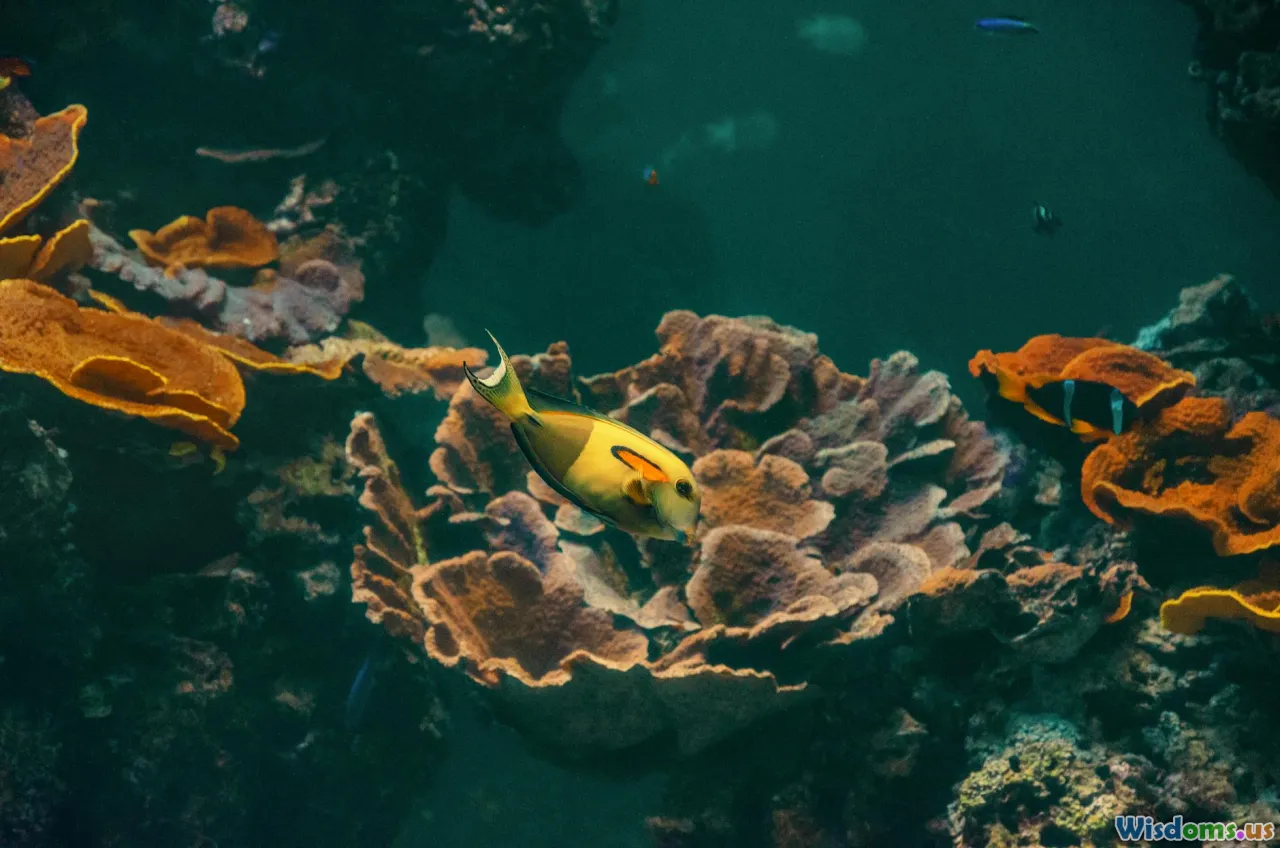
Natural World Heritage sites are dynamic. Their hidden stories play out at cellular scales and over decades.
- Great Barrier Reef, Australia. Spanning roughly 344,000 square kilometers, the Reef has suffered multiple mass bleaching events since 1998, with severe events in 2016, 2017, 2020, 2022, and another widespread episode reported in 2024. Bleaching is corals’ stress response to heat, expelling symbiotic algae. Some reefs bounce back; others collapse if stress recurs quickly. Researchers, Traditional Owners, and tourism operators collaborate on monitoring and local interventions: culling outbreaks of crown-of-thorns starfish by injecting vinegar or specialized solutions, shading small patches during heat spikes, and trialing assisted evolution in nurseries.
- Galápagos Islands, Ecuador. The story here is biosecurity. Behind-the-scenes quarantine protocols—inspectors at airports, clean-gear rules for visitors, and dog teams trained to sniff out invasive species—form an invisible shield. A single invasive insect can redraw an island’s food web.
- Wadden Sea, Netherlands–Germany–Denmark. The intertidal flats reveal how a “protected landscape” is really a negotiated one: shipping lanes, bird flyways, and dike management must be balanced. The hidden tale is adaptive management—rules that change with tides, seasons, and data.
Actionable visitor advice:
- Choose operators certified for reef-safe practices; ask about their monitoring contributions.
- Log wildlife observations on citizen-science apps accepted by site managers.
- Use reef-safe sunscreen; even small chemical loads matter in enclosed lagoons.
The modern salvage operations: saving heritage in crisis
Today’s headline-grabbing rescues often hinge on quiet prep: scans, samples, and community plans laid years in advance.
- Notre-Dame de Paris (part of the UNESCO-listed Banks of the Seine). A 2019 fire destroyed the spire and roof, but decades of meticulous laser scanning by researchers like Andrew Tallon provided a high-fidelity 3D baseline for reconstruction. Craftspeople sourced oak for new timbers (over a thousand trees selected across France), revived traditional carpentry, and paired it with fire monitoring, smoke evacuation upgrades, and reversible joints. The cathedral reopened in late 2024—an old building returning with new safety organs.
- Venice, Italy. The MOSE barrier system, operational since 2020, can temporarily isolate the lagoon from storm surges. In 2023 it prevented several potentially damaging floods. Venice’s foundations—millions of waterlogged timber piles in anaerobic mud—still depend on careful groundwater management. The hidden story is chemical: keep wood wet and oxygen-free, it endures; let it dry, it crumbles.
- Palmyra, Syria. Destruction in 2015 prompted an international response: emergency documentation, training for local conservators, and selective uses of 3D capture for replicas. Debates over reconstruction ethics—rebuilding versus stabilizing ruins—are not abstract; they determine which future stories are possible.
- Timbuktu, again. After shrines were destroyed, local masons led reconstructions using traditional banco (mud) techniques and community rituals, demonstrating that material and intangible heritage are inseparable.
What to look for on site:
- Discreet sensors monitoring tilt, humidity, and vibration.
- Sample plots where mortar or stone treatments are being tested.
- Labels that say “anastylosis”—rebuilding with original elements in original positions.
How to read a site like a researcher: a seven-step field method

You don’t need a degree to see deeper. Try this method anywhere:
- Start with the Statement of Outstanding Universal Value (OUV). It’s on UNESCO’s website. It tells you why a place is listed—architecture, ecology, memory. Treat it as a hypothesis to test on the ground.
- Walk the edges first. Boundaries reveal management choices: fences, humorless signs, or welcoming community kiosks. Edges are where threats (erosion, traffic) and fixes (revetments, boardwalks) show up early.
- Trace water. Find the high point; imagine rainfall paths. Look for gutters, culverts, and water stains. Water explains more than labels do.
- Read the seams. Where old meets new, the joint tells a story. Is the restoration reversible? Are materials compatible or creating salt bloom lines?
- Change your scale. Kneel to examine tool marks; step back to see alignment with a mountain notch or river bend. Sites often have a macro-logic and a micro-logic.
- Ask a local question. “What’s the hardest thing to maintain here?” or “What do people argue about?” Maintenance pain points and debates surface hidden dynamics.
- Take a 360-degree pause. Turn slowly. Note soundscapes: wind funneled through arches, bird calls in cloisters, surf behind a fort. Heritage includes acoustics and smells.
Tools that help without getting in the way:
- Sun Surveyor or similar apps for solar azimuths and equinox checks.
- Offline topographic maps; contour lines are archaeology in line form.
- A small flashlight with a red filter to preserve night vision at dark-sky sites.
- A pocket magnifier; a 10x jeweler’s loupe reveals mineral grains and tool micro-chips.
Drones, lasers, and satellites: what new eyes changed
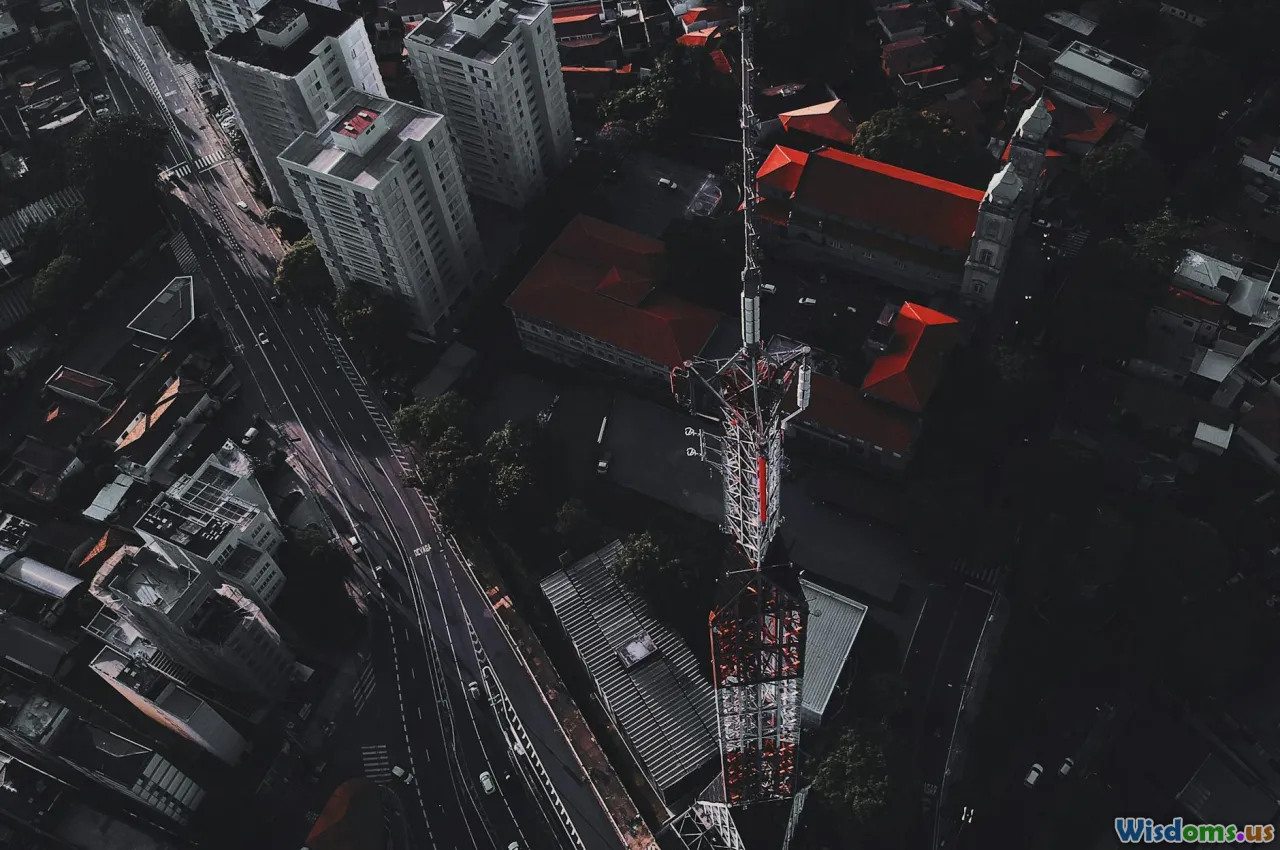
Heritage is in a golden age of remote sensing. New tools don’t replace human interpretation; they sharpen it.
- LiDAR over Angkor and the Maya lowlands revealed sprawling urban webs—roads, terraces, and house mounds hidden under canopy. In Belize’s Caracol and Guatemala’s El Mirador Basin, LiDAR redrew maps in days that once took decades of machete work.
- Satellite imaging of the Nazca-Palpa region in Peru has, with machine-learning assistance, flagged previously unknown geoglyphs—faint stone alignments that only emerge at specific wavelengths or sun angles.
- Close-range photogrammetry—overlapping photos processed into 3D—lets even small community teams create accurate models of carvings before a storm season. In Mosul and Palmyra, these models have been used for planning rather than instant replicas; the critical step is documentation that can be argued with and improved, not just reproduced.
Visitor implication: some sites ban drones for good reason. But many welcome volunteer photography following strict protocols. If a site has a “community science imaging” program, consider joining; you’ll help update the record that tomorrow’s conservators will rely on.
The quiet economy under your feet: materials, salts, and breath
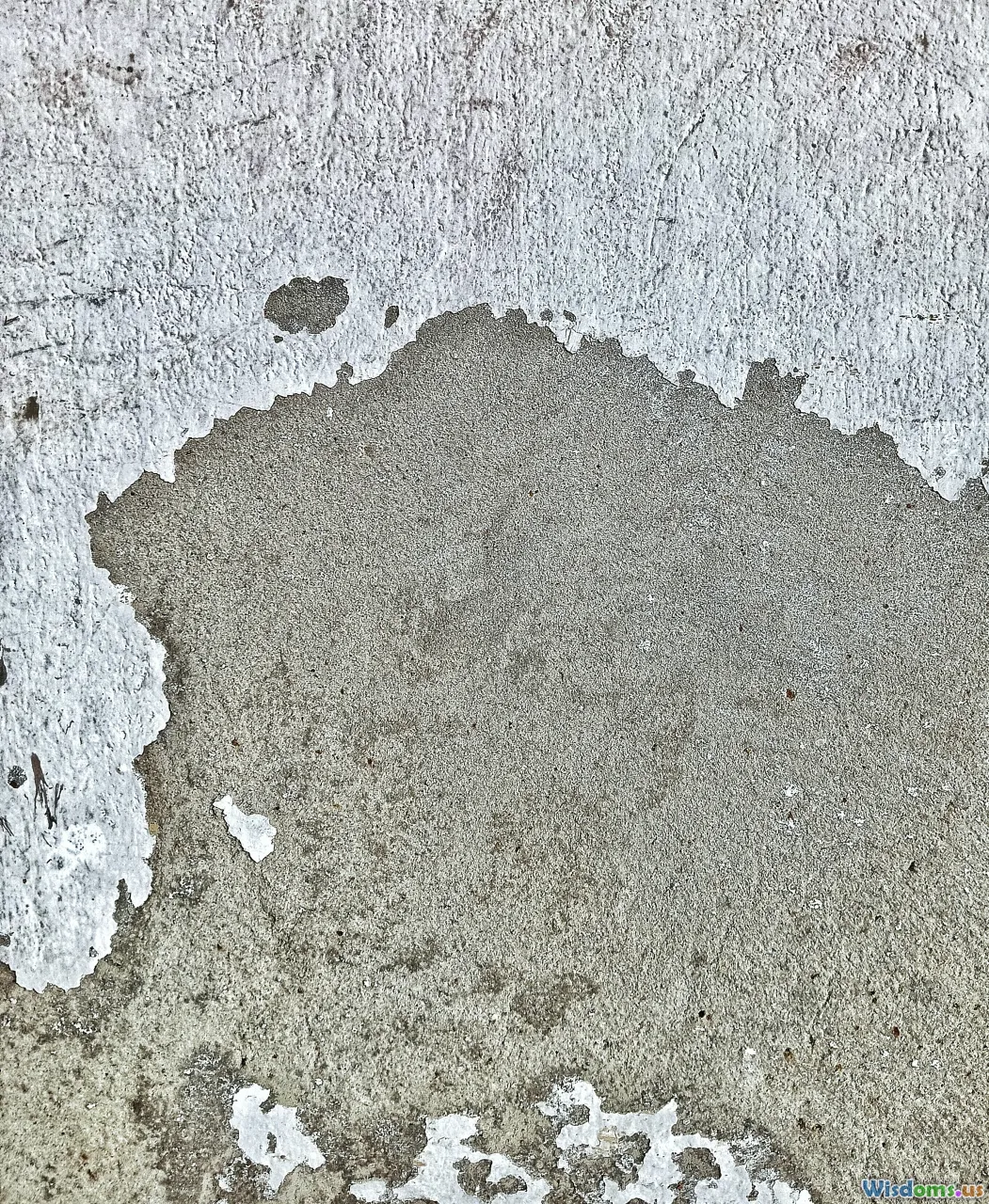
Much of conservation is chemistry and climate control. The hidden villains are soluble salts, thermal cycles, and human breath.
- Desert forts and salt. In places like Rajasthan’s hill forts or Moroccan kasbahs, salts migrate into masonry from capillary rise or sea air. When moisture evaporates, salts crystallize and expand, flaking surfaces. Protective plasters aren’t purely cosmetic; they’re sacrificial layers.
- Caves and breath. At decorated caves like Lascaux (France) and Altamira (Spain), elevated carbon dioxide and humidity from visitors spurred microbial blooms. Hence strict quotas or closures. The replica caves adjacent to originals aren’t kitsch—they’re protective buffers that keep the originals’ microclimate stable.
- Freeze-thaw. In alpine or high-latitude sites, water entering tiny cracks expands on freezing. The result is scaling and spalling. You can often spot drip lines and freeze-thaw damage on north-facing walls or under overhangs.
What you can do:
- Don’t touch. Oils and salts from skin accelerate decay.
- Keep your backpack off fragile walls when resting; even light abrasion adds up.
- Respect capacity limits; they’re calibrated to microclimates, not convenience.
A respectful traveler’s checklist: do no harm, learn more
Your choices unlock or close doors to hidden stories.
- Hire licensed local guides, especially on community-managed lands; ask them to show you one thing not in the brochure.
- Spend money where stewardship happens: community museums, ranger-led walks, and artisan workshops that maintain traditional techniques.
- Learn two greetings in the local language; conversations open archives.
- Pack in-pack out on natural sites, and stick to paths even when a “better photo” tempts you elsewhere.
- Share observations responsibly: geotagging sensitive rock art can invite vandalism. Consider vague tags or sharing with site managers rather than public feeds.
The stories ahead: living heritage and tomorrow’s landmarks

World Heritage isn’t a trophy case; it’s a living ledger. The next great inscription may be a community terraced landscape adapting to climate shifts, an industrial complex reimagined as a public park, or a city’s everyday architecture conserved because it holds a people’s sense of home.
- Rice Terraces of the Philippine Cordilleras. These living landscapes depend on youth choosing to farm, ancestral irrigation maintenance, and rice varietal diversity. Their future is a social one—education, connectivity, and pride—more than a purely technical fix.
- Post-industrial candidates. Steelworks, shipyards, and workers’ housing estates are gaining recognition as heritage of labor and technology. Conserving them often entails re-training craftspeople in brickwork, timber framing, and metal casting, creating jobs that keep skills alive.
- Urban districts. The value of places like the Historic Centre of Sheki (Azerbaijan) or the Historic City of Yazd lies as much in ordinary houses and neighborhood rhythms as in flagship monuments. The hidden stories are household-level, which means community planning matters as much as grand restoration budgets.
As you stand before a world-famous facade next time, remember that its beauty is doubled by what you can’t see at first glance: a drain, a ledger, a prayer, or a blueprint for surviving change. Ask the site a different question, and it will answer with a different light, a different echo, a different page from a manuscript you didn’t know existed. The postcard is only the cover; the real story is inside, waiting for you to turn the page.
Rate the Post
User Reviews





Popular Posts