Can HIIT Training Really Replace Traditional Cardio
15 min read Explore whether HIIT can effectively substitute traditional cardio for fitness, weight loss, and heart health. (0 Reviews)
Can HIIT Training Really Replace Traditional Cardio?
Getting the most out of your fitness routine matters more than ever in our fast-paced world, where every minute counts. High-Intensity Interval Training (HIIT) promises jaw-dropping results in half the time of traditional cardio. But can these explosive exercise bursts truly stand in for slow-and-steady aerobic routines? Let’s break it down—truth, science, and practical know-how—to see where each style shines.
The Fundamentals: What Sets HIIT and Traditional Cardio Apart?

At first glance, both HIIT and traditional cardio are designed to boost cardiovascular health, torch calories, and elevate your mood. Yet their core methods differ dramatically.
-
Traditional Cardio: This includes jogging, cycling, or swimming at a moderate, steady pace for an extended period—often 30 to 60 minutes or more. Your heart rate stays relatively constant, typically at 50%–70% of your maximum.
Example: Running at a consistent, conversational pace for 45 minutes on a treadmill.
-
HIIT: Here, short bursts of maximal (80%–95% of your max heart rate) effort alternate with recovery periods at low intensity. HIIT sessions can be as brief as 15–25 minutes.
Example: 30 seconds of all-out sprints followed by 90 seconds of slow walking, repeated for 20 minutes.
Key differences:
- Intensity & duration: HIIT is short but intense; traditional cardio is long but moderate.
- Energy systems: HIIT skews anaerobic (uses energy stored in muscles), whereas traditional cardio is mostly aerobic (relies on oxygen).
Understanding these basics is crucial to grasping why fitness seekers might gravitate toward one or the other—or combine both.
Time Efficiency vs. Sustainability

One of HIIT’s celebrated benefits is its time-saving potential. Studies, such as the landmark 2016 meta-analysis in the British Journal of Sports Medicine, show that HIIT can improve cardiovascular health, reduce body fat, and boost insulin sensitivity in as little as 15–30 minutes per session, 3 times weekly.
Compare this to classic cardio routines:
- 150+ minutes of moderate-intensity cardiorespiratory exercise per week, as recommended by the World Health Organization.
For those with packed schedules, HIIT offers a powerful shortcut:
- 122 fitness enthusiasts surveyed at a New York gym cited “lack of time” as the main barrier to longer cardio sessions, yet agreed that HIIT’s brevity made them much more likely to stick to a weekly regime.
But here’s the catch: HIIT’s demanding nature isn’t always suitable day in, day out—especially for those new to exercise, managing joint issues, or recovering from injury. Overdoing HIIT can quickly lead to burnout or joint strain.
Tip: If you’re tight on time and already have moderate fitness, incorporate 2–3 HIIT sessions per week with active recovery or gentle cardio in between for optimal balance.
Fat Loss and Muscle Maintenance

“Which burns more fat: HIIT or traditional cardio?” It’s the big question for anyone keen on sculpting their physique.
Calorie Burn Dynamics
HIIT’s hallmark is its ‘afterburn’ or excess post-exercise oxygen consumption (EPOC). According to a 2013 study in Journal of Strength and Conditioning Research, HIIT can increase post-exercise calorie burn for up to 24 hours.
- Example: A 20-minute HIIT session can burn as many calories as a 40-minute jog, with added metabolic boost afterward.
Traditional cardio keeps calorie burn steady during activity, but doesn’t offer as pronounced an afterburn effect.
Muscle Retention
Because HIIT relies on powerful, often full-body moves (like burpees, jump squats, or sprints), it stimulates fast-twitch muscle fibers—the ones responsible for explosive strength and muscle growth. Regular HIIT has been shown to help maintain, and even build, lean mass during fat loss compared to steady-state cardio, which can sometimes prompt muscle breakdown if overdone or improperly fueled.
Case Study: A 2020 research trial published in Obesity assigned sedentary adults to 16 weeks of HIIT or moderate cardio. The HIIT group lost similar total body fat but held onto more muscle mass.
So if lean definition matters to you—not just pure weight loss—HIIT might edge out long treadmill sessions. Still, clarity is key: significant results depend on your overall calorie intake, workout intensity, and recovery plan.
Cardiovascular and Metabolic Impact: Are They Equal?
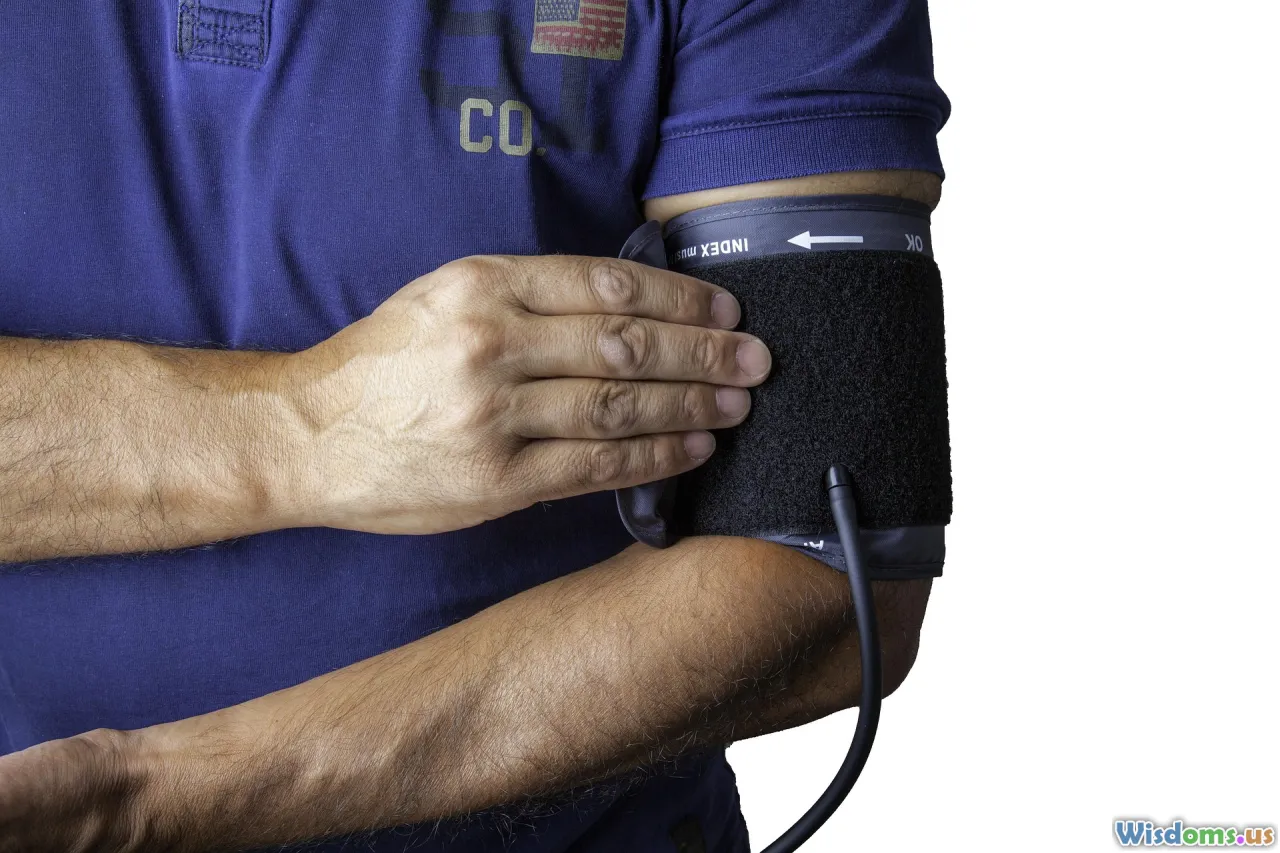
Long, slow distance running has been synonymous with heart health since the jogging boom of the 1970s. But can sprints and intervals rival hour-long jogs for heart and metabolic benefits?
Cardiovascular Health
Meta-analyses—including a comprehensive 2019 review in the European Journal of Preventive Cardiology—confirm that both HIIT and traditional cardio offer comparable improvements in key health markers:
-
VO2 Max: (a measure of maximal oxygen uptake, and a predictor of lifespan). Both methods worked equally well at improving this in healthy adults.
Example: Track athletes who transitioned from daily 10K runs to regular HIIT retained their VO2 max gains with far less total training time.
-
Blood Pressure & Cholesterol: Both methods reduced hypertensive risk and improved lipid profiles over 12 weeks.
However, HIIT may offer unique metabolic bonuses. Short, intense bursts improve insulin sensitivity and glucose tolerance—a win for pre-diabetics or those managing blood sugar swings.
Caution: Individuals with known heart disease should seek medical advice before beginning HIIT, due to the sharp spikes in heart rate and blood pressure.
Enjoyment, Adherence, and Psychological Benefits

Exercise only works if you actually stick with it—and enjoyment plays a massive role.
Enjoyment Levels
Despite HIIT’s tough reputation, several studies, like a 2018 trial from Western Sydney University, found nearly 70% of novice and intermediate exercisers preferred HIIT’s constantly changing, shorter formats over repetitive long runs.
- The appeal: Sessions fly by, variability prevents boredom, and the competitive element of some group HIIT classes (think F45 or Orangetheory) promotes social motivation.
Traditional cardio, however, offers a meditative, low-pressure rhythm that some individuals crave. Runners often cite mood elevation, stress relief, and even forays into “runner’s high” as irreplaceable.
Adherence Patterns
A 2022 survey of 900 gym members in Brussels found that those who regularly attended HIIT-style classes were 35% more likely to maintain their exercise routines over 12 months, citing time efficiency and results-driven motivation.
Still, adherence often depends on injury risk, preferred pace, and lifestyle factors—HIIT’s ‘all-or-nothing’ push doesn’t suit everyone each day of the week.
Advice: Rotate HIIT and steady cardio to find your motivational sweet spot and prevent mental fatigue.
HIIT and Traditional Cardio: Tailoring for Specific Goals

The best training isn’t always about choosing sides, but applying the right tool at the right time. Here are concrete ways to tailor your approach based on your own goals:
If you want maximum fat loss in minimal time:
- Prioritize HIIT—but cap sessions at 3x weekly to avoid overtraining.
- Pair with light walks or gentle cycling on off-days to promote recovery and blood flow.
For endurance races (marathons, triathlons):
- Traditional steady-state cardio wins for building the aerobic capacity and mental grit required for hours-long events.
- Supplement with HIIT intervals once a week to boost speed and power.
To break weight loss plateaus:
- Mix things up: Replace one long cardio session with HIIT. This new stimulus can reignite metabolism and challenge different muscle fibers.
For holistic heart health:
- Studies suggest combining moderate weekly cardio (e.g. 2 x 45-min runs) with 1–2 brief HIIT sessions may offer maximal cardiovascular and metabolic benefits.
To minimize injury risk or manage chronic illness:
- Stick with lower-impact, steady-state activities (swimming, brisk walking), or explore very-modified HIIT under professional guidance.
Safety, Recovery, and Longevity

While HIIT has a deserved spotlight, it’s not a magic bullet and comes with caveats.
Injury Risk
- Studies suggest beginners and older adults are more likely to sustain sprains or strains during intense HIIT sessions than moderate cardio.
- Poor form, inadequate warm-up, or insufficient recovery can amplify injury risk in HIIT programs.
Recovery and Overtraining
- Because HIIT stresses muscles, joints, and cardiovascular systems harder, 48 hours between intense sessions is usually advised.
- Signs of overtrading: lingering soreness, decreased performance, irritability, or trouble sleeping.
Longevity in Training
- Ultimately, the most "effective" workout is the one you can do consistently for months and years without interruption.
- Many evidence-based trainers now recommend a concurrent approach: prioritize HIIT only when time-crunched, but keep lower-intensity cardio in the mix for sustainable, injury-free fitness through life's many chapters.
How to Choose: Putting Science Into Practice

When it comes to sculpting the best version of yourself, there’s no definitive winner—just a smarter, more personalized path.
Practical Steps:
- Assess current fitness levels and health status. Beginners might start with one weekly HIIT session, while seasoned athletes can build to two or even three.
- Set clear, achievable goals. If training for a half-marathon, keep mileage high. For fat loss or time-crunched schedules, HIIT makes strategic sense.
- Monitor your body—and mood. If dread creeps into HIIT, swap in steady-state. If jogging feels monotonous, shake it up with intervals.
- Build a balanced week plan.
- Example: Monday—HIIT, Tuesday—brisk walk, Thursday—HIIT, Saturday—long bike ride.
- Prioritize form, rest, and adequate nutrition regardless of chosen modality.
Pro tip: Keep fitness fresh: try streaming a HIIT workout one day and enjoying an outdoor jog the next. The mix keeps you mentally and physically engaged for the long haul.
Whether HIIT truly “replaces” traditional cardio depends on your body, your goals, and your lifestyle. The smartest approach isn’t choosing just one, but understanding their strengths and combining them on your terms. By pulling from both disciplines, you can unlock lasting fitness, health, and enjoyment—no matter what the clock or the latest trends say.
Rate the Post
User Reviews








Popular Posts