Comparing Store Bought and Handmade Hanukkah Menorahs
17 min read Explore the differences between store bought and handmade Hanukkah menorahs for meaningful holiday celebrations. (0 Reviews)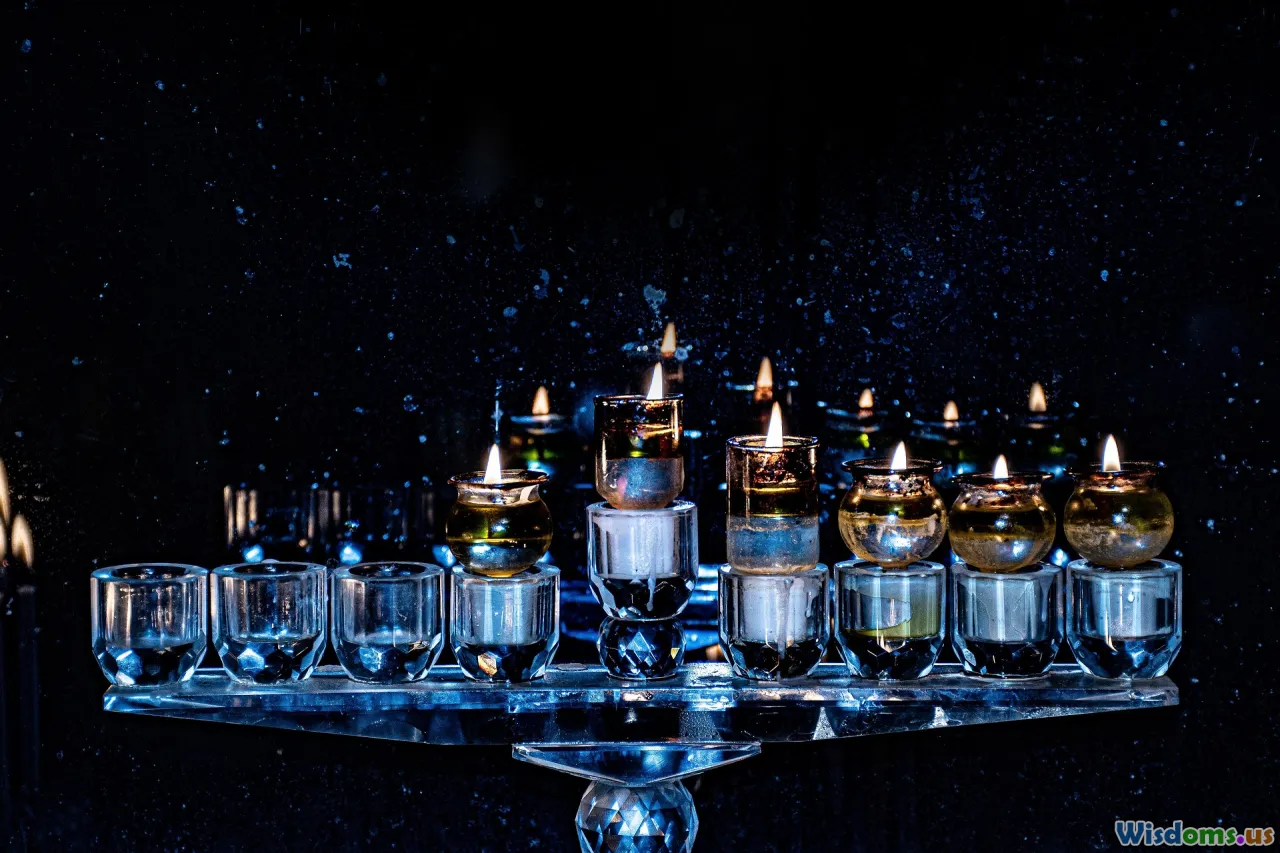
Comparing Store Bought and Handmade Hanukkah Menorahs
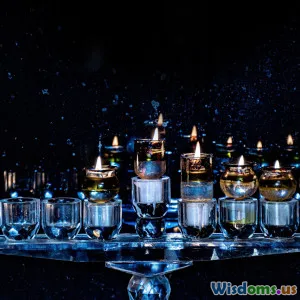
In Jewish tradition, the Hanukkah menorah—the hanukkiah—stands as both a religious symbol and a centerpiece of family gatherings throughout the Festival of Lights. Whether gleaming in the window or resting on a festive table, this nine-branched candelabrum is the very heart of the celebration. For many, a time-honored question arises every year: Should you buy a menorah from a store or craft one by hand? This choice isn't only aesthetic or financial; it touches on family memories, personal expression, sustainability, and heritage.
As more people seek meaningful rituals and creative expression in their holiday traditions, the debate grows richer. Let’s explore the world of both store-bought and handmade Hanukkah menorahs: their merits, drawbacks, and the subtle differences that influence which route feels right for each home and family.
Tradition and Modernity in Menorah Design
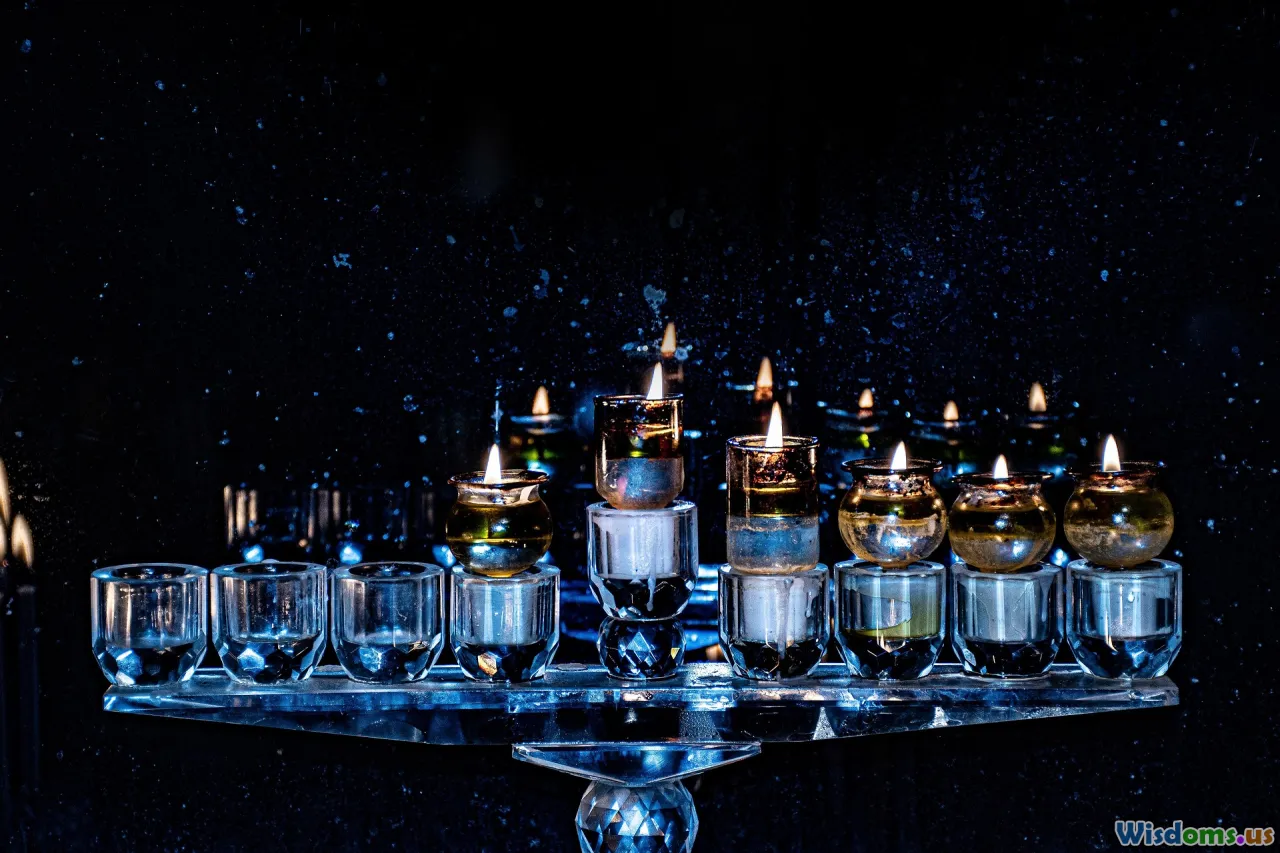
The menorah has existed in Jewish life for thousands of years, transcending its scriptural roots to become an evolving symbol. Classic menorahs often feature elements resonant with Jewish history—olive branches, stars of David, and Torah motifs—rendered in silver, brass, or pewter. These traditional forms, often found ready-made in Judaica shops, connect families with generations past.
Yet modern tastes and advances in design have led to a flourishing of new styles—sleek menorahs in bold colors, minimalist menorahs for urban apartments, and whimsical forms crafted to delight younger generations. For instance, New York designer Laura Cowan creates ultra-modern aluminum menorahs inspired by rocket ships, while Israeli artist Yair Emanuel incorporates vibrant Middle Eastern motifs in hammered metal. Walking through a Judaica store today, one might encounter everything from filigreed antiques to geometric, paint-splattered creations, often with clear explaining tags about their origins.
These evolving aesthetics feed directly into the home-handmade debate. Store-bought models enable you to browse vast catalogs and select a menorah perfectly suited to your décor and identity. In contrast, crafting your own menorah empowers you to blend tradition and modernity however you choose.
The Store-Bought Experience: Convenience and Craftsmanship
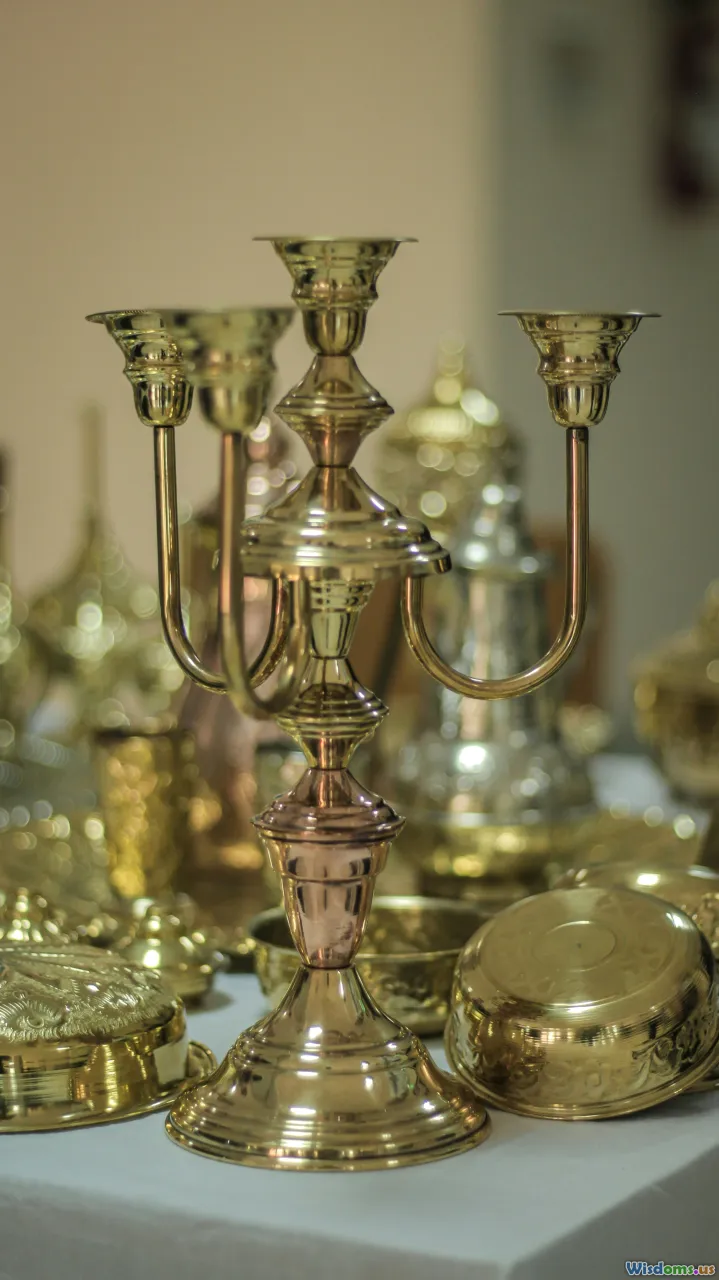
Choosing a store-bought menorah delivers unmatched convenience. Judaica shops, local gift stores, and online outlets carry menorahs for almost every budget and style preference—from simple models under $20 to ornate, artist-signed pieces costing hundreds.
Advantages of Store-Bought Menorahs:
- Quality and Durability: Many store-bought menorahs undergo rigorous quality checks. Hammered silver menorahs, for example, are built to last generations, sometimes with articulated branches for easy cleaning.
- Variety: There's a menorah for every taste—be it classic, abstract, child-friendly, or themed (e.g., sports, animals, or travel).
- Reliability: Store-bought menorahs are designed to ensure candles sit securely and consistently; this is vital for safe and proper Hanukkah observance.
- Supporting Artisans: Purchasing from independent Judaica makers or fair-trade sources helps sustain Jewish artists and craftspeople.
Notable Examples:
- Rite Lite's traditional brass menorah: Affordable and durable, often found in synagogues and classrooms.
- Jonathan Adler's mod menorah: A ceramic menorah with luminous glazes, representing the designer’s playful take on Jewish heritage.
- Artist-commissioned silver menorot: Jewish silversmiths like Hadad Bros (Israel) produce celebrated heirloom-quality pieces featuring elaborate etchings.
Yet, with all the benefits, a store-bought piece may lack a unique, personal story. While you enjoy assurances of safety and structure, you relinquish the chance for hands-on creativity.
Handmade Hanukkah Menorahs: Personal, Creative, and Meaningful
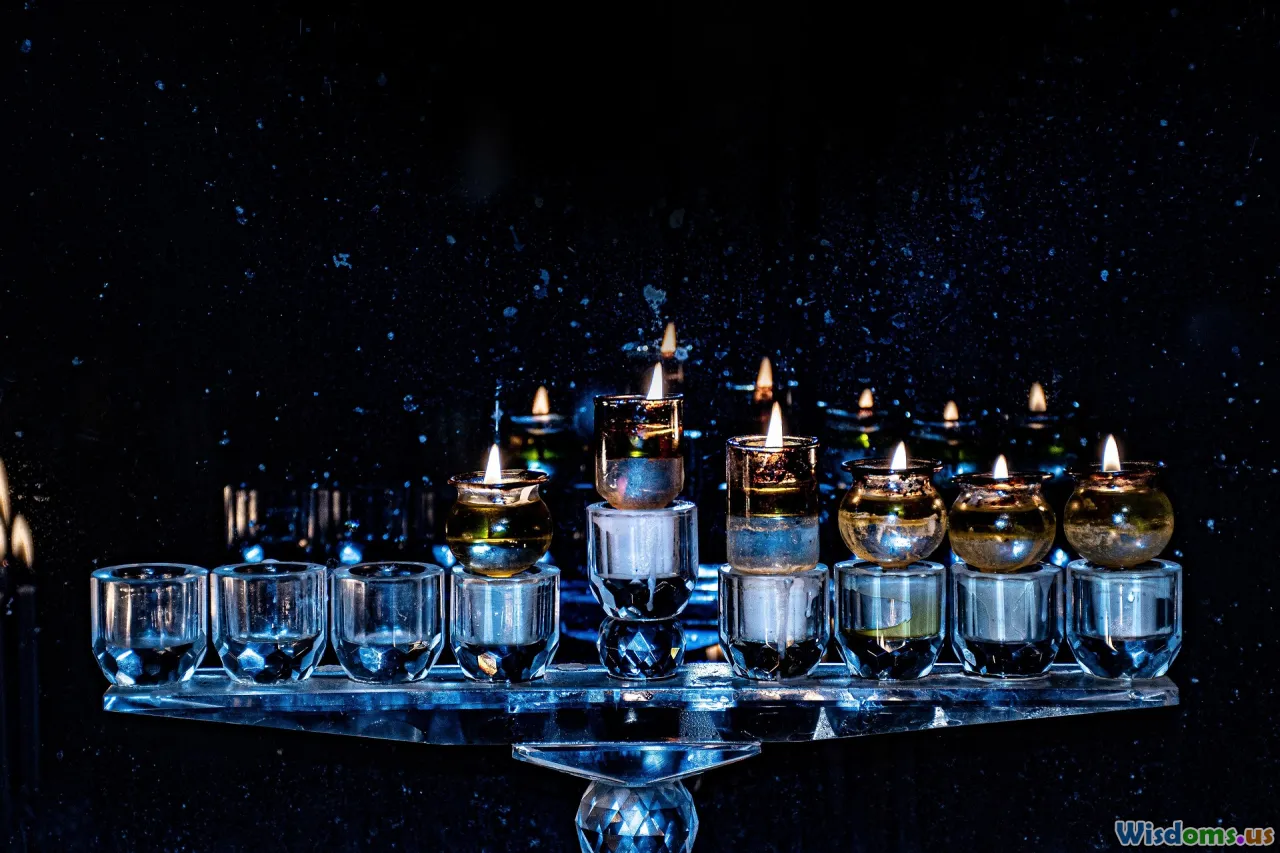
Handmade menorahs embody family traditions and personal memories. Even the simplest DIY menorah can become infused with meaning—whether it’s the crayon-decorated clay version of a preschool child or a carefully planned work of art forged at a community ceramics class.
Why Go Handmade?
- Personal Touch: Crafting a menorah allows for meaningful customization. It can reflect a family's journey or include children’s handprints, initials, or favorite colors.
- Learning Opportunity: Constructing a menorah is a memorable way to teach children about Hanukkah’s miracles and rituals. They see firsthand how tradition connects generation to generation.
- Creativity & Innovation: You're not limited by anyone's vision but your own. From clay and wood to repurposed objects—nuts and bolts, seashells, even LEGO bricks—the possibilities are endless.
- Eco-Friendliness and Upcycling: Crafting a menorah from recycled materials aligns with ethical, sustainable living.
Case Study:
Take the "MacGyver Menorah," featured in The New York Times December 2020. Locked down during the pandemic, the Rosen family constructed a menorah using nine tiny bottles and a scrap lumber base, complete with bottle caps for candleholders. The menorah wasn't just functional—it served as a time capsule, recalling both the ingenuity required and the warmth of staying together during the holiday.
Families with young children often develop the tradition of creating a new menorah each year as a group project. It becomes less about perfection and more about cherishing the creative chaos of glitter, glue guns, and laughter.
Practicalities: Safety, Cost, and Longevity
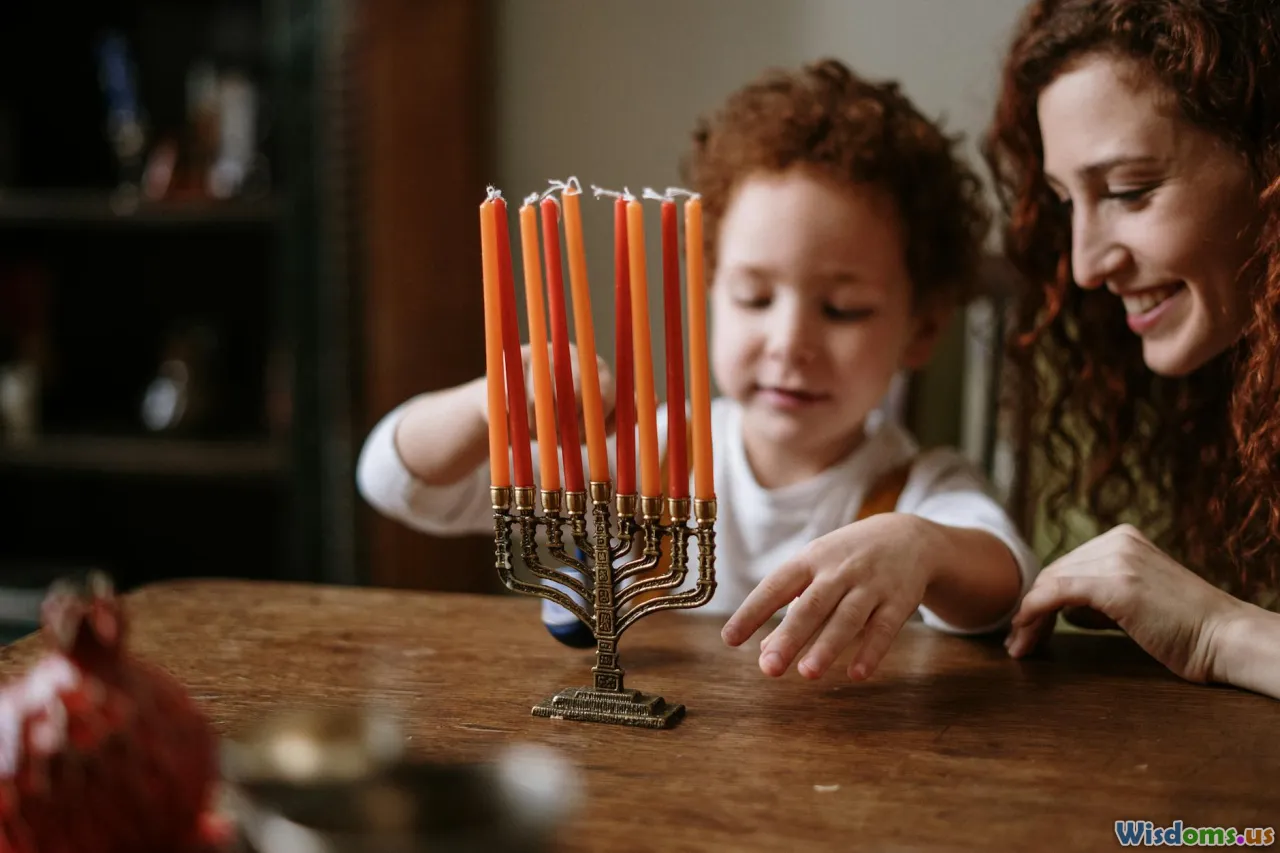
While both store-bought and handmade menorahs can be safe, beautiful centerpieces, each approach presents practical considerations.
Safety Considerations:
- Store-bought menorahs are rigorously engineered for safety, with heatproof designs and evenly spaced holders designed to fit standard-size Hanukkah candles or oil cups. Non-flammable materials ensure the menorah withstands nightly use.
- Handmade menorahs introduce possible safety risks—especially when unconventional materials are used. Thin glass, overly flammable paints, or precariously balanced candleholders can spell danger. To avoid mishaps:
- Ensure holders for candles or oil are heat safe (metal, ceramic, or glass rated for flame exposure).
- Anchor your menorah on a stable surface, and keep it away from curtains, tablecloths, and drafty windows.
Cost Comparison:
- Store-bought menorahs range from low-cost (basic aluminum, plastic, or tin models) to expensive collectibles.
- Handmade menorahs can be virtually cost-free if crafted with household items, or more costly with purchase of art supplies, specialty tools, or kiln time.
Longevity:
A well-made store-bought menorah may become a family heirloom. Some have literally been passed down for generations.
However, a handmade menorah, even if only used for a single season, often finds a place in family lore due to the story behind its creation. A carefully crafted ceramic menorah, glazed and kiln-fired, can easily last decades; a simple popsicle stick version returns each year as a hilarious (and perhaps embarrassing) reminder of artistic beginnings.
Aesthetic Appeal and Personalization
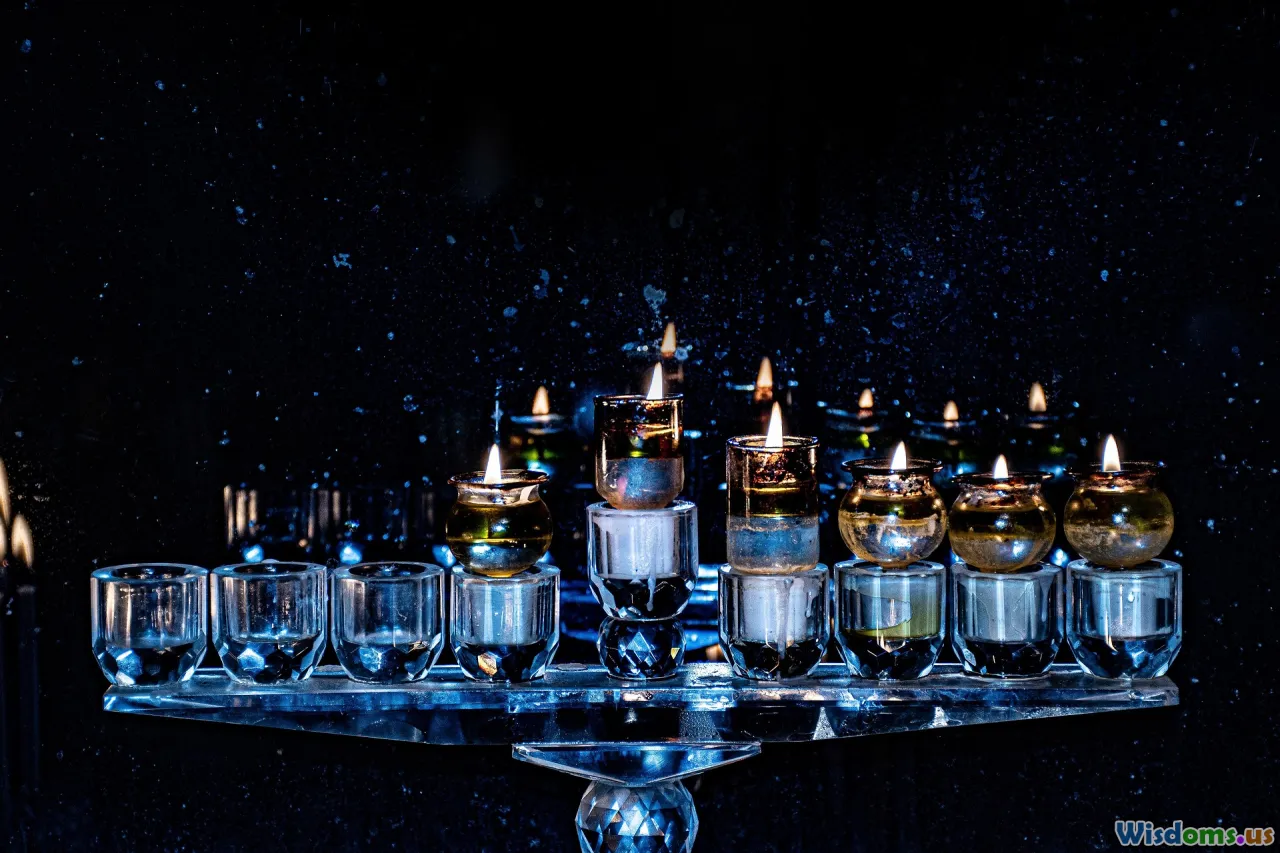
One of the greatest joys of the Hanukkah menorah is its potential for self-expression. Even strict halachic (Jewish legal) requirements allow wide latitude: "any material" may be used, and there’s no mandate on color or decorative theme, so long as the lights are aligned and distinct.
Store-Bought Aesthetics:
- Offer an instantly polished look, from gleaming, architectural brass branches to elegant glass and mixed-media variations. Many judaica shops let you preview styles online or in person, matching menorahs to home colors or collecting artist series yearly.
Handmade Personalization:
- Allows for symbols meaningful only within your family—perhaps a menorah built with miniature vehicles for a future engineer, or ocean shells for a lover of beach vacations.
- Opportunity to incorporate family photos, heirlooms, or motifs with special resonance.
- Children and adults alike can collaborate—one person shaping the candles, another painting the base.
Real-Life Example:
For her youngest child’s first Hanukkah, Jessica Rivera crafted a menorah using nine colorful baby food jars lined on a painted board. Each year, the family adds a special charm or ornament reflective of their year—this might be a travel miniature, graduation tassel, or tiny photo. The result is an evolving menorah, unique each Hanukkah.
Ritual, Meaning, and Family Legacy

Menorahs play a role that far transcends their physical form. The act of lighting candles is inherently communal and often emotional: family and friends gather, favorite songs are sung, prayers are recited, and the miracle of Hanukkah is retold.
- Store-bought menorahs sometimes bring generational gravitas—a parent passes down the shining silver menorah that marked their childhood holidays. The menorah itself becomes an object of memory.
- Handmade menorahs are special precisely because of their backstory—the menorah you constructed after moving into a new home, or built to honor a loved one’s memory.
This melding of story and symbol is, perhaps, the greatest argument on behalf of the handmade approach. Every nick, drip of wax, or creative imperfection becomes a loved part of the family narrative. Many families display all past menorahs on a sideboard or shelf—a timeline of growth, change, and holiday afterglow.
How to: Crafting a Safe and Beautiful Hanukkah Menorah at Home
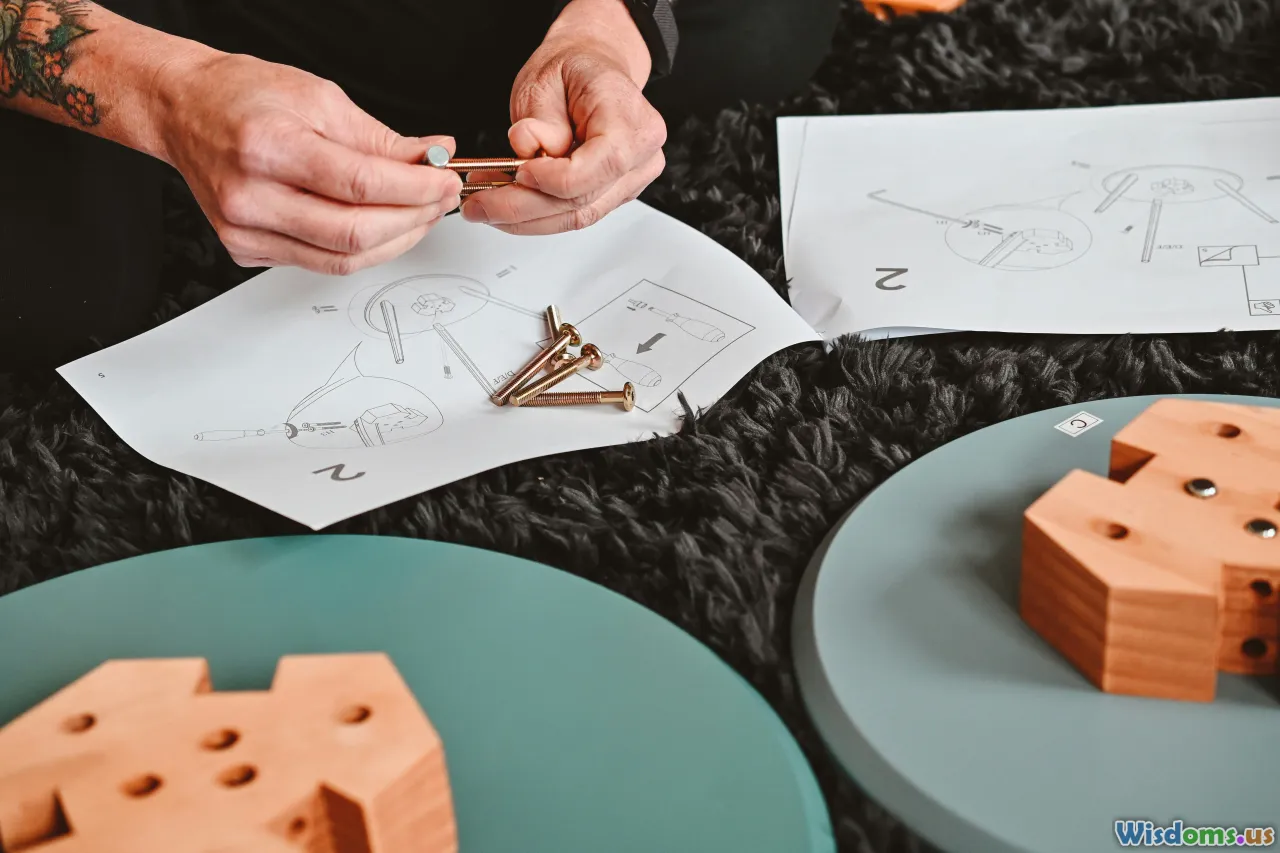
If you’re inspired to try your hand at a handmade menorah, here’s a straightforward guide to making a simple, customizable piece—perfect as a family activity:
Materials
- Base: Wood block (e.g., a 2" x 12" board, 12" long, sanded)
- Candle Holders: Metal nuts, wine bottle caps, votive holders, or even old dominoes
- Decorations: Acrylic paint, markers, stickers, mosaic tiles, craft glue
- Finishing touches: Optional varnish or wax sealer
- Safety: Ensure components are flame-safe and securely attached
Step-by-Step
- Plan Layout: Measure and mark spots for nine branches—eight in a straight row (the same height), one elevated or distinguished for the shamash.
- Candle Holders: Attach metal holders using strong glue or screws. Make sure each fits the candles snugly and stands upright.
- Decorate: Paint or cover the base. Add decorations representing each family member, a memorable event, or your favorite colors.
- Seal and Set: Once dry, apply varnish if desired; avoid covering any candleholder interiors with paint or glue (to prevent fumes or fire risk).
- Test: Place candles or oil cups, ensuring they sit evenly and securely. Inspect the menorah’s stability and move it to a heat-safe display area.
Tips for Success
- Involve children with manageable pieces: Have them paint the base or glue on decorations, while adults handle attaching holders.
- Use symbolism that sparks family discussion: Generations, miracles, or familial traits.
- Date the menorah’s underside and take pictures for a family album.
Where Meaning and Memory Meet: Making the Right Choice For You

There is no absolute answer in the debate between store-bought and handmade Hanukkah menorahs. Both options—separately and sometimes together—bring beauty, meaning, and warmth to the holiday table. You may buy a luscious Art Deco menorah for the living room, and set up your children’s piecemeal clay menorah in the kitchen; one is a visual masterpiece, the other a testament to creativity and family ties.
When making your choice this Hanukkah, consider not only practicality or price, but also what matters most to your household:
- Heirloom value: Do you envision passing down a single cherished menorah? Or do you relish an ever-evolving collection tailored to each family chapter?
- Creative bonding: Is the true miracle not the oil, but the act of sitting together, gluing beads and telling stories?
- Community and social impact: Will you support local or fair-trade Judaica artists, or can you gather with neighbors for a menorah-making workshop?
Whether polished in a gallery cabinet or bearing a child’s first initials, your chosen menorah illuminates more than candles—it shines with your family’s light, laughter, and love, year after year.
Rate the Post
User Reviews



Popular Posts