Data Overload Are Health Metrics Sabotaging Your Motivation
16 min read Explore if tracking health metrics causes data overload and undermines your motivation for wellness. (0 Reviews)
Data Overload: Are Health Metrics Sabotaging Your Motivation?
The age of wearable technology, health apps, and digital fitness trackers has gifted us an unprecedented ability to track everything—from our calories and steps, to hours slept and heart rate variability. In theory, more data means more power: the power to set informed goals, celebrate milestones, and optimize our well-being. However, an emerging paradox is taking shape. While we now possess the means to quantify almost every aspect of our health, many are finding that endless streams of metrics are doing the opposite of what we expect—they're killing motivation rather than fostering it. Why is this happening, and how can we break free from the grip of data overload?
The Allure and Pitfall of Quantified Health
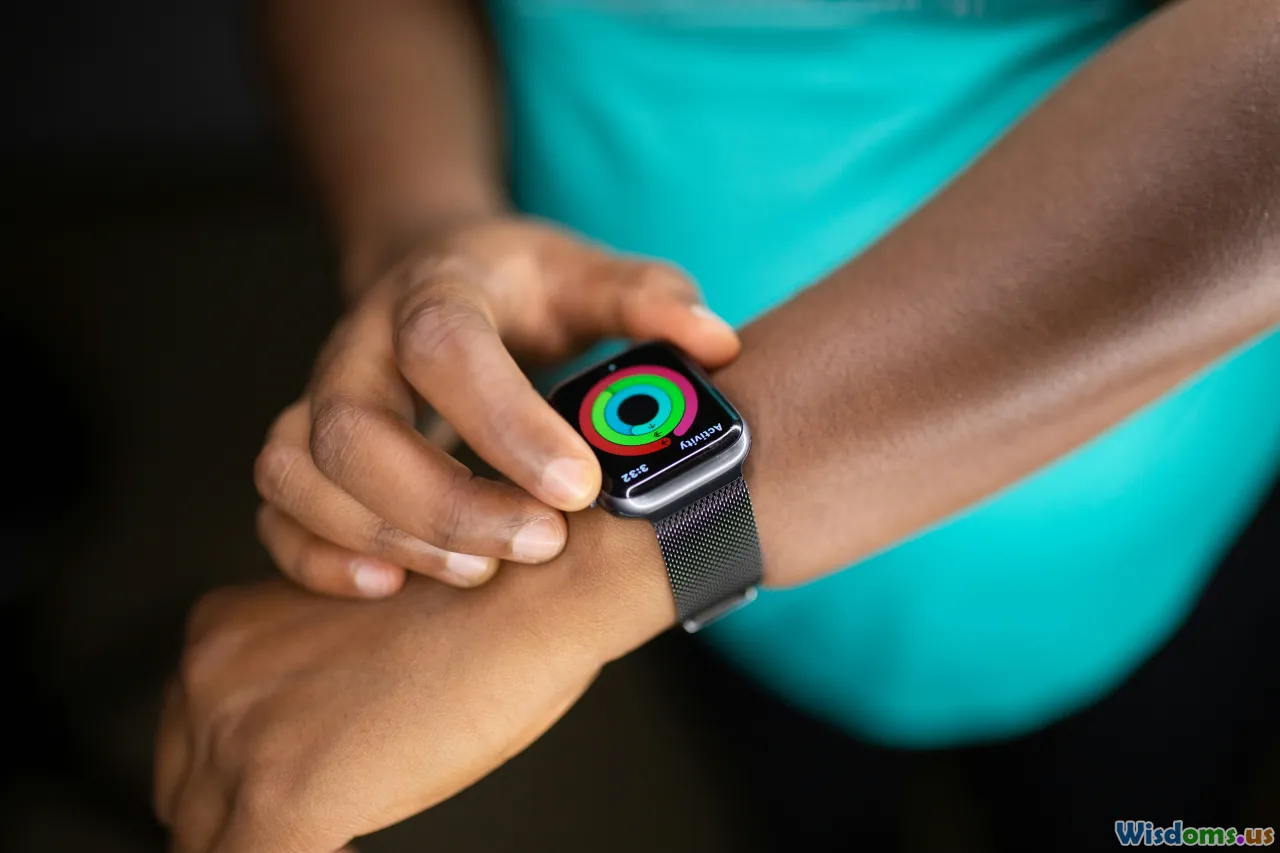
Health tracking technology is nothing short of revolutionary. In 2010, the earliest Fitbits could count your steps and barely much else. Fast forward to 2024, and popular devices like the Apple Watch Series 9 or the Oura Ring track sleep stages, heart rate variability, blood oxygen, stress levels, and even your body’s temperature deviations—every minute of the day.
Proponents of this technology paint a rosy picture: by logging our aging, our exercise, our nutrition, and even our stress, we can spot patterns, set better goals, and ultimately live longer and healthier lives. Indeed, research validates that self-monitoring is effective for weight loss, better adherence to exercise regimens, and long-term health management. According to a 2022 study in the Journal of Medical Internet Research, individuals using wearables increased their physical activity by an average of over 1,200 steps per day compared to non-users.
But the fine print tells a different story for some: reports of obsessive self-tracking, anxiety when goals are missed, and overwhelming feelings of failure abound. Many users quietly abandon their trackers, chiding themselves for not "caring enough" to follow the numbers. Is it the fault of the technology—or is there something deeper happening?
Overwhelmed by Numbers: When Data Turns Demotivating

The term "data overload" describes the moment when information, rather than illuminating a process, begins to overwhelm. Instead of empowering, it induces stress and decision fatigue. With wearables and apps, you’re often served with dashboards full of numbers: today’s steps, last month’s average sleep, last week’s resting heart rates, calories in versus calories burned, and so much more.
For example, John, an avid amateur runner, started using a sophisticated fitness watch and app combo expecting it would help him get faster. Instead, he found himself staring at color-coded zones, weekly heart rate variability graphs, cadence shifts, VO2 max read-outs, and sleep efficiency scores. Confused by what to focus on, John began to second-guess every run.
This is not uncommon. A 2023 survey by Cardinal Digital Health found that 37% of respondents stopped using their fitness trackers within six months, most often citing reasons such as 'feeling discouraged when goals weren’t met’ or ‘not knowing how to interpret the data.’
A further psychological layer: perfectionism and unhealthy competition can be exacerbated by constant metrics. If you’re repeatedly told you’re only achieving “fair” or “average” sleep quality, or that your fitness age is older than your actual age, it can be demoralizing—especially if there’s no guidance on what you can realistically do next.
Goal Creep and the Illusion of Progress

One seductive trap of data-driven living is "goal creep”: the subtle expansion of objectives as new metrics become available. When you start focusing on one number—say, your daily step count—the resulting sense of accomplishment is direct and clear. But as more insights arrive, that single step count can bloom into dozens of sub-goals: resting heart rate, activity minutes, baseline metabolic rate, active calories, readiness score, sleep phases, REM percentage, and on it goes.
For instance, Emma downloaded a popular health app to help manage her hypertension. Initially tracking blood pressure was empowering—she could see progress and share results with her doctor. But over time, the app encouraged her to log nutrition, track sodium, watch hydration, review exercise, and even monitor daily mood swings. What started as a focused health improvement journey became a confusing array of fluctuating charts. When the numbers didn’t improve in lockstep, she felt disappointed and, eventually, quit tracking altogether.
A fallacy develops: by increasing the number of metrics and sub-goals, we assume we will see more, and therefore better, progress. The reality is the opposite. Juggling too many goals dilutes focus; seeing slower progress in some areas can erode the satisfaction of genuine achievements elsewhere.
The Psychology of Motivation in a Quantified World

To understand why data overload sabotages motivation, it helps to appreciate a few psychological fundamentals.
-
Intrinsic vs. extrinsic motivation: Motivation that comes from genuine enjoyment or internal values (intrinsic) is often more sustainable than motivation driven by rewards or external validation (extrinsic). Metrics can initially encourage positive behavior, but over time, focusing only on numbers may shift attention away from the joy of movement or healthy eating and toward chasing badges, streaks, or arbitrary milestones.
-
Feedback loops and satisfaction: Psychologists point to the importance of clear, immediate, and achievable feedback. If metrics feel abstract, unimportant, or out of reach, feedback is no longer motivating, but instead cultivates frustration or even shame.
-
Cognitive overload: When asked to process too many different data points, the brain struggles to prioritize what matters, leading to ‘decision fatigue.’ For many, this manifests as abandoning the whole endeavor, rather than narrowing the focus.
One 2021 study published in Health Psychology discovered that while step goals increased walking frequency, complicated sleep and hydration analytics actually reduced participants’ motivation and adherence to routines—especially in people with a perfectionist streak.
Are All Data Points Equally Meaningful?

As health tech companies compete, they innovate new metrics at a breakneck speed, but few pause to ask: does more data equate to better outcomes? Studies suggest otherwise.
Consider the massive range of metrics available for sleep tracking. Most wearables segment your sleep into light, deep, and REM cycles, sometimes offering nightly ‘sleep scores.’ Yet, a 2023 review in Sleep Medicine Reviews found that, for most people, simply getting more total sleep hours mattered far more than stressing over specific stage percentages. Chasing ‘perfect’ REM cycles or minimizing ‘wake events’ may unnecessarily complicate a person's relationship with sleep.
Similarly, not everyone needs advanced body composition tracking or continuous glucose monitoring. Unless you have a clinical reason—like managing diabetes—staring at minute-to-minute blood sugar readings can lead to undue worry without producing any practical benefit.
Selective attention to the most helpful, actionable data—instead of everything that can be measured—protects against overload. Expert coaches advise prioritizing foundational health behaviors: moving regularly, eating well, sleeping enough, and managing stress. Data should serve these behaviors, not overshadow them.
Strategies to Navigate Data Without Losing Motivation

All is not lost for those who enjoy gadgets but worry about their motivational pitfalls. The key isn’t to throw your tracker in the sock drawer, but to use it more mindfully. Here are proven strategies for staying motivated with health metrics:
1. Choose One or Two Key Metrics
Fixate on what matters most to your immediate goal. A person trying to improve cardiovascular health might focus on average daily steps and minutes of elevated heart rate. If sleep is the issue, overall sleep duration is often sufficient. Resist the urge to monitor every available statistic.
Example: Sarah cared most about increasing her weekly physical activity. Instead of reviewing calories, heart rate zones, and sleep efficiency, she decided to track just one thing: her weekly minutes of moderate-intensity movement. This clarity helped her notice real progress and celebrate consistency.
2. Set Realistic, Personalized Goals
Standard targets (like 10,000 steps a day) aren’t always right for everyone. Calibrate goals based on your fitness level, health conditions, and schedule. This gives you a sense of agency and control.
3. Schedule Digital ‘Detox’ Phases
Taking periodic breaks from wearable feedback—such as a tech-free weekend, or disabling non-essential alerts—can reduce anxiety and let you notice how your body feels, unaided by numbers.
4. Seek Context Rather Than Isolated Numbers
A poor sleep score on a single night isn’t necessarily significant, especially if trendlines are stable. Look for patterns over weeks, not just day-to-day fluctuations. Most health advances come from months of small, consistent effort—not from day-to-day perfection.
5. Reflect on Your Relationship With Data
Ask yourself:
- Does this metric make me feel empowered, or anxious?
- Am I moving more toward my own health priorities, or toward endlessly chasing external numbers?
- Would I still feel proud of my effort, even if I didn’t track it?
A 2022 feature in "Harvard Health" profiled a group of recreational cyclists who abandoned all digital tracking for a month and reported increased enjoyment, motivation, and sense of freedom on the bike.
Recognizing Data Fatigue—and How to Recover

How do you know if you’re burned out by health data? Key signs include
- Dreading updates from fitness apps, or feeling guilty when notifications are missed.
- Obsessive checking or rechecking numbers to validate positive feelings, or avoid negative ones.
- Neglecting the behavior behind the metric—say, moving less to avoid seeing a ‘bad’ step count—or comparing yourself unfavorably with others’ stats.
- Abandoning the device in frustration.
If you’re here, there’s nothing wrong with you—many experience this at some stage! Recovery strategies include:
- Uninstalling apps or letting trackers run in background only, without opening the data dashboard daily.
- Journaling about how you feel physically and emotionally when devices are absent versus present.
- Speaking to a health professional or coach about how best to use data in a supportive, constructive way.
Remember, lasting health behavior change is built on self-compassion and meaningful relationships with your goals, not surveillance or shame.
From Numbers Back to Intuition: Rediscovering Joy in Health

Data should inform, not define, our wellness journey. In a world obsessed with knowing more, sometimes the healthiest act is to trust your intuition. Recall the childlike joy in moving just for the love of it before every action had to be weighed, measured, and scored.
Blending technology and humanity, we can choose to let numbers act as a gentle guide, not a taskmaster. Put down the phone, listen to your breath, trust your body's cues, and move for the pleasure of movement. When you do check your metrics, let them be markers of support, not of condemnation.
So the next time you feel overwhelmed by a barrage of health stats, give yourself permission to zoom out. Focus on what truly matters for your happiness and well-being. The journey to better health is a marathon, not a dashboard—run (or walk) it your way.
Rate the Post
User Reviews






Popular Posts