Drift diving techniques for riding strong currents with confidence
34 min read Actionable drift diving techniques to ride strong currents safely: entries, trim, finning, SMB use, buddy protocols, and gear tips for confident, low-effort, high-visibility dives. (0 Reviews)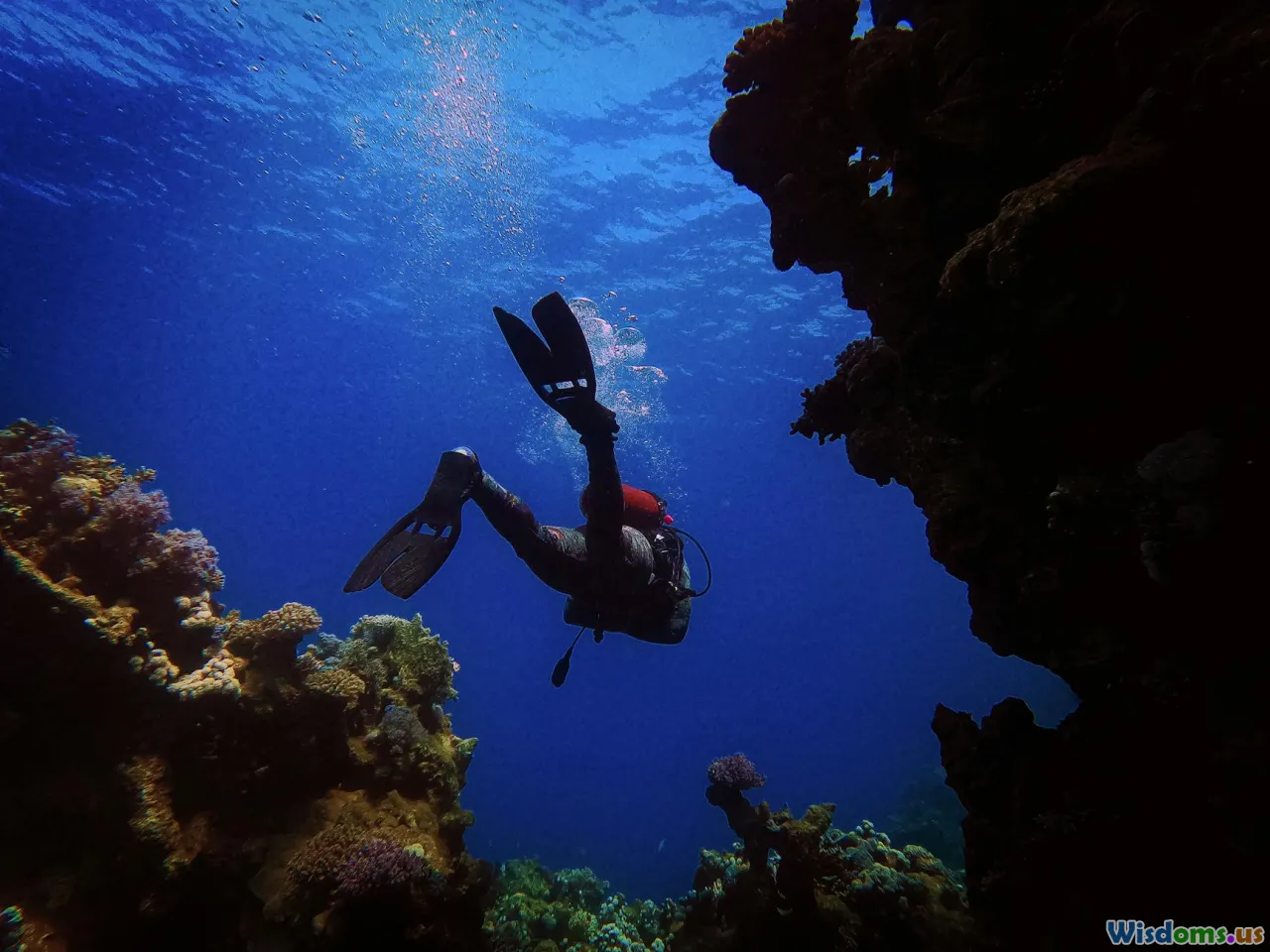
Riding a fast-moving ocean feels like flying. You are weightless, gliding past reefs and canyons as if the water itself were your guide. That is the magic of drift diving. Done well, it transforms strong currents from a source of anxiety into a powerful ally—one that carries you farther with less effort, reveals pelagic life up close, and opens famous sites that are impossible to enjoy any other way. This guide breaks drift diving down to practical techniques you can master, from planning and gear to mid-water control and emergency problem-solving. The goal: turn a roaring flow into a calm, confident ride.
What Makes a Drift Dive Different
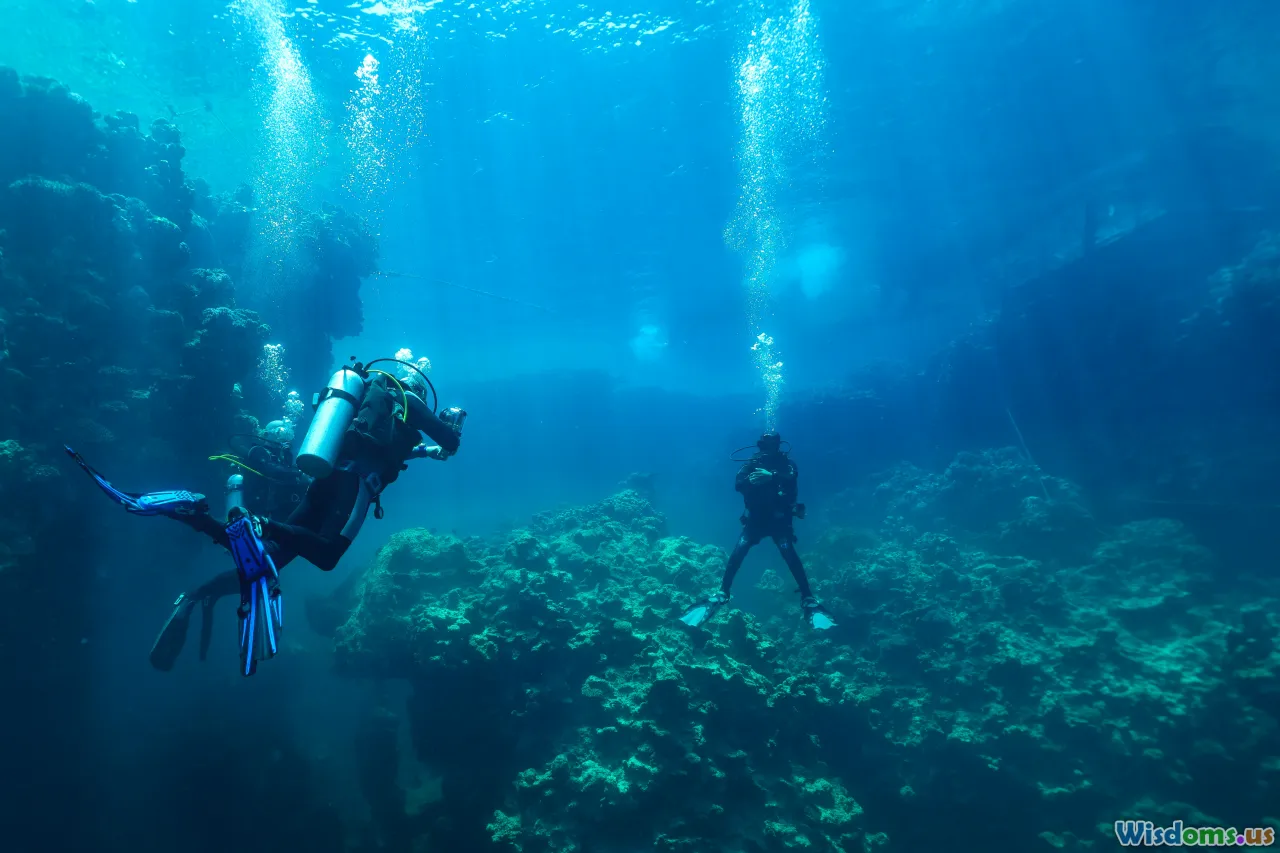
A drift dive is a live-boat dive where the current, not the compass, determines your path. Instead of swimming out and back to a fixed point, your team follows the water’s movement while a boat tracks your surface marker and picks you up wherever you surface.
Currents vary by origin and behavior:
- Tidal currents: Driven by the rise and fall of tides, strongest near narrow channels or passes. Their intensity often follows the rule of twelfths: roughly 1/12 of tidal range in the first hour after slack, 2/12 in the second, 3/12 in the third (peak), then the pattern reverses. These changes matter because a site that is gentle at slack may become ripping within an hour.
- Wind-driven currents: Generated by persistent winds and surface friction. They can stack against swell or coastline to accelerate, especially around points.
- Pressure-gradient flows and upwellings: Areas like reef corners or wall drop-offs can funnel water like a nozzle. Expect vertical components to the flow (upcurrent or downcurrent) near promontories, and swirling zones known as washing machines.
Typical drift speeds are 0.5–3 knots. One knot is about 0.5 m/s. At 2 knots, you will cover roughly a kilometer in 15 minutes with no finning at all. The catch is hydrodynamics: drag increases with the square of velocity. Fight the flow and gas consumption skyrockets. Align with it and effort drops dramatically. The secret is not strength, but streamlining, body control, and smart route choices.
Famous drift sites illustrate how currents shape the experience:
- Cozumel, Mexico: The Santa Rosa Wall and Palancar Reefs offer gentle to brisk drift along ledges, with the boat tracking SMBs.
- Palau, Micronesia: Blue Corner and Ulong Channel can funnel high-speed currents, with eddies behind coral heads and the need for reef hooks on dead rock.
- Maldives channels: Incoming or outgoing tides bring sharks to the edge of passes; divers often hook into rubble and watch the show.
- Komodo, Indonesia: Iconic sites like Batu Bolong and Shotgun feature complex flows with downcurrents and jets—exhilarating when timed well and dangerous if ignored.
Pre-Dive Planning That Makes or Breaks the Ride
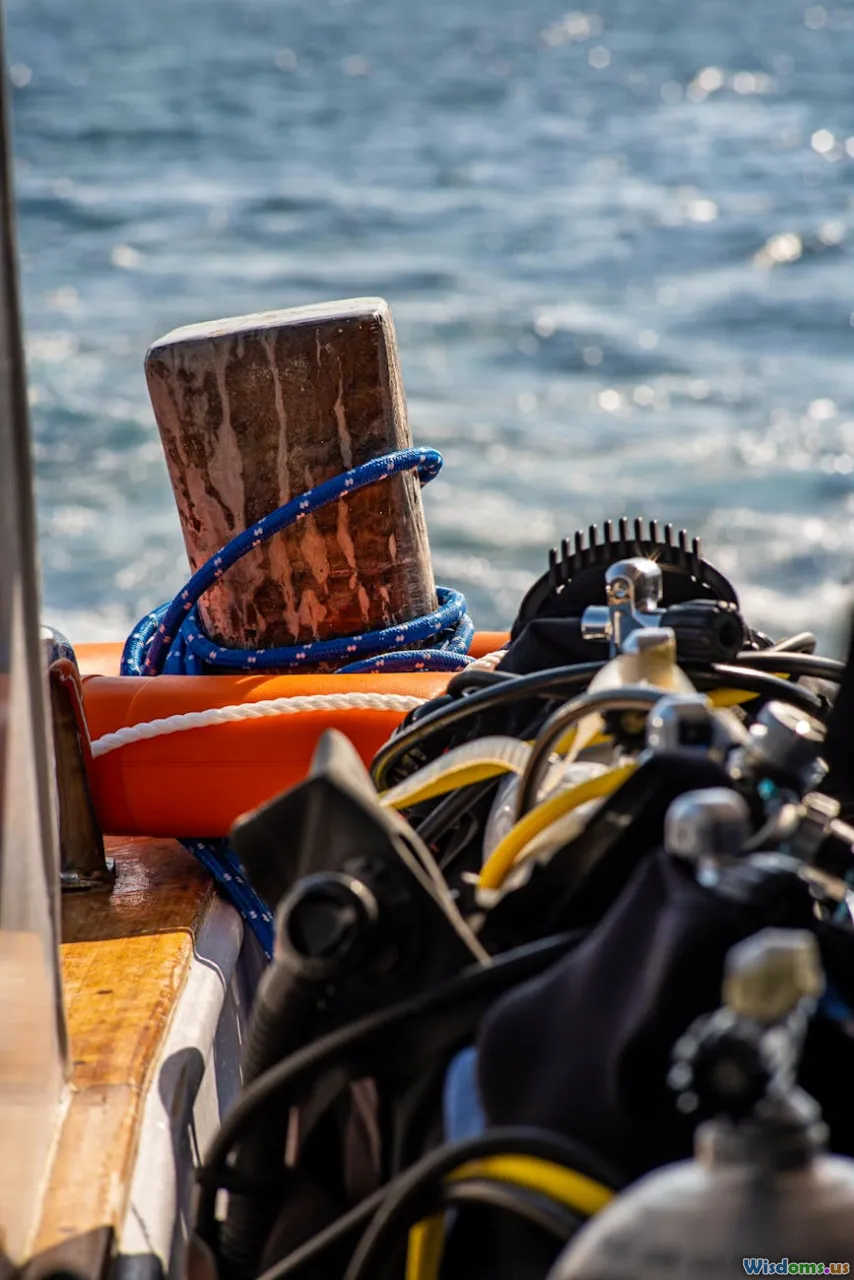
Drift dives reward planning. A solid briefing reduces surprises and helps each diver conserve energy.
Key planning pieces:
- Timing: Confirm high and low tide times and estimates of slack. Ask: Which direction is the current expected to run at our planned time and depth? At many channel sites, incoming and outgoing tides present different marine life and risk profiles.
- Entry and descent strategy: Will it be a negative entry (descending immediately upon splash) or a controlled descent along a line? A hot drop from a moving boat demands clarity: go on the horn or hand signal, maintain buddy contact, descend promptly.
- Route and depth band: Identify the primary depth to ride (for example, 18–24 m on a wall’s shoulder), and where to hide if it rips (lee side of ridges, behind bommies). Confirm the turn or ascent trigger: time, gas pressure, or reaching a landmark.
- Pickup protocols: Who carries the primary DSMB? Is there a group sausage at the end of the dive? What are the surface signals for all okay vs need assistance? Will the boat trail a tagline for pickups?
- Buddy roles: Assign lead and tail positions in the water column, and agree on a separation rule (for instance, if visual contact is lost for 1 minute, deploy DSMB and ascend).
Gas planning deserves extra attention because current diving elevates breathing rates. Consider a minimum gas or rock-bottom reserve that allows two divers to ascend together from depth with a safety stop. As a rough, conservative example for recreational no-decompression diving:
- Assume two divers, stressed SAC of 20 liters per minute each (or 0.7 cf/min), starting at 20 m (3 bar ambient). For a controlled ascent plus 3-minute stop, you might plan around 1200–1500 liters (40–50 cf) shared reserve. With an aluminum 80 (11-liter cylinder at 200 bar), that could translate to surfacing no lower than 70–90 bar depending on your real-world rates and depth. Adjust with your own known SAC and your depth plan.
Make this discussion explicit during the briefing. Stress increases under a ripping current; calling the dive early because of gas is good diving, not failure.
Essential Equipment Set Up for Current
You can drift dive on standard kit, but a few items become non-negotiable when currents rise.
- DSMB and spool: Carry at least one high-visibility DSMB (1.2–1.8 m tall). A compact 30–45 m finger spool covers most recreational depths; 45–60 m offers margin when deploying deeper. Practice inflating with exhaled gas or octo purge while maintaining trim.
- Cutting tools: At least two, placed differently (for instance, a line cutter on your harness and a small knife on your waist) in case of entanglement during DSMB deployment or contact with fishing line.
- Audible and visual signals: Whistle, signal mirror, and a compact strobe or flashlight for low light. Consider a personal AIS/VHF beacon or PLB in remote locations; some liveaboards recommend them for channel dives.
- Reef hook and line: Common at sites like Palau or Maldives. Use only on dead rock or rubble, never living coral. A 1–2 m line with a sturdy clip allows you to watch pelagics without finning. Practice hooking and unhooking calmly.
- Streamlining and hose routing: Keep your profile tight. Clip SPG to a D-ring, stow octo on a bungee or with a firm clip, tuck away excess straps. Cameras add drag; use a short lanyard and park it when not shooting.
- Exposure protection and gloves: Gloves are often prohibited to discourage reef grabbing. If permitted and conditions warrant, thin gloves protect against abrasions when holding bare rock or rubble. Confirm local rules.
Do a precise weight check. Slightly positive divers tend to get pushed upward in strong flows, while slightly overweight divers may ride lower and work harder. Aim for truly neutral with an empty tank at 3–5 m.
Mastering Entries and Descents in Moving Water
Surface time in fast current separates teams. If the plan calls for a negative entry, your descent must be immediate and coordinated.
Negative entry steps:
- Pre-rig: Mask defogged, reg in mouth, BCD nearly empty, computer on, camera clipped off, DSMB stowed. Agree on a depth to regroup (for example, 10 m).
- On the count or horn: Step or roll in, keep one hand on mask and reg. Face the current to minimize rolling. Kick down gently as you exhale.
- Eyes on buddy: If you lose sight, look down first, then 360 spin, then meet at the planned depth. Do not delay on the surface to adjust fins or gear.
- Breathe normally and equalize early. A brief sprint clears the top layer where wind waves can push you apart.
Controlled descent on a line (mooring or shot line) works when negative entries are not possible or desired:
- Use a stern or drift line during staging. Hold position while groups roll in, then the team follows the line down together.
- Stay slightly to the lee of any structure to reduce flow. The boundary layer near reef or wreck surfaces moves slower; 1–2 meters off the bottom can feel dramatically different.
If separated at the surface for more than a minute, follow the pre-briefed lost-buddy plan: both parties deploy DSMBs and the boat conducts pickups.
Hydrodynamics and Body Control Underwater
A drift-friendly body position is simple: long, narrow, and quiet.
- Trim: Stay as horizontal as possible, knees slightly bent, fins behind you, not hanging down. This reduces frontal area and drag.
- Streamlining: Pull elbows in, keep gauges and accessories tucked. A compact silhouette matters more as speed rises due to the drag-velocity-squared relationship.
- Breathing: Smooth, deep breaths help fine-tune buoyancy without dumping or inflating frequently. Small adjustments with the lungs are ideal when micro-dodging eddies.
- Finning toolbox: Prioritize non-silty techniques that minimize wasted energy.
- Frog kick: Powerful and efficient for bursts; recover phase tucked to reduce drag.
- Modified flutter: Short, tight kicks keep you stable near the bottom in current.
- Helicopter turn: Pivot to face features or manage a camera angle without drifting sideways.
- Back kick: Crucial for braking without grabbing the reef.
Learn to use the seafloor’s shape as a current-breaker. Tuck behind coral heads, frame-like ridges, or rock spurs on the lee side. Eddies form there, offering calm pockets to rest, check gauges, or compose a photo. Practice eddy hopping: from one sheltered pocket to the next, using short, decisive bursts of finning across the jet between them.
Navigation Without a Compass: Reading the Reef and the Water
In clear water you rarely need a compass for a drift; the water chooses the route. Your job is positioning.
Telltales that reveal current direction and strength:
- Soft corals and fans: Gorgonian fans bend and point their branches in the direction of flow. If they oscillate rapidly, expect turbulence nearby.
- Sand ripples: Ridges align perpendicular to the dominant flow. Freshly scoured sand indicates recent strong currents.
- Particles and plankton: Look into the blue and watch suspended matter move; you will see layers moving at different speeds.
- Fish behavior: Schooling fish often face into the current to feed. Sharks and rays cruise in the flow; big congregations often gather at the upcurrent edge of a reef or channel. If cleaner wrasse and butterflyfish are tucked into crevices, the exposed flow may be harsh.
Team spacing is strategic. Side-by-side spacing creates a wide profile and makes it harder to duck behind the same cover. Instead, stagger vertically or diagonally, so each diver can find their own lee. Pre-assign lead and tail so someone always watches the group and the environment ahead.
Gas Management and Pacing in Fast Drifts
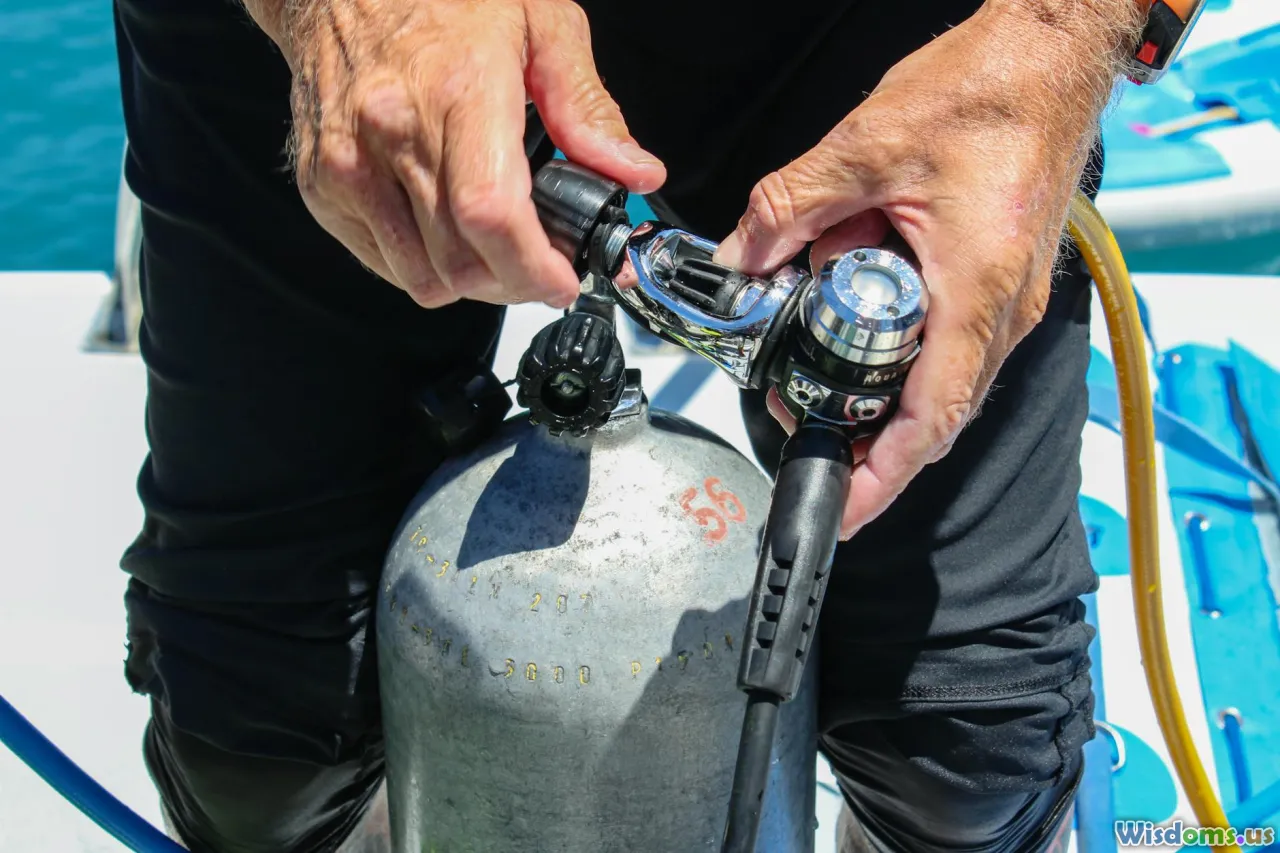
Currents can nudge breathing rates up by 10–30 percent or more, especially during entries, descents, and when crossing jets. Plan breathing checks at fixed time intervals—say, every 5 minutes—rather than waiting for a landmark.
Tactics that save gas:
- Let the water work: Align your body, keep hands quiet, and only kick to steer or briefly accelerate between shelters.
- Do not sprint to stay with a buddy trailing a camera. The lead diver should moderate pace or move to a lee. Agree on a slowest-common-denominator pace before you jump.
- Ride the right depth: Just a few meters higher or lower can mean less flow due to boundary layers and shear. Use your computer and a visual reference to choose the calmest band.
- Build a pressure ladder: For example, announce 150 bar, 110, and 80 bar to your buddy and guide, with the last one as the ascent trigger unless you have a different pre-briefed plan.
Use your own historical SAC to refine plans. If your calm SAC is 16 l/min and you know current days drive you to 22 l/min at depth, adopt that higher figure for pre-dive math.
DSMB Deployment on the Fly
Deploying a DSMB while you are moving separates practiced drift divers from those tangled in spaghetti line.
Simple, safe deployment sequence:
- Prepare: Signal your buddy, find a calm pocket or hover off the bottom to avoid snagging. Clip or stow your camera. Check above for overhead hazards and boat traffic.
- Unfurl: Hold the DSMB mouth in your non-dominant hand and the spool in your dominant hand, with the line across a gloved finger and the spool free to spin. Keep at least 1–2 m of line out before inflation to avoid the bag pulling on you during expansion.
- Inflate: Exhale from your regulator into the open end or give a short octo purge. Do not overfill at depth; remember gas expands as it rises. Keep the bag slightly in front and above you, not beside your body.
- Release: Let the spool spin freely while maintaining gentle line tension. Avoid wrapping line around your hand. If the bag snags, do not go with it—let go of the spool if needed, then recover it if safe.
- Manage ascent: After the bag is up, secure the spool and confirm neutral buoyancy before you begin a slow ascent. Communicate the planned stop depths to your buddy.
Practice this midwater until you can do it without changing depth more than half a meter. Entanglement and rapid ascents are the primary DSMB hazards; repetition removes them.
Handling Upwellings, Downcurrents, and Washing Machines

Vertical flows near walls and corners can surprise even experienced divers. Handling them is a mental game as much as a technical one.
Recognize the signs:
- Your bubbles stream sideways or downward instead of up.
- Soft corals plaster against a wall, then release in pulses.
- You feel sudden lift or sink without adding or dumping gas.
Responses that work:
- Go horizontal and streamlined. Do not go vertical and windmill; it increases drag unpredictably.
- If pushed down a wall: Move diagonally away from the wall into the blue at roughly 45 degrees while adding small, controlled bursts of gas to your BCD to counter descent. Exhale slowly to avoid over-buoyancy when you leave the downflow.
- If lifted in an upcurrent: Vent small amounts from your BCD and lungs while angling into the current toward shelter. Keep your ascent rate below safe limits; use your computer’s ascent indicator.
- Use terrain: Duck behind an outcrop to exit the jet, then reassess. Eddies often form just past corners.
- Communicate: Signal your buddy to close proximity. In strong vertical flows, team cohesion is priority over the perfect profile.
Weight drops should be a last resort. With modern BCD buoyancy and controlled finning, most vertical flows are escapable by angling out and adjusting buoyancy gradually. If you must ditch weight, do so incrementally and only with a clear ascent path and buddy awareness.
Boat Pickup, Surface Management, and Lost-Diver Protocols
The dive is not over until you are safely on the boat. Fast surface drifts punish teams that stop paying attention at the safety stop.
- Mark early: If the guide handles the group DSMB, great. If not, deploy your own at 5–8 m and ride it to the stop. Boats see tall sausages from farther away than they see a diver’s head.
- Stay together: On the surface, stay inflated, keep the DSMB upright, and signal the boat with a raised hand or whistle if needed. Drift as a compact group.
- Approach protocol: The boat may tell you to drop your sausage before approach, or to keep it up for final visibility. Follow crew direction. Never swim toward spinning props.
- Taglines and current lines: Many boats trail a floating line for divers to hold during pickup. Use it; it saves gas and avoids separation while you wait.
- Lost diver: If you and your buddy separate underwater, search for one minute, then deploy DSMB and ascend for surface pickup. On the surface, use audible and visual signals, conserve energy, and maintain line-of-sight with the boat.
Consider how quickly you can drift. At 2 knots, you will move about 60 meters per minute. In just 10 minutes, you may be 600 meters from your drop point. This is why visible SMBs and disciplined surface management matter.
Photography and Videography in Current

Shooting while drifting is a balancing act between art, safety, and reef etiquette.
- Stow before entries: Negative entries with a camera in hand are a recipe for stress. Clip the rig securely, descend, then unclip in a calm pocket.
- Stabilize smartly: Use back kick and helicopter turns to hold position; never brace on living coral. If reef hooks are permitted, hook only to dead rock or rubble at a 45-degree line angle so you can hover above the bottom without contact.
- Composition on the move: Let subjects come to you. Position on the upcurrent edge of a cleaning station or ridge and watch pelagics glide in. Shoot bursts between microbursts of finning, and increase shutter speed slightly to counter motion.
- Minimize drag: Dome ports, arms, and snoots increase drag. Tuck accessories tight when crossing jets. Use float arms judiciously so your rig is neutral, not buoyant or heavy.
Above all, the reef comes first. Avoid grabbing or finning hard near delicate structures. If you cannot get the shot without touching, let it go.
Building Skills: Training Drills and Pool Practice

Like any specialty, drift mastery comes from repetition—ideally in low risk environments first.
Practice set pieces:
- Trim and buoyancy: Hover in horizontal trim at 3–5 m for 5 minutes with less than half a meter of depth variation. Do this both weighted for salt and fresh water.
- Finning drills: Back kick 3 body lengths without rising, helicopter turn 360 degrees both directions, then repeat while holding a camera.
- DSMB midwater: Inflate, release, and stabilize at the same depth, then reel in under light tension. Practice with thick and thin gloves.
- Simulated drift: In a pool with a resistance jet or in a sheltered lagoon with mild current, practice eddy hopping behind posts or rocks.
- Communication sprints: From a calm hover, signal 150/110/80 bar to your buddy and rehearse the ascent call and DSMB deployment as if you had to act immediately.
Formal training adds value. Many agencies offer drift diving and DSMB specialties. If you plan trips to high-energy sites like Palau or Komodo, a guided skills workshop beforehand pays dividends.
Sample Drift Dive Brief and Checklist

Use this sample as a template you can adapt on any current dive.
Brief highlights:
- Site: Outer reef wall, current expected north to south at 1–2 knots, slight downcurrent possible at the corner.
- Timing: Splash 30 minutes before peak flood; slack predicted in 90 minutes.
- Route: Start at 22 m on the wall shoulder; shift to 18 m near the corner; move to lee behind ridges as needed.
- Entry: Negative entry on horn, regroup at 10 m. If separated, 1-minute search then DSMB and ascend.
- Leader roles: Guide leads, Diver A carries primary DSMB, Diver B is tail and echoes gas states to the group.
- Gas: Call at 150/110/80 bar. Ascent trigger at 80 bar unless you reach the corner early.
- DSMB: If the guide does not shoot, Diver A deploys at 8 m. Safety stop 3 minutes; additional stop optional based on computers.
- Pickup: Keep DSMB upright until boat signals. Use tagline at stern for orderly boarding.
Pocket checklist before splash:
- Computer on and set, nitrox verified if used.
- Regs breathe, BCD inflates and dumps smoothly.
- Weights correct for saltwater and exposure.
- DSMB and spool accessible; cutting tools reachable with either hand.
- Camera clipped and streamlined; strobes off for entry.
- Buddy roles and signals confirmed.
Where to Try It: Iconic Drift Sites and What to Expect
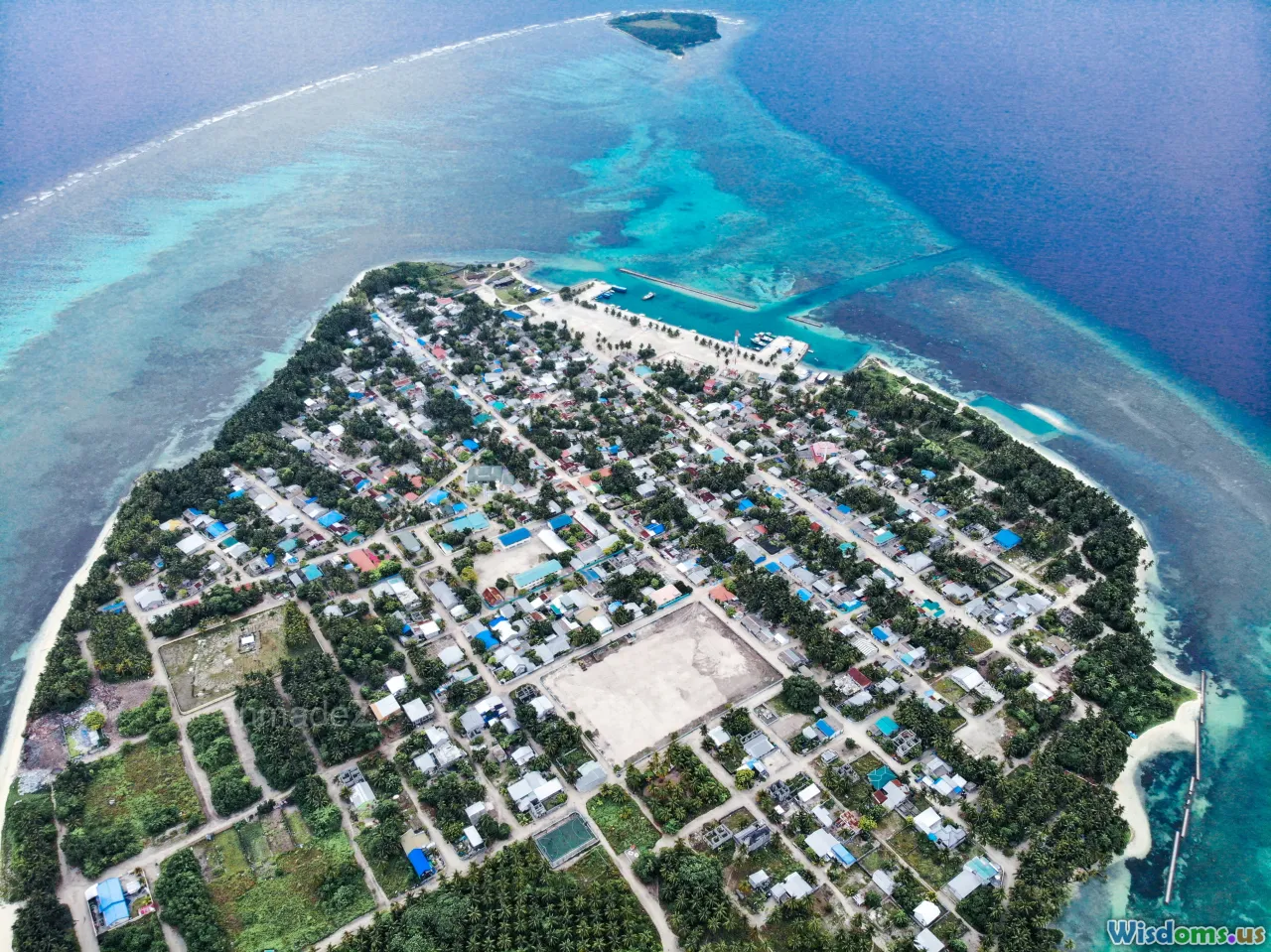
- Cozumel, Mexico: Classic wall drifts like Santa Rosa, Columbia, and Palancar. Expect clear water, moderate to brisk flows, and playful swim-throughs. Boats are highly practiced at live pickups. Great for building confidence.
- Palau: Blue Corner, Ulong Channel, German Channel. On big days, reef hooks are standard; sharks and jacks school on the edge. Downcurrents around corners can be serious; guides time entries to avoid the worst of it.
- Maldives: Channel dives focus on incoming or outgoing tides. Expect gray reef sharks, eagle rays, and schooling trevally. Hooks used on rubble patches; strict no-touch on coral. The crew will brief specific channel dynamics each day.
- Komodo, Indonesia: Sites like Batu Bolong, Castle Rock, and Shotgun combine jets, washing machines, and pelagic action. Timing and guide knowledge are everything. Divers should be comfortable with negative entries and midwater DSMB deployment before attempting the most energetic sites.
- Raja Ampat, Indonesia: Dampier Strait and nearby passes pulse with nutrient-rich water, bringing manta rays and bait balls. Currents can be deceptively layered; the lee side of seamounts often hosts the show.
Research seasonality. Monsoon shifts, spring tides, and lunar cycles modulate current strength. New and full moons often bring stronger flows; neap tides around quarter moons run milder.
Environmental Etiquette in Fast Water
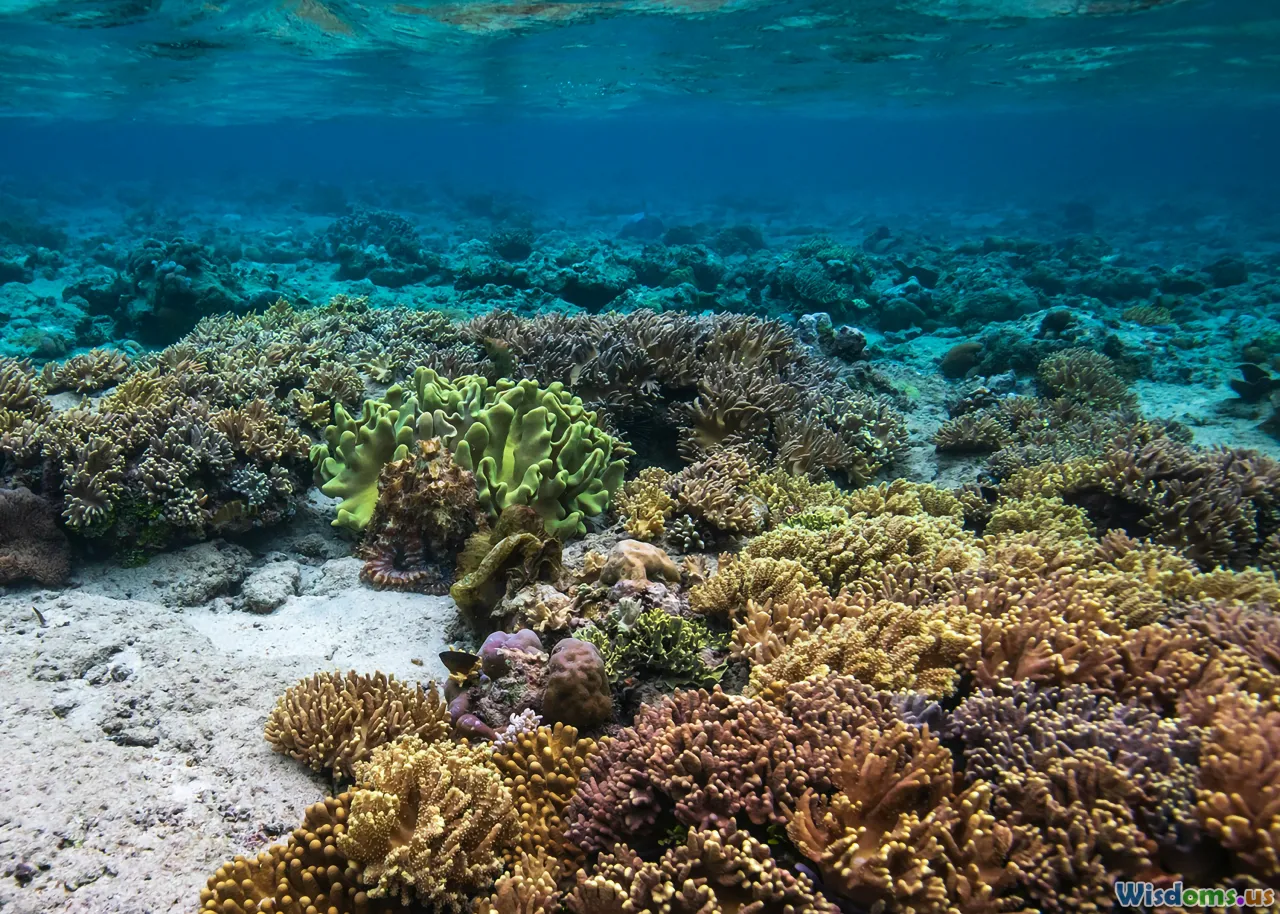
Strong current does not excuse reef damage. Adopt a code before you ever jump.
- No-touch policy: Hands off living coral, period. If you must stabilize, use only dead rock or sand with a single fingertip or a pointer stick, and only when permitted.
- Fin discipline: Keep fins up and behind you. A single careless kick can shatter delicate branching corals.
- Hook responsibly: Only in sanctioned areas, only to dead substrate, with line short enough to hover above and not drag across the reef. Unhook slowly to avoid sudden surges.
- Control loose gear: A dangling octo can chisel coral in seconds. Clip everything.
- Follow local rules: Many parks prohibit gloves and sticks for good reason. Respect closures and briefings; these places are special because rules work.
Putting It All Together: A Confident Drift Mindset
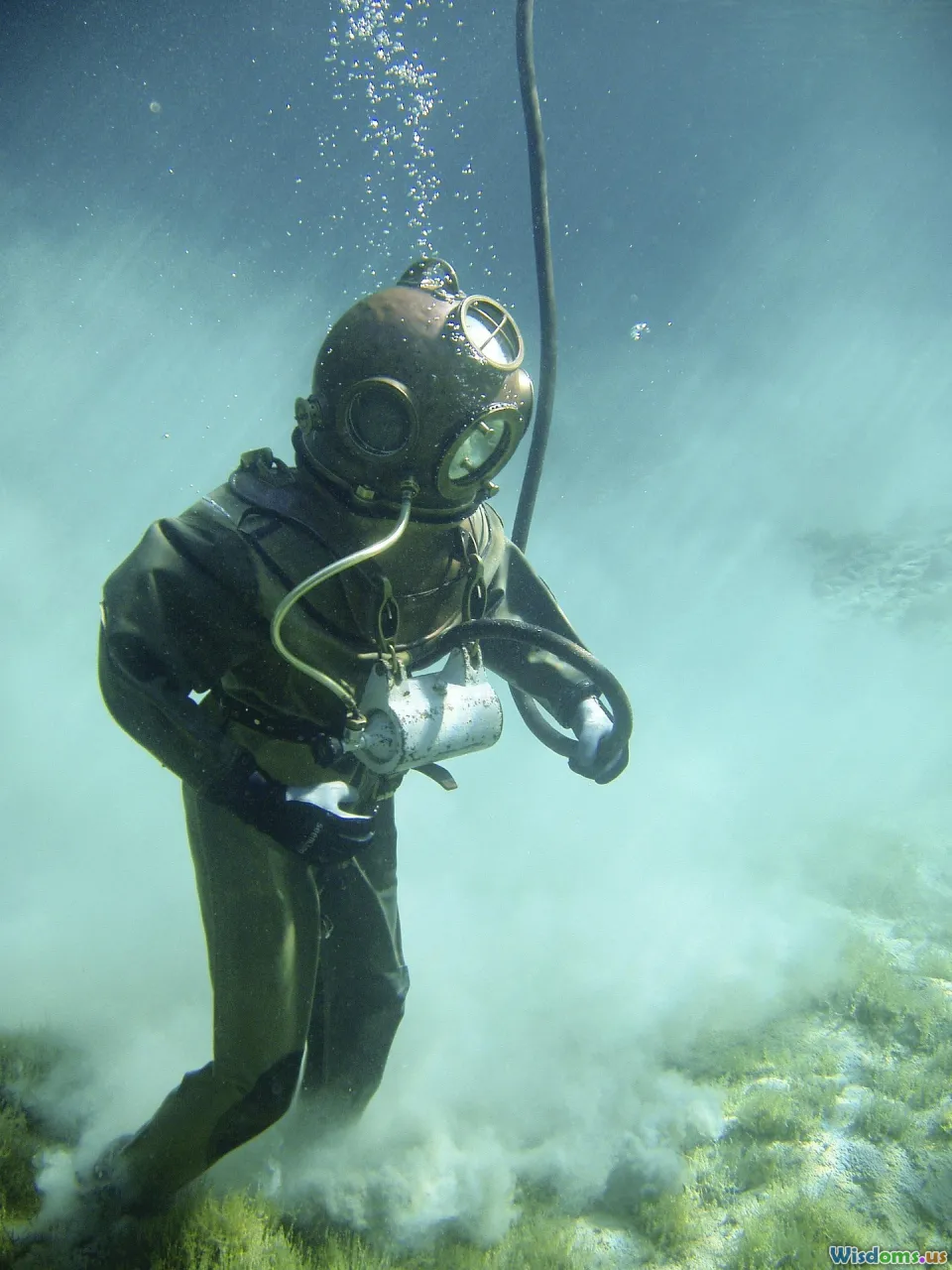
Confidence in current is a chain. Each link matters: planning, gear, entry, body position, communication, and the judgment to call the dive when conditions or gas say so. With practice, you will find a rhythm that feels almost meditative—no fighting, just small choices that add up to a smooth ride.
A final snapshot of the ideal current dive:
- You jump cleanly, descend together, and settle into a trim line a few meters off the reef.
- You read the water—fans and fish pointing the way—and hop from lee to lee when you want to pause.
- Gas checks come on schedule; your SAC is steady; your breathing is calm.
- At the stop, the DSMB goes up without drama, and your team stays compact under the sausage.
- The boat appears right where expected, and you climb aboard with the easy tiredness that means you let the ocean do the work.
Drift diving rewards patience and precision, not force. Start with manageable sites, drill the core skills until they feel automatic, and choose mentors and guides who know the local water intimately. Before long, you will not just tolerate strong currents—you will seek them out for the effortless, soaring perspective they offer over a living reef.
Rate the Post
User Reviews






Popular Posts