Women Leading Volunteer Expeditions in the Himalayas
29 min read How women are leading volunteer expeditions across the Himalayas, advancing communities, conservation, and safe adventure through inclusive leadership, local partnerships, and altitude-aware planning. (0 Reviews)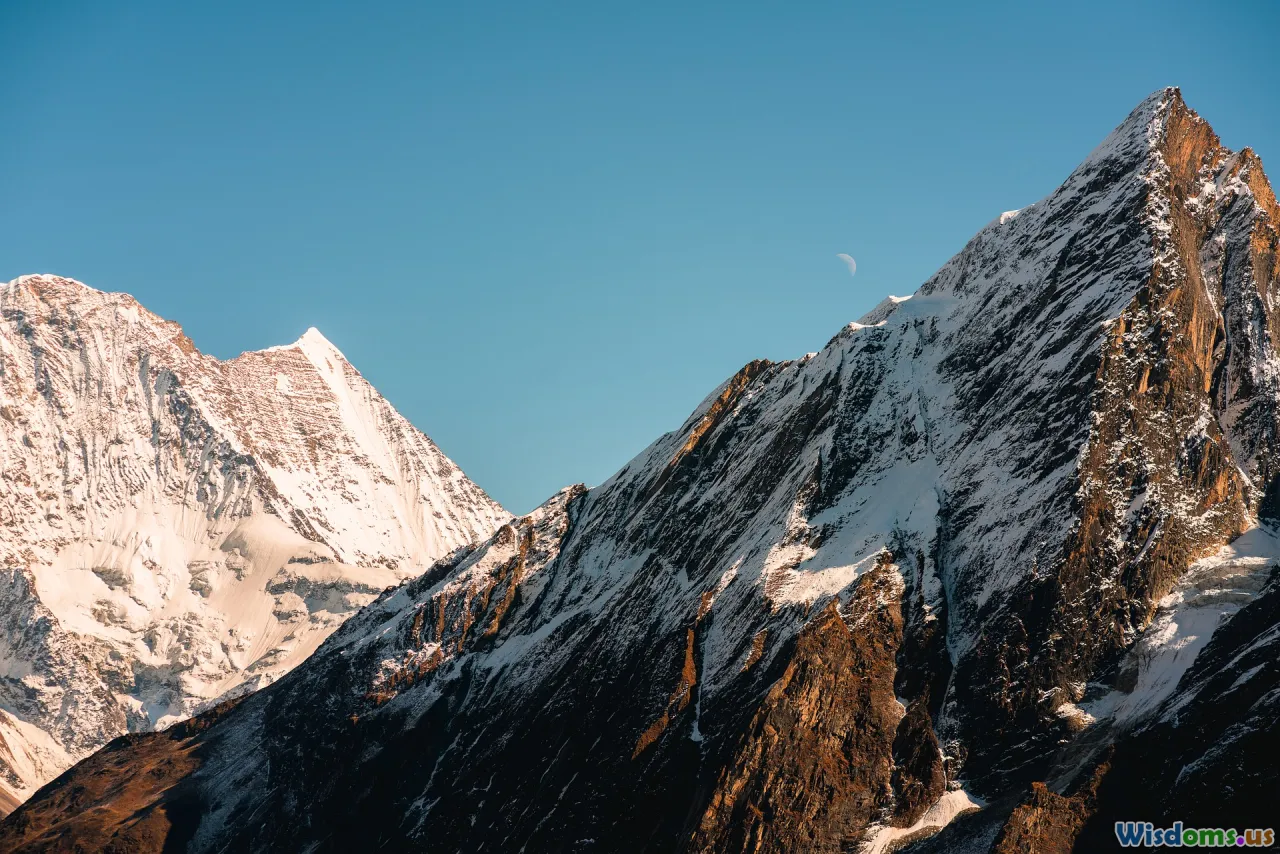
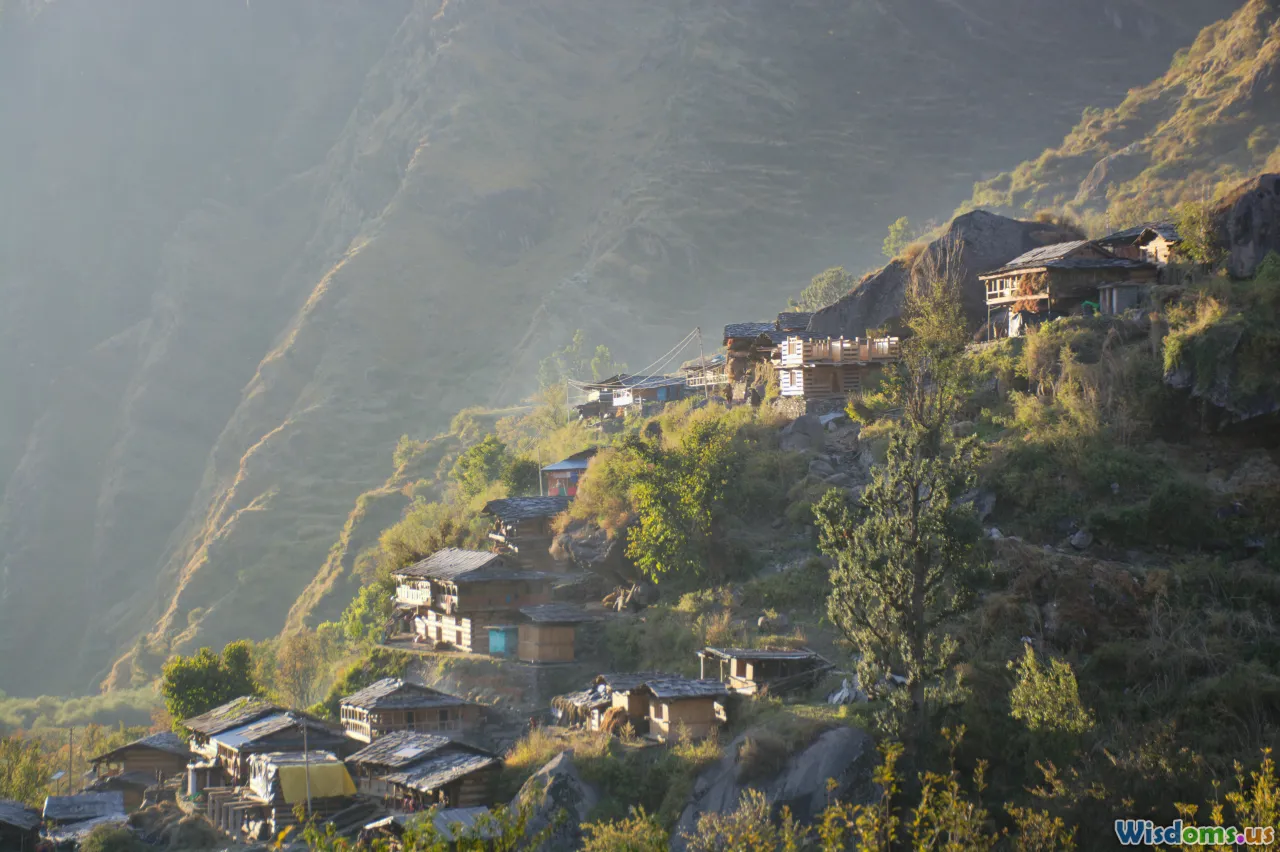
The morning sun throws a band of gold across the Bhote Koshi as a dozen volunteers adjust shoulder straps and check water bottles. At the front is a woman in a faded softshell, radio clipped to her pack strap, speaking in Nepali to the porter captain and in English to a pair of first-time trekkers who look both eager and nervous. The team will hike three hours to a village where they’ll run a mobile health camp, map landslide risk with local youth, and audit waste along the trail. The leader knows every switchback—and every family name. She also knows which clinic has a functioning oxygen concentrator and which footbridge washes out in heavy rain. This is women-led volunteering in the Himalayas: practical, community-anchored, and quietly transformative.
The New Face of Himalayan Volunteering
The Himalayas stretch some 2,400 km across five countries, but volunteer expeditions in the region often hinge on the same fundamentals: relationships, logistics, and respect. Over the past decade, a growing number of women have stepped into leadership roles that shape how volunteers engage with high-mountain communities.
What that looks like on the ground:
- Health and education outreach: Women clinicians and educators co-design mobile camps with local health posts and schools, prioritizing services identified by village committees (e.g., anemia screening, maternal health workshops, after-school STEM sessions).
- Infrastructure and environment: Trail stabilization after monsoon damage, waste audits with local youth clubs, and micro-projects like gravity-fed water lines or biosand filters.
- Climate and livelihoods: Glacier-lake monitoring hikes with community observers, homestay training that keeps value in the village, and solar-electrification treks.
Timing and terrain matter. Most non-technical expeditions run March–May (pre-monsoon) and September–November (post-monsoon). Winter brings clear skies but harsh cold; summer monsoons increase landslide risk and complicate river crossings. Elevations on popular community routes range from 2,500 m to 4,800 m, which requires deliberate acclimatization built into any volunteer plan.
Why Women’s Leadership Changes Outcomes
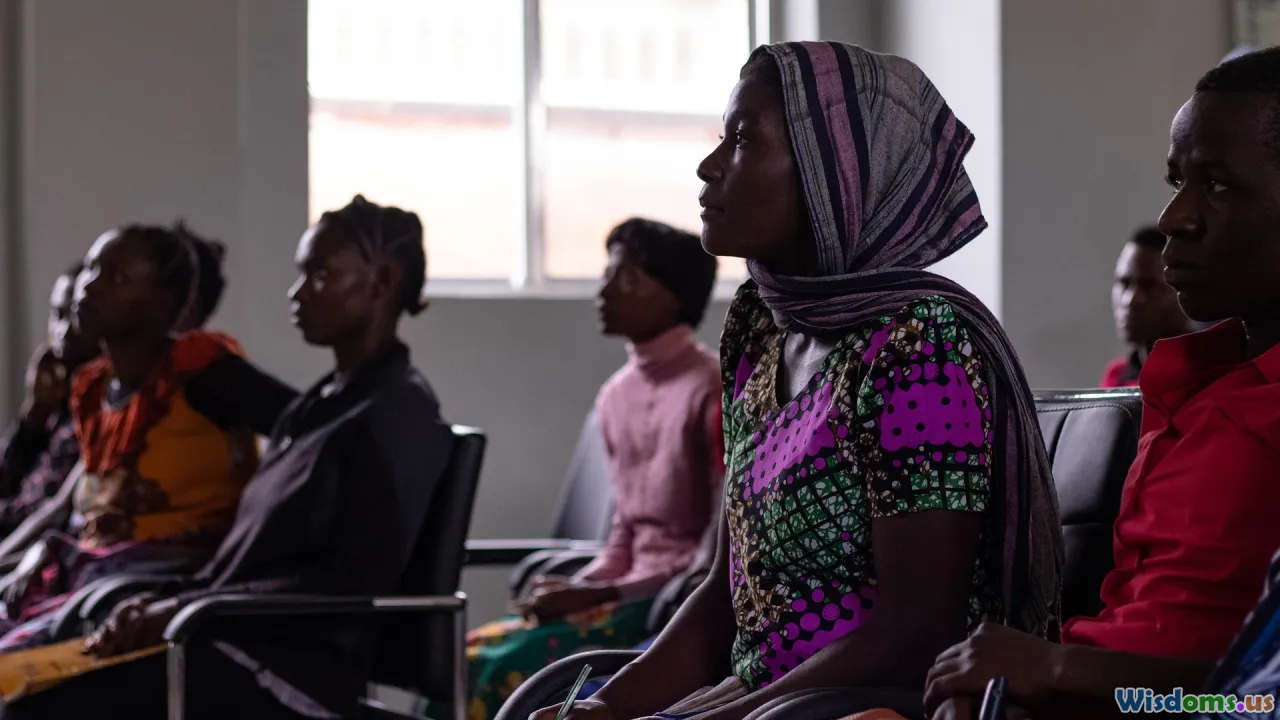
There’s a practical case—beyond fairness—for more women leading Himalaya-bound volunteer teams.
- Evidence on effectiveness: A widely cited analysis by Zenger and Folkman reported in 2019 that women scored higher than men in 17 of 19 leadership competencies, including initiative, resilience, and collaboration. These competencies are foundational for field operations where conditions shift daily.
- Inclusion boosts uptake: UN and humanitarian practice consistently show that when women help design and lead programs, more women and marginalized community members participate. In mountain villages, that often means better turnout for maternal health days, safer spaces for adolescent girls to ask questions, and more accurate household data.
- Risk perception and communication: Studies in disaster risk reduction highlight that mixed-gender teams tend to identify a broader array of hazards. On trail crews, that translates into smarter decisions about turning around before a storm front or re-routing a team to avoid rockfall-prone gullies.
In short: Women leading volunteer expeditions isn’t tokenism—it’s a way to improve planning, participation, and safety.
Portraits of Leadership From Ladakh to Nepal

Real people, real projects:
- Thinlas Chorol, Ladakh: Founder of the Ladakhi Women’s Travel Company, she helped open guiding work to local women and turned treks into platforms for eco-practices—think pack-it-out waste norms and village-based homestays that keep income with families. Her teams have organized trail cleanups in the Markha Valley and trained new guides to lead mixed groups with cultural fluency.
- Pasang Lhamu Sherpa Akita, Nepal: An accomplished mountaineer and humanitarian, she played a pivotal role in 2015 earthquake relief—coordinating supply convoys into Gorkha and Rasuwa when roads were cut. Her approach pairs mountaineering logistics (route-finding, risk triage) with community listening.
- Bachendri Pal, India: The first Indian woman to summit Everest in 1984 later led multiple women-centric expeditions and relief efforts through Tata Steel Adventure Foundation, including support missions during the 2013 Uttarakhand floods. Her operational ethos—train hard, move humbly, and report transparently—still anchors many programs today.
- Dawa Yangzum Sherpa, Nepal: Among the first Nepali women to earn IFMGA mountain guide certification, she has mentored young climbers and advised on safety curricula for trekking guides. Her presence in technical leadership normalizes women setting safety standards in the high mountains.
These leaders don’t just “add women” to projects—they redesign how outcomes are defined and achieved.
Designing a Purpose-Built Expedition
Start with a needs statement, not a plane ticket. A repeatable design framework:
- Co-create goals with local partners: Convene a meeting with ward chairs, women’s groups, youth clubs, and the local health post or school. Convert broad hopes into 2–3 measurable objectives. Example: “Train 10 village health volunteers to use a hemoglobinometer and run two anemia screening days for 120 women.”
- Establish a baseline: Simple pre-expedition surveys (e.g., current clinic supply gaps, percentage of households using safe water) let you measure real change later.
- Define scope and stop rules: Limit projects to what the team can complete or hand off properly. Build explicit “go/no-go” criteria for weather, health, and permits.
- Match skills to tasks: Build a skill matrix—medical, WASH, mapping, teaching, translation, logistics, media, finance—and recruit accordingly. If you can’t fill critical skills locally or among volunteers, shrink the scope.
- Set milestones and buffers: In the Himalayas, a half-day buffer per three trail days reduces pressure that leads to poor decisions. Schedule acclimatization rest days at 3,000 m and again above 3,800 m.
- Close the loop: Plan the handover day before you plan day one. Identify who will maintain installed systems, where spares are stored, and when the follow-up visit or remote check-in occurs.
Document every step; simple one-page briefs in both English and the local language build shared understanding.
Navigating Permits and Local Partnerships

Permitting and partnership vary by country and region:
- Nepal: Most trekking regions require a Trekkers’ Information Management System (TIMS) registration and relevant conservation area or national park permits (e.g., Sagarmatha, Annapurna). Some restricted areas (e.g., Upper Mustang, Manaslu) require special permits obtained via a registered agency and have guide requirements. Health or education activities benefit from coordination with the local municipality (gaunpalika) and the nearest health post or school administration.
- India (Himalayan states): Non-technical treks often require local Forest Department or wildlife sanctuary permissions. Some border areas (Ladakh, parts of Sikkim, Arunachal Pradesh) have Inner Line or Protected Area permit requirements—regulations differ for Indian and foreign nationals. Mountaineering objectives may need clearances via the Indian Mountaineering Foundation. For clinics or trainings, inform the district administration and the Chief Medical Officer.
- Bhutan: Tourism is regulated, with treks and community activities coordinated through local operators and authorities; the Sustainable Development Fee and visa procedures apply, and community projects should be integrated with local plans.
Across borders, partnerships matter more than paperwork. Align with grassroots organizations—women’s self-help groups, youth clubs, monastery committees, or NGOs such as The Mountain Institute, Snow Leopard Conservancy partners, or local health NGOs. A memorandum of understanding (MoU) that caps volunteer roles, recognizes local decision-making, and sets data-sharing rules prevents confusion later.
Safety, Acclimatization, and Medical Protocols at Altitude
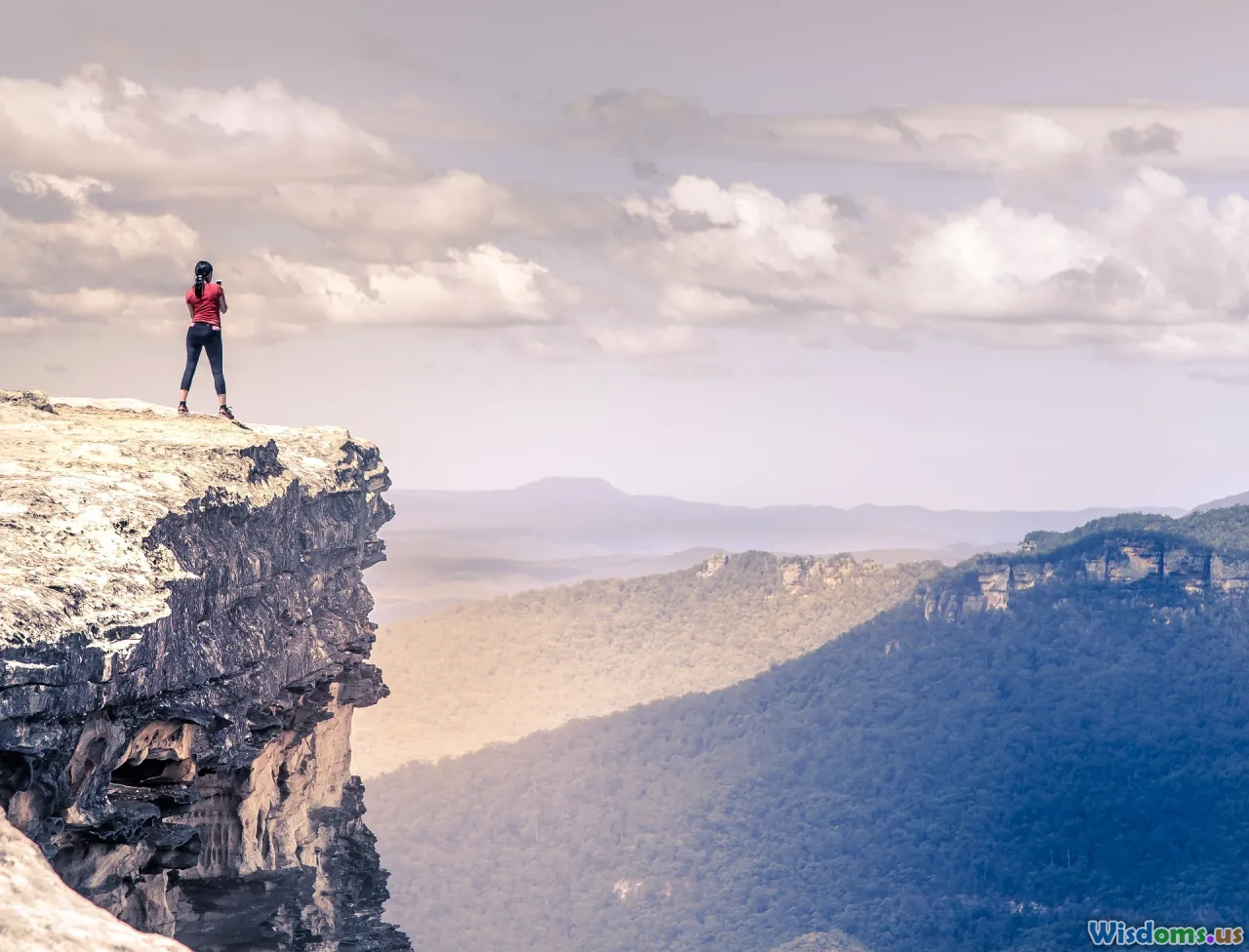
Good leadership anticipates—not reacts to—altitude and weather.
- Acclimatization: Above 3,000 m, keep sleeping elevation gains to 300–500 m per day and schedule a rest day every 3–4 days or after 1,000 m gained. Follow the “hike high, sleep low” principle when possible.
- Common altitude illnesses: Watch for acute mountain sickness (headache, nausea, dizziness), and the red flags of HAPE (persistent cough, breathlessness at rest) and HACE (ataxia, confusion). Descent is the first treatment for severe symptoms. Carry pulse oximeters for trend monitoring, not diagnosis.
- Training and kits: A Wilderness First Responder (WFR) or equivalent on the team is a strong safety multiplier. Medical kits should match objectives: trauma care (tourniquets, pressure dressings), altitude meds per protocol, oral rehydration salts, and infection control supplies for clinics.
- Weather windows: Pre-monsoon brings afternoon convection; post-monsoon fronts can deliver sudden snow above 4,000 m. Build daily “go/no-go” checks using forecasts, sky observations, and local intel.
- Evacuation planning: Identify landing zones and road access points; in Nepal, verify rescue insurance that covers helicopter evacuation. Satellite messengers (InReach, Zoleo) with predefined check-ins and a simple incident command structure keep communication clear.
Write it down. A one-page emergency action plan (symptoms, decision points, contacts, routes) saves time when minutes matter.
Logistics and Gear That Respect People and Place
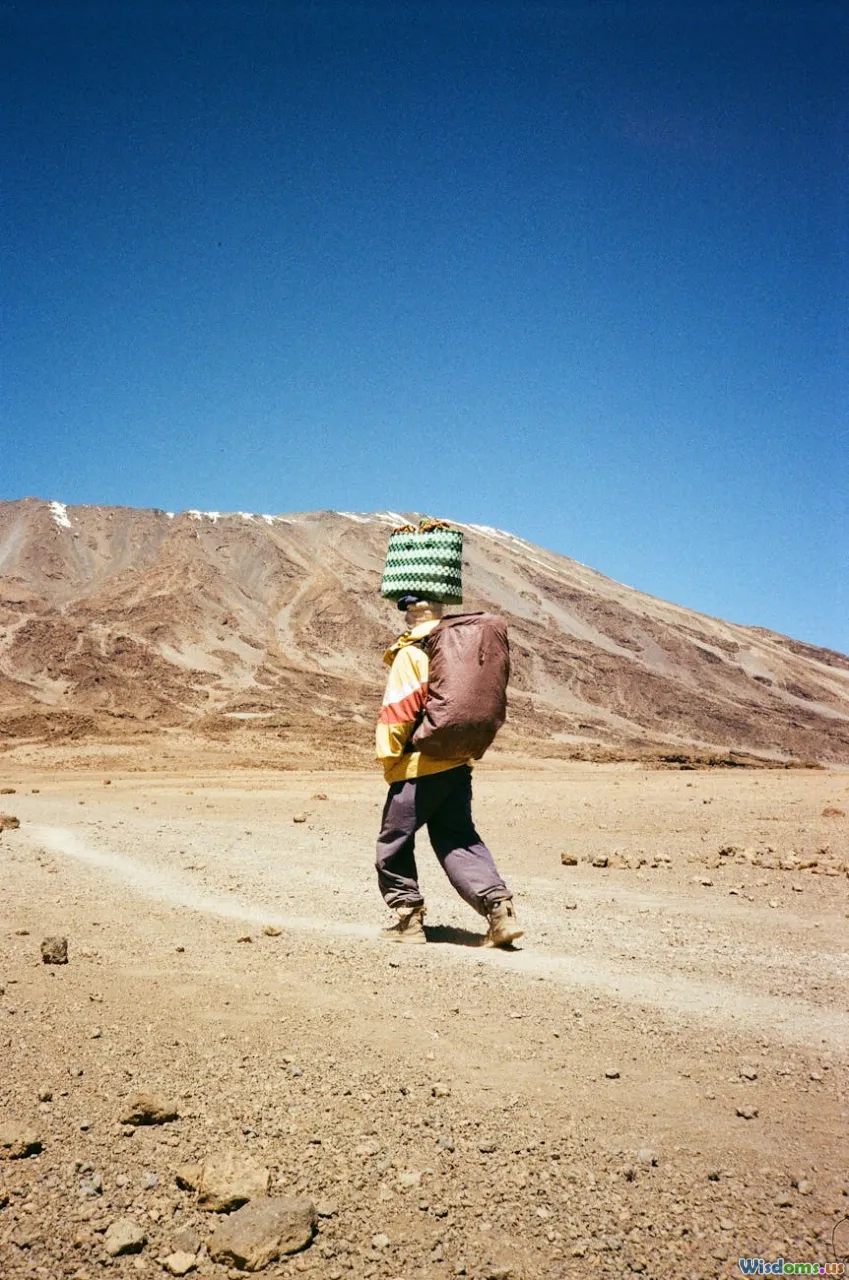
Thoughtful logistics protect both the landscape and the people who make expeditions possible.
- Loads and labor: Respect porter and pack animal limits. Standard porter loads are commonly capped at 20–25 kg; yak and mule loads vary by terrain and welfare guidelines. Insist on proper footwear, clothing, and shelter for support staff—pay for it if necessary.
- Cooking fuel and water: Avoid wood in high country; opt for LPG, kerosene, or solar cook setups where feasible. Treat water via filters (0.1–0.2 micron), UV, or boiling; chlorine drops work but affect taste and acceptance.
- Waste management: Plan for human waste in sensitive high camps (WAG bags or drum systems) and for packing out non-biodegradable trash. Conduct a waste audit mid-expedition to catch problems early.
- Women-specific considerations: Cold-weather layering that fits properly prevents heat loss; menstrual hygiene kits and discrete disposal plans reduce stress; urination funnels and privacy tarps often make long trail days more comfortable.
- Tech at altitude: Cold kills batteries. Keep power banks and comm devices in inner layers, use small solar panels on fair-weather days, and standardize cable types to reduce clutter.
Logistics are values in action—budget for doing the right thing, not the bare minimum.
Ethical Volunteering: From Good Intentions to Good Outcomes

The line between helpful and harmful can be thin in remote communities. Guardrails to stay on the right side:
- Co-leadership: Share decision-making with local women leaders and committees. Avoid arriving with pre-packed answers.
- Do No Harm lens: Use context analyses (Who controls water? Who benefits from homestays? Who loses grazing access if trails reroute?) to avoid fueling local tensions.
- No displacement: If a task can be paid local work, hire locally. Volunteers should add missing skills or surge capacity, not replace workers.
- Safeguarding: Clear codes of conduct, background checks where appropriate, and reporting channels protect community members and volunteers alike.
- Consent and data: Ask permission before photos, anonymize sensitive data, and share results first with the community in their language.
Voluntourism fades fast; capacity endures. Prioritize training and handovers that outlast your visit.
Building and Leading a Diverse Team

Diverse teams solve problems better, and in the mountains, that can be the difference between a near miss and a near miracle.
- Recruitment by matrix: Map tasks to skills, then recruit to fill gaps—e.g., one WFR, one translator, one WASH practitioner, two teachers, one logistics lead, one documentation lead. Don’t stack the team with the same profile.
- Training sprints: Pre-departure modules (online or in-person) on altitude, cultural norms, safeguarding, first aid refreshers, and the specific project tools (e.g., hemoglobinometer, GPS data entry) create shared standards.
- Psychological safety: Model the norm that anyone can call a safety stop. Use daily debriefs with three questions: What went well? What was hard? What will we change tomorrow?
- Working with local women guides: Pair visiting volunteers with local women guides or community mobilizers; invest in their leadership growth—co-facilitate sessions, rotate lead roles, and pay at parity with men.
- Family and care realities: Build schedules that acknowledge caregiving—predictable breaks, safe lodging, and flexibility increase who can participate.
Leadership is a practice. Treat every expedition as a leadership lab where people learn, mentor, and hand off responsibility.
Funding, Budgets, and Transparent Accounting

Money is mission fuel. Treat it with precision.
- Build a zero-surprise budget: Core lines typically include permits, local partner stipends, guide and porter wages, food and fuel, transport (road, domestic flights), insurance, communications, medical kit restock, gear depreciation, and a 10–15% contingency.
- Pay on time, pay fairly: Align wages with local standards and seasonal realities; publish your pay scales to the team and partners.
- Cost-sharing: Where appropriate, co-fund with municipalities or community groups to increase ownership—e.g., community provides hostel space; expedition covers materials and training.
- In-kind vs cash: For clinics, in-kind (e.g., medicines on a pre-approved list, spare parts for equipment) avoids cash disbursement pitfalls. For labor, cash wages are best.
- Radical transparency: Post an after-action financial snapshot alongside your narrative report—budget vs actuals, with short explanations for variances.
This isn’t only about donor trust; it’s about modeling accountability that community partners can count on.
Case Study 1: A Waste Audit Trek in Langtang

A composite example from multiple women-led teams:
Objective: Map waste hotspots on a popular Langtang trail and reduce litter by 40% before the next peak season, while training local youth in basic data collection.
- Team: One lead guide (female), two local women mobilizers from a youth club, six volunteers, and a liaison from the conservation area office.
- Method: Four-day loop with daily waste transects (50 m intervals), categorizing by material (PET, multilayer packaging, glass, metal). Village evening meetings to share findings.
- Results: Identified three hotspots near tea-house clusters and viewpoint rest stops. Worked with shopkeepers to place wire-mesh bins and trained a rotating crew of teens to run weekly pickups to a designated segregation point.
- Follow-up: The team returned post-season for a one-day check; PET collection was up 60%, mixed waste down 35% at the worst hotspot. A small fund, seeded by tea-house owners and trekker donations, now pays for transport to the nearest recycler once a month.
Lesson: Data plus dialogue, led by locals, beats one-off cleanups every time.
Case Study 2: Women Electrify a Zanskar Hamlet

Objective: Install and hand over a micro solar grid powering 14 homes and a schoolroom in a Zanskar-side hamlet.
- Team: A Ladakhi woman engineer led the expedition; two women technicians trained through a regional solar program, four volunteers with logistics and education skills, and yak handlers from the village.
- Prep: Winter community meetings set tariff norms and named a three-woman energy committee. The expedition cached panels and batteries at a roadhead before snow closed the pass.
- Execution: Over six field days, the team installed panel arrays and household connections, trained two local caretakers (one a recent high school graduate), and logged system specs and spares.
- Impact: Evening study hours doubled, and two households started home-based businesses (sewing and phone charging). The energy committee manages a small maintenance fund financed by monthly contributions.
Lesson: When women lead both the technical and governance sides, the system’s social license strengthens—and so does its uptime.
Measuring Impact You Can Stand By

Resist fuzzy claims. Pick metrics that communities value and you can verify.
- Health: Number of patients seen is not enough. Track referrals completed, stockouts reduced, and skills transferred (e.g., local volunteers independently conducting screenings three months later).
- Education: Attendance during sessions is a start; better is teacher adoption of new practices or student project completion rates.
- Environment: Report kilos of waste removed with material breakdown, bins installed, and participation rates in cleanup rotations.
- Livelihoods: Count households earning from homestays or services six months later, not just during the expedition days.
Use simple tools: geotagged photos (with consent), a shared spreadsheet for KPIs, and a one-page after-action report in the local language first. Invite critique at a community meeting before you publish.
Culture, Language, and Earning Trust

Expeditions succeed at the speed of trust.
- Language basics: A few greetings in Nepali, Ladakhi, or local dialects go far—Namaste/Tashi Delek with a smile sets the tone.
- Calendar literacy: Avoid key festivals and harvest weeks unless you are explicitly joining them. Time clinics so they don’t clash with market days when women travel.
- Monastery etiquette: Shoulders and legs covered, hats off, no pointing at shrines. Ask before photographing religious spaces.
- Gender norms, respectfully navigated: Women leaders can open doors for female participation; still, seek community guidance on mixed-gender sleeping arrangements, participation hours, and sensitive topics.
- Homestay conduct: Agree on mealtime expectations, heating fuel contributions, and lights-out. Offer to help with chores—hospitality is labor, not magic.
Small acts—returning borrowed cups, tidying camp spots, translating your plan into the local language—compound into credibility.
Climate Reality on the Roof of the World
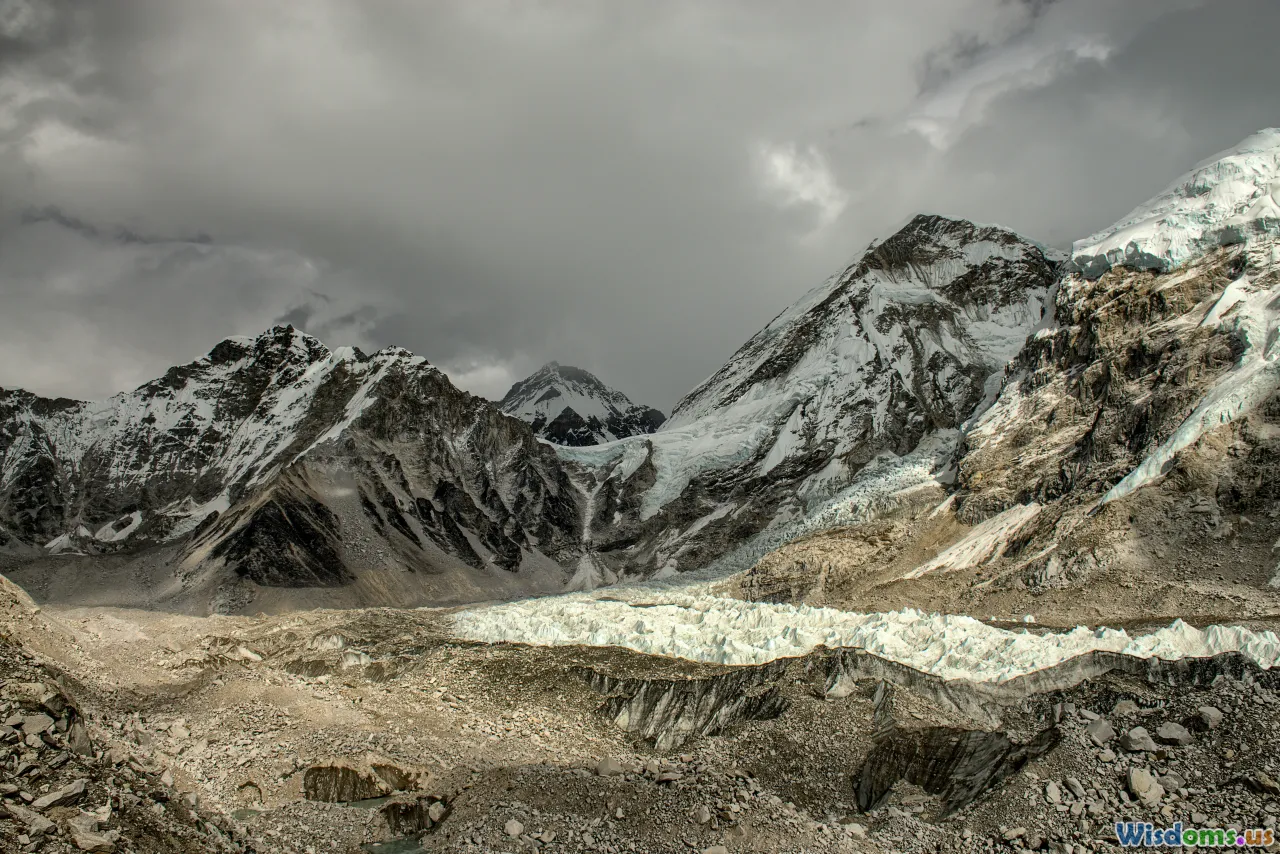
The Hindu Kush Himalaya is warming faster than the global average. A landmark assessment led by ICIMOD in 2019 concluded that the region could lose over a third of its glaciers by 2100 even if warming is limited to 1.5°C. That reality shapes volunteer priorities.
- Hazards: Glacier lake outburst floods (GLOFs), erratic monsoons, and thawing permafrost destabilize trails and infrastructure. Volunteers mapping culverts and footbridges can help communities prioritize reinforcement.
- Adaptation: Rainwater harvesting, slope stabilization with gabion walls and bioengineering (willow, seabuckthorn), and weather-resilient footbridges are practical targets for volunteer support—when designed with local engineers.
- Education: Youth climate clubs documenting snowfall days, planting kitchen gardens with drip lines, and testing cookstoves that reduce fuelwood use are small levers with long arcs.
Frame projects as adaptation, not saviorism. The mountains are changing; good expeditions help people change on their own terms.
A Roadmap for Aspiring Women Expedition Leads

A practical pathway from dream to departure:
- Technical training: Consider foundational mountaineering and trekking leadership courses at institutes such as the Nehru Institute of Mountaineering (Uttarkashi), Himalayan Mountaineering Institute (Darjeeling), or ABVIMAS (Manali). Wilderness First Responder (WFR) certification is a strong asset. In Nepal, programs via the Nepal Mountain Academy and guide associations build professional pathways.
- Project skills: Learn needs assessment, monitoring and evaluation (M&E), and facilitation. Free or low-cost online modules (e.g., Sphere standards, safeguarding) add rigor.
- Mentorship: Seek mentors through women’s guide collectives, local NGOs, or alumnae networks. Offer to co-lead before you lead.
- Funding savvy: Build a portfolio—two-page capability statement, sample reports, and letters from past partners. Approach CSR arms of mountain-linked businesses, small grants programs, or community foundations. Align proposals with local development plans.
- Practice reps: Start local—shorter treks, weekend clinics, or pilot studies. Each success earns community trust and donor confidence.
Remember: Leadership is not a title; it’s a sequence of competent, ethical decisions under changing conditions.
What Success Looks Like Five Years From Now

Picture a map dotted with small, bright outcomes: a string of homestays where women set the rates and run the books; schoolrooms lit by steady solar; footbridges that withstand cloudbursts; clinics that don’t run out of basic meds before the pass closes; youth who can survey a slope and argue for a safer trail alignments with data in hand. And picture who’s in the photo when the ribbon gets cut: village mothers and grandmothers, young guides, and women expedition leads standing shoulder to shoulder with local councils.
Women leading volunteer expeditions in the Himalayas are not an exception anymore—they are the new normal in many valleys. Their teams move with care, measure what matters, and leave behind more competence than dependency. If you’re preparing to lead your own expedition, start with a phone call to a local woman leader, a humble agenda, and a plan to listen. The mountains will test your logistics; the community will test your integrity. Meet both challenges, and the work will endure long after the last suspension bridge sways quiet again.
Travel Sustainable Tourism Adventure & Exploration Volunteer & Humanitarian Expeditions Volunteering & Service Women in Leadership Himalayan Culture female expedition leaders Himalayan volunteering Nepal trekking Ladakh Bhutan altitude safety ethical travel community-led projects Sherpa partnerships girls' education trail restoration impact measurement
Rate the Post
User Reviews







Popular Posts