Surprising Origins Of Festive Dances Across Africa
31 min read Trace the unexpected roots of Africa’s festive dances, from ritual and resistance to trade and technology, with examples linking ceremonies, masquerades, and modern celebrations across regions. (0 Reviews)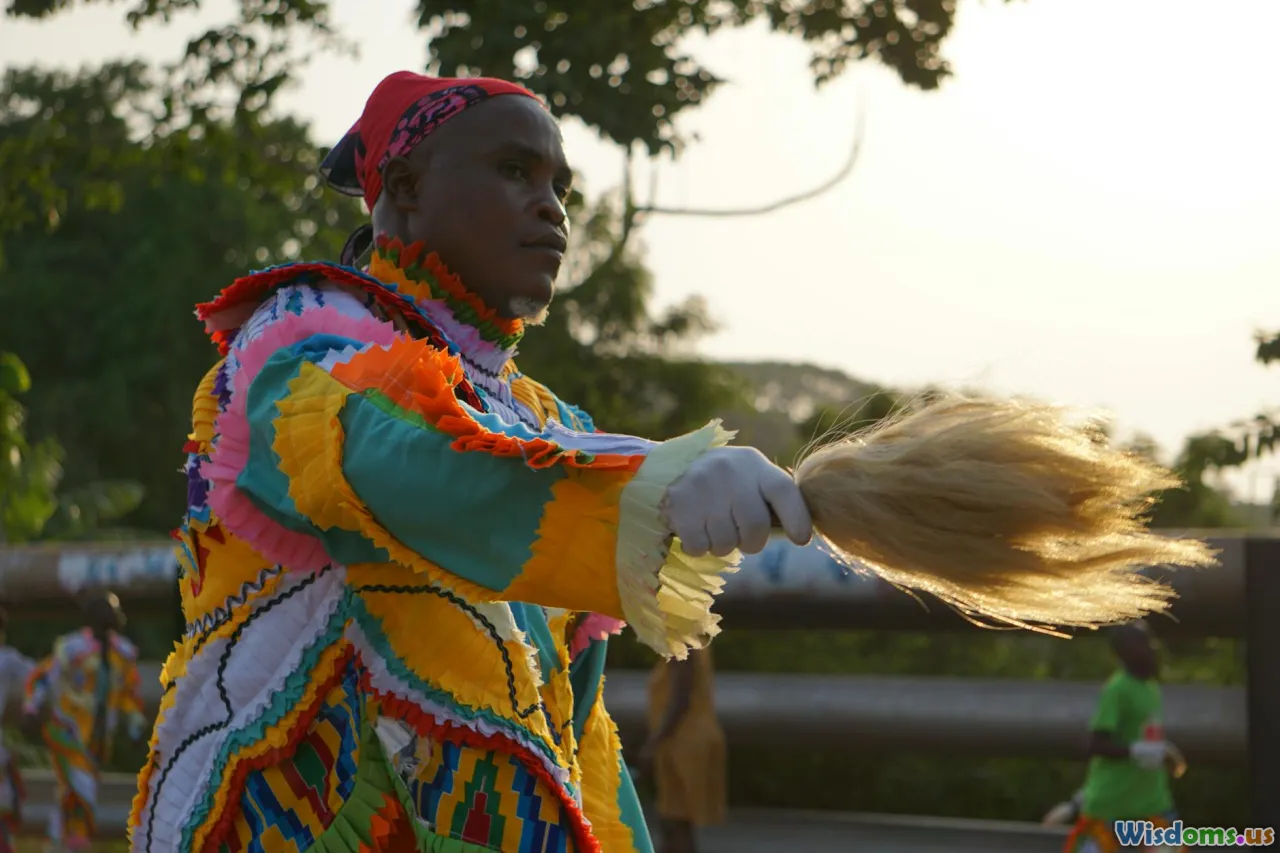
The first time you watch a coastal Swahili wedding, it is the hips that speak first—women in layered kangas ripple into a coral-pink sunset as drums tease out a rhythm older than the pier. Cross the continent and a village square in Zimbabwe pulses to a different electricity: a circle tightens, feet stamp, and laughter surges as dancers push the boundary between flirtation and athletic prowess. These are festival scenes, joyous and present-tense. But the steps often carry surprising cargo: memories of war and hunt, coded defiance under colonial rule, healing rituals translated for a main stage, rhythms that crossed the Atlantic and returned home transformed. Understanding those hidden beginnings sharpens how we celebrate today.
When work and war learned to dance
Festive dances across Africa frequently grew from everyday labor and martial training rather than from a pure urge to entertain. Their “party” faces are recent layers on older functions.
- Zulu indlamu in South Africa now headlines weddings and national ceremonies, but its upright posture, fierce kicks, and precise stomps show drill-room origins. The signature moment—stopping a powerful leg strike dead on the beat—trained warriors in balance and timing long before it thrilled arena crowds.
- Among the Ewe of Ghana and Togo, agbadza is the quintessential communal dance heard at festivals and public events. Yet it long lived primarily at funerals, where its steady 12/8 bell timeline helps communities grieve, affirm kinship, and escort the departed. As diaspora and state cultural troupes sought emblematic “heritage,” agbadza stepped from burial grounds to civic plazas without shedding its function of stitching people together.
- In Egypt’s Upper Nile, the celebratory saidi stick dance descends from tahtib, a men’s martial art with rattan canes. Over time, village fêtes adapted the swagger and staff-work into playful duets where victory is replaced by flirtation and rhythm.
The surprise is not that dances change; it is that their original purpose—regulating the body for harvest, healing the social fabric after loss, practicing martial control—continues to pulse beneath the festival sheen. Watch an indlamu line and you still see soldiers in peacetime; sway through agbadza and you still feel a community carrying its ancestors.
From trance to main stage: sacred lineages in festive dress
Some of the most crowd-pleasing festival performances trace to healing ceremonies designed for the night and for small circles.
- Morocco’s Gnawa repertoire comes from a complex of practices among descendants of West African enslaved peoples in North Africa. In the lila—an all-night ritual—metal castanets (qraqeb) chatter over the low thrum of the guembri bass lute as participants enter trance states aligned with a pantheon of mluk (spiritual forces). Today, Gnawa masters headline world-music stages and Essaouira’s famed festival, translating ceremonial suites into concert arcs. Yet the soundscape still signals care: steady tempos for grounding, melodic cycles for release. The festival version entertains, but it also advertises a technology of healing.
- In the Sahara-Sahel, Tuareg and Songhai communities share takamba, a dance-music style where seated lute (tehardent) players and calabash percussion create a rolling groove. Historically played for nobles and warriors, it could ease pain and honor bravery. At weddings today, takamba’s swaying torso and deliberate, sliding footwork offer public grace that once soothed private wounds.
Knowing these lineages doesn’t require treating modern performers as priests. Rather, it encourages festival-goers to respect pacing, call-and-response etiquette, and the idea that repetition can be medicinal, not just musical. If a piece seems “long,” that length may be part of how a community breathes.
The Atlantic loop: when Cuba taught Congo its own heartbeat

A particularly surprising origin story for festive dance is a round trip: rhythms left Central and West Africa during the transatlantic slave trade, morphed in the Americas, and returned a century later through gramophones and guitars.
- Congolese rumba is perhaps the cleanest case. Early- and mid-20th-century records of Cuban son and rumba swept through what was then Léopoldville (Kinshasa) and Brazzaville. Urban dance bands began to localize the sound, mapping the Cuban clave to familiar time-lines and guitar patterns that felt like likembe (thumb piano) on strings. Pioneers such as Wendo Kolosoy popularized a romantic, gently swung style that led to soukous’s faster dance drive. In 2021, UNESCO recognized Congolese rumba as Intangible Cultural Heritage—a nod to a genre that turned transatlantic memory into modern festivity.
- In Angola, semba grew in creole port cities, braided with Afro-Portuguese ballroom influences and older circle dances. Scholars often point to kinship between semba and Brazilian samba (the word roots are cognate), reflecting back-and-forth flows among enslaved and freed communities, returnees (like the Agudá/Tabom families who resettled along the Gulf of Guinea), and dockside musicians. Today’s semba socials are joyous and flirtatious, yet their steps carry a seafaring archive: turning figures mix with pelvis-led accents that recall communal circle dances.
On a festival floor, few people are tracing family resemblances between son montuno and likembe ostinatos, or between Lisbon ballrooms and Luanda backstreets. But the body often knows: the way dancers ride a clave-like scaffold while decorating with local accents is a memory of journeys no passport recorded.
Dance as disguise: when celebration outwitted censors
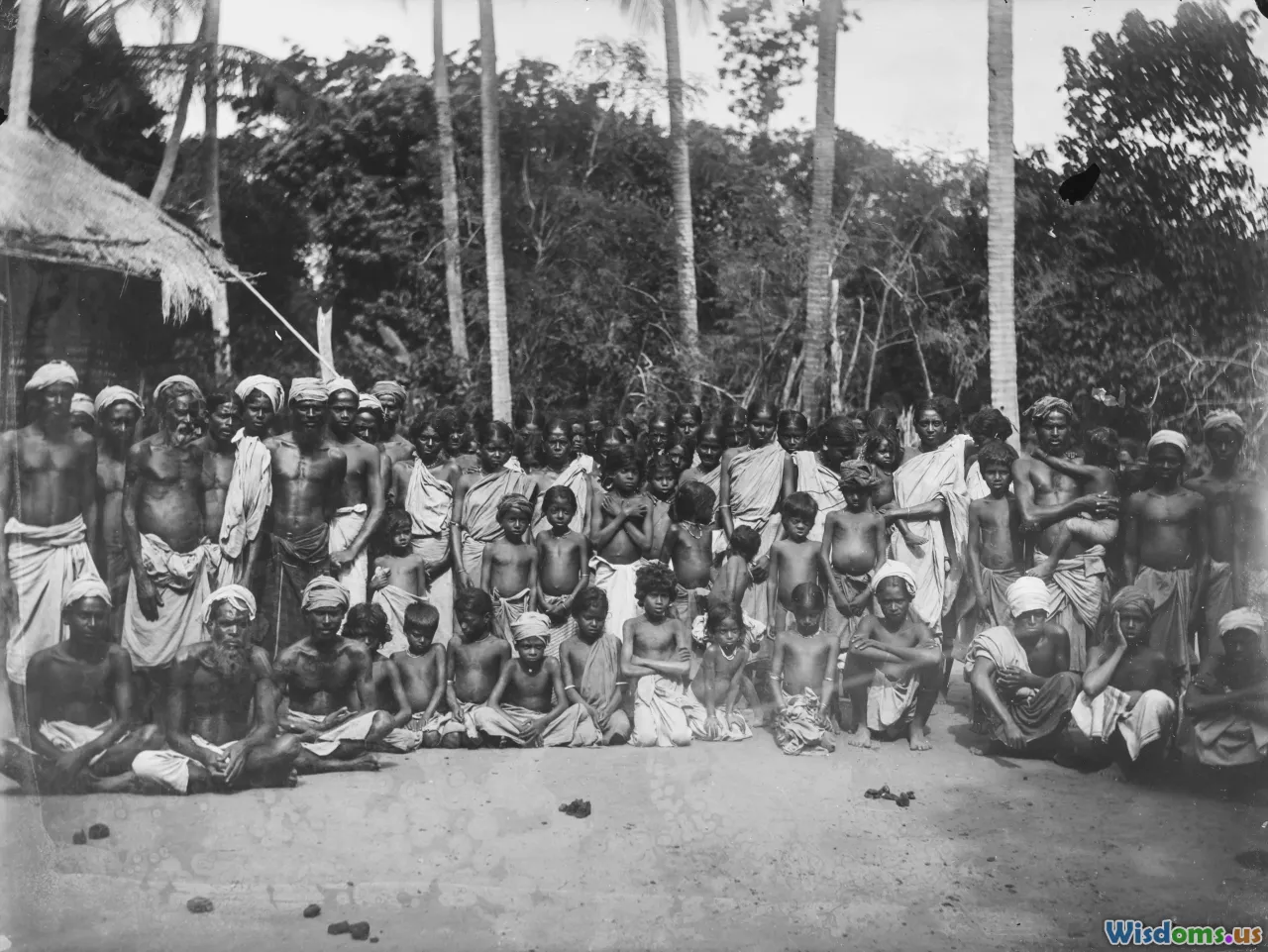
Several beloved “festive” dances only survived by hiding in plain sight.
- In Zimbabwe, the Zezuru dance known today as jerusarema was long called mbende (the mole), a term evoking fertility and agility. Missionaries and colonial officials targeted it for suppression, calling its hip work indecent. Communities responded with strategy: rename the dance “Jerusalem” to borrow biblical cover, adapt costuming, and keep moving. Today jerusarema is both heritage and celebration, its past censorship legible in the pride with which communities now perform it openly.
- In 1960s Accra, the Ga youth dance kpanlogo burst onto streets with conga drums, whistles, and hip-led moves that elders and police deemed too suggestive. The nation was also searching for postcolonial identity, and by the decade’s end, kpanlogo had been rehabilitated as emblematic folklore. Wedding bands across Ghana now drop its groove without a second thought, a reminder that yesterday’s scandal can be tomorrow’s standard.
- Along the Swahili coast, chakacha—characterized by rapid hip circles and expressive torso articulations—was historically a women’s social dance linked to life-cycle rites. Colonial and missionary pressures pushed it backstage; contemporary festivals have brought it forward again, sometimes sanitized for tourists, sometimes reclaimed by women’s collectives insisting on its original intimacy and humor.
Festivity, in these cases, is not forgetfulness—it is resilience, a choreography of survival that turned the gaze of authority into a prop.
Masks step into daylight: from initiation to parade
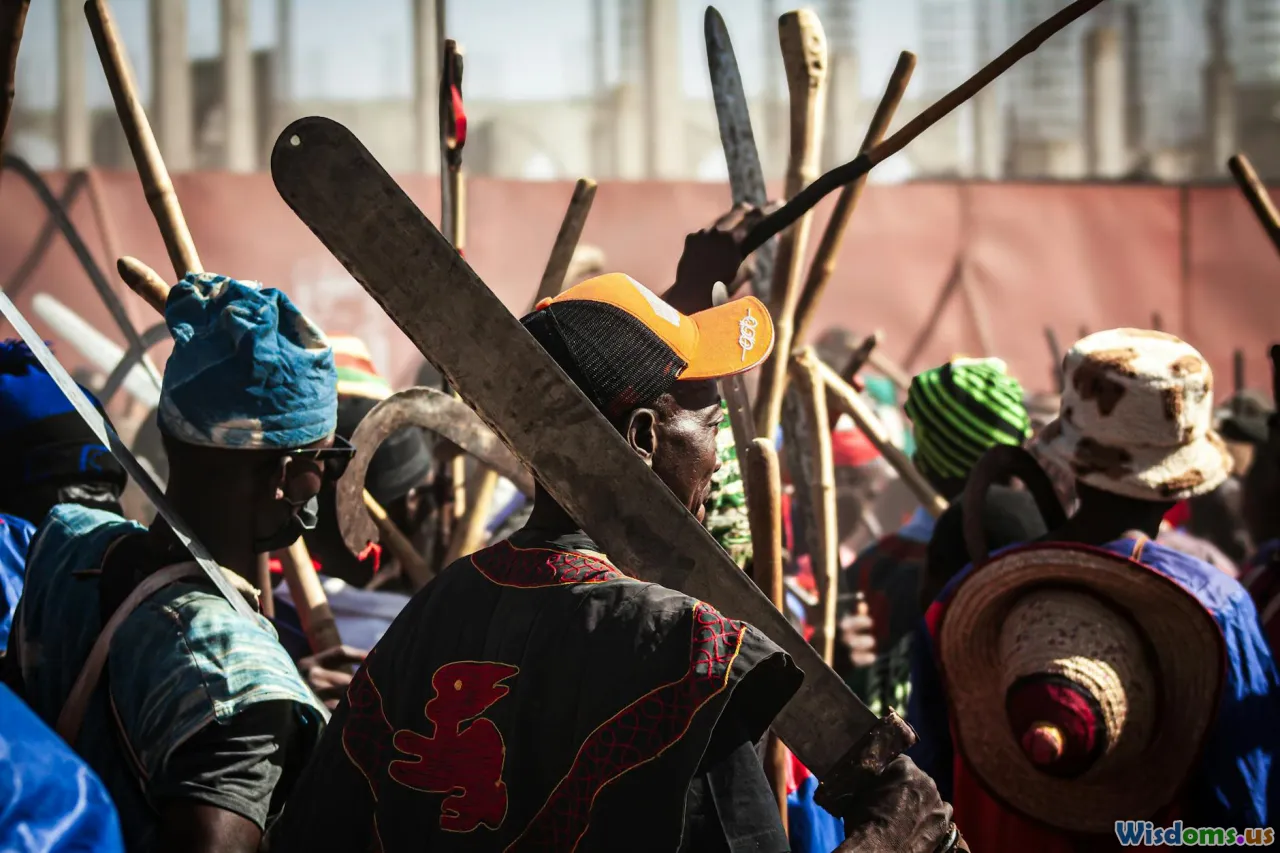
Masquerade traditions across Central and Southern Africa complicate the “public festival” idea because, historically, many were restricted: the audience, the space, and even who could speak about them were tightly governed.
- Among the Chewa people of Malawi and neighboring regions, gule wamkulu—“the great dance”—features masked figures representing animals, spirits, and social archetypes. Performed for funerals and initiations, it mediated between visible and invisible worlds. Today, you may encounter gule wamkulu characters in national parades or cultural days. The choreography adapts: comic skits play to families; acrobatic runs thrill tourists; pedagogical satire still bites.
- In Zambia and parts of Angola, the makishi masquerade accompanies boys’ initiation (mukanda). Each mask type carries script and rule. Festivals now host makishi processions, and while the sacred core remains in seclusion, the public has grown to enjoy costuming and rhythmic footwork as seasonal spectacle.
Actionable tip for spectators: ask local organizers how photography works; in some contexts, masks are considered personae rather than costumes, and performers may not want close-ups or flash. If someone asks you for a small contribution to approach a masquerade, that is not a shakedown but an echo of a social contract: guests support the community whose cultural labor they enjoy.
When tools become props—and props become politics
A surprising thread in festive dance is how utilitarian objects turn into performance technologies—and how those objects carry coded meanings.
- The saidi stick in Egypt is not merely a baton; how it circles or strikes indexes the dancer’s relationship to ancient martial games. When women pick up the stick, they flip scripts about strength and playfulness.
- The Tsonga xibelani dance of southern Mozambique and South Africa uses a heavy, layered skirt (also called xibelani) loaded with beads or wool to amplify hip isolations. The skirt is not decoration; it is a speaker cabinet for the pelvis. At festivals, those rolling accents are sonic as much as visual, draping bass you can feel.
- Among Basotho communities, mokhibo is a women’s kneeling dance that involves shoulder and hand gestures while the upper body leads rhythmic accents. It emerges at celebration times but draws authority from initiation teachings. Kneeling here is neither submission nor spectacle; it is a structured vantage point from which women direct the dance floor’s energy.
Props remind us that dances can be engineered. Skirts weight the hips to produce timbral movement; sticks cite law and play; masks formalize the social critique that comedy alone cannot carry.
The body as archive: isolations that name a place

The aesthetics that thrill festival audiences—isolations, explosive jumps, gliding feet—often encode micro-geographies.
- Ethiopia’s eskista is renowned for its shoulder, chest, and neck articulations. Dancers ripple joints in intricate cycles, sometimes said in local lore to mirror serpentine motion or the shiver of cold highland mornings. Onstage, the virtuosity dazzles, but in villages it also signals endurance and communal stamina.
- Igbo atilogwu in Nigeria presents high-speed footwork and acrobatic flips. Contemporary troops stylize it for festivals with syncopated drum breaks and coordinated costumes; its athleticism bears the imprint of youth societies that once competed to demonstrate vigor and solidarity.
- Yoruba bata dancing in southwestern Nigeria poetically “speaks” through hips, shoulders, and feet to the polyrhythms of a drum ensemble. Originating in devotion to the orisa Sango, it has flowed into secular fêtes and stage performances. The isolations still carry tonal logic—accents converse with drum phrases in a language many hear even without translation.
These styles travel well because they are viscerally legible. But legibility is not simplicity: a shoulder ripple that looks casual may take years to master without tension; a leap that reads as spontaneous is often drilled to land precisely on a known drum cue.
How to hear a dance: a quick, respectful way to join in
You don’t need deep training to participate meaningfully in festival dances. Here’s a simple method that works in many settings without stepping on local toes.
- Find the timeline. Listen for the bell, shaker, or high drum that repeats a short pattern. That repeating “skeleton” is your anchor.
- Clap softly with the timeline for a minute. If your claps keep meeting the same high sound in each cycle, you’re likely aligned.
- Layer a basic step. Many social dances use a two-step or three-step that travels in a gentle arc:
- For a two-step: step left, bring right to meet without weight, step right, bring left to meet. Keep it low and relaxed.
- For a three-step in 12/8: step left (1), right (3), left (4), then mirror. Let your shoulders or hips answer the drum accents lightly.
- Watch a neighbor and match energy, not tricks. If they double their claps or add a turn, echo only if invited by a smile or gesture.
- Exit with thanks. A nod, a clap to the musicians, or a small donation to the drummers acknowledges that you touched someone’s living practice.
This approach privileges the communal groove over solo display, which is exactly the point in most festival contexts.
Stagecraft vs. street craft: reading what changed and why
Festival stages are not neutral—they compress time, fix sightlines, and reward spectacle. That changes dances.
- Consider Rwanda’s intore. Once a courtly, quasi-military dance by selected men known for high leaps and spear choreography, it has become a national symbol with polished ensembles, rehearsed crescendos, and tight formations tailored to proscenium stages. The essence—noble bearing, explosive jumps—remains, but pacing and framing adjust to ticketed audiences.
- Senegalese sabar, a family of drum-dance practices, appears on big stages as a fast, virtuosic soloist over a loud tama and nder ensemble. In neighborhoods, sabar happens in the round at life-cycle events, with interludes, teasing, and social negotiation that staging often edits out.
Spotting stagecraft does not diminish artistry; it clarifies why certain “traditional” parts look suspiciously like show business. Ask yourself:
- Are dancers facing one direction more than they would in a circle?
- Do sequences loop exactly on 8s or 16s, suggesting choreography over social flow?
- Is costuming heightened for visibility rather than local practicality?
Knowing the answers helps you enjoy both village square and festival stage on their own terms.
Regional signatures at a glance: a comparison you can feel
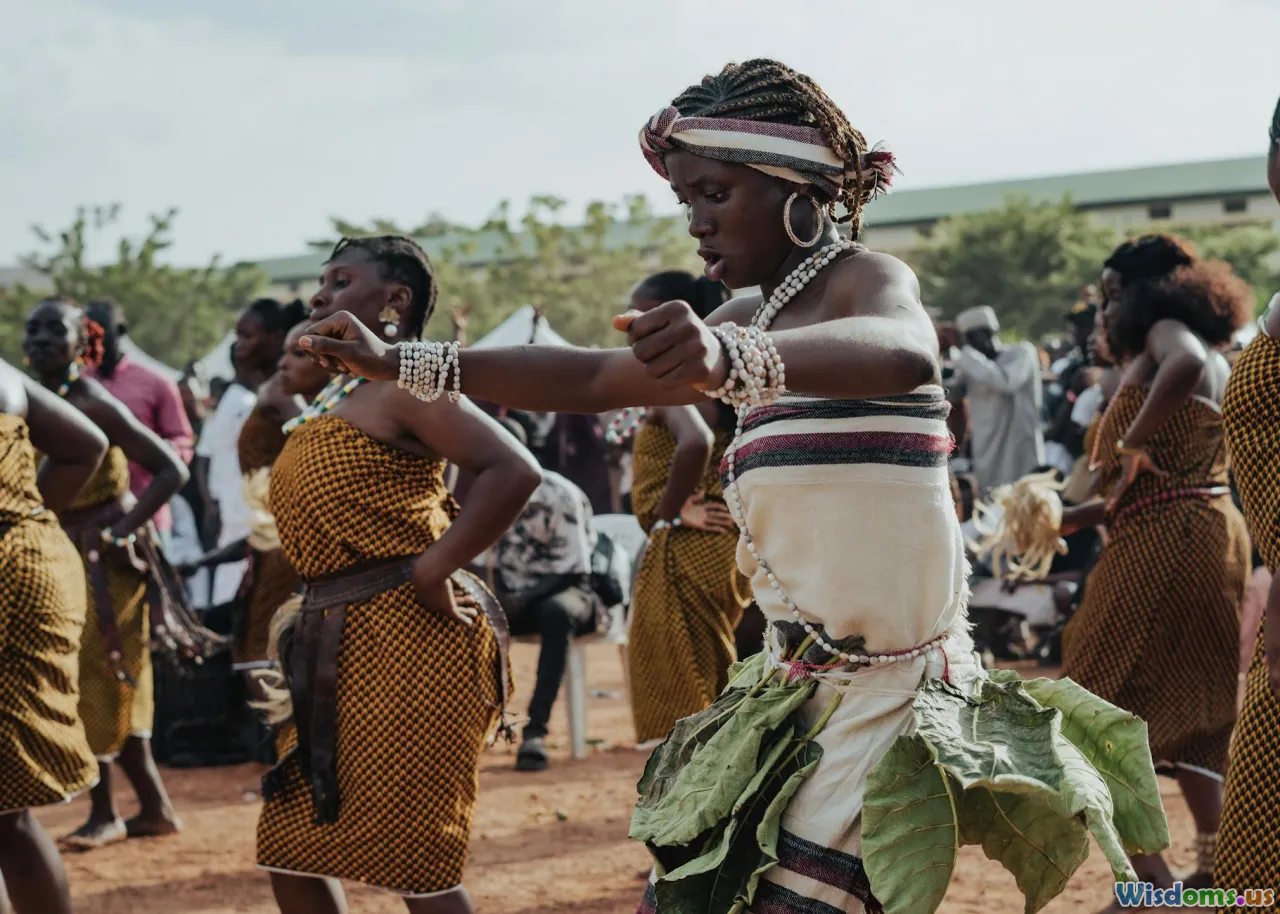
While the continent’s subtleties could fill libraries, some broad patterns help you place what you’re seeing at festivals.
- West Africa: call-and-response singing, iron bell timelines, and grounded footwork that “sits” into the beat. Examples: Ewe agbadza (Ghana/Togo), Ga kpanlogo (Ghana), Yoruba bata (Nigeria), Atilogwu (Igbo). Props are minimal; drums speak.
- Central Africa: guitar bands carry urban social dances (Congolese rumba/soukous), while rural masquerades like makishi animate rites. Movement often glides with circular torso motion, reflecting the singing guitars and thumb-piano aesthetics.
- North Africa: frame drums (bendir), lutes (guembri), and collective circle formations (Amazigh ahidous/ahwach), plus the trance-informed grooves of Gnawa. Sticks enter as echoes of martial play (saidi).
- East Africa: from Ethiopia’s micro-articulations (eskista) to Kenya’s isukuti of the Luhya—fast, drum-driven line dances used for weddings and funerals alike—there’s emphasis on stamina and bright, communal pulse.
- Southern Africa: stamping power (indlamu), beaded or weighted costuming (xibelani), and choral-dance synthesis in setsoto and other styles. Urban forms like pantsula later add quick foot shuffles, signaling township ingenuity.
Use these as lenses, not laws; borderlands and migrations blur lines in the most creative ways.
How festivals transform meanings—without erasing them
Festivals don’t just present dances; they reorganize their meanings.
- Time compression turns hour-long rituals into five-minute medleys. The risk: losing the meditative function that repetition provides. The gift: an accessible sampler that invites newcomers to seek longer forms later.
- Tourism translates local humor and moral lessons into cross-cultural punchlines. The risk: flattening nuance. The gift: serendipitous bridges—a joke about stingy uncles lands in a dozen languages.
- National branding puts certain dances forward as emblems. The risk: privileging one group’s form as “the” culture. The gift: resources for troupes and apprentices, and the pride of seeing elders center stage.
A useful personal practice: ask someone from the community, “When and where do you most enjoy this dance outside festivals?” The answers often reveal the ceremony behind the celebration.
A field guide to participating with care

Actionable tips if you plan to dance along, document, or commission performers:
- Ask before filming, especially around masquerades, funerals, or initiation-linked pieces. A thumbs-up from one dancer may not cover the group.
- Bring cash for the hat. In many places, a circulating plate or scarf collects small notes for musicians and dancers. Participation includes contribution.
- Dress to move, not to mimic. Avoid costuming yourself as “local” unless specifically invited; it can read as caricature.
- Learn a basic step from a community member, not from your phone, when possible. Five minutes of in-person coaching beats hours of YouTube mimicry.
- Credit lineage when you share clips online: name the dance, the community, and the troupe. Visibility without attribution is extraction.
- For workshops or bookings, hire through local cultural associations and pay fairly. If there’s a youth apprentice present, ask how to support their training fund.
These practices make you a guest rather than a consumer—a difference communities feel immediately.
Fast-forward: new music, old steps
Contemporary African pop has not abandoned festive dances; it remixes them.
- South Africa’s amapiano pulses through global festivals with log drums and bass lines that invite low-center-of-gravity grooves. Watch closely and you’ll see nods to older stamping vocabularies alongside township innovations like the gwara gwara or the precise heel-toe of pantsula.
- Ndombolo, a high-energy Congolese street and club style, has repeatedly faced broadcast bans for its exuberant hip movements in parts of Central and East Africa—censorship that echoes earlier moral panics about kpanlogo and jerusarema. The outcome is familiar: what authorities condemn, dancers often perfect.
- Pan-African collaborations routinely loop back to festive roots. A Tanzanian bongo flava artist might invite a local ngoma troupe into a video; an Afro-house producer samples a frame drum; a festival DJ segues from soukous to semba and back as couples test each other’s lead-follow skills.
Technology accelerates transmission, but local anchors remain decisive. A viral challenge takes off faster when it maps onto a step families already dance at weddings.
Case studies: three dances, three origin-switch surprises

To make the patterns concrete, here are compact portraits of how origin and festival function swap places.
- Agbadza (Ewe, Ghana/Togo)
- Older function: funeral accompaniment and communal reaffirmation.
- Festival face: civic parades, cultural days, diaspora reunions.
- Surprise: The steadiness that comforts mourners also supports wild ululations and joyful improvisation; grief and celebration need not be enemies.
- Jerusarema/Mbende (Zezuru, Zimbabwe)
- Older function: fertility-linked communal dance with bold pelvic and torso articulation.
- Festival face: national-day showpiece and inter-district competitions.
- Surprise: A colonial-era renaming and modest costuming did not blunt the form’s energy; instead, visibility sharpened pride and technique.
- Congolese rumba (DRC/Republic of Congo)
- Older function: an urban hybrid born from listening to Cuban records and reframing them through local sensibilities.
- Festival face: intergenerational party music with elegant partner steps and room for flashy solos.
- Surprise: A heritage listing looks backward, but the dance is inherently modern—a living proof that tradition can be yesterday’s innovation performed long enough.
For learners: micro-drills to feel the lineage in your body
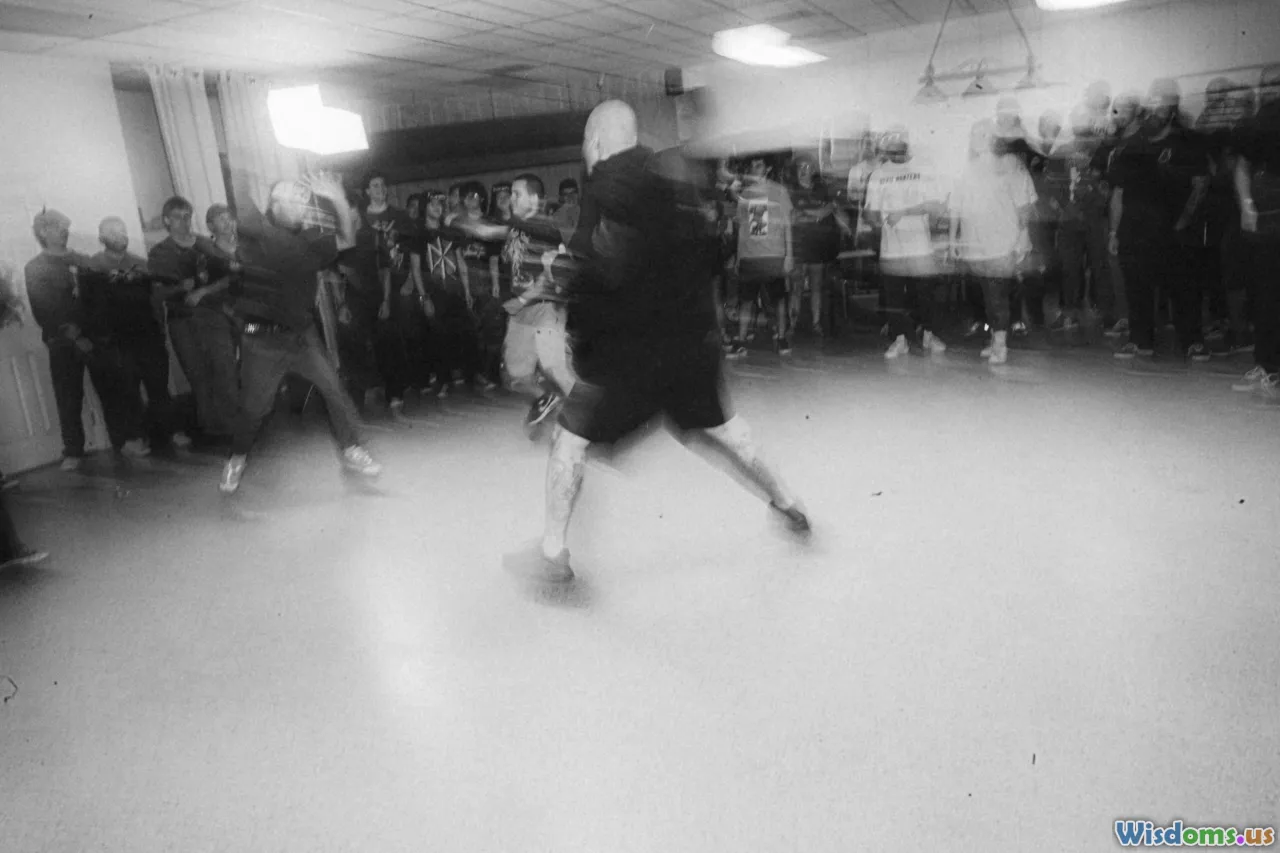
Try these five-minute exercises before your next festival or community class. They are safe, respectful, and designed to tune your body to common aesthetics.
- Grounding (West/Central Africa): stand with feet under hips, unlock knees, and imagine your tailbone resting toward the earth. Bounce subtly without heels leaving the floor for 60 seconds. This “sit” helps you meet drum accents without tensing your shoulders.
- Shoulder ripple (Eskista-inspired): keep hips still. Move only shoulders: right forward, right back, left forward, left back—four clicks per bar. Start slow, then double-time while breathing evenly. Goal: clarity without shrugging.
- Hip speaker (Xibelani-inspired, skirt optional): place hands on hips. Draw small circles with your pelvis while keeping chest quiet. Alternate directions each bar. If wearing a heavy scarf, notice how added weight teaches momentum control.
- Stick etiquette (Saidi-inspired): hold a cane lightly. Practice figure-eights in front of the body while stepping a relaxed two-step. Keep the stick’s tip low; let the cane mark time, not attack space.
- Call-and-response: clap a simple two-clap pattern; have a friend answer with a three-clap phrase. Switch. This trains conversational timing central to many festival forms.
These drills won’t make you a tradition-bearer; they will make you a better guest in traditions you admire.
Why origins matter on a dance floor
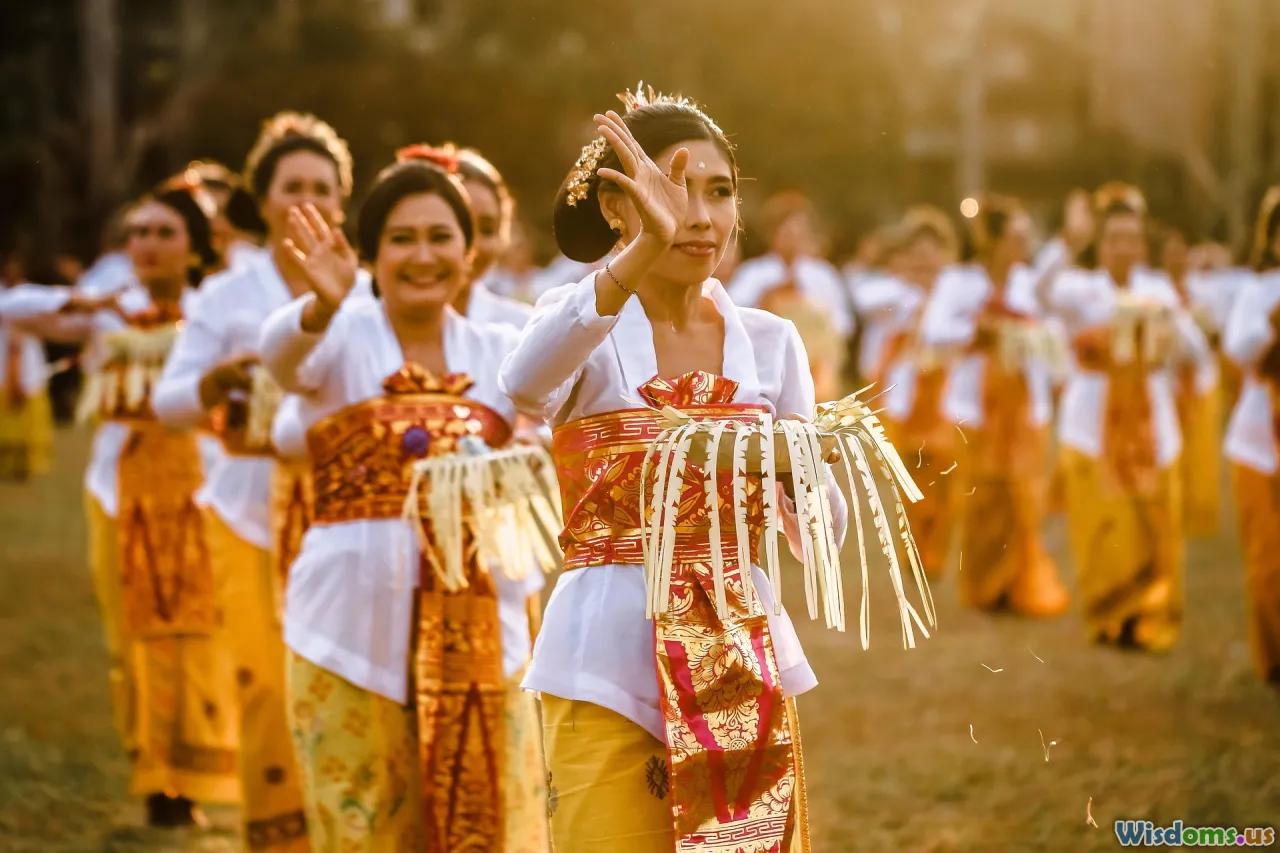
Knowing where a festival dance comes from expands what pleasure can mean. A tourist snapshot turns into a story: of farmers syncing harvest labor and celebration; of youth smuggling desire under the noses of censors; of sacred nights compressed into bright afternoons; of rhythms that survived a crossing and returned home fluent in two oceans. It puts responsibility alongside delight: to ask who holds the knowledge, who gets paid, who chooses how a dance changes.
At the next street festival or heritage day, try a small experiment. Before you join the circle, ask someone nearby, “When do you dance this at home?” The answer might be a funeral, a wedding, a harvest, a political rally, or a Thursday night with friends. Step in holding that context. Your body will still find the beat—but your joy will sit deeper, surprising you the way these dances once surprised the world.
Rate the Post
User Reviews





Popular Posts