How To Decode Indus Valley Artifacts Like an Archaeologist
15 min read Learn the essential steps and expert techniques to interpret Indus Valley artifacts like a professional archaeologist. (0 Reviews)
How To Decode Indus Valley Artifacts Like an Archaeologist
The ancient Indus Valley Civilization, one of the world's earliest urban cultures, flourished around the Indus River basin (modern-day Pakistan and northwest India) from approximately 3300–1300 BCE. Its sophisticated artifacts and enigmatic script captivate both professional archaeologists and curious enthusiasts. But how do experts actually "decode" Indus Valley artifacts? This article provides a hands-on exploration of the science, reasoning, and detective skills required to unlock the mysteries of this remarkable civilization.
Understanding the Context: Not Just Objects, But Clues
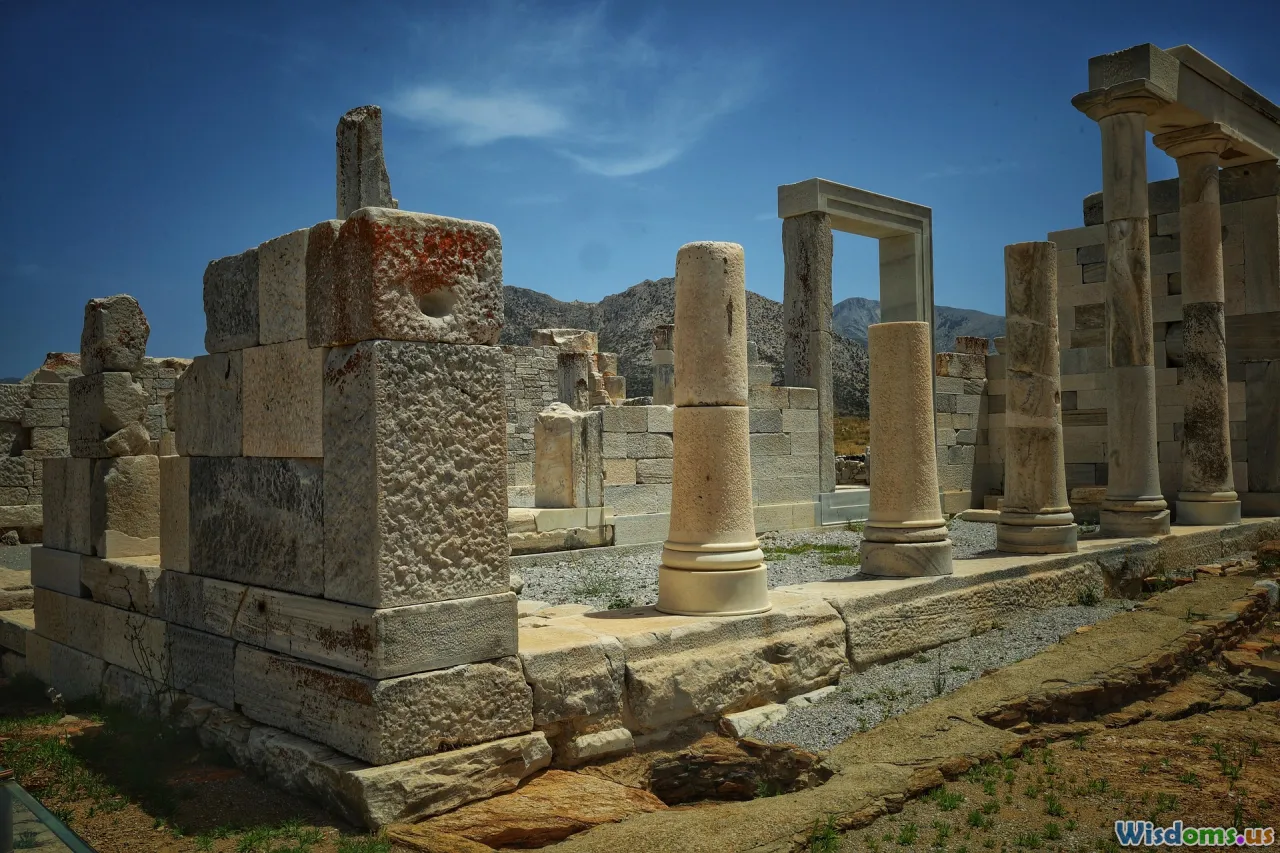
Indus Valley artifacts don’t exist in isolation—their meaning emerges from their context. Before anything else, archaeologists ask: Where was the artifact found? Was it buried in a home, a dump, a religious mound? For example, a carved stone discovered in the former citadel of Mohenjo-daro speaks differently than one unearthed in a modest residential quarter.
The Importance of Provenance
Provenance—or the artifact’s complete history of location—is crucial. Imagine a steatite (soapstone) seal: If it’s located in an administrative area, it likely had official, perhaps economic, functions. If found near a granary, it might relate to food administration. The renowned "priest-king" statue, for instance, was excavated from the DK Area of Mohenjo-Daro, believed to be an elite residential or ceremonial sector, influencing how we interpret his iconic pose, attire, and possible role.
Stratigraphy: Layers Tell Stories
Artifacts from carefully documented excavations are analyzed using stratigraphy. Each sediment layer in the ground represents a time period. When bioarchaeologists find a bull figurine beneath a copper chisel in sequential layers, they determine which artifact predates the other, helping recreate timelines and cultural development.
Identifying Materials: The Science Beneath the Surface

Understanding an artifact’s composition reveals more than aesthetics. It provides vital insights into ancient technology, trade, and daily life.
Decoding Materials With Chemistry
- Pottery: Indus potters experimented with different clays, firing temperatures, and pigments. Electron microscopy identifies minerals—say, red ochre from local deposits versus imported cobalt.
- Metals: Analysis of a copper ax or bronze mirror tells us about the alloying techniques. For instance, copper tanged arrowheads indicate advanced casting, while trace elements like tin and lead suggest trade connections with Afghanistan or beyond.
Craftsmanship as a Cultural Clue
Archaeologists scrutinize marks left by tools, differentiation in manufacturing, and levels of artistry:
- Mass-production indicators (uniform beads, standardized bricks) point to workshops and possible guilds.
- Handmade nuances (personalized motifs, non-identical weights) suggest household-level production and creativity.
The Script: The Great Undeciphered Puzzle

The Indus script appears as brief inscriptions—often under five signs—on seals, clay tags, and tablets. Unlike Egyptian hieroglyphs or Mesopotamian cuneiform, the Indus script remains undeciphered, making every artifact containing script an irresistible challenge.
Pattern Recognition and Cataloguing
Over 4,000 inscribed objects have been cataloged and classified. Archaeologists compile datasets: How many symbols are there? Above 400 unique ones have been identified. High-frequency patterns (like repeated motifs at the end of sequences) hint at linguistic structure and possibly numerical or enumerative data.
Visual Comparisons and Hypotheses
Some symbols on Indus seals—such as the horned “unicorn,” the fish, or complex geometric shapes—are recurrent. Scholars compare symbols across hundreds of sites. Do similar contiguities appear in seals from Harappa and Lothal? If so, this might suggest standardized administrative, commercial, or religious messages, akin to stamps.
Cross-Cultural Parallels and Refutation
Attempts to match Indus symbols to other scripts—Brahmi, proto-Elamite, or even Sumerian—have so far been inconclusive. Until a multilingual "Rosetta Stone" emerges, scholars rely on statistical analysis, spatial distribution, and above all, context to hypothesize functions: naming individuals, denoting commodities, or recording events.
From Seals to Statues: Interpreting Symbolism

Indus Valley craftspeople were masters of symbolic representation. Every motif—bulls, elephants, pipal trees—held cultural significance.
Why So Many Animals?
Animals abound on seals and figurines:
- The "unicorn" (a bull-like figure with a single horn) appears on thousands of seals. Some scholars theorize that it symbolized authority, perhaps as a clan or priestly marker.
- Small terracotta figurines of bulls, water buffalo, tigers, even rhinoceros, link to the daily agrarian and wild landscape. By analyzing wear patterns, archaeologists determine whether such objects were toys, religious tokens, or trade items.
Sacred Geometry and the Tree of Life
Striking motifs—like the pipal tree—impress on seals, often beside worshipful posture figures. This recurring image is likely religious, possibly pertaining to later South Asian tree cults.
Interpretation Pitfalls
It’s easy to read our own biases into ancient images. The so-called "proto-Shiva" figure, sitting in a yoga-like posture, was once interpreted as a deity hinting at Hinduism’s earliest roots. But archaeological rigor requires caution—similar motifs can mean entirely different things through time or region.
Decoding Urban Infrastructure and Technology
To decode the Indus Valley’s everyday life, archaeologists look beyond small artifacts to examine the city’s design, public utilities, and tools.
The Science Behind Brickwork
The Indus people developed standardized burnt bricks with a 1:2:4 ratio (thickness, width, length), visible in Mohenjo-daro’s homes and streets. Measuring these bricks on-site, archaeologists deduce the society’s shared standards and high organization. That brick mold found embedded in a kiln? It’s conclusive evidence of scale and intent.
Drains, Bathrooms, Wells: Everyday Excellence
Mohenjo-daro features some of the oldest known urban drainage systems—covered drains, soak-pits, and private "bathrooms." Every manhole cover and precisely aligned drain conveys civic planning and maintenance culture rare in the ancient world. Mapping these utilities lets researchers reconstruct not just how, but why the society prioritized hygiene and order.
The Magnificent Great Bath
Mohenjo-daro’s "Great Bath"—a 12x7-meter sunken brick tank—features waterproofing, inlets, drains, and stairways. Interpreting its use (ritual purification? civic meetings?) depends on associated finds: pottery shards, animal bones, ritual objects, and proximity to granaries or assembly halls.
Scientific Tools: The Archaeologist’s Toolkit
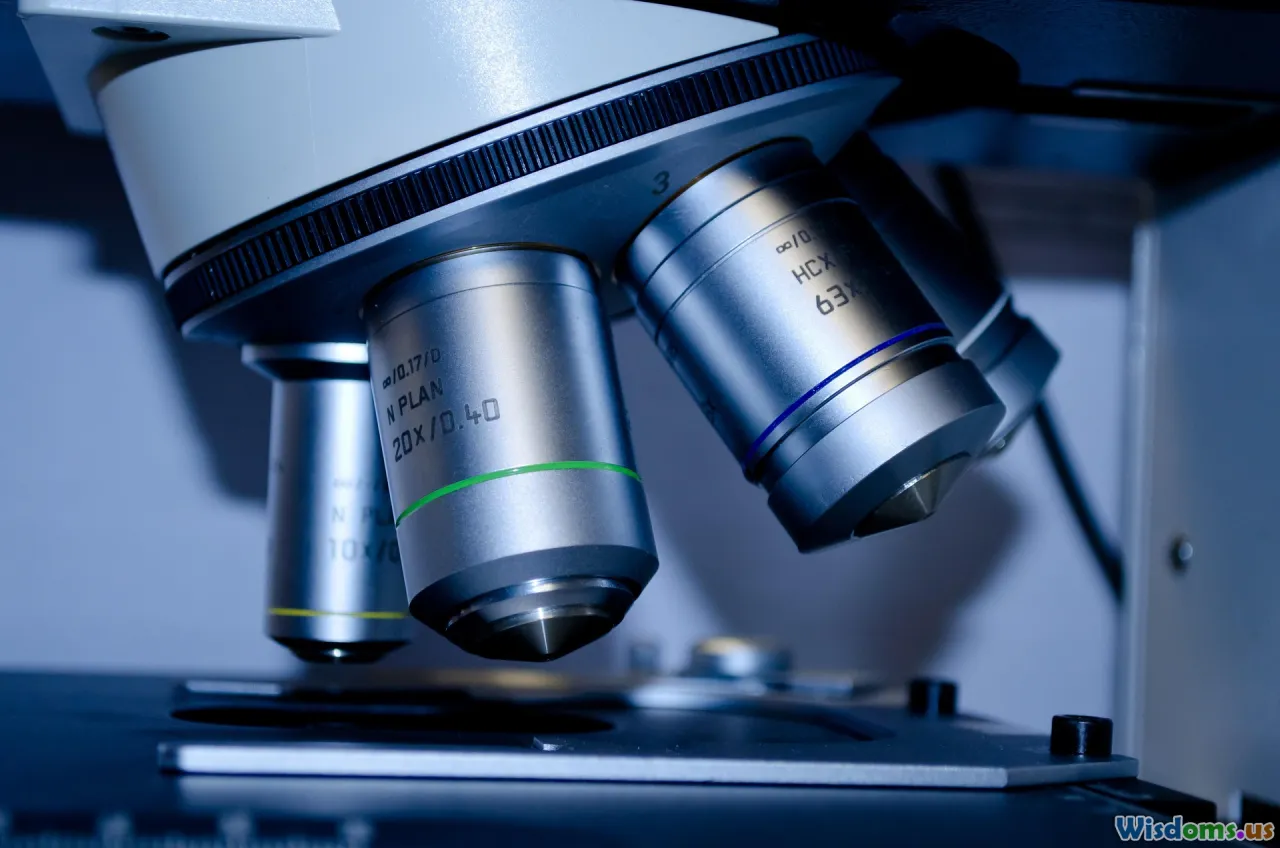
Today's interpretation of Indus finds is far more sophisticated than the naked eye can manage. Cutting-edge science converges with traditional techniques for holistic decoding.
X-Ray Fluorescence and Spectroscopy
Portable XRF scanners reveal the elemental composition of artifacts within seconds, mapping out sources of gold, lapis lazuli, and carnelian. This locates supply chains: for instance, carnelian beads from Gujarat and shells from Makran's coast.
Radiocarbon Dating and Dendrochronology
- Radiocarbon dating remains the standard for organic finds—a burnt wooden beam, animal dung traces, or ash from kilns. When cross-referenced with context, these establish the occupation horizon of a site.
- Dendrochronology (tree ring dating) isn’t as common in the semi-arid Indus region, but any preserved wood offers unmatched precision.
Imaging, Microscopy, and Digital Reconstructions
Electron microscopes reveal wear patterns on bone tools. Digital 3D scans let AI models simulate how figurines were used or repaired. In high-profile cases, virtual unwrapping has even been applied to inscribed yet fragile seals.
Collaborations: Knowledge from Multiple Disciplines

Archaeology today is a blend of history, chemistry, art history, ecology, and computational science.
- Epigraphers specialize in scripts, analyzing every linear mark, curve, or dot on seals for repeated patterns that could indicate numbers, titles, or specific goods.
- Anthropologists compare Harappan cultural practices with those of later or contemporary South Asian civilizations, discerning continuities in domestic rituals or urban layout.
- Geologists supplement with soil and raw material analysis.
Some of the most fruitful breakthroughs come from interdisciplinary teams – for instance, when paleoethnobotanists and materials scientists together decipher residue inside a goblet as ancient barley beer!
Reconstructing Ancient Lives: Case Examples

Weights and Measures: Standardization in Action
Cube-shaped chert weights—ranging from tiny fractions of a gram to massive kilo blocks—appear across the Indus world. Measuring their exact proportions and wear, researchers uncover a society obsessed with standards, likely for trade.
Toy Carts and Children’s Worlds
Miniature terra-cotta carts and animal figurines (often with holes for string attachments) prove children weren’t overlooked. Play objects also tell scholars about transport technologies—it’s debated whether the wheeled cart was primarily a child's toy or a model of daily conveyances.
Jewelry: Materials and Identity
Shell bangles, steatite necklaces, and etched carnelian beads reveal identity, status, and gender roles. Trace-element analysis recently demonstrated Harappan ornaments were widely traded, as specialized carnelian bead styles found at Harappa also turned up at distant Mesopotamian ports.
Food Remains: Diet Connecting Distant Provinces
Indus granaries sometimes yield carbonized wheat, barley, lentils, and rice. Zooarchaeologists discovered animal bones showing age and cutting marks, determining patterns of herd culling, diet, or seasonal feasting. Recent biomolecular studies of pottery have revealed traces of milk proteins—perhaps a 4000-year-old vestige of yogurt!
Tips for Aspiring Decoders: How to Hone Your Archaeologist’s Eye
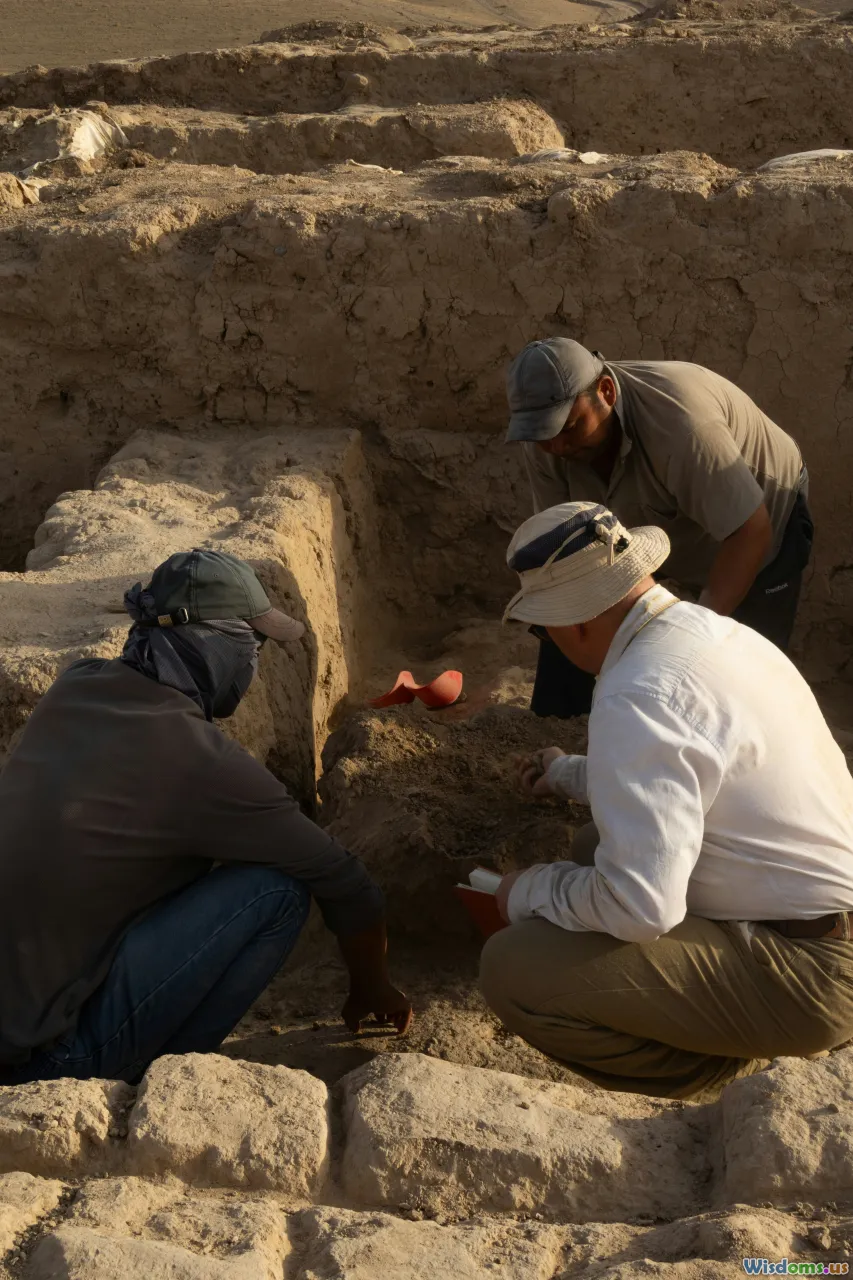
- Always document context: Take photos of each artifact in situ before removing it; note its relationships to other objects.
- Handle with care (study safely): Use gloves and proper support, as even durable ceramics can hide fragile flaws.
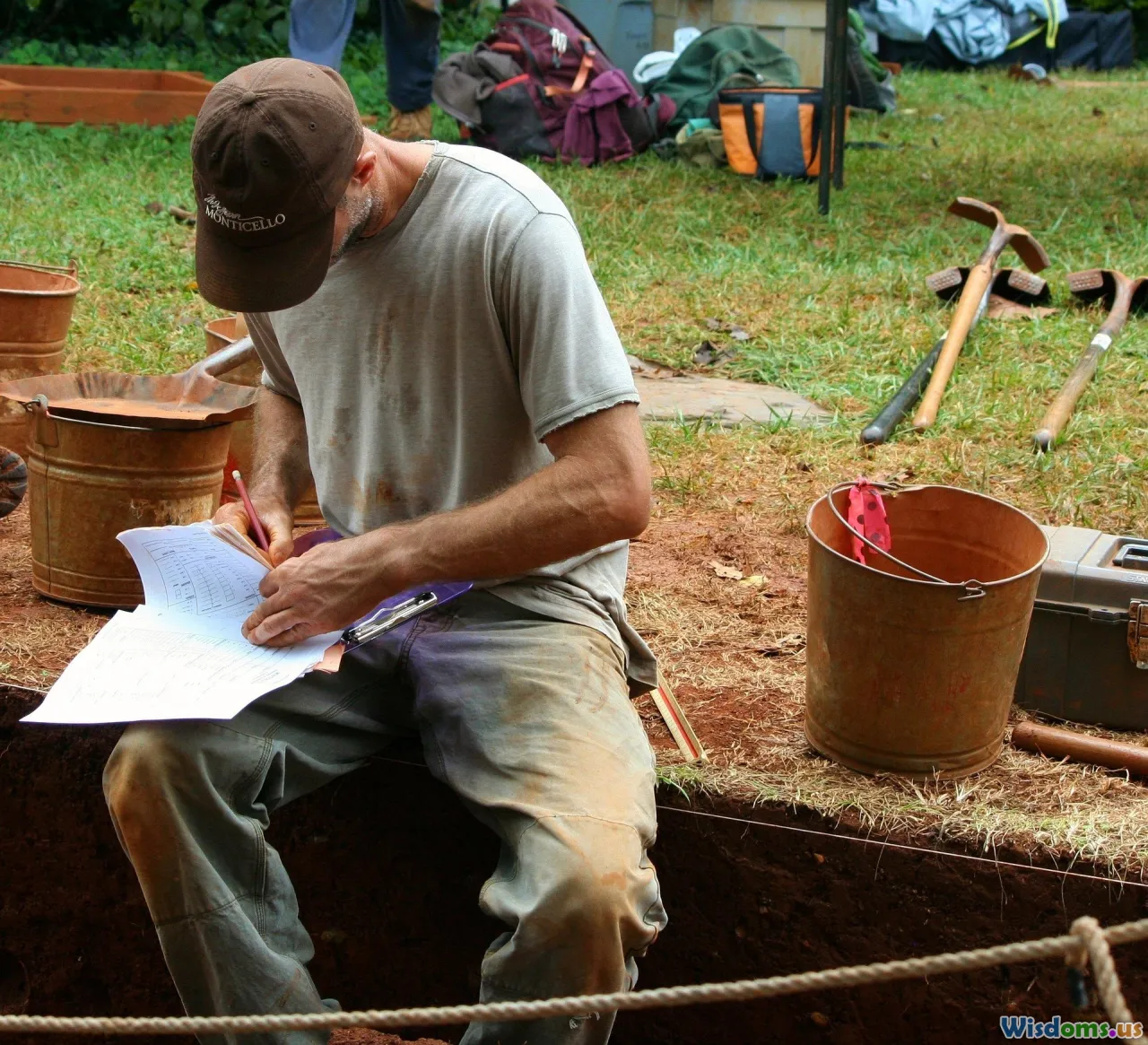
- Record everything: Measurements, sketches, and written observations form the backbone of later lab or theoretical work.
- Consult comparative collections: Museums and open datasets make it possible to contrast finds with established typologies, be it ringstones or cemeteries.
- Learn basics of scientific methods: Understanding spectrometry, soil analysis, and digital mapping multiplies the breadth of any find’s meaning.
- Beware preconceived notions: Approach each artifact with humility and openness to interpretations that challenge traditional views.
The Mystery Endures: New Finds, New Perspectives
Despite over a century of excavation, the Indus Valley Civilization continues to intrigue and resist full comprehension. Prominent puzzles—including the Indus script, the reasons for the civilization’s decline, and details of their religion—persist, inviting fresh minds and new technologies.
But today, every artifact unearthed—whether a punch-marked seal, a hand-turned pottery fragment, or a delicate bead—offers another piece of the ancient puzzle. By following the archaeologist's process—attending closely to context, employing science, seeking comparative evidence, and collaborating—anyone can join in the rewarding pursuit of decoding an ancient world lying just beneath the surface, still waiting to reveal its secrets.
Rate the Post
User Reviews
Other posts in Indus Valley Civilization





Popular Posts