Lessons from Cities That Transformed Their Public Squares
17 min read Discover how visionary cities revitalized public squares, fostering vibrant communities and economic growth through innovative urban planning. (0 Reviews)
Lessons from Cities That Transformed Their Public Squares
A walk through any vibrant city is often defined by its public spaces. Scenic squares pulsing with life, once-neglected plazas turned into social and cultural epicenters—these urban hearts reflect more than clever architecture; they echo shifts in civic vision, community priorities, and innovative urban policy. Around the globe, cities have rewritten the rules for public squares, creating places that facilitate connection and inspire civic pride. In exploring their journeys, both pitfalls and successes provide a masterclass for communities seeking similar transformations.
The Renaissance of Urban Plazas
Over the past two decades, city centers have witnessed a renaissance—the neglected, car-dominated squares of the twentieth century have become canvases for urban dreams. The driving factors include pedestrianization, strategic design, and a renewed belief in public space as the heart of democratic life. For instance, consider the transformation of Times Square in New York City. Once choked by bumper-to-bumper traffic, the stretch of Broadway from 42nd to 47th Street is now largely off-limits to cars. Where honking taxicabs once rolled, visitors today lounge at colorful bistro tables or take in performances against a neon-lit backdrop. Since shifting to a pedestrian plaza in 2009, pedestrian injuries have dropped by 40%, business has flourished, and dwell time has increased, all testament to the enduring value of squares in shaping city culture.
Barcelona’s Plaça de Catalunya offers another example: by investing in flexible, multi-use design and an adaptable spatial layout, the city regularly hosts festivals, rallies, and markets that attract residents from every borough. The lesson? Public squares can be more than ornamental—they are engines of urban vitality when treated as destinations, not just crossroads.
The Key Ingredients of Successful Public Squares
Urban scholars and practitioners widely agree that great public squares succeed on several shared foundations:
1. People-Oriented Design: The most effective squares consider the sensory and social needs of their users. Copenhagen’s City Hall Square, for instance, features movable seating, open space, and easy access for cyclists—affirming Jan Gehl’s thesis that inviting spaces must operate at the human scale.
2. Mixed-Use Edges: Cafes, markets, bookstores, and small shops bordering a square inject energy far beyond the paved expanse. Piazza Navona in Rome stands as a historic case study: the constant hum around its periphery, from live artists to espresso drinkers, creates a magnetic social vortex.
3. Safety and Comfort: Lighting, line-of-sight openness, and well-placed amenities bring peace of mind, allowing people to linger longer. Bryant Park in New York, rescued from obsolescence by careful horticulture, daily programming, and consistent security, reversed a decades-long spiral of neglect through simple, visitor-focused upgrades.
4. Flexible Programming: Squares thrive when their use changes with the seasons. Programs like outdoor movies, art installations, food fairs, and skating rinks take inspiration from Toronto’s Nathan Phillips Square, which hosts protests, Indigenous celebrations, and farmers markets with equal zeal.
In summary, successful squares balance permanence with adaptability, ensuring continued relevance for both weekday crowds and weekend festivals.
Learning from Global Leaders: Case Studies
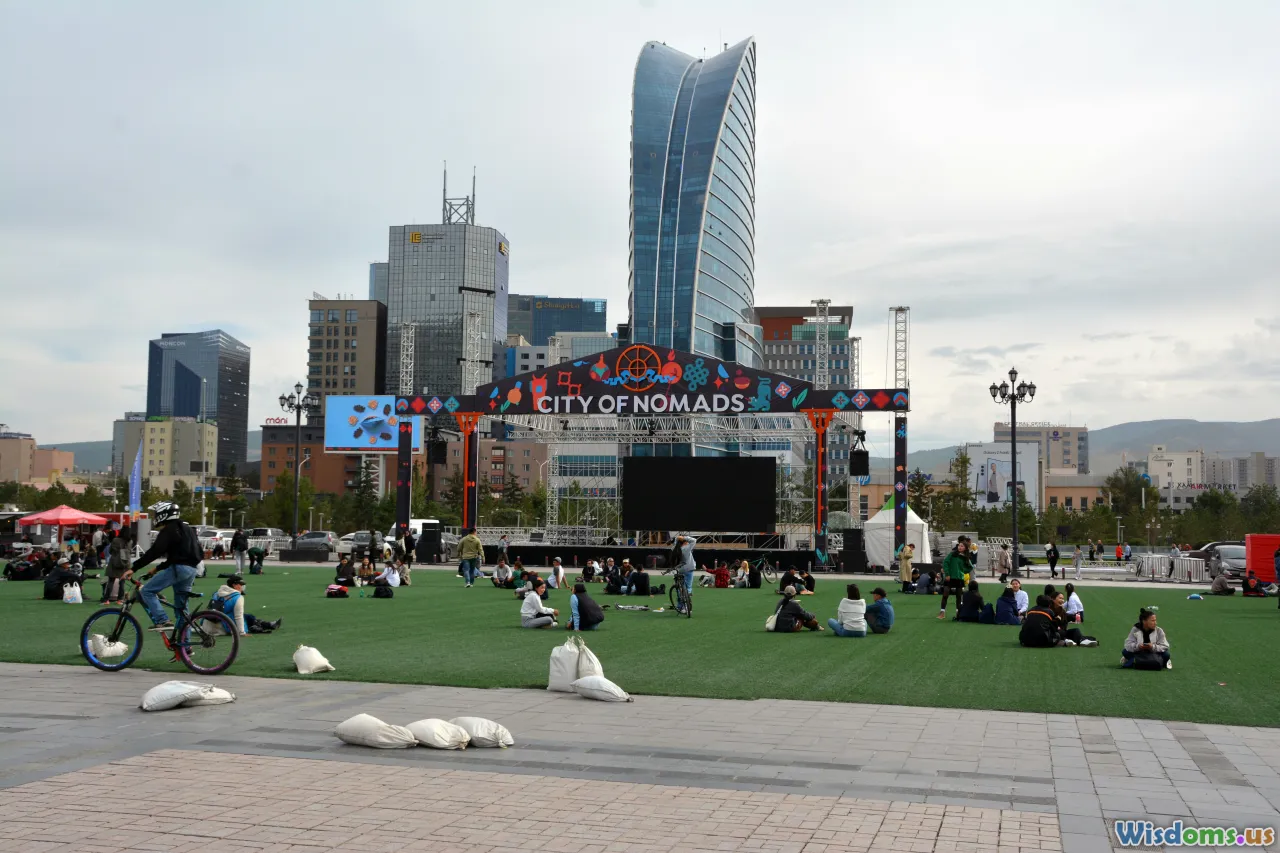
Let’s take a closer look at four cities in different continents whose squares underwent inspiring transformations—and the lessons embedded within their stories.
1. Medellín, Colombia: Plaza Botero and Urban Transformation
Medellín’s Plaza Botero, named after the renowned artist Fernando Botero, exemplifies the power of urban renewal within constricted means. In the early 2000s, public confidence in Medellín was at a nadir; the city had been marred by violence, informal settlements, and disinvestment. City leaders rolled out aggressive public works programs that included transforming derelict downtown lots into vibrant open spaces. Plaza Botero emerged as a signature achievement—not simply expanding pedestrian areas but infusing them with large-scale sculptures, public Wi-Fi, and cultural programming in collaboration with the nearby Museum of Antioquia.
Key Lesson: Lauding local identity—here, by celebrating Botero’s sculptural works—and democratizing access to culture can change not just the reputation, but the fabric of a square.
2. Vienna, Austria: MuseumsQuartier
Where once imperial stables loomed behind forbidding walls stands today the MuseumsQuartier, arguably Europe’s most inventive example of adaptive reuse. The city deftly connected history and modernity by inserting playful sitting “enablers” (quirkily colored benches), digital screens, and lush landscaping among internationally renowned museums. The square is now a space for lectures, concerts, and impromptu gatherings—inviting entry rather than commanding awe at arm’s length.
Key Lesson: Opening squares to experimental uses and inviting the public in—literally, through multiple access points—activates every square meter for day and night relevance.
3. Seoul, South Korea: Gwanghwamun Plaza
Originally a ceremonial avenue fronting Gyeongbokgung Palace, Gwanghwamun Plaza was dominated by ten lanes of fast-moving traffic. A 2009 overhaul replaced them with generous green corridors, historical information, art showcases, and interactive fountains.
Key Lesson: Even the most traffic-bound spaces can become civic magnets through bold rebalancing toward pedestrians and cultural expression.
4. Sydney, Australia: Martin Place
Martin Place has held a central role in Sydney civic life for over a century, but it was the widening and traffic closure campaigns beginning in the 1970s that set the stage for its enduring success. Today, frequent public art, winter festivals, and large-scale community events define Martin Place as a democratic commons, open for both quiet lunches and mass assemblies.
Key Lesson: Incremental pedestrianization, creative programming, and robust maintenance can together transform even formally rigid or overlooked locations.
The Role of Community Engagement in Design
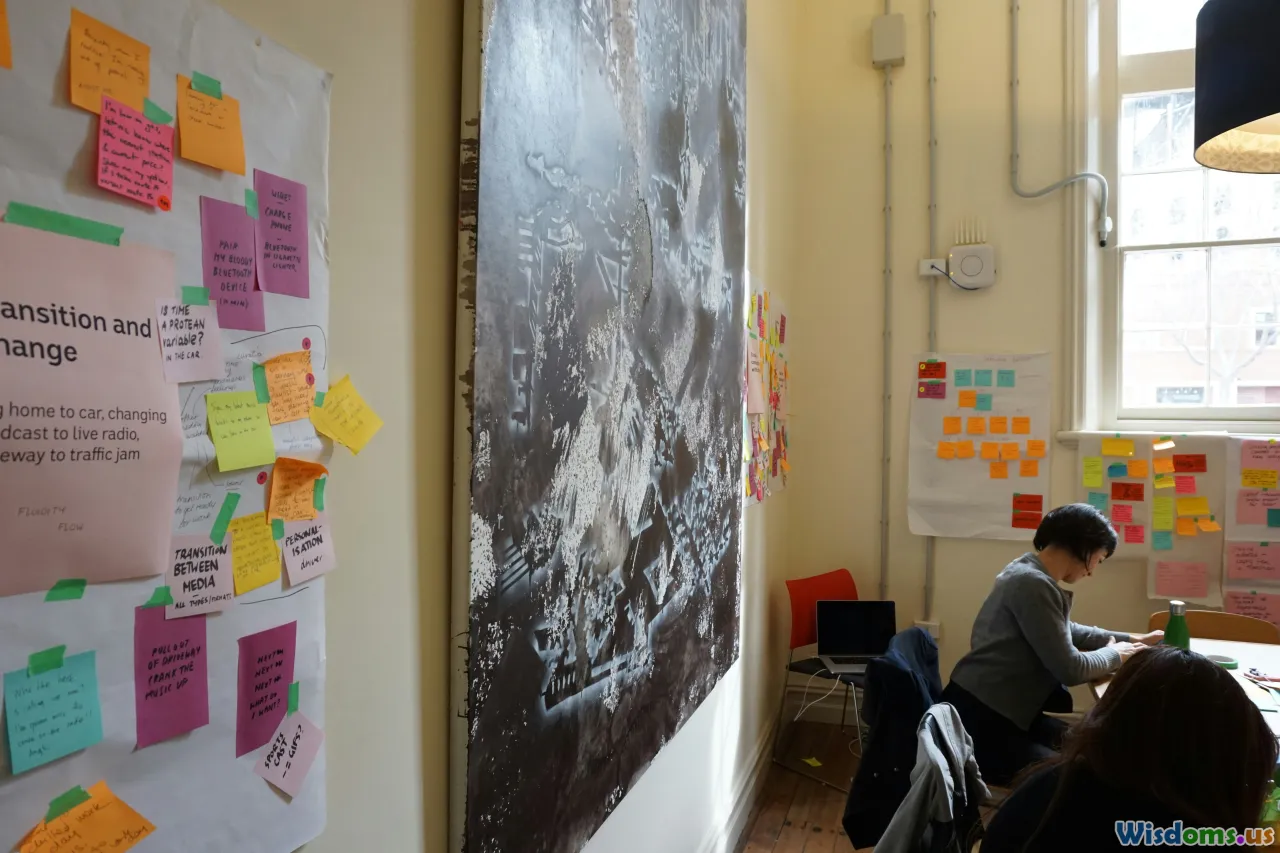
The most remarkable squares are not bestowed, but co-created. Over and over, successful projects surface shared traits: extensive community outreach, participatory workshops, and ongoing feedback mechanisms.
In Rotterdam, the redesign of Schouwburgplein (Theatre Square) incorporated robust engagement far beyond standard public comment periods. City planners held idea sessions with youth groups, theatergoers, nearby business owners, and even landscape artists. One resulting feature—a dynamic lighting system responding to the weather and events—arose directly from the fusion of stakeholder input and design creativity.
Meanwhile, San Francisco’s UN Plaza leveraged regular input from local merchants and social service organizations to ensure programming met resident needs and avoided displacement of vulnerable groups. Festivals, small business kiosks, and the widely popular Heart of the City Farmers Market now catalyze cross-cultural interaction.
Actionable advice: Involve the community early and often, seek out unlikely voices, and treat public feedback not as a checkbox but as a creative wellspring. The process can adjust design priorities and foster a sense of ownership vital to a square’s longevity.
Balancing Preservation and Innovation
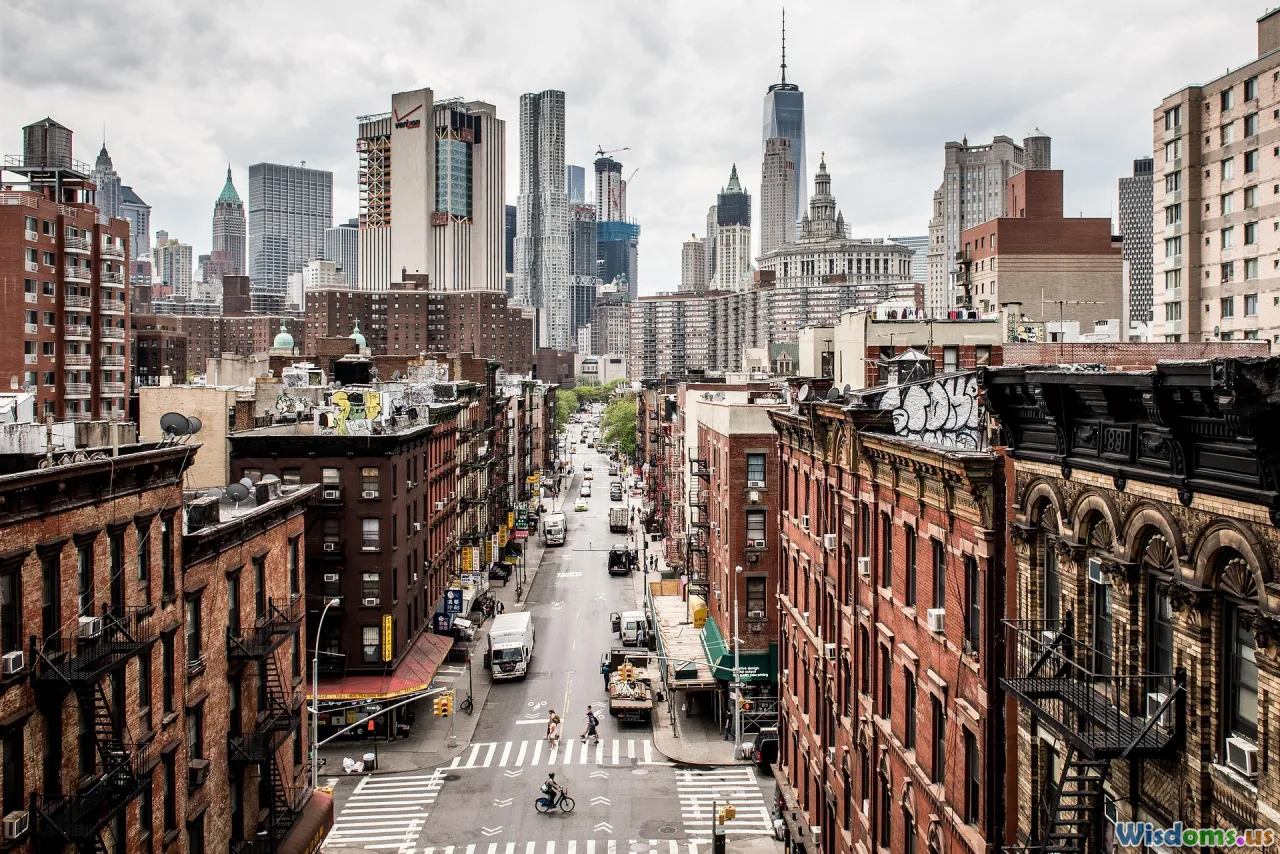
Many iconic squares are deeply entwined with a city’s heritage. Balancing this historic gravity with contemporary demands can be delicate—yet essential.
Paris’ Place de la République, for example, underwent a radical transformation in 2013. Instead of enshrining every cobble and curb, designers used a collaborative approach: some square footage was reclaimed from traffic, surfaces were carefully leveled for accessibility, and new street furniture was produced from locally sourced materials while respecting original sculptures and memorials.
Similarly, Mexico City’s Zócalo retained its centuries-old footprint but incorporated expanded greeneries, improved lighting, and multi-purpose stages for everything from Day of the Dead parades to climate rallies. The challenge is to honor legacy while acknowledging changing demographic, environmental, and cultural realities.
Practical tip: Engage historians alongside urban planners. Flexibility within the bounds of preservation leads to timeless yet responsive places.
Sustainable and Inclusive Use: The Next Frontier
The future of public squares hinges not only on design but also on sustainable and inclusive operation. As climate change, population growth, and accessibility awareness accelerate, city leaders must rethink maintenance, materials, and environmental resilience.
Copenhagen’s Superkilen—a mile-long, multi-cultural linear park—was built with input from over 60 local nationalities and features recycled furnishings, robust native plantings, and shaded zones to combat heatwaves. On the other side of the globe, Detroit’s Campus Martius Park sets an annual ice rink and urban beach atop formerly empty lots, demonstrating how diverse climate-appropriate programming broadens seasonal appeal.
Inclusivity goes as far as creative wayfinding: Barcelona uses tactile maps, Seattle provides sensory-friendly events, and Melbourne’s Federation Square includes quiet spaces for neurodiverse visitors.
Implementable ideas:
- Prioritize permeable surfaces, native flora, and water recycling.
- Design for universal access (curbless entries, variable seating, clear signage).
- Equip staff to facilitate both family-oriented and adult programming, ensuring no group is left behind.
Overcoming Challenges: Safety, Maintenance, and Adaptability
Not all square transformations have idyllic results. Safety concerns, maintenance costs, and unpredictable patterns of use can undermine even the most poetic plans.
Cities like Los Angeles faced difficulties reviving Pershing Square because of persistent perceptions of crime and inadequate infrastructure investment. Conversely, Chicago’s Millennium Park triumphed through private-public partnerships, robust maintenance endowments, and the introduction of arts programming (outdoor concerts, Cloud Gate "The Bean") to cater to diverse interests and draw continual foot traffic.
A flexible operations plan is crucial: pilot small changes before widespread rollouts, adjust as user needs shift, and prioritize reliable funding for stewardship and programming. Ongoing performance evaluation, through surveys and smart sensors tracking foot traffic, helps planners respond nimbly to emerging issues.
Actionable Strategies for Planners and Advocates

To replicate the success seen in leading global squares, city leaders, planners, and citizen groups can adopt several step-by-step tactics:
-
Audit and vision: Evaluate existing uses (pedestrian flows, sunlight, adjacent uses) and consult with all stakeholders—from local schoolchildren to business associations.
-
Pilot interventions: Start with low-cost, reversible actions—like parklet installations, temporary seating, or pop-up arts—to test public response and build momentum.
-
Build partnerships: Engage civic organizations, private entities, and nonprofits in both funding and activation. Philadelphia’s Dilworth Park boom was powered by collaboration among the Center City District, municipal agencies, and local sponsors.
-
Design for year-round potential: Anticipate not just current trends but future demands; modular infrastructure, weather-adapted features, and accessible programming ensure longevity.
-
Institute rapid feedback loops: After major events, conduct short surveys, monitor safety data, and solicit open feedback to refine use. This iterative practice allows continual, data-driven improvement.
-
Celebrate local culture: Incorporate public art, performances, and stories that reflect both the city’s past and its aspirations—making the square genuinely memorable.
Reimagining Urban Life Through Squares
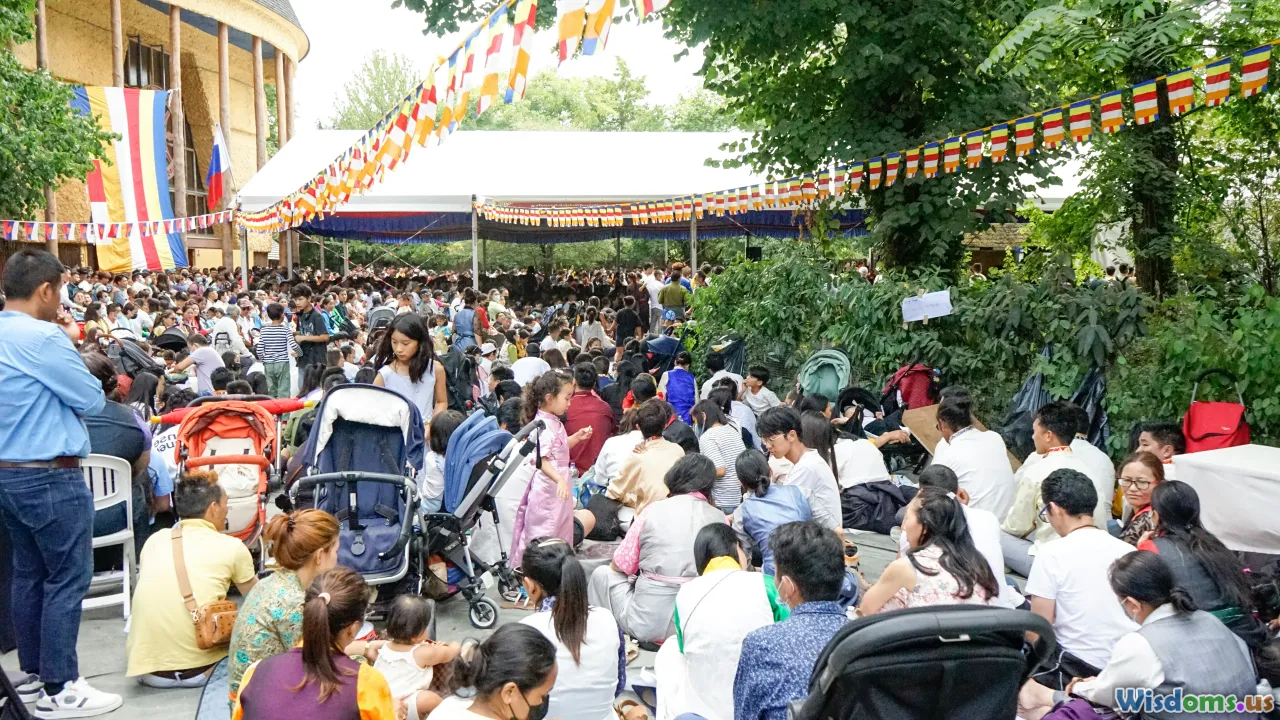
The best public squares tell stories—of resilience, openness, creativity, and collaboration. Their journeys condense the ambitions and values of entire cities into a few energized acres, forging daily encounters between strangers who might otherwise never meet. As global cities from Copenhagen to Seoul teach us, investing in thoughtful, inclusive, and adaptable public squares is much more than aesthetic—it’s foundational urban stewardship. Each transformation inspires fresh ways to gather, protest, play, and dream together, ensuring that city life remains exhilarating and full of promise for generations to come.
Rate the Post
User Reviews





Popular Posts