The Best Leather Types for Crafting Durable Belts
17 min read Discover the best leather types for crafting belts built to last, with expert tips for makers and buyers. (0 Reviews)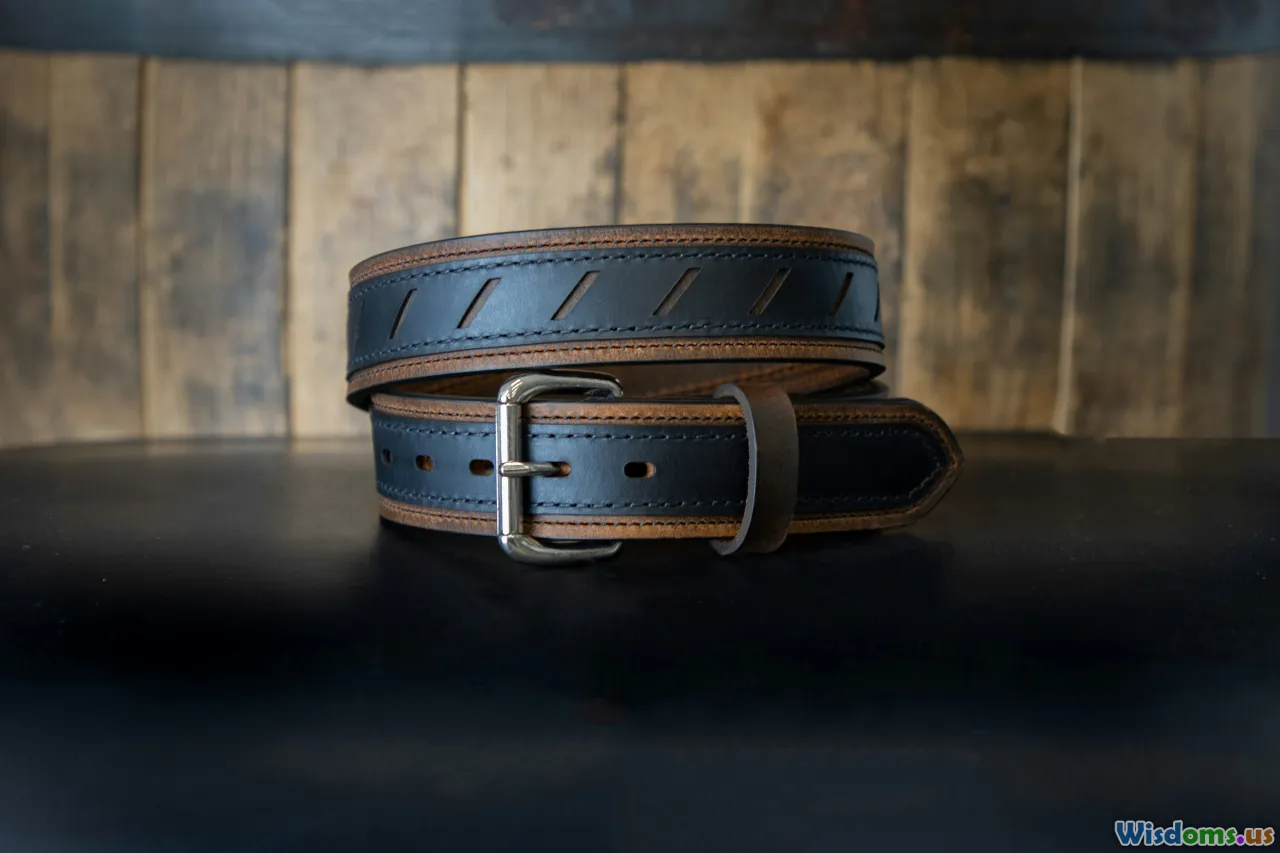
The Best Leather Types for Crafting Durable Belts
Few accessories are as timeless and essential as a well-made leather belt. More than a simple means to hold up trousers, a high-quality belt speaks to personal style and craftsmanship. But not all leather belts are created equal—the longevity, aesthetics, and functionality of each depend largely on the type of leather used in their construction. Whether you're a dedicated craftsperson, a custom belt enthusiast, or simply want to make a lasting investment, understanding the best leather types for durable belts is key to making wise choices.
Full-Grain Leather: The Pinnacle of Durability
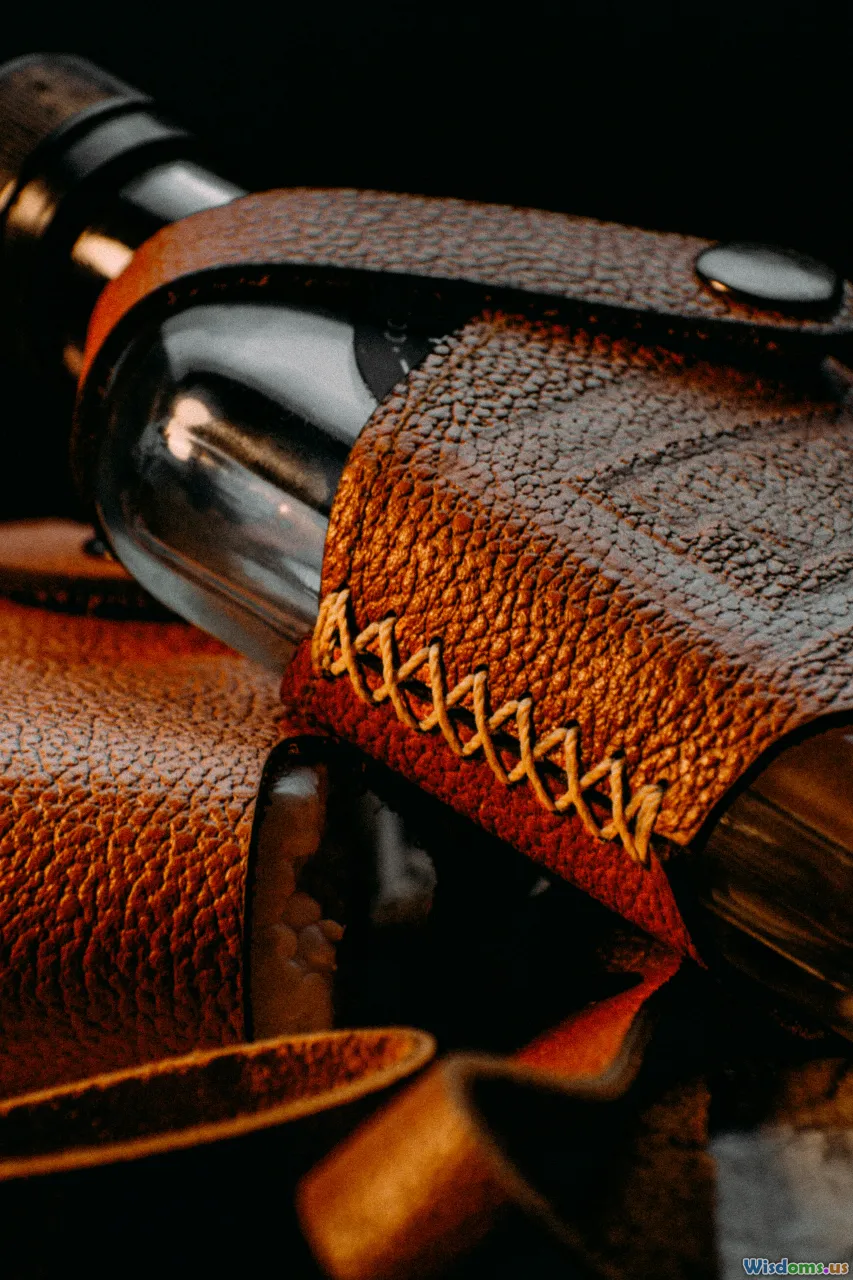
When durability is paramount, few materials compare to full-grain leather. This leather is taken from the topmost layer of the hide, where the fiber density is greatest, and it remains largely unprocessed. Unlike many other leathers, full-grain is not sanded or buffed to remove imperfections, preserving the hide's strength and natural character.
Characteristics and Benefits
- Exceptional Strength: The intact grain yields fibers aligned for superior toughness and resistance to tearing, stretching, and general wear—making it ideal for belts meant to withstand daily use and strain.
- Unique Aging: Full-grain leather develops a rich patina as it ages, a sought-after feature among leather aficionados. Each scratch or nick adds to its unique story.
- Water Resistance: While not fully waterproof, quality full-grain leather, especially when properly conditioned, offers excellent resistance to the elements compared to lesser leathers.
Examples in Crafting
Classic work belts, fine dress belts, and heavy-duty utility belts for tools often showcase full-grain leather. For instance, the famed "Double Prong" work belt used by carpenters and weightlifters is almost always constructed from thick, full-grain hides.
Tips for Working with Full-Grain Leather
- Use sharp blades for cutting, as the dense fibers can blunt edges quickly.
- Invest in quality leather conditioners to maintain suppleness and appearance.
- Expect to pay a premium but view it as a long-lasting investment.
Top-Grain Leather: Versatile Yet Resilient
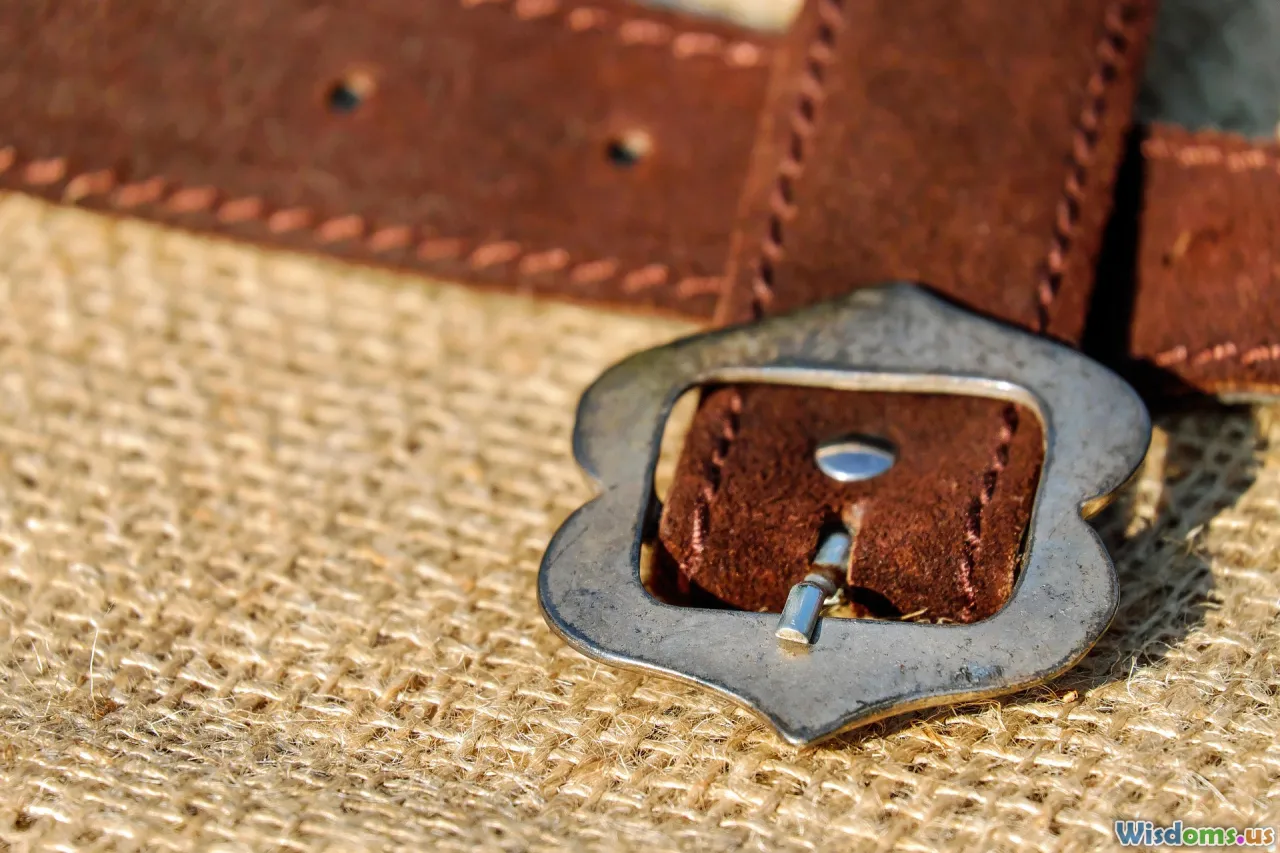
Immediately below full-grain in terms of both price and durability, top-grain leather provides a successful compromise for many crafters and consumers. This variety sees the very top layer sanded or buffed, erasing imperfections but also removing some fiber density.
Advantages for Belt Making
- Smooth Appearance: The surface can be finished or embossed, enabling a sleek, uniform look prized in designer belts.
- Comfort: Top-grain retains good flexibility, making it comfortable for everyday wear from suits to casual ensembles.
- Stain Resistance: A finished coating makes this leather less sensitive to stains and moisture, which is why many luxury brands favor it.
Example Products
Famed names like Gucci or Coach leverage top-grain leather for their distinctive, high-fashion belts; these blend refined style with practical durability suitable for style-conscious wearers. It’s also preferred for belts requiring hefty amounts of dye or aesthetic manipulation.
Practical Considerations
- Because the outermost layer is sanded off, top-grain is somewhat less durable in the long run compared to full-grain.
- Regular conditioning is still essential but less urgent than with more sensitive leathers.
Genuine Leather: Affordable but Beware
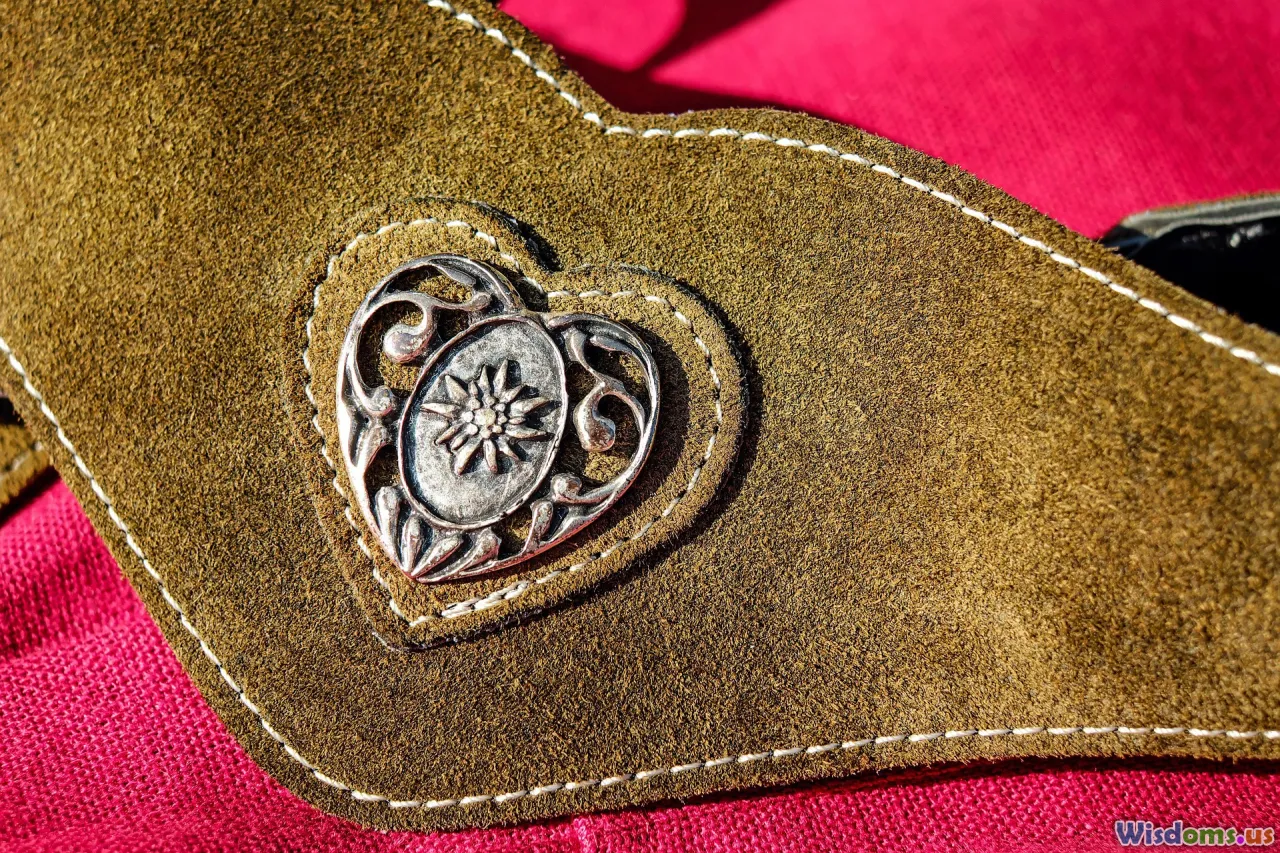
Genuine leather can be misleading—despite its honest-sounding name, it refers to leather made from the layers just below the top. These are less dense and more heavily processed.
What Does Genuine Mean?
- Construction: It’s essentially a catch-all category for anything that isn’t full- or top-grain.
- Processing: Often, genuine leather is dyed, pressed, embossed, and even bonded with adhesives to camouflage its lower quality.
Applications and Drawbacks
- Entry-Level Belts: Major department store belts at low-to-mid prices are typically made from this material. They look polished but tend to wear, crack, and delaminate much faster.
- Not Ideal for Heavy Use: Over time, the inner layers may separate, particularly where the belt buckles or bends most.
When Might It Be a Good Choice?
For low-cost, limited-use, or fashion-forward belts, where longevity isn’t the priority, genuine leather suffices. However, for belts intended to last, it’s best approached with caution.
Exotic Leathers: Distinction With Durability
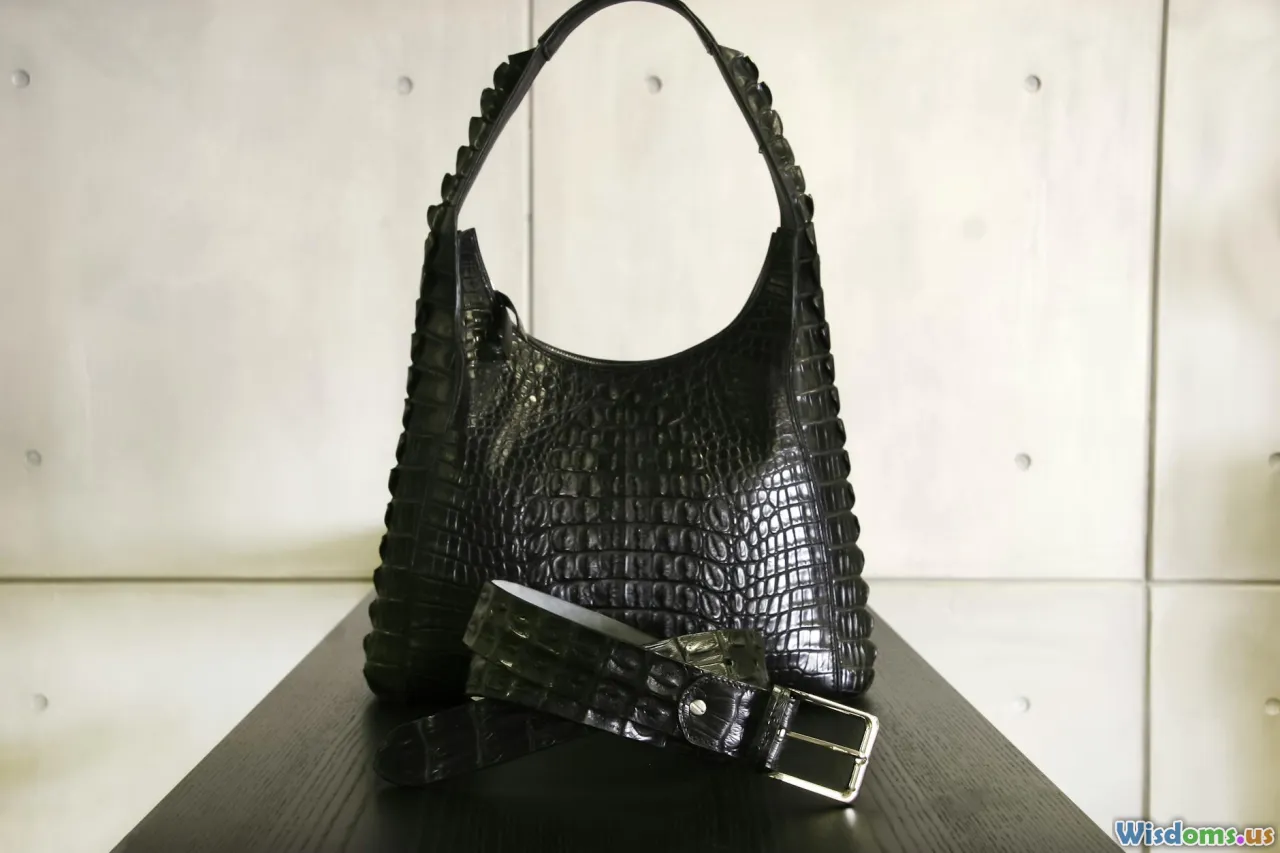
Beyond cowhide, exotic leathers lend unique aesthetics and, in some cases, surprising strength to belts. They are generally prized for their unconventional looks—think croc and gator patterns, striking snake scales, or subtle ostrich quills.
Popular Exotic Leathers
- Crocodile/Alligator: Renowned for their stunning scales and natural hardness. High-end dress belts frequently feature these hides; authentic variations fetch premium prices due to their rarity and labor-intensive handling.
- Ostrich: Recognized by its pockmarked, quill-filled texture. Ostrich belts are flexible and durable, withstanding humidity and regular wear better than many assume.
- Lizard and Snake: Typically applied for their dramatic appearance in fashion belts, they deliver flexibility but may not match the lifespan of bovine leathers.
Special Care
- Never over-oil or store in direct sunlight—many exotic leathers are sensitive to chemical or UV damage.
- Use specialty conditioners suitable to the specific type.
Insights
The rarest and priciest exotic leathers have sparked a robust market for stamped/embossed alternatives—cowhide tooled to mimic croc or snake. While generally more affordable and available, the durability leans on the underlying leather’s quality.
Vegetable-Tanned vs. Chrome-Tanned Leather: Choosing the Tanning Process
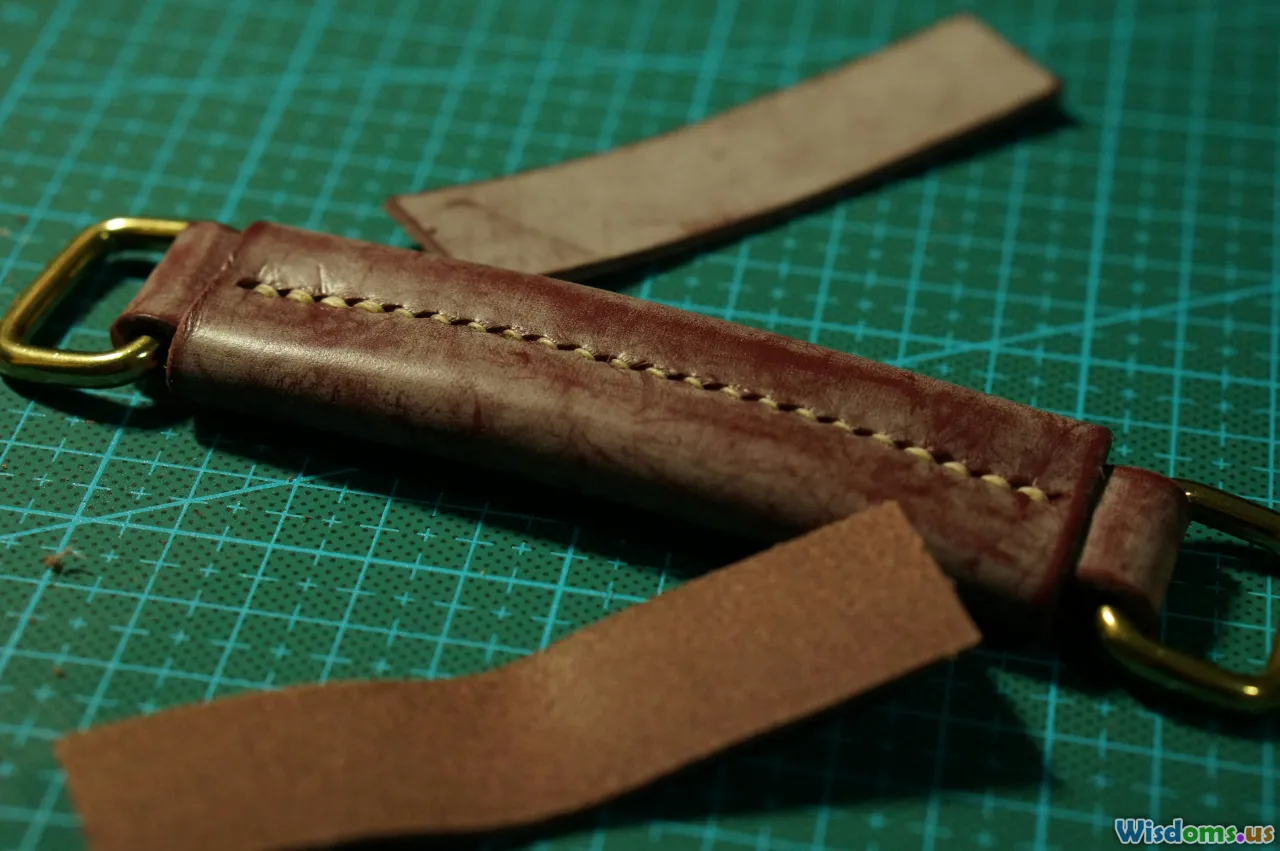
The tanning process—the method by which raw hides are converted to usable leather—affects texture, workability, and final belt durability.
Vegetable-Tanned Leather
This traditional process uses tannins extracted from plant matter. The result is a stiff yet flexible leather that patinas beautifully; think of the golden brown of a saddle or the aged finish of a classic brown waist belt.
Advantages
- Naturally Durable: Less prone to chemical breakdown, making it perfect for hand-tooling and stamping.
- Eco-Friendly: Avoids harsh chemicals, aligning with environmentally conscious values.
Notable Brands & Techniques
Workshop-quality belts from brands like Saddleback Leather or Red Wing use vegetable-tanned leathers, accentuating old-world craftsmanship.
Chrome-Tanned Leather
Developed in the late 19th century, chrome tanning uses chromium salts for a much faster process (hours instead of weeks or months).
Key Points
- Soft and Supple: Outcomes tend to be softer and more resistant to water.
- Colorful Options: Chrome-tanned leathers take on vivid, consistent dye colors, which may be important for fashion belts.
- Shorter Lifespan: They generally do not patina as characterfully and, if exposed to heat or excessive friction, may soften excessively over time.
Analysis & Practical Application
For artisan crafters, vegetable-tanned is more suitable for classic, long-lasting belts, especially when stamping decorative motifs. Chrome-tanned suits the vibrant, flexible needs of the fashion world.
Double-Layer and Reinforced Belts: Combining Strengths
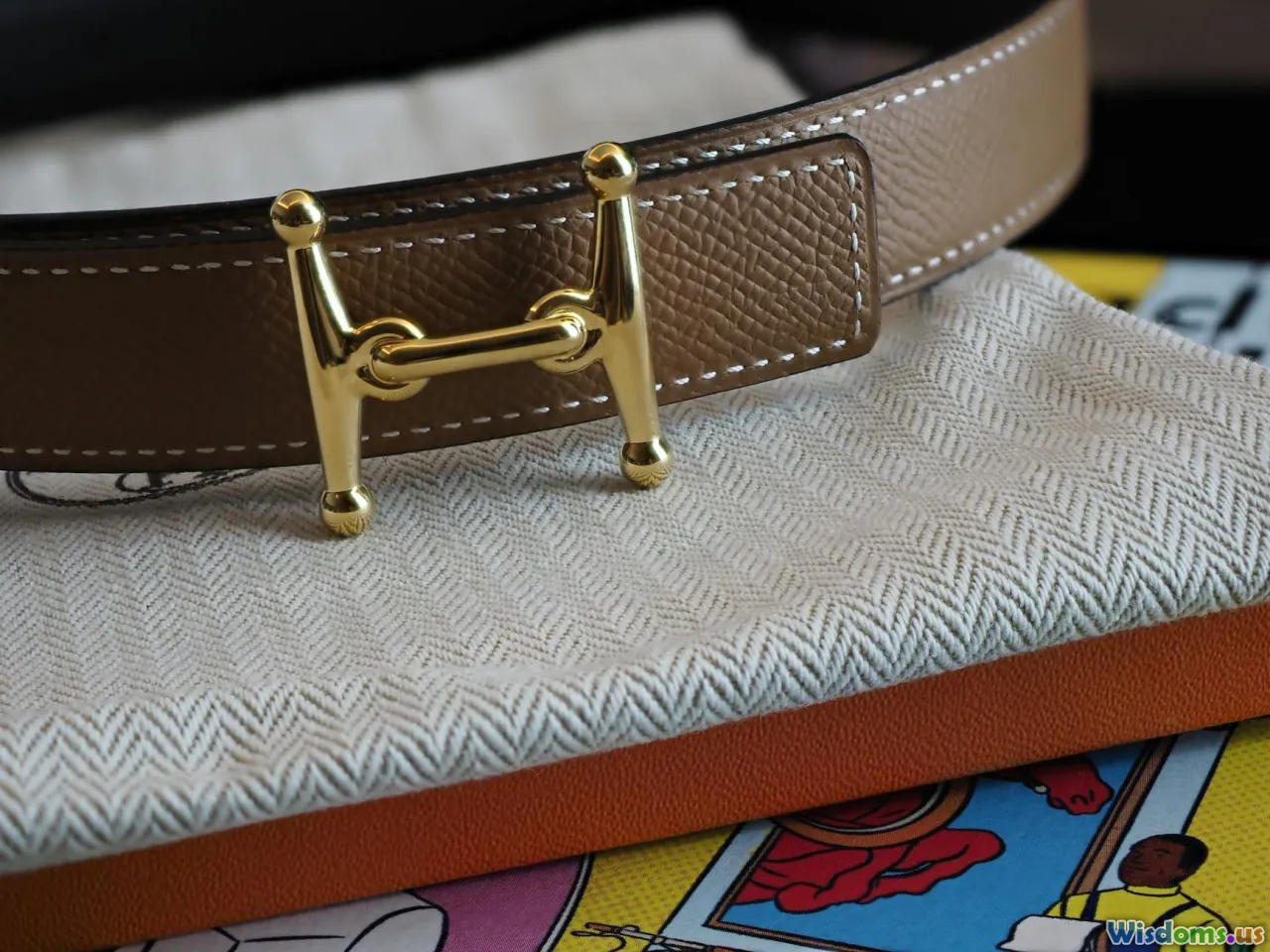
Sometimes, a single strip of leather isn’t enough, especially for belts meant to carry tools, holsters, or heavy gear. Double-layer and reinforced belts take durability even further.
Construction Details
- Double Layer: Two strips of leather (often full–grain or a combination of full- and top-grain) are stitched or glued back-to-back. This increases rigidity, spread of stress, and lifespan of the product.
- Lining Options: Linings may employ vegetable-tanned, suede, or exotic leathers for added comfort or grip on clothing.
- Edge Binding: Reinforced edges, whether by folding or through carefully burnished seams, retain shape and prevent fraying.
Examples in Use
Gun belts, utility belts for camping, law enforcement, and high-end dress belts with contrasting interior linings utilize these methods. Some luxury makers use stitched alligator exteriors with a robust cowhide lining, for maximum style and strength.
Practical Advice
When crafting, select adhesives and threads rated for leather to ensure the longevity of multi-layered designs. Be sure to skive (thin) thick layers at the buckle end to avoid uncomfortable bulk.
Key Considerations When Selecting Leather for Belts
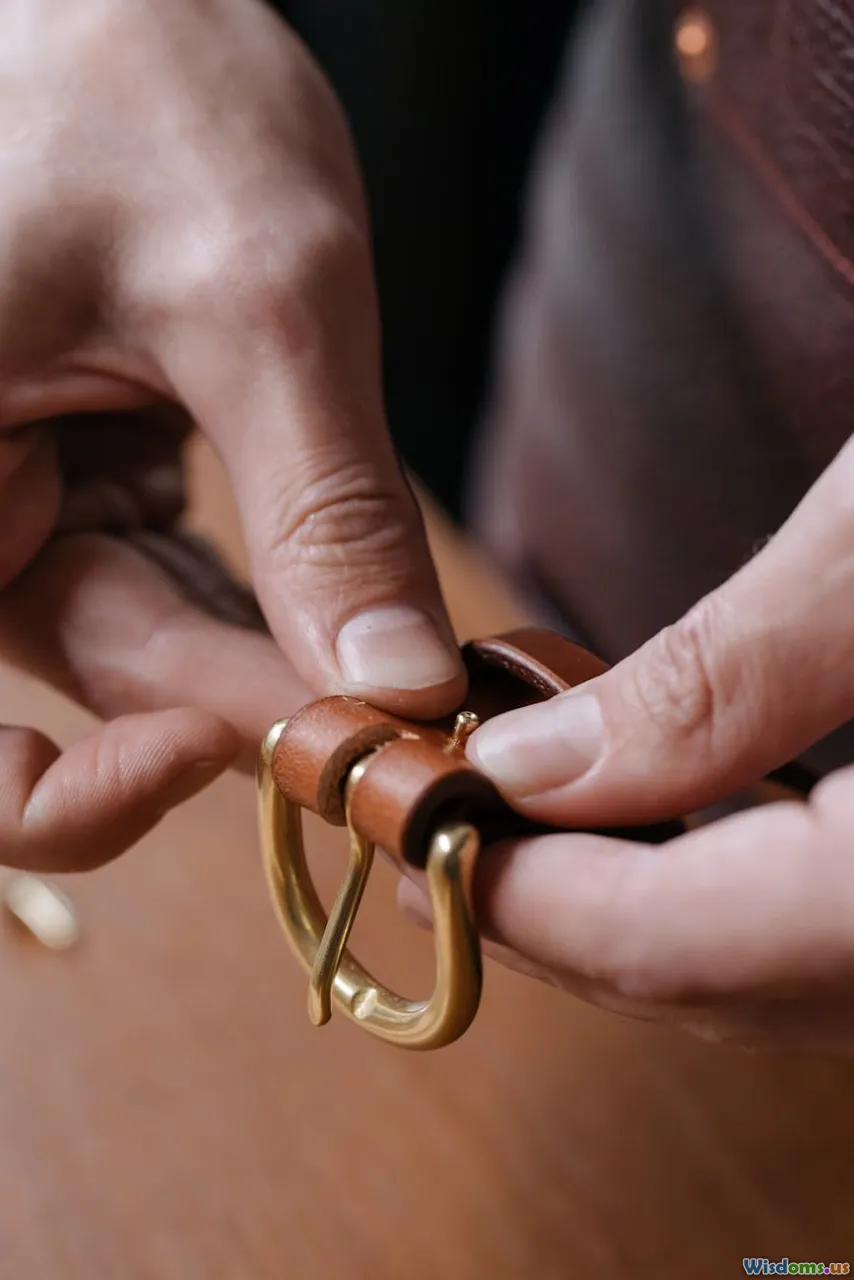
Ultimately, the type of leather is only one factor in a belt’s extreme longevity. Consider these when choosing or crafting belts:
- Belt Width and Thickness: Work belts are often cut thicker (10–14 ounces) than dress belts (6–8 ounces), and the hide must support the width to avoid sagging.
- Stretch and Recovery: Some leathers (notably calfskin and goat) are more elastic—excellent for snug fits but not for supporting heavy gear.
- Finish and Treatment: Look for natural oil or wax treatments over polyurethane or plastic coatings, which may extend initial luster but can crack over time.
- Country of Origin: Italian or U.S.-sourced hides are praised for stricter quality controls and environmental practices.
Insider Tips
- Always inquire if the seller or craftsperson can specify the leather grade. Terms like "bonded leather" almost always indicate inferior quality, being made from shredded scrap fibers glued together.
- Examine belt holes and buckle areas, often the first points to show excessive stretching in cheaper belts.
- A side-by-side bend test: real full-grain flexes and recovers without visible cracks, while cheaper splits show wear lines immediately.
Caring for Durable Leather Belts: Protecting Your Investment
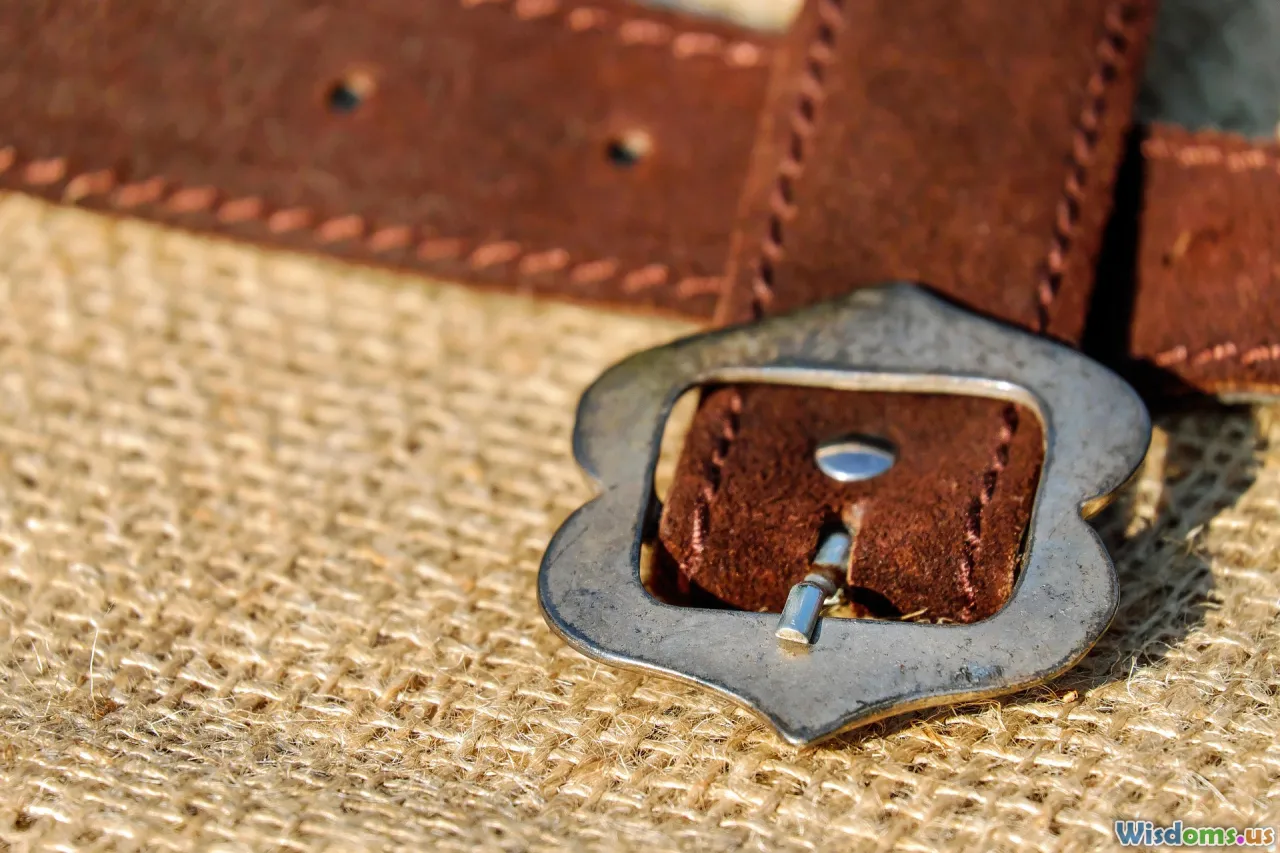
Even the toughest leather requires proper care to ensure a belt becomes a lifelong piece. Here are actionable steps:
Cleaning and Conditioning
- Regular Wiping: Dust and debris should be wiped off with a dry, soft cloth.
- Spot Clean: For stains, use a mild saddle soap diluted in water, applied with a damp (not wet) sponge. Always dry naturally, away from direct heat.
- Conditioning: Every few months (more in dry climates), treat your belt with a lanolin-based or beeswax conditioner to prevent drying and cracking. Avoid thick layers, which can attract dust.
Storage
- Store belts hanging vertically, rather than rolled tightly, to avoid permanent creasing. Custom belt hangers exist or cocktail an old clothes hanger with clips.
Moisture & Sunlight Protection
If exposed to sweat, rain, or humidity, hang dry fully before storage. Avoid lengthy sun exposure, which fades and desiccates most leather types.
Periodic Inspection
Check holes and buckle edges at least twice a year, reapplying conditioner as needed and looking for any wear that might be preemptively fixed.
Conclusion: Finding Your Perfect (and Pretty Much Indestructible) Leather Belt
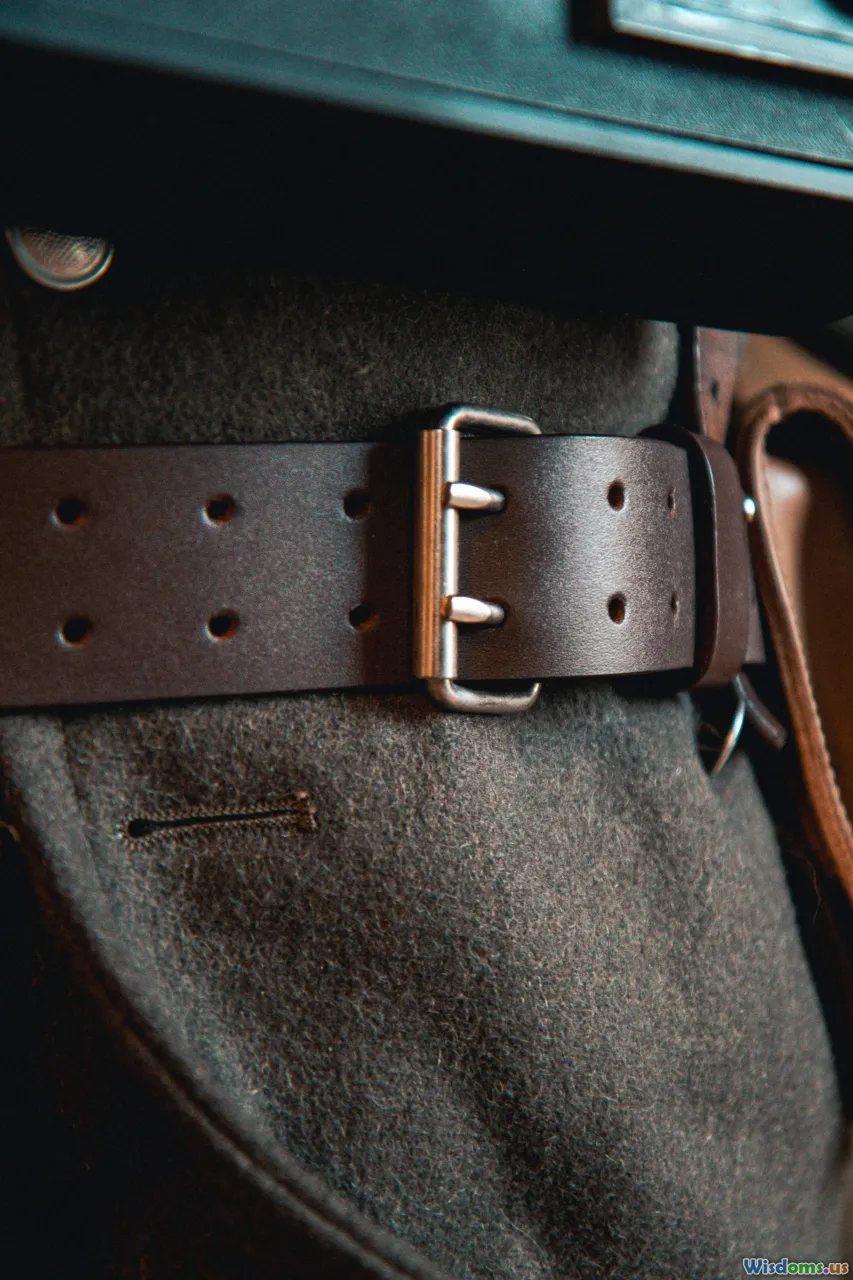
The mark of a truly great belt lies at the intersection of the right leather, skillful construction, and mindful care. Full-grain leather is unmatched for rugged durability, heirloom wear, and natural character, while top-grain yields smooth, elegant results for urban sophistication. Exotics deliver signature flair at a cost, and genuine leather fits the budget for lower-stakes situations.
When selecting a leather type, consider your purpose, style, and willingness to care for your investment. Whether crafting by hand or choosing from artisan makers, prioritizing premium materials and careful attention to belt construction ensures your choice will serve for decades. In the end, a thoughtfully chosen belt is more than a wardrobe staple—it's a personal legacy in leather.
Rate the Post
User Reviews




Popular Posts